
Echinopla praetexta
- Науч. назв.
- Echinopla praetexta
- Триба
- Camponotini
- Подсемейство
- Formicinae
- Автор
- Smith, 1860
- Распространение
- Встречается в 0 странах
Введение
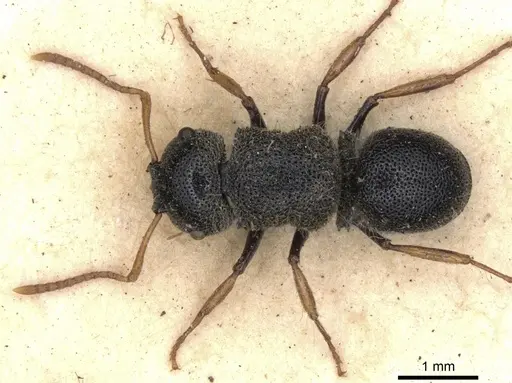
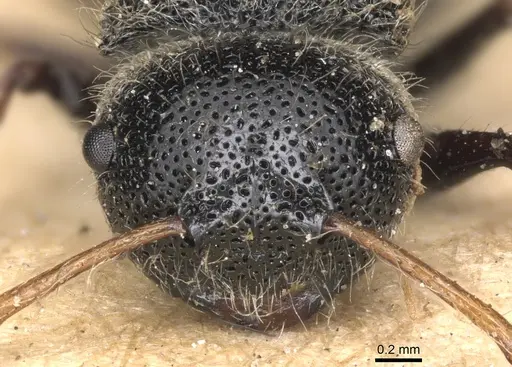
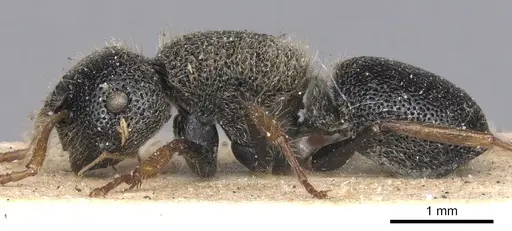
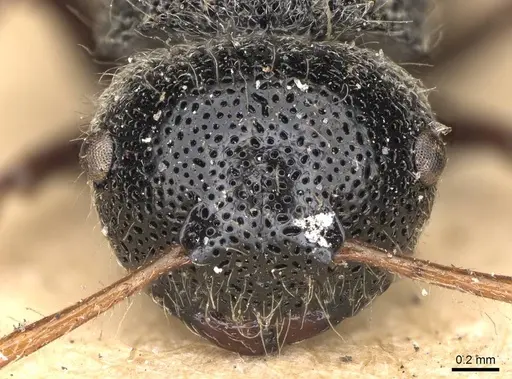
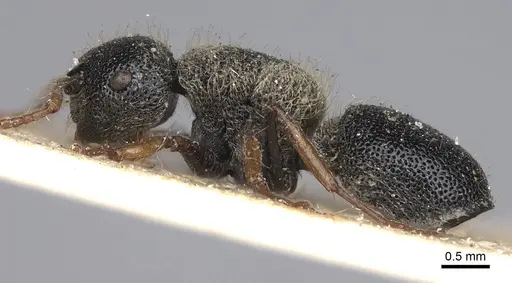
Echinopla praetexta is an ant species belonging to the serrata-group within the genus Echinopla. Workers have a distinctive black body with brownish-yellow antennae, tibiae, and tarsi. The species is characterized by its abundantly cribrate (pitted) head and gaster, with regular circular holes and smooth, shining interstices. The mesosoma has a weakly convex dorsum in lateral view, and the gaster lacks standing hairs. This species is known only from Indonesia, specifically from Batchian (Batjan) Island in the Moluccas archipelago . As a member of the Formicinae subfamily, Echinopla praetexta lacks a functional sting. Instead, workers defend by biting and spraying formic acid from their acidopore into the wound.
Quick Summary
- Difficulty: Medium
- Origin & Habitat: Echinopla praetexta is found exclusively in Indonesia, specifically on Batchian (Batjan) Island in the Moluccas archipelago. This is a tropical island environment with high humidity and warm temperatures year-round [1][2].
- Colony Type: Colony structure is unconfirmed for this specific species.
- Size & Growth:
- Queen: size data unavailable
- Worker: size data unavailable
- Colony: size data unavailable
- Growth: Unknown
- Development: Unknown (No development data available for this species.)
- Antkeeping:
- Temperature: Keep at 24-28°C. This species comes from tropical Indonesia and requires warm conditions.
- Humidity: High humidity is essential, aim for 70-85%. These forest-dwelling ants need consistently moist substrate.
- Diapause: No, this is a tropical species from Indonesia and does not require hibernation. Maintain warm temperatures year-round.
- Nesting: Echinopla praetexta likely prefers nesting in wood-based materials. A Y-tong (AAC) nest or plaster nest with wood inserts may work well.
- Behavior: Echinopla praetexta workers are moderately aggressive when defending the colony. As Formicinae, they lack a sting but can bite and spray formic acid. They are semi-arboreal and will explore both horizontal and vertical spaces. Escape prevention is important, use fine mesh and tight-fitting barriers as workers can squeeze through small gaps.
- Common Issues: tropical species requires consistent warmth, cold drafts or temperatures below 24°C can slow or stop brood development, high humidity needs can lead to mold problems if ventilation is inadequate, limited information on dietary requirements, start with protein-rich foods and live prey, small colony sizes mean they are vulnerable to stress from overhandling or frequent disturbances, escape prevention is important, they can fit through surprisingly small gaps
Housing and Nest Setup
Echinopla praetexta may do well in Y-tong (AAC) nests or plaster nests with wood inserts. These setups mimic potential natural preferences for nesting in wood-based materials. A naturalistic terrarium-style setup with cork bark, rotting wood pieces, and live plants may also work. The outworld should be appropriately sized, not too large as these ants may prefer enclosed spaces. Include climbing structures since they are semi-arboreal. Use a water tube for humidity and ensure the nest substrate stays consistently moist. [2]
Feeding and Diet
Dietary requirements are not well documented for this species. Start with a varied diet including protein-rich foods such as small insects, boiled eggs, or protein jelly. Sugar sources like honey or sugar water should also be offered. Feed every 2-3 days, removing uneaten food after 24 hours to prevent mold.
Temperature and Humidity Requirements
This Indonesian species requires warm, humid conditions. Maintain temperatures between 24-28°C using a heating cable if necessary. Avoid temperatures below 22°C as this can slow development and weaken the colony. Humidity should be kept high at 70-85%. Use a water tube or mist regularly to maintain moisture. The nest substrate should feel damp to the touch. Good ventilation is important to prevent mold, but avoid excessive airflow that dries out the nest. [2]
Colony Development and Growth
No specific development data is available for Echinopla praetexta. Colony growth rate is unknown. Avoid disturbing founding colonies as queens may be sensitive to vibration and light during the founding stage.
Behavior and Temperament
Workers of Echinopla praetexta are moderately aggressive when defending the colony but are not considered particularly dangerous to humans. The genus name 'Echinopla' refers to the distinctive structure of their propodeum. Workers are semi-arboreal and will explore both horizontal and vertical spaces. Colony defense is coordinated, disturbed workers will alert others and mount a collective defense. [2]
Frequently Asked Questions
How long does it take for Echinopla praetexta to produce first workers?
Development time is unknown for this species. Based on typical Formicinae patterns, expect several months from egg to first worker at optimal temperatures of 24-28°C.
What do Echinopla praetexta ants eat?
Dietary requirements are not well documented. Start with protein-rich foods such as small insects, boiled eggs, or protein jelly. They will also likely accept sugar sources like honey and sugar water.
What temperature do Echinopla praetexta need?
Keep them warm at 24-28°C. This tropical Indonesian species requires consistent warmth and does not tolerate cool temperatures.
Are Echinopla praetexta good for beginners?
This species is rated as medium difficulty. They require specific humidity and temperature conditions, making them better suited for keepers with some experience.
How big do Echinopla praetexta colonies get?
Colony size data is unavailable for this species.
Do Echinopla praetexta need hibernation?
No. This is a tropical species from Indonesia and does not require hibernation. Maintain warm temperatures year-round.
What type of nest is best for Echinopla praetexta?
Y-tong (AAC) nests or plaster nests with wood inserts may work well. They likely prefer wood-based nesting materials that hold moisture.
Can I keep multiple Echinopla praetexta queens together?
Colony structure is unconfirmed for this species. Single-queen colonies are recommended until more information is available.
Why is my Echinopla praetexta colony declining?
Common causes may include: temperatures below 22°C, low humidity, insufficient protein in diet, mold from overwatering, or excessive disturbance. Check all parameters and ensure proper feeding.
Report an Issue
The current care sheet is based fully on literature. See inconsistencies, or something that's incorrect? Please , it will be resolved after review from an admin. Contributing to the blogs tab also helps providing information, to make us be able to further improve the caresheets. Thank you for your support!
References

Эта инструкция по уходу лицензирована по CC BY-SA 4.0 .
Блоги сообщества
CASENT0901882
Посмотреть на AntWeb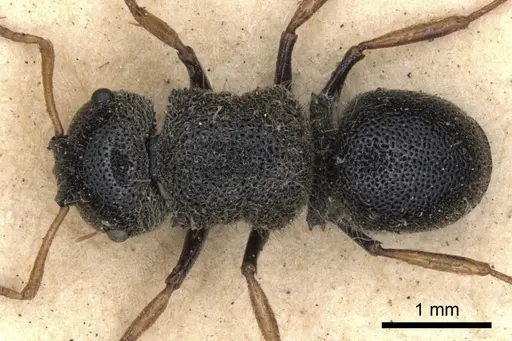
CASENT0906846
Посмотреть на AntWeb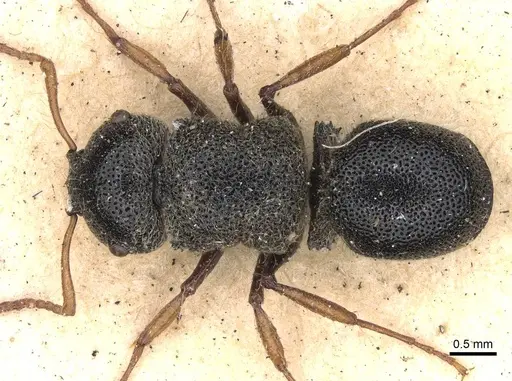
Литература
Загрузка карты распределения...Загрузка товаров...