
Dorylus katanensis
- Науч. назв.
- Dorylus katanensis
- Подсемейство
- Dorylinae
- Автор
- Stitz, 1911
- Распространение
- Встречается в 0 странах
Введение
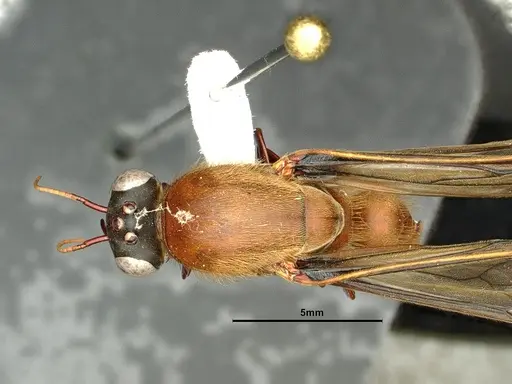
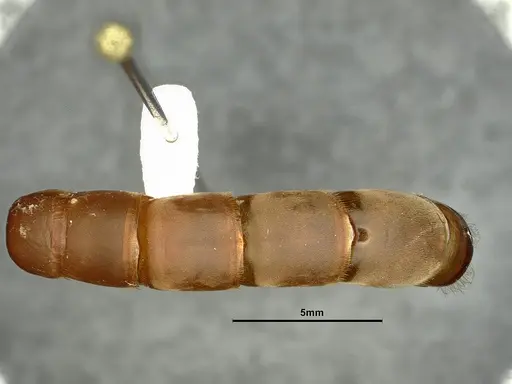
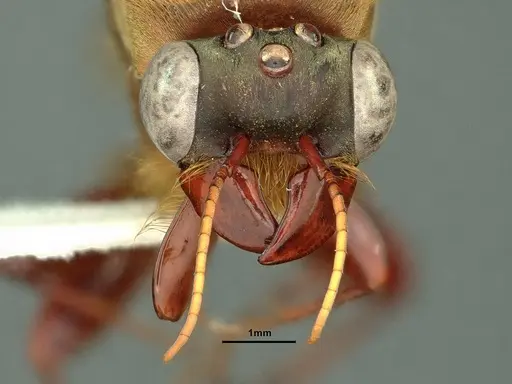
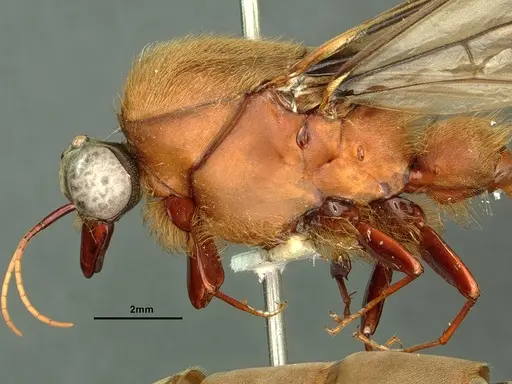
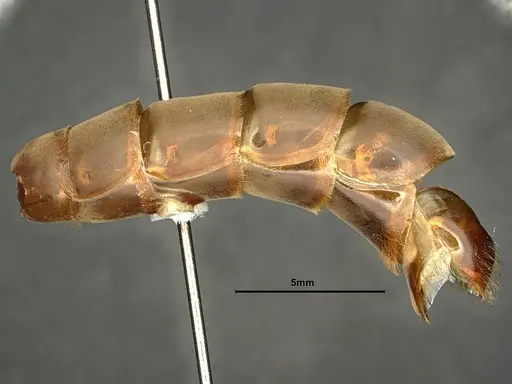
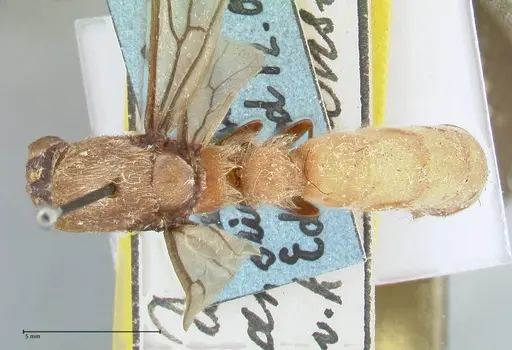
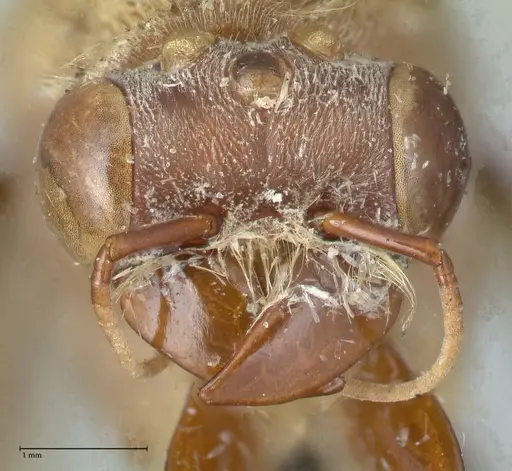
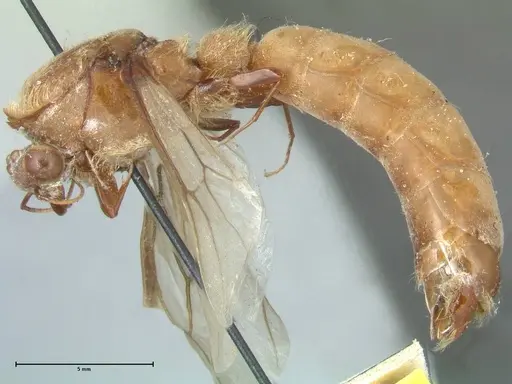
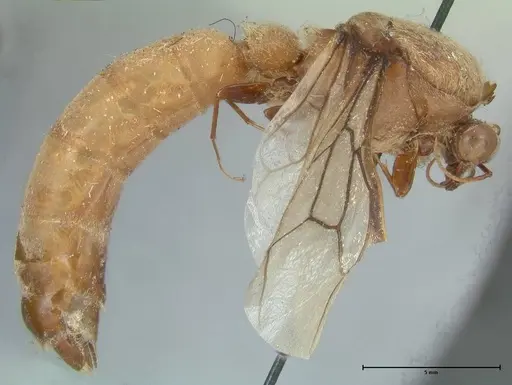
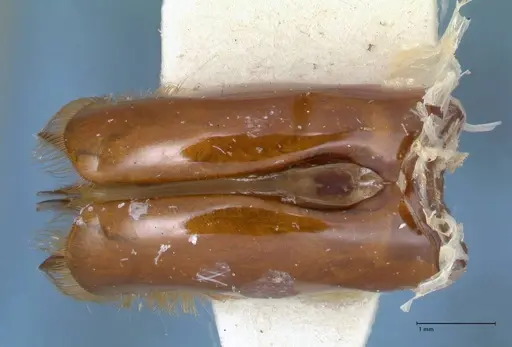
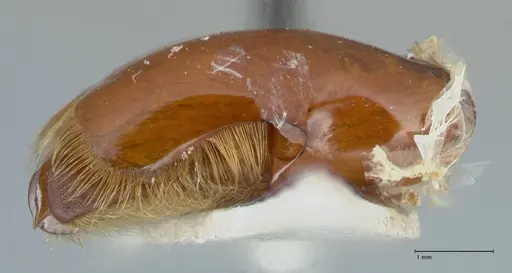
Dorylus katanensis is an army ant species endemic to the Nord-Kivu region in the eastern Democratic Republic of Congo . Like all Dorylus species, these are predatory army ants known for forming large colonies that conduct coordinated raids across the forest floor. Workers are typically reddish-brown to dark brown, with the genus characterized by powerful mandibles and a highly polymorphic worker caste. This species is not kept in captivity due to the specialized requirements of army ants and the difficulty of replicating their nomadic lifestyle.
Quick Summary
- Difficulty: Expert
- Origin & Habitat: Nord-Kivu region in eastern Democratic Republic of Congo. Found in tropical forest habitats in Central Africa [1].
- Colony Type: Army ant colonies are typically massive and nomadic, with multiple functional queens. Colonies can contain hundreds of thousands to millions of workers.
- Size & Growth:
- Queen: Size data unavailable for this species, Dorylus queens typically range 15-30mm based on genus patterns
- Worker: Polymorphic: 3-15mm across worker castes based on genus patterns
- Colony: Extremely large, Dorylus colonies can reach millions of workers
- Growth: Fast, army ant colonies grow rapidly when food is abundant
- Development: Development timeline unconfirmed for this species, likely several weeks based on related Dorylus species (Army ant brood development is typically rapid to support their nomadic lifestyle)
- Antkeeping:
- Temperature: Temperature requirements unconfirmed, keep at 24-28°C as a starting point based on tropical genus patterns
- Humidity: Humidity requirements unconfirmed, provide moderate to high humidity based on typical rainforest habitat
- Diapause: No, being a tropical species, they do not require hibernation
- Nesting: In nature, Dorylus species nest in soil, often under logs or in decaying wood. Captive housing requires very large spaces. Standard test tubes and small formicaria are completely unsuitable for this species
- Common Issues: Army ants require enormous colony sizes and space, standard ant keeping setups are inadequate, They are obligate predators and need constant access to live prey, feeding costs are extremely high, Their nomadic lifestyle is nearly impossible to replicate in captivity, colonies must constantly move, They are aggressive and will attack anything that moves, This species has no captive husbandry information, keeping it would be experimental at every level, Dorylus katanensis is endemic to a specific region in DRC, exporting may be illegal without proper permits
Understanding Dorylus Army Ants
Dorylus katanensis belongs to the army ant genus Dorylus, one of the most distinctive and ecologically important ant groups in Africa. Unlike most ants that have permanent nests, army ants are nomadic, they constantly move their colonies in search of prey, establishing temporary bivouacs made from the bodies of living workers linked together. This species is endemic to the rainforests of Nord-Kivu in the eastern DRC [1]. The genus Dorylus contains about 60 species found in Africa and parts of Asia.
Why This Species Is Not Recommended for Captivity
Dorylus katanensis is not a species that hobbyist antkeepers should attempt to keep. Army ants represent perhaps the most challenging group of ants to maintain in captivity. First, their colonies reach extraordinary sizes, potentially millions of workers, meaning they require space that few hobbyists can provide. Second, they are obligate predators that conduct coordinated raids requiring vast areas to exhibit natural foraging behavior. Third, their nomadic lifestyle means they must regularly relocate, which is nearly impossible to facilitate in captive settings. Finally, this specific species has no documented captive husbandry history.
Colony Structure and Biology
Army ant colonies are uniquely structured with multiple functional queens that can produce thousands of eggs daily during peak periods. The worker caste is highly polymorphic, workers come in dramatically different sizes, from tiny minor workers to massive major workers with powerful mandibles used for defense and dismembering prey. Colonies reproduce through fission, where a queen plus a group of workers breaks off to form a new colony. Unlike many ants, army ant queens do not have wings and are permanently dealate, they mate with males inside the colony.
Legal and Ethical Considerations
Dorylus katanensis is endemic to the Democratic Republic of Congo, a country with complex wildlife export regulations. Importing this species would likely require permits and could be illegal depending on current CITES listings and DRC export laws. Due to the extreme difficulty of maintaining this species and the lack of captive breeding history, attempting to collect wild colonies would be ecologically irresponsible for such a poorly understood endemic species.
Frequently Asked Questions
Can I keep Dorylus katanensis in a test tube?
No. This species is completely unsuitable for test tube setups. Army ant colonies reach millions of workers and require vast spaces to conduct their natural raiding behavior. Standard ant keeping equipment is inadequate for this species.
What do Dorylus katanensis ants eat?
Like all army ants, they are obligate predators that hunt insects and other small invertebrates. They do not collect honeydew or eat seeds, they require live prey that they capture during coordinated raids. In captivity, maintaining a constant supply of live prey for a colony of this size would be extremely challenging and expensive.
How long does it take for Dorylus katanensis to produce first workers?
The exact development timeline for this species is unconfirmed. Based on related Dorylus species, egg to worker development likely takes several weeks at tropical temperatures. However, this species has never been documented in captivity, so these are estimates only.
Are Dorylus katanensis ants dangerous?
Army ants have powerful mandibles and can deliver painful bites. Their colonies are highly defensive and will attack anything that threatens them. While individual bites are not typically dangerous to humans, the sheer number of workers in an army ant colony means any disturbance will result in massive defensive swarms.
Do Dorylus katanensis need hibernation?
No. As a tropical species from Central Africa, they do not require hibernation. They should be kept at warm, stable temperatures year-round to mimic their natural rainforest environment.
Can I keep multiple queens together in one colony?
Army ant colonies are naturally polygynous (multiple queens). However, this is not something you should attempt to establish. The colony structure and founding behavior of this specific species is not documented, and attempting to combine queens would be experimental with no established guidance.
Is Dorylus katanensis a good species for beginners?
Absolutely not. This species is among the most difficult ants to keep in captivity, if keeping them is even possible. Even experienced antkeepers should not attempt this species. If you are interested in army ants, consider starting with more commonly kept species that have established husbandry protocols.
How big do Dorylus katanensis colonies get?
Dorylus colonies are among the largest of any ant genus, potentially reaching millions of workers. This species specifically is poorly studied, but colony sizes in the hundreds of thousands to millions are typical for the genus.
Where does Dorylus katanensis live naturally?
This species is endemic to the Nord-Kivu region in the eastern Democratic Republic of Congo, in Central Africa. It lives in tropical rainforest habitats [1].
Report an Issue
The current care sheet is based fully on literature. See inconsistencies, or something that's incorrect? Please , it will be resolved after review from an admin. Contributing to the blogs tab also helps providing information, to make us be able to further improve the caresheets. Thank you for your support!
References

Эта инструкция по уходу лицензирована по CC BY-SA 4.0 .
Блоги сообщества
Литература
Загрузка карты распределения...Загрузка товаров...