
Crematogaster vetusta
- Науч. назв.
- Crematogaster vetusta
- Триба
- Crematogastrini
- Подсемейство
- Myrmicinae
- Автор
- Ward & Blaimer, 2022
- Распространение
- Встречается в 0 странах
Введение
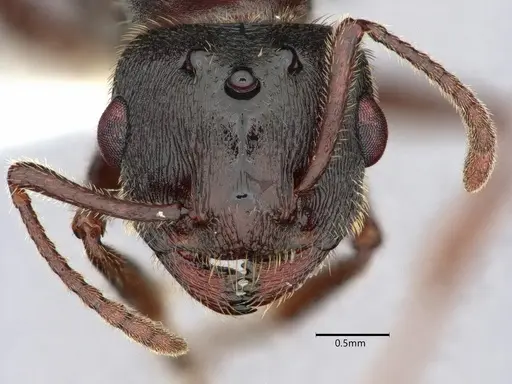
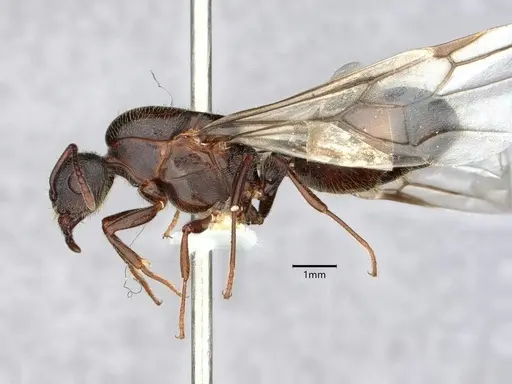
Crematogaster vetusta is a small, dark reddish-brown ant species newly described in 2022, belonging to the Crematogaster scutellaris group. Workers are characterized by their distinctive heart-shaped gaster, which they raise to display their stinger when threatened - a defensive behavior typical of the genus. They have relatively long and divergent propodeal spines and a narrow petiole and postpetiole. Their body is dark reddish-brown with lighter gaster and appendages. This species is known only from southern Arizona and northern Sonora, Mexico, where they inhabit rocky quartzite hills in the Chihuahuan desert .
Quick Summary
- Difficulty: Medium
- Origin & Habitat: Southern Arizona (USA) and northern Sonora (Mexico), Chihuahuan desert region on rocky quartzite hills with desert vegetation including Vachellia, Fouquieria, Yucca, Agave, Juniperus and Sapindus saponaria [1].
- Colony Type: Colony structure is unconfirmed for this newly described species.
- Size & Growth:
- Queen: Size data unavailable, not yet documented in available literature
- Worker: Size data unavailable, only head width measurements exist in literature (0.96-1.27mm HW) [1]
- Colony: Unknown
- Growth: Unknown, cannot be reliably inferred from limited data
- Development: Unknown, development timeline has not been documented for this species (Warm conditions likely support development but specific timelines are unconfirmed.)
- Antkeeping:
- Temperature: Keep at 24-28°C. Desert origin suggests they prefer warm conditions. Room temperature (20-24°C) is acceptable.
- Humidity: Low to moderate. Being from arid desert habitats, they prefer drier conditions. Keep nest substrate moderately dry to dry.
- Diapause: Likely required based on desert origin and temperate latitude. Provide a winter rest period.
- Nesting: In nature they nest in rocky areas and under stones on desert hills. In captivity, they do well in Y-tong (AAC) nests, plaster nests, or test tube setups with access to an outworld.
- Behavior: Crematogaster ants are generally calm and not aggressive toward keepers. When threatened, they raise their heart-shaped gaster to display their stinger as a warning, this is their primary defense mechanism. They are active foragers and good escape artists due to their small size. They are scavengers and will accept a variety of foods including sugars and proteins.
- Common Issues: escape prevention is critical due to their very small size, newly described species means limited care information, desert origin means they are sensitive to excess humidity, patience is required as colony development timeline is unknown
Housing and Nest Setup
Crematogaster vetusta does well in standard ant keeping setups. A Y-tong (AAC) nest works well, these ants prefer narrow chambers rather than large open spaces. You can also use a test tube setup with a water reservoir, connected to a foraging area. Because they come from arid desert habitats, keep the nest relatively dry. Avoid overly moist substrates that can cause mold problems. Provide a small water tube or cotton ball with fresh water for drinking access. Ensure excellent escape prevention, these tiny ants can squeeze through the smallest gaps, so use fine mesh on any ventilation holes. [1]
Feeding and Diet
Crematogaster vetusta is a generalist scavenger. Offer sugar water, honey, or diluted maple syrup as a constant carbohydrate source. For protein, provide small insects like fruit flies, pinhead crickets, mealworms, or other small arthropods. They will also scavenge on dead insects in the colony. Feed protein sources 2-3 times per week, and keep sugar water available at all times. Remove any uneaten food after 24-48 hours to prevent mold.
Temperature and Seasonal Care
Being from the Chihuahuan desert, this species prefers warm conditions. Keep the nest area at 24-28°C for optimal brood development. A heating cable on one side of the nest can create a temperature gradient, allowing the colony to self-regulate. During winter, provide a diapause period at cooler temperatures. This mimics their natural seasonal cycle in the desert. Do not feed during diapause, but keep a small water source available. After winter, gradually warm the colony back to room temperature over several days before offering food again. [1]
Behavior and Handling
Crematogaster vetusta has a distinctive defensive behavior, when threatened, they raise their heart-shaped gaster to display their stinger. This is primarily a warning display rather than active aggression. They are not particularly aggressive toward keepers and can be handled gently. However, their small size makes them fragile, and excessive disturbance can stress the colony. They are active foragers and will send workers out to discover and recruit nestmates to food sources.
Colony Development
As a newly described species (2022), the exact colony development timeline for C. vetusta is not documented. Initial colonies will grow slowly, the first batch of workers is typically small (nanitics). Be patient with founding colonies, they can take months to establish firmly. [1]
Frequently Asked Questions
How long does it take for Crematogaster vetusta to produce first workers?
Unknown, development timeline has not been documented for this species. Patience is essential with founding colonies.
What do Crematogaster vetusta ants eat?
They are generalist scavengers. Offer sugar water, honey, or maple syrup constantly for carbohydrates. For protein, provide small insects like fruit flies, mealworms, or pinhead crickets 2-3 times per week.
Do Crematogaster vetusta ants sting?
They have a stinger and will display it by raising their heart-shaped gaster as a warning. This is primarily a defensive display, they are not aggressive toward keepers.
What temperature do Crematogaster vetusta need?
Keep them warm at 24-28°C. Desert origin means they prefer warmer conditions. A slight temperature gradient is ideal so they can regulate their own temperature.
Do Crematogaster vetusta need hibernation?
Likely yes, based on desert origin and temperate latitude. Provide a winter rest period at cooler temperatures.
Are Crematogaster vetusta good for beginners?
This is a newly described species with limited available care information, making it more suitable for intermediate antkeepers. Their small size and specific humidity requirements add some challenge.
Can I keep multiple Crematogaster vetusta queens together?
Colony structure is unconfirmed for this species. Until more information is available, keeping a single queen is recommended.
How big do Crematogaster vetusta colonies get?
Maximum colony size is unknown for this species. Growth can take over a year to establish firmly.
What humidity level do Crematogaster vetusta need?
Low to moderate. Being from arid desert habitats, they prefer drier conditions. Keep nest substrate moderately dry to dry, and ensure good ventilation to prevent mold.
When should I move my colony to a formicarium?
Wait until the colony has a established population and is actively foraging in the outworld. For small founding colonies, a test tube setup is sufficient for the first several months.
Report an Issue
The current care sheet is based fully on literature. See inconsistencies, or something that's incorrect? Please , it will be resolved after review from an admin. Contributing to the blogs tab also helps providing information, to make us be able to further improve the caresheets. Thank you for your support!
References

Эта инструкция по уходу лицензирована по CC BY-SA 4.0 .
Блоги сообщества
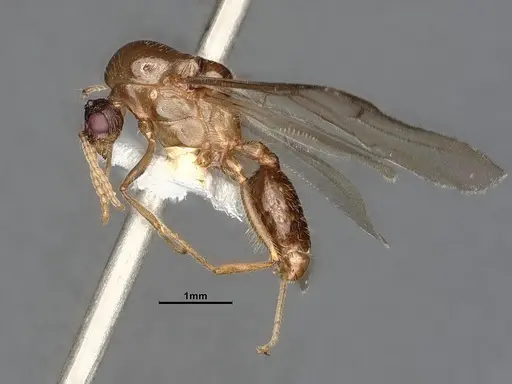
CASENT0863254
Посмотреть на AntWeb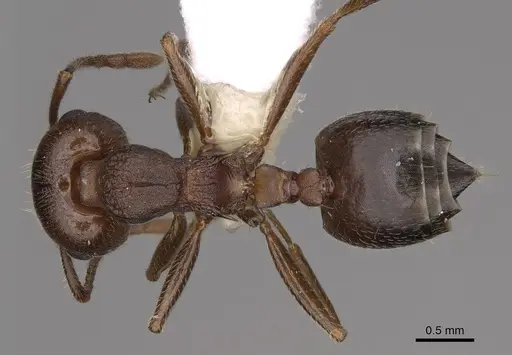
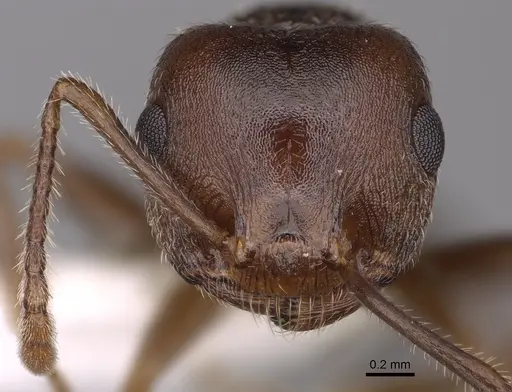
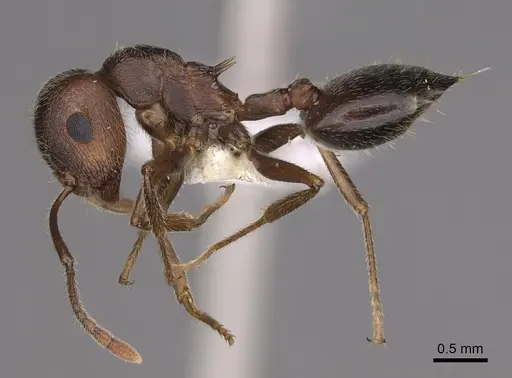
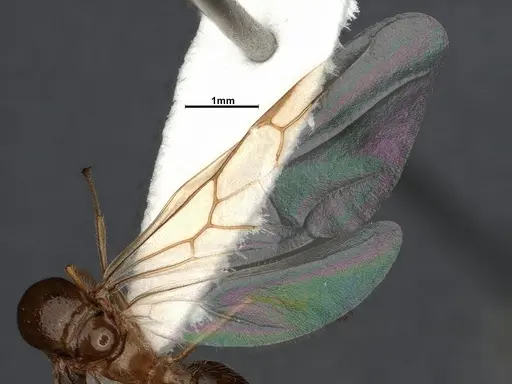
CASENT0882153
Посмотреть на AntWeb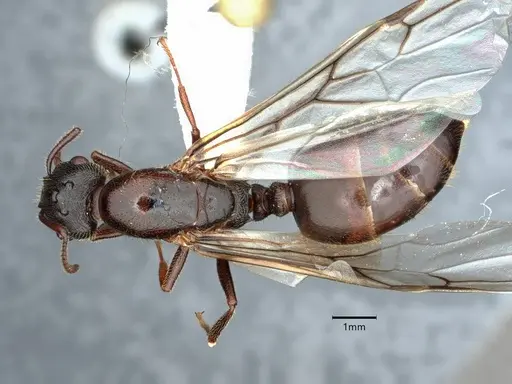
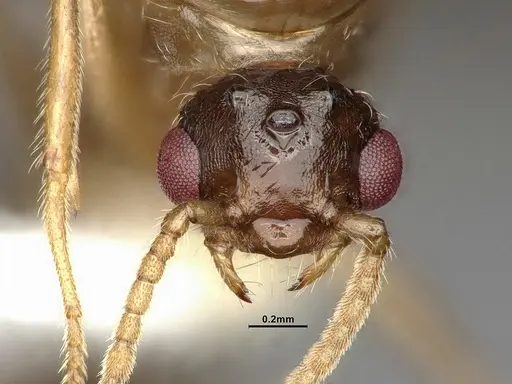
CASENT4031434
Посмотреть на AntWeb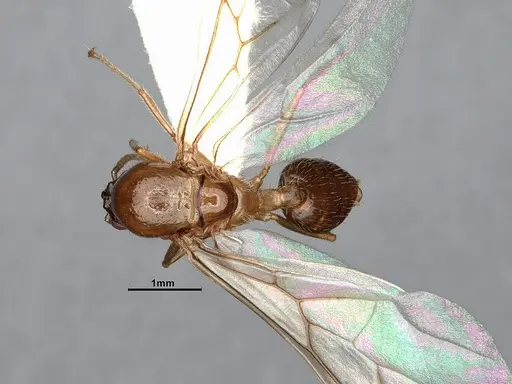
Литература
Загрузка карты распределения...Загрузка товаров...