
Crematogaster semperi
- Науч. назв.
- Crematogaster semperi
- Триба
- Crematogastrini
- Подсемейство
- Myrmicinae
- Автор
- Emery, 1893
- Распространение
- Встречается в 0 странах
Введение
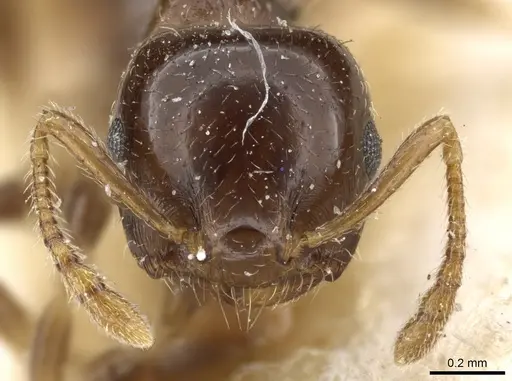
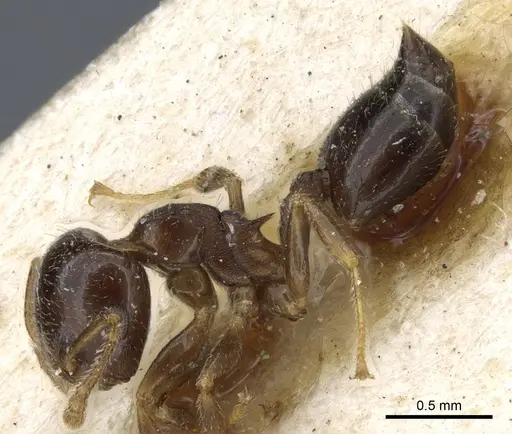
Crematogaster semperi is a small ant species native to the Philippines, first described by Emery in 1893 from specimens collected in Manila, Luzon. Workers are small with a distinctive heart-shaped abdomen that they can raise over their body like an acrobat, giving them their common name. The genus is known for raising the gaster vertically when disturbed and using a smear defense mechanism where they wipe venom onto enemies with their flattened stinger rather than piercing. This species was originally known only from Luzon but has recently been recorded from Mindanao Island, expanding the known distribution . They nest in rotting wood, hollow twigs, or under bark in tropical forest habitats.
Quick Summary
- Difficulty: Medium
- Origin & Habitat: Philippines (Luzon and Mindanao islands), tropical forest habitat, typically nesting in rotting wood or under bark [1][2]
- Colony Type: Colony structure is unconfirmed for this specific species. Based on typical Crematogaster patterns, likely single-queen.
- Size & Growth:
- Queen: ~8-10mm, inferred from Crematogaster genus patterns
- Worker: ~2.5-4mm, inferred from Crematogaster genus patterns
- Colony: Up to several hundred workers, estimated from genus patterns
- Growth: Moderate, estimated from related tropical species
- Development: 6-8 weeks at tropical temperatures (25-28°C), estimated based on typical Crematogaster development (Specific timeline unconfirmed for this species)
- Antkeeping:
- Temperature: Keep at 24-28°C. A gentle gradient allowing warmer and cooler areas is recommended [2].
- Humidity: Moderate to high humidity. Keep nest substrate slightly moist but not waterlogged. Provide a water source.
- Diapause: No, being a tropical species from the Philippines, they do not require hibernation. Maintain consistent temperatures year-round [2].
- Nesting: Prefers nesting in rotting wood, hollow twigs, or under bark. In captivity, a Y-tong (AAC) nest, plaster nest, or naturalistic setup with wood pieces works well.
- Behavior: Crematogaster semperi is an active species. Workers are quick-moving foragers that will explore extensively. They are defensive and will use their smear defense mechanism when threatened, workers raise their abdomen over their head and wipe venom onto enemies. They are not aggressive toward humans but will defend their nest vigorously. Escape prevention is important as they are small and can squeeze through small gaps, use fine mesh and tight-fitting lids [2].
- Common Issues: escape prevention is critical due to small size, they can squeeze through tiny gaps, tropical species requires consistent warmth, cold temperatures can slow or stop brood development, colonies may be slow to establish initially, patience is needed during founding phase, overfeeding can lead to mold issues in nests, remove uneaten food promptly, wild-caught colonies may carry parasites that can devastate captive colonies
Housing and Nest Setup
Crematogaster semperi does well in a variety of nest types. A Y-tong (AAC) formicarium with narrow chambers works well, as does a plaster nest with tunnels scaled to their small size. Because they naturally nest in rotting wood, adding small wood pieces or bark to a naturalistic setup can encourage natural behaviors. The nest should have some humidity retention but also adequate ventilation to prevent mold. An outworld (foraging area) should be provided that is large enough for workers to explore and for you to offer food. Since they are small, ensure all connections between nest and outworld have tight-fitting barriers. [2]
Feeding and Diet
Like other Crematogaster species, this species is omnivorous. They readily accept sugar sources (honey water, sugar water, or pure honey) as a staple. For protein, offer small insects like fruit flies, small mealworms, or cricket pieces. They are active foragers and will send workers to collect food quickly. Feed them small amounts of sugar every few days and protein 2-3 times per week. Remove any uneaten food after 24-48 hours to prevent mold. Fresh water should always be available, a small test tube with a cotton plug works well. [2]
Temperature and Seasonal Care
As a tropical species from the Philippines, Crematogaster semperi requires warm conditions year-round. Keep the nest area at 24-28°C. Temperatures below 20°C can slow development and may stress the colony. A small heating cable or heating mat on one side of the nest can create a temperature gradient, allowing the ants to choose their preferred temperature. No hibernation or diapause is required, maintain consistent temperatures throughout the year. Avoid placing the nest near air conditioning vents or drafty areas that could cause temperature fluctuations. [2]
Behavior and Defense
This species displays classic Crematogaster defensive behaviors. When threatened, workers raise their abdomen over their head in an acrobat-like pose, this is where the common name 'acrobat ant' comes from. They use a smear defense mechanism, wiping venom onto enemies with their flattened stinger rather than piercing. Workers are active foragers and will quickly recruit nestmates to food sources through chemical trails. They are not aggressive toward humans but will defend their nest if provoked. [2]
Colony Establishment and Growth
A newly mated queen will seal herself in a small chamber and lay eggs, raising the first workers (called nanitics) entirely on her own. These first workers are typically smaller than mature workers. Once the first workers emerge, the colony will begin to grow as the queen continues laying eggs. Growth rate is moderate, expect several months before you have a substantial number of workers. Colonies can reach several hundred workers over time. Be patient during the founding phase as queens and small colonies are vulnerable to stress and neglect. Avoid disturbing the nest during the first few months of founding.
Common Problems and Solutions
The most common issues with keeping Crematogaster semperi relate to their small size and tropical requirements. Escape prevention is critical, use fine mesh (at least 0.5mm) on all openings and check barriers regularly. Temperature drops can cause problems, use a thermometer to monitor nest conditions. Mold from overfeeding or excessive humidity can kill colonies quickly, keep the nest clean and remove uneaten food. Wild-caught colonies may carry parasites that can decimate captive colonies, quarantine and observe new colonies before introducing them to established setups. Finally, these ants produce alates (reproductives) that may try to escape when they develop, ensure escape prevention is especially tight during nuptial flight season.
Frequently Asked Questions
How long does it take for Crematogaster semperi to produce first workers?
Based on typical Crematogaster development, expect 6-8 weeks from egg to first worker at optimal temperatures (25-28°C). The exact timeline for this species is unconfirmed but should fall within this range.
Do Crematogaster semperi ants sting?
They use a smear defense mechanism rather than a typical sting. They possess a flattened stinger that they wipe or smear venom onto enemies instead of piercing. While smaller than many Crematogaster species, the venom can cause mild irritation. They are not aggressive toward humans but will defend their nest if provoked.
What temperature should I keep Crematogaster semperi at?
Keep them at 24-28°C. As a tropical species from the Philippines, they require warm conditions year-round. Temperatures below 20°C can slow development and stress the colony.
Can I keep multiple Crematogaster semperi queens together?
This is not recommended. The colony structure of C. semperi is unconfirmed. It is safest to keep only one queen per colony. Combining unrelated queens has not been documented for this species.
What do Crematogaster semperi eat?
They are omnivorous. Offer sugar sources (honey water, sugar water, or pure honey) regularly as a staple. For protein, provide small insects like fruit flies, small mealworms, or cricket pieces. Feed sugar every few days and protein 2-3 times per week.
How big do Crematogaster semperi colonies get?
Based on typical Crematogaster colony sizes, expect up to several hundred workers at maturity. The exact maximum for this species is unconfirmed but is likely in this range.
Do Crematogaster semperi need hibernation?
No, they do not require hibernation. Being a tropical species from the Philippines, they need consistent warm temperatures year-round. Maintain 24-28°C throughout the year.
Are Crematogaster semperi good for beginners?
They are rated as medium difficulty. While not the most challenging species, they do require consistent warm temperatures and good escape prevention. Beginners should be prepared for their specific requirements before acquiring this species.
When should I move my Crematogaster semperi to a formicarium?
Wait until the colony has at least 20-30 workers before moving from a test tube setup to a formicarium. The colony should be well-established with consistent brood production. Moving too early can stress the colony.
Why are my Crematogaster semperi dying?
Common causes include: temperature too low (below 20°C), excessive humidity causing mold, escape prevention failures, parasites from wild-caught colonies, or overfeeding leading to mold. Check all of these factors and adjust accordingly. Wild-caught colonies often have parasites that can kill them in captivity.
Report an Issue
The current care sheet is based fully on literature. See inconsistencies, or something that's incorrect? Please , it will be resolved after review from an admin. Contributing to the blogs tab also helps providing information, to make us be able to further improve the caresheets. Thank you for your support!
References

Эта инструкция по уходу лицензирована по CC BY-SA 4.0 .
Блоги сообщества
CASENT0904530
Посмотреть на AntWeb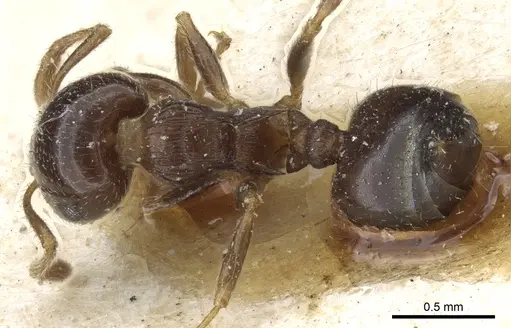
Литература
Загрузка карты распределения...Загрузка товаров...