
Crematogaster nigronitens
- Науч. назв.
- Crematogaster nigronitens
- Триба
- Crematogastrini
- Подсемейство
- Myrmicinae
- Автор
- Santschi, 1917
- Распространение
- Встречается в 1 странах
Введение
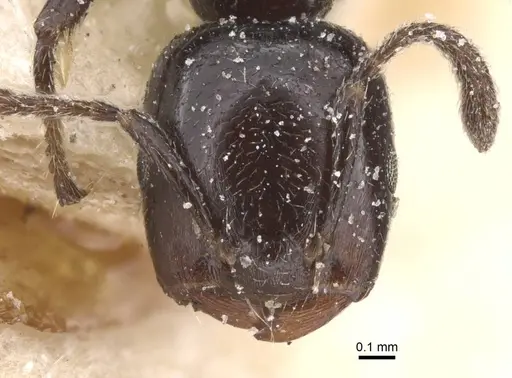
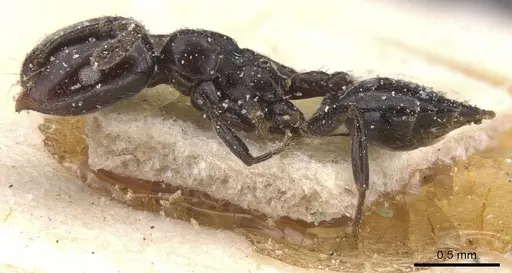
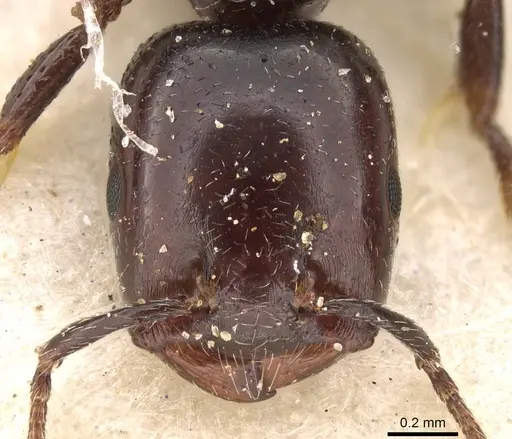
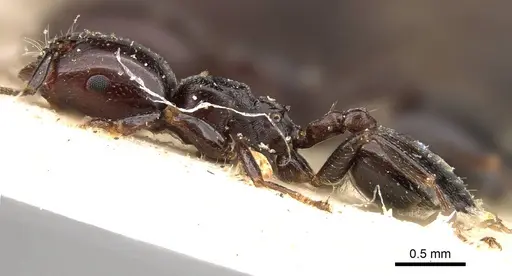
Crematogaster nigronitens is a small arboreal ant species native to West Africa, documented in forest-savanna mosaic habitats in Côte d'Ivoire . Workers are tiny, with the characteristic heart-shaped abdomen (gaster) that gives Crematogaster ants their common name 'acrobat ants' - they can raise their abdomen over their head when disturbed. The species name 'nigronitens' suggests a dark, glossy appearance. As an arboreal species, they naturally nest in hollow twigs, under bark, and in small cavities in trees and shrubs. This species uses a smear defense mechanism - they have a modified, flattened stinger used to wipe venom onto enemies rather than piercing flesh.
Quick Summary
- Difficulty: Medium
- Origin & Habitat: West Africa, specifically documented in forest-savanna mosaic habitats in Côte d'Ivoire [1]. They are arboreal, living in the canopy and understory layers of tropical forests.
- Colony Type: Colony structure is unconfirmed for this species, no specific documentation exists.
- Size & Growth:
- Queen: size data unavailable, inferred from genus patterns to be approximately 5-7mm
- Worker: size data unavailable, typical for small Crematogaster species
- Colony: Up to several hundred workers, estimated from genus patterns
- Growth: Moderate
- Development: Development timeline is unconfirmed for this species, typical for genus is 6-8 weeks at warm temperatures (Development time inferred from related Crematogaster species)
- Antkeeping:
- Temperature: Keep at 24-28°C, condition-based guidance for a tropical species requiring warm conditions. A heating cable on one side of the nest creates a gradient for them to regulate their temperature.
- Humidity: Moderate to high humidity (60-80%). As arboreal ants, they prefer humid conditions but need ventilation to prevent mold. Mist occasionally and provide a water source.
- Diapause: No, being a tropical species, they do not require hibernation. Keep temperatures stable year-round.
- Nesting: Arboreal setup works best, they prefer nests with small chambers and narrow passages. Y-tong (AAC) nests or test tube setups with twigs and branches work well. Provide climbing structures and bark pieces for natural feel.
- Behavior: Generally peaceful but will defend their nest vigorously. They are arboreal and excellent climbers, often traveling along branches and twigs. Workers are active foragers that will search for honeydew, small insects, and nectar. Their small size means escape prevention is critical, they can squeeze through tiny gaps. They may show the characteristic acrobat behavior when threatened, raising their abdomen. They use a smear defense mechanism, applying venom to attackers rather than stinging.
- Common Issues: escape prevention is critical due to their tiny size, use fine mesh and tight-fitting lids, tropical species cannot tolerate cool temperatures below 20°C, arboreal nature means they need vertical space and climbing structures, small colony size at founding means patience is required, may be difficult to find for purchase as this is an uncommon species
Housing and Nest Setup
Crematogaster nigronitens does well in setups that reflect their arboreal lifestyle. A Y-tong (AAC) nest with narrow chambers works well, or you can use a test tube setup with added climbing structures. Provide small twigs, pieces of bark, or cork bark within their enclosure so they can travel and forage naturally. Since they are small, avoid large open spaces, tight chambers help them feel secure. Make sure any test tube has a water reservoir that won't flood the colony. A small outworld connected to the nest allows them to forage for food away from their brood area. [1]
Feeding and Diet
In the wild, Crematogaster ants are omnivores that feed on honeydew from aphids and scale insects, small insects, and nectar. In captivity, offer a mix of sugar sources (honey water, sugar water) constantly, and protein sources like small crickets, fruit flies, mealworms, or other small insects twice weekly. They are small, so prey items should be appropriately sized, tiny insects work better than large ones. Remove uneaten prey after 24 hours to prevent mold.
Temperature and Heating
As a West African tropical species, Crematogaster nigronitens needs warm conditions. Keep the nest area at 24-28°C. A heating cable placed on top of the nest (never underneath where it could dry out the water reservoir) helps maintain warmth. Room temperature may be sufficient if your home is already in this range, but monitor with a thermometer. Avoid temperatures below 20°C as this can stress the colony and slow or stop brood development.
Humidity and Water
These ants prefer moderate to high humidity (60-80%). Mist the outworld occasionally and ensure the test tube water reservoir is adequate but not excessive. As arboreal ants, they are used to humid forest conditions but also need some ventilation to prevent mold buildup. A small water dish in the outworld provides a drinking source. Monitor for condensation, some condensation is normal and good, but excessive moisture can indicate problems.
Behavior and Observation
Crematogaster ants are named 'acrobat ants' for their ability to raise their abdomen over their head, which they do when threatened or disturbed. Workers are active foragers and will establish trails to food sources. They are generally not aggressive toward humans but will defend their nest vigorously if threatened. Their small size makes them fascinating to watch as they navigate their environment. They are excellent climbers and will walk up vertical surfaces easily, which also means they are good escape artists. This species uses a smear defense mechanism, they have a modified, flattened stinger used to wipe or smear venom onto enemies rather than piercing flesh.
Frequently Asked Questions
How long does it take for Crematogaster nigronitens to produce first workers?
Based on typical Crematogaster development, expect first workers (nanitics) in about 6-8 weeks after the queen lays eggs, at optimal temperature of 24-28°C. This is an estimate as this specific species has not been studied in captivity.
Do Crematogaster nigronitens ants sting?
Crematogaster ants have a modified stinger used for smearing venom onto attackers rather than piercing. It is very small and typically cannot penetrate human skin. They are not considered dangerous to humans.
What temperature do Crematogaster nigronitens need?
Keep them at 24-28°C. This is a tropical species from West Africa that requires warm conditions. A heating cable can help maintain temperature if your room is cooler.
Can I keep Crematogaster nigronitens in a test tube?
Yes, a test tube setup works well for founding colonies. Use a small test tube with a water reservoir and cotton plug. As the colony grows, you can add additional test tubes or move to a small formicarium.
How often should I feed Crematogaster nigronitens?
Provide sugar water or honey constantly, they need a carbohydrate source always available. Offer protein (small insects) 2-3 times per week. Remove uneaten prey after 24 hours.
Are Crematogaster nigronitens good for beginners?
This species is rated as medium difficulty. They require warm, humid conditions and have specific arboreal needs. They can be harder to find for purchase since they are uncommon in the hobby. If you have experience with other Crematogaster species, this is a good choice.
Why are my Crematogaster nigronitens escaping?
Their small size means they can squeeze through tiny gaps. Check all openings carefully, use fine mesh on any ventilation and ensure lids fit tightly. Even a millimeter gap is enough for them to escape.
Do Crematogaster nigronitens need hibernation?
No, they do not need hibernation. As a tropical West African species, they require stable warm temperatures year-round. Do not expose them to cold temperatures.
How big do Crematogaster nigronitens colonies get?
Based on typical arboreal Crematogaster species, colonies likely reach several hundred workers. They are not among the largest ant species.
What do Crematogaster nigronitens eat?
They are omnivores. In captivity they accept sugar water or honey for carbohydrates, and small insects like fruit flies, pinhead crickets, or mealworms for protein. They may also tend aphids for honeydew if provided.
Report an Issue
The current care sheet is based fully on literature. See inconsistencies, or something that's incorrect? Please , it will be resolved after review from an admin. Contributing to the blogs tab also helps providing information, to make us be able to further improve the caresheets. Thank you for your support!
References

Эта инструкция по уходу лицензирована по CC BY-SA 4.0 .
Блоги сообщества
CASENT0912707
Посмотреть на AntWeb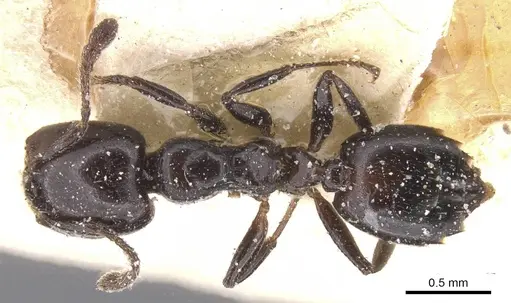
CASENT0914193
Посмотреть на AntWeb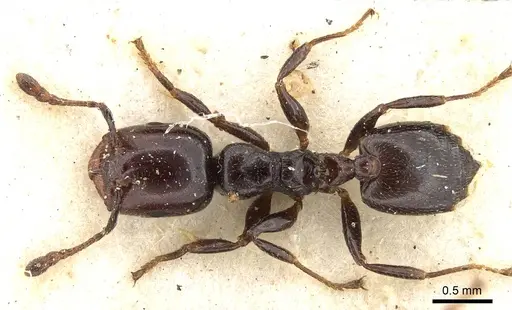
Литература
Загрузка карты распределения...Загрузка товаров...