
Crematogaster nigeriensis
- Науч. назв.
- Crematogaster nigeriensis
- Триба
- Crematogastrini
- Подсемейство
- Myrmicinae
- Автор
- Santschi, 1914
- Распространение
- Встречается в 0 странах
Введение
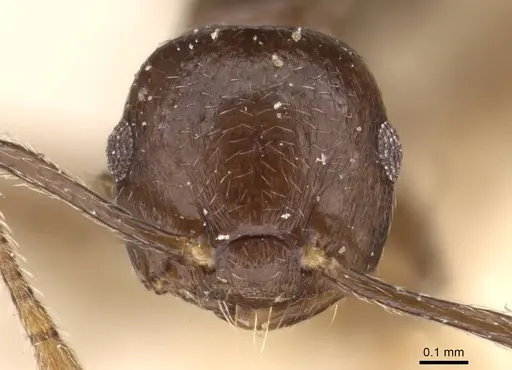
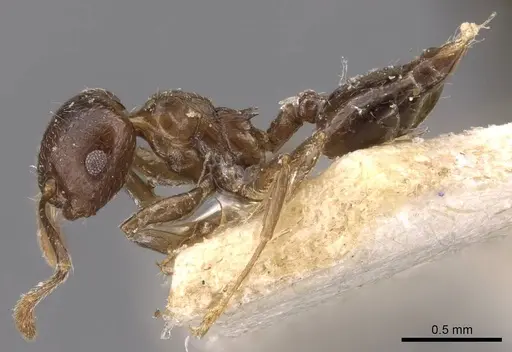
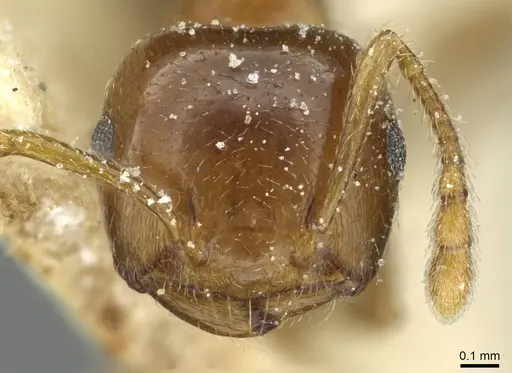
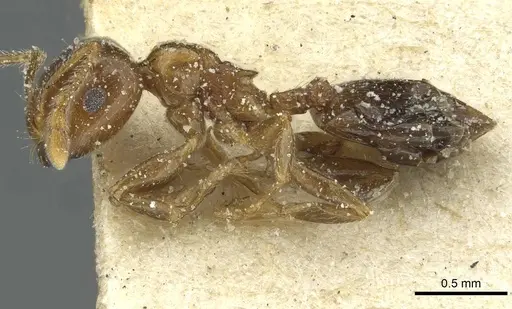
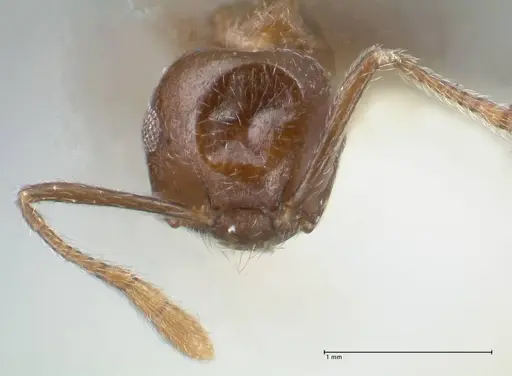
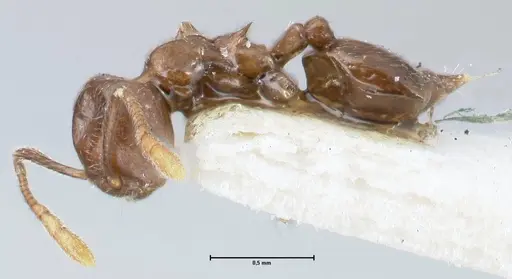
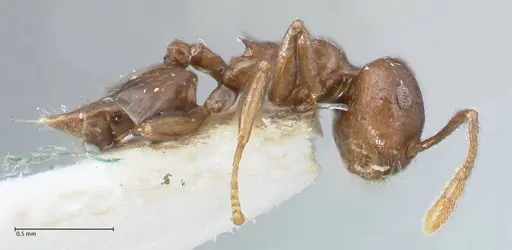
Crematogaster nigeriensis is a small, dark ant species native to West Africa, found in Nigeria and Benin . Workers have the characteristic heart-shaped abdomen typical of Crematogaster - they can raise their abdomen over their head when threatened, earning them the common name 'acrobat ants.' This species was documented nesting under bark in a mango orchard in Benin, where it was recorded as an antagonist of Oecophylla longinoda, the weaver ant . This is a rarely encountered species with limited documented information about its specific care requirements.
Quick Summary
- Difficulty: Unknown, limited keeper experience
- Origin & Habitat: West Africa (Nigeria, Benin). Found in mango orchards, nesting under bark in tropical agricultural habitats [1].
- Colony Type: Colony structure is unconfirmed.
- Size & Growth:
- Queen: Size data unavailable, no measurements exist for this species
- Worker: Size data unavailable, no measurements exist for this species
- Colony: Unknown, no colony size data available
- Growth: Unknown, no development data available
- Development: Unknown, no specific data for this species (No documented development timeline exists for this species)
- Antkeeping:
- Temperature: Keep warm at 24-28°C, this matches their tropical origin
- Humidity: Moderate to high humidity (60-80%). They naturally nest under bark in humid orchard environments
- Diapause: No, being a tropical species from West Africa, they do not require hibernation
- Nesting: Based on their natural history of nesting under bark, they do well in Y-tong (AAC) nests, plaster nests, or naturalistic setups with bark pieces
- Behavior: Crematogaster nigeriensis is an arboreal-nesting species with typical acrobat ant behaviors, workers raise their abdomen when disturbed as a defensive display. They are likely omnivorous, feeding on honeydew from aphids and small insects. Their small size means escape prevention must be excellent.
- Common Issues: no documented care information exists, this species is extremely rare in the hobby, tropical humidity requirements may lead to mold issues if ventilation is poor, small size makes them prone to escaping through standard barrier setups, no confirmed diet acceptance, may be selective feeders, unknown if they accept sugar sources
Housing and Nest Preferences
Crematogaster nigeriensis naturally nests under bark in tropical environments, so captive colonies do well in setups that mimic these conditions. A Y-tong (AAC) nest with narrow chambers works well, as does a plaster nest or a naturalistic setup with bark pieces. The key is providing tight, enclosed spaces rather than large open areas. Because they come from humid tropical orchard habitats, the nest material should retain some moisture without becoming waterlogged. Escape prevention is critical due to their very small size, use fine mesh barriers and ensure all connections are sealed tightly. [1]
Feeding and Diet
Based on typical Crematogaster feeding patterns, this species is likely omnivorous with a preference for protein sources. In their natural mango orchard habitat, they probably tend aphids for honeydew and hunt small insects. For captive care, offer small protein sources like fruit flies, pinhead crickets, and mealworm pieces. Sugar sources like honey water or sugar water may be accepted. Offer protein foods 2-3 times per week and keep a sugar source available. Remove uneaten prey after 24-48 hours to prevent mold.
Temperature and Seasonal Care
As a tropical West African species, Crematogaster nigeriensis needs warm conditions year-round. Keep the nest area at 24-28°C for optimal activity and brood development. A slight temperature gradient allows the ants to regulate their body temperature by moving between warmer and cooler areas. Unlike temperate species, they do not require a true hibernation period. Avoid temperatures below 20°C for extended periods. Use a heating cable or mat on one side of the nest if your room temperature is below their preferred range.
Behavior and Colony Dynamics
Crematogaster ants are known for their distinctive defensive behavior, when threatened, workers raise their abdomen over their head like a scorpion, which is how they got the nickname 'acrobat ants.' This display serves as a warning to potential predators. Workers are active foragers and will explore their outworld searching for food. Workers are small but determined defenders of their nest. Expect to see regular foraging activity once the colony reaches moderate size.
Defense Mechanism
Crematogaster nigeriensis has the typical Crematogastrini defense mechanism, a modified, flattened stinger used to wipe or smear venom onto enemies rather than piercing flesh. This smear defense is characteristic of the tribe.
Frequently Asked Questions
How long does it take for Crematogaster nigeriensis to produce first workers?
The exact timeline is unknown for this species. No documented development data exists for this specific species.
What do Crematogaster nigeriensis ants eat?
They are likely omnivorous like most Crematogaster species. Offer small protein sources (fruit flies, tiny insects, mealworm pieces) 2-3 times per week, and keep a sugar source (honey water or sugar water) available.
Do Crematogaster nigeriensis ants sting?
Crematogaster ants can bite and may use their stinger, but their small size means they rarely penetrate human skin. Their primary defense is raising their abdomen in a threatening display rather than actual stinging. They are not considered dangerous to humans.
Can I keep multiple Crematogaster nigeriensis queens together?
This has not been documented for this species. Based on typical Crematogaster behavior, they likely form single-queen colonies. Unless you have specific evidence that this species accepts multiple queens, it is not recommended to house more than one queen together.
What temperature do Crematogaster nigeriensis need?
Keep them warm at 24-28°C. As a tropical West African species, they do not tolerate cool temperatures well. Avoid letting temperatures drop below 20°C for extended periods.
Do Crematogaster nigeriensis need hibernation?
No, they do not require hibernation. Being a tropical species from West Africa, they need warm conditions year-round.
What size do Crematogaster nigeriensis colonies reach?
The maximum colony size is unknown for this species. No documented colony size data exists.
Are Crematogaster nigeriensis good for beginners?
This species is not recommended for beginners due to the complete lack of documented care information. Their specific requirements are unknown, and they are extremely rare in the antkeeping hobby.
How do I set up a nest for Crematogaster nigeriensis?
Based on their natural history of nesting under bark, use a Y-tong (AAC) nest, plaster nest, or naturalistic setup with bark pieces. Provide tight chambers scaled to their small size, maintain moderate to high humidity (60-80%), and ensure excellent escape prevention due to their tiny size.
Why is my Crematogaster nigeriensis colony dying?
Without documented care information, common issues likely include: temperature too low (below 20°C), humidity extremes (too dry or waterlogged), inadequate escape prevention, or unsuitable food. Review each of these factors and adjust gradually.
Report an Issue
The current care sheet is based fully on literature. See inconsistencies, or something that's incorrect? Please , it will be resolved after review from an admin. Contributing to the blogs tab also helps providing information, to make us be able to further improve the caresheets. Thank you for your support!
References

Эта инструкция по уходу лицензирована по CC BY-SA 4.0 .
Блоги сообщества
CASENT0908612
Посмотреть на AntWeb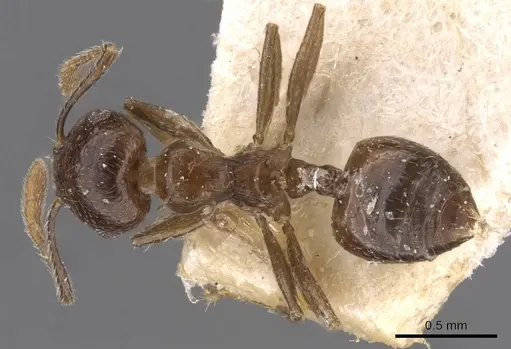
CASENT0912809
Посмотреть на AntWeb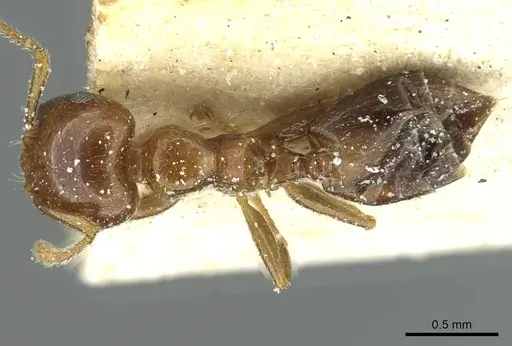
FOCOL1525
Посмотреть на AntWeb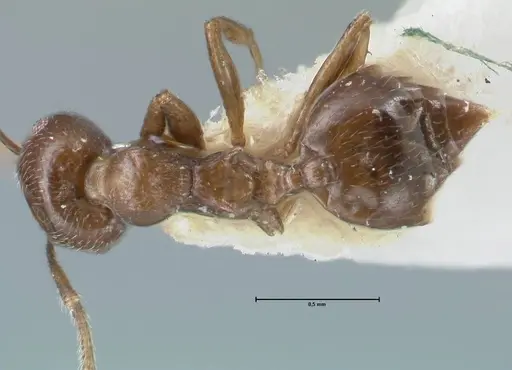
Литература
Загрузка карты распределения...Загрузка товаров...