
Crematogaster mancocapaci
- Науч. назв.
- Crematogaster mancocapaci
- Подрод
- Orthocrema
- Триба
- Crematogastrini
- Подсемейство
- Myrmicinae
- Автор
- Santschi, 1911
- Распространение
- Встречается в 0 странах
Введение
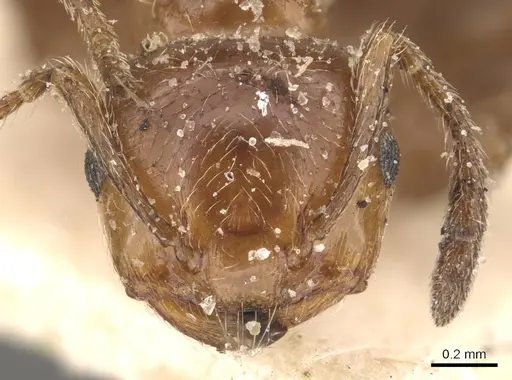
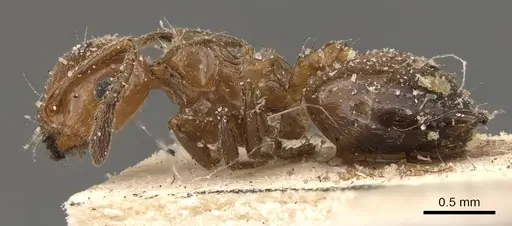
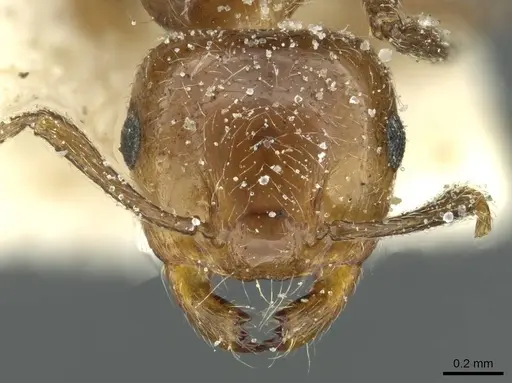
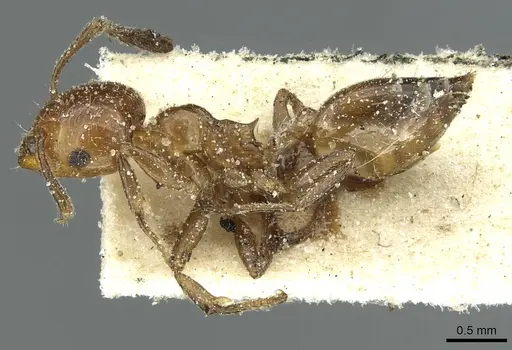
Crematogaster mancocapaci is a high-elevation ant known only from Ecuador. Workers are large for the genus with sparse, long flexuous setae, a 3-segmented antennal club, short upturned propodeal spines, and a strong anteroventral petiolar tooth . The postpetiole is broad and slightly grooved. Longino raised this taxon to full species status from a subspecies of Crematogaster brevispinosa in 2003 . The type locality at Chillacocha sits at 3900m elevation . Distribution is confirmed for Ecuador and probable for Colombia .
Quick Summary
- Difficulty: Hard
- Origin & Habitat: Ecuador (Chillacocha,3900m elevation), probable Colombia [3][1]. High-elevation Neotropical environment.
- Colony Type: Unknown.
- Size & Growth:
- Queen: Size data unavailable.
- Worker: Size data unavailable, workers are described as large for the genus [1].
- Colony: Unknown.
- Growth: Unknown.
- Development: Unknown. (No development data exists for this species.)
- Antkeeping:
- Behavior: Possesses smear-type defense typical of tribe Crematogastrini, wipes venom on enemies with a flattened stinger rather than piercing. Temperament is unconfirmed for this species.
- Common Issues: no data exists on colony founding behavior., high-elevation origin may require specialized cool-temperature care., extremely limited distribution makes obtaining colonies difficult., no confirmed development timelines or colony size limits.
Nest Preferences
Nesting biology is unconfirmed for Crematogaster mancocapaci. Most Crematogaster nest in rotting wood, under bark, or in soil cavities [1]. For captive care, provide a naturalistic setup with cork bark or a Y-tong (AAC) nest with moderate humidity retention.
Feeding and Diet
Feeding habits are unconfirmed. Crematogaster species are generally omnivorous, feeding on honeydew, nectar, and small insects [1]. Offer sugar water and small prey items like fruit flies or pinhead crickets.
Temperature and Care
Temperature requirements are unknown. The type locality at 3900m elevation suggests this species experiences cool conditions in the wild [1]. Avoid high heat.
Behavior and Defense
This species belongs to tribe Crematogastrini, which possess a modified flattened stinger used to smear venom on attackers rather than pierce flesh. Workers may display the characteristic raised-abdomen posture when disturbed.
Colony Founding
Founding behavior is unconfirmed.
Seasonal Care
Seasonal requirements are unknown. High-elevation species often experience seasonal temperature shifts, but specific diapause needs for this species are undocumented.
Frequently Asked Questions
How long does it take for Crematogaster mancocapaci to produce first workers?
Unknown. No development data exists for this species.
What temperature is best for Crematogaster mancocapaci?
Unknown. The 3900m elevation origin suggests cool conditions, but specific requirements are unstudied [1].
Do Crematogaster mancocapaci ants sting?
They possess a smear-type defense typical of tribe Crematogastrini, wiping venom on enemies with a flattened stinger rather than piercing. They are too small to harm humans.
What do Crematogaster mancocapaci eat?
Unconfirmed. Likely omnivorous based on genus patterns [1].
Is Crematogaster mancocapaci good for beginners?
No. This species is known only from type specimens at 3900m elevation with no established care guidelines.
How big do Crematogaster mancocapaci colonies get?
Unknown.
Do I need to hibernate Crematogaster mancocapaci?
Unknown. High-elevation origin suggests possible seasonal slowdown, but no data confirms this.
Can I keep multiple Crematogaster mancocapaci queens together?
Unknown. Most Crematogaster are monogyne, but this is unconfirmed for this species.
What nest type is best for Crematogaster mancocapaci?
Unconfirmed. Provide naturalistic options like cork bark or Y-tong (AAC) [1].
Where is Crematogaster mancocapaci found in the wild?
Only confirmed from Chillacocha, Ecuador (3900m) [1]. Probable in Colombia [3].
Report an Issue
The current care sheet is based fully on literature. See inconsistencies, or something that's incorrect? Please , it will be resolved after review from an admin. Contributing to the blogs tab also helps providing information, to make us be able to further improve the caresheets. Thank you for your support!
References

Эта инструкция по уходу лицензирована по CC BY-SA 4.0 .
Блоги сообщества
CASENT0908396
Посмотреть на AntWeb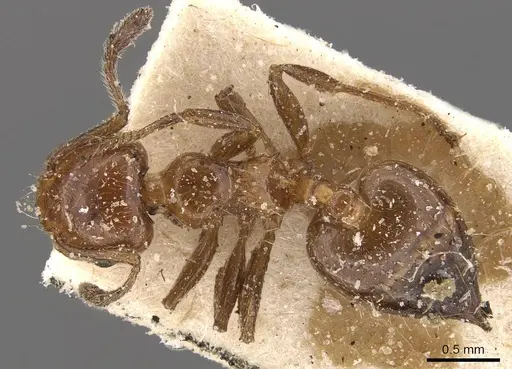
CASENT0912756
Посмотреть на AntWeb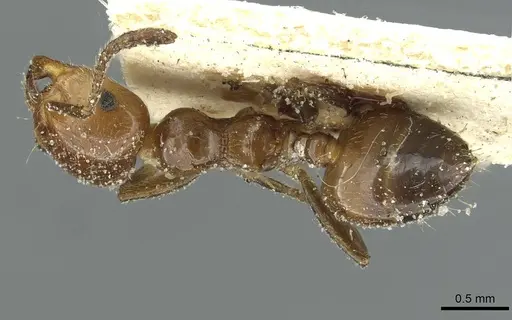
Литература
Загрузка карты распределения...Загрузка товаров...