
Crematogaster jacobsoni
- Науч. назв.
- Crematogaster jacobsoni
- Триба
- Crematogastrini
- Подсемейство
- Myrmicinae
- Автор
- Forel, 1911
- Распространение
- Встречается в 1 странах
Введение
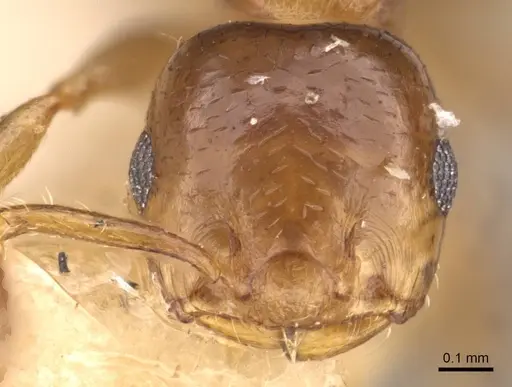
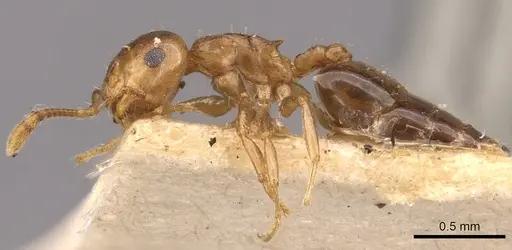
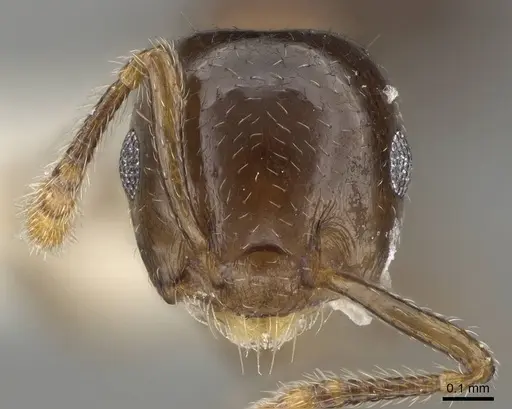
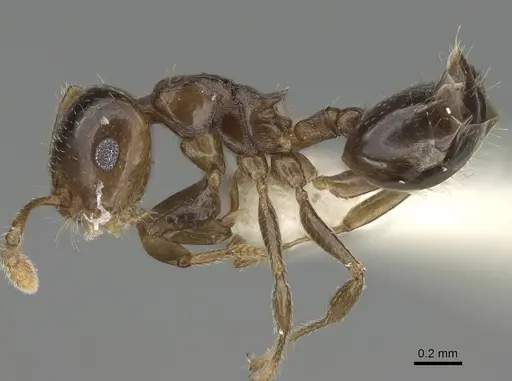
Crematogaster jacobsoni is a small myrmicine ant species originally described from Java, Indonesia. Workers are characterized by developed occipital carinae, a petiole that is weakly broader toward the front without angular corners, and a postpetiole that is weakly bilobed with a longitudinal median groove. This species belongs to the subgenus Crematogaster and is similar to Crematogaster semperi and Crematogaster simoni. The genus Crematogaster is known for their distinctive heart-shaped gaster that they can raise and curl over their body when threatened, giving them the common name 'acrobat ants'.
Quick Summary
- Difficulty: Medium
- Origin & Habitat: This species is known only from Java, Indonesia, specifically from the Semarang region. The original collection data indicates a tropical forest habitat, though specific nesting preferences are not documented in available literature. As a Crematogaster species, they likely nest in dead wood, under bark, or in arboreal locations typical of this genus. [1][2]
- Colony Type: Colony structure is unconfirmed. Based on typical Crematogaster patterns, colonies likely establish with a single queen but further research is needed to confirm the exact colony structure for this specific species.
- Size & Growth:
- Queen: Size data unavailable, no specific measurements exist for this species. Based on typical Crematogaster genus patterns, queens are likely in the 5-8mm range.
- Worker: Size data unavailable, no specific measurements exist for this species. Based on typical Crematogaster genus patterns, workers are likely in the 2-4mm range.
- Colony: Colony size data unavailable, estimated up to several hundred workers based on typical Crematogaster colony sizes.
- Growth: Growth rate data unavailable, estimated as moderate based on genus patterns.
- Development: Timeline unconfirmed, estimated 6-8 weeks at optimal tropical temperatures based on related Crematogaster species. (Development timeline is estimated from related Crematogaster species, specific data for Crematogaster jacobsoni is not available.)
- Antkeeping:
- Temperature: Temperature requirements are unconfirmed for this species. As a tropical species from Java, they likely prefer warm conditions (24-28°C). Start around this range and observe colony behavior.
- Humidity: Humidity requirements are unconfirmed. Keep the nest substrate slightly moist but not waterlogged. Provide a water tube for drinking water.
- Diapause: Diapause requirements are unconfirmed, as a tropical species from Java, they likely do not require hibernation.
- Nesting: Best kept in a Y-tong (AAC) nest, plaster nest, or naturalistic setup with dead wood pieces. They prefer tight chambers and will often nest in pre-existing cavities. Avoid very dry conditions.
- Behavior: Crematogaster jacobsoni will likely show typical Crematogaster behaviors: they are active foragers, often tending aphids for honeydew, and will raise their heart-shaped gaster in a defensive display when threatened. Workers are moderately sized and can squeeze through small gaps. Escape prevention should be moderate, they are not as small as some myrmicines but still capable of escaping through fine mesh. They are generally not aggressive toward keepers but will defend their nest vigorously.
- Common Issues: tropical species may struggle in cooler climates without heating, escape prevention needed, use fluon on edges and ensure tight-fitting lids, colonies may be slow to establish initially, patience is required, overfeeding can lead to mold issues in the nest, wild-caught colonies may have parasites that can devastate captive colonies, limited species-specific care information available
Nest Preferences and Housing
Crematogaster jacobsoni can be kept in various nest types, but Y-tong (AAC) nests work exceptionally well for this genus. The tight chambers mimic their natural preference for nesting in pre-existing cavities within dead wood or under bark. Plaster nests are also suitable, providing good humidity control. For a naturalistic setup, include pieces of dead wood or cork bark. Ensure the outworld provides adequate foraging space and escape prevention measures are in place. A water test tube should always be available for drinking water. [2]
Feeding and Diet
Like most Crematogaster species, Crematogaster jacobsoni is omnivorous and will accept a variety of foods. Their diet in nature typically includes honeydew from aphids and scale insects, small insects, and nectar. In captivity, offer sugar water or honey water as a constant energy source. For protein, provide small insects such as fruit flies, small crickets, mealworms, or other appropriately-sized prey. They are not specialized predators, so any small arthropods will likely be accepted. Feed protein sources 2-3 times per week, and ensure sugar water is always available. Remove uneaten prey after 24-48 hours to prevent mold. [2]
Temperature and Seasonal Care
Temperature requirements are unconfirmed for Crematogaster jacobsoni. As a tropical species from Java, Indonesia, they likely require warm temperatures to thrive. Based on genus patterns, maintain nest temperatures between 24-28°C. A heating cable placed on one side of the nest can create a gentle thermal gradient, allowing the ants to regulate their temperature by moving between warmer and cooler areas. Room temperature may be sufficient if your home stays above 24°C, but supplemental heating is often beneficial. Unlike temperate species, they likely do not require a true hibernation period. Avoid sudden temperature changes and keep them away from air conditioning vents. [1]
Behavior and Temperament
Crematogaster ants are known for their distinctive defensive behavior, when threatened, workers raise their heart-shaped gaster over their body, resembling an acrobat. This gives them their common name 'acrobat ants'. They are generally not aggressive toward keepers but will defend their nest vigorously if disturbed. Workers are active foragers and will establish foraging trails to food sources. They can be kept in moderate-sized colonies and are generally manageable for antkeepers with some experience. Watch for escape attempts, while not among the smallest ants, they can still squeeze through gaps in housing. [2]
Colony Establishment and Growth
When establishing a colony from a founding queen, provide her with a small test tube setup with a water reservoir. Based on typical genus patterns, she will likely seal herself into a chamber and lay eggs, raising the first workers (nanitics) alone. This claustral founding behavior is typical of the genus. The first workers will be smaller than mature workers but will begin foraging for food to feed subsequent brood. Colony growth is moderate, expect the first major worker batches within 1-2 months under optimal conditions. Growth rate will depend heavily on temperature and feeding frequency. Once the colony reaches 50+ workers, you can consider moving them to a larger formicarium if needed.
Frequently Asked Questions
How long does it take for Crematogaster jacobsoni to produce first workers?
Expect first workers (nanitics) within 6-8 weeks under optimal conditions (24-28°C). This timeline is estimated from related Crematogaster species, as specific development data for Crematogaster jacobsoni is not available. The queen will remain in the nest chamber, sealed in, until her first workers emerge.
What do Crematogaster jacobsoni ants eat?
They are omnivorous. Offer sugar water or honey water constantly as an energy source. For protein, feed small insects like fruit flies, small crickets, or mealworms 2-3 times per week. They will also collect honeydew if aphids are available.
Do Crematogaster jacobsoni ants sting?
Crematogaster ants can sting, but their stingers are small and the venom is generally mild. Most keepers experience at most a minor burning sensation. Their primary defense is raising their gaster and excreting formic acid, which is more of an irritant than a serious threat to humans.
What temperature is best for keeping Crematogaster jacobsoni?
Temperature requirements are unconfirmed for this species. As a tropical species from Java, they likely need warm conditions. Based on genus patterns,24-28°C is recommended. A heating cable on one side of the nest can help maintain optimal temperatures.
Do Crematogaster jacobsoni need hibernation?
Diapause requirements are unconfirmed. As a tropical species from Indonesia, they likely do not require hibernation and are active year-round when kept warm.
Can I keep multiple Crematogaster jacobsoni queens together?
This is not recommended. While some Crematogaster species can form multi-queen colonies, colony type is unconfirmed for this specific species. Combining unrelated foundress queens often leads to fighting. It is best to start with a single queen colony.
How big do Crematogaster jacobsoni colonies get?
Colony size is not documented specifically for this species. Based on typical Crematogaster patterns, colonies likely reach several hundred workers.
What size escape prevention do I need for Crematogaster jacobsoni?
Use standard escape prevention measures: fluon on nest edges, tight-fitting lids, and ensure any ventilation holes are covered with fine mesh. While not among the smallest ants, they can still escape through small gaps. Check connections regularly.
Is Crematogaster jacobsoni good for beginners?
This species is rated as Medium difficulty. While not the most challenging species, the limited available care information and their tropical temperature requirements make them better suited for antkeepers with some experience. Beginners may want to start with more documented species.
When should I move my colony to a formicarium?
Move to a larger nest when the colony reaches 50-100 workers and the test tube setup becomes crowded. Crematogaster ants often prefer to move into pre-existing cavities, so a Y-tong or plaster nest with appropriate chamber sizes works well.
Report an Issue
The current care sheet is based fully on literature. See inconsistencies, or something that's incorrect? Please , it will be resolved after review from an admin. Contributing to the blogs tab also helps providing information, to make us be able to further improve the caresheets. Thank you for your support!
References

Эта инструкция по уходу лицензирована по CC BY-SA 4.0 .
Блоги сообщества
CASENT0908369
Посмотреть на AntWeb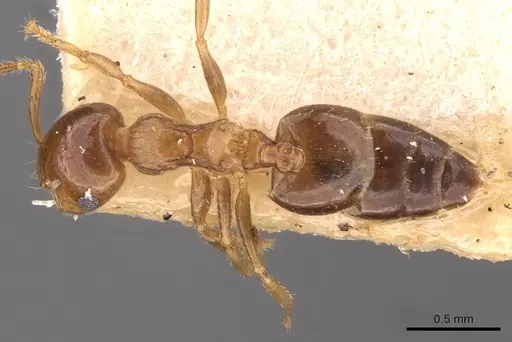
CASENT0919941
Посмотреть на AntWeb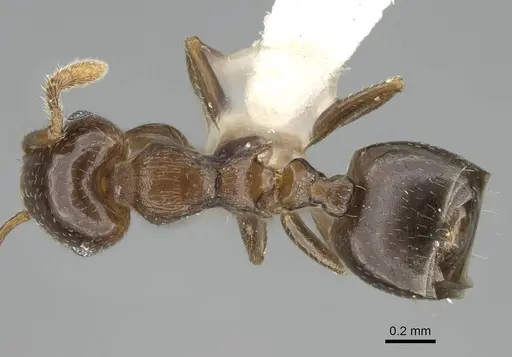
Литература
Загрузка карты распределения...Загрузка товаров...