
Crematogaster aculeata
- Науч. назв.
- Crematogaster aculeata
- Подрод
- Orthocrema
- Триба
- Crematogastrini
- Подсемейство
- Myrmicinae
- Автор
- Donisthorpe, 1941
- Распространение
- Встречается в 0 странах
Введение
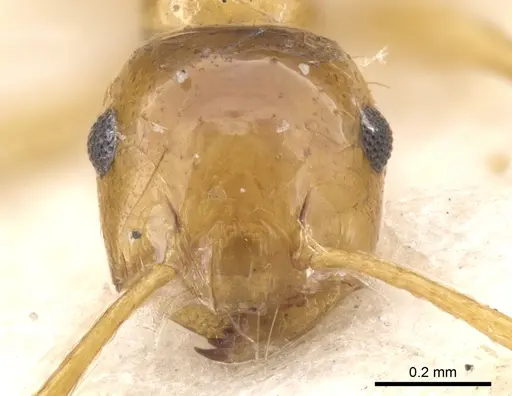
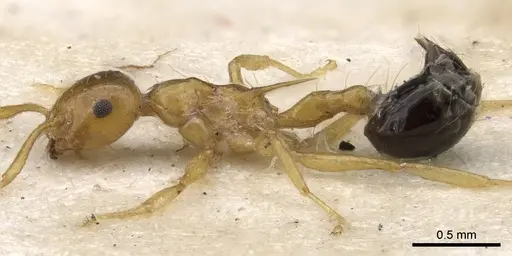
Crematogaster aculeata is a small ant species native to the island of New Guinea in Indonesia, specifically found in the Cyclops Mountains of Irian Jaya at elevations around 2000 feet . Workers display the characteristic heart-shaped abdomen that gives Crematogaster their common name 'acrobat ants' - when disturbed, they raise their abdomen like an acrobat balancing on their hands. The species was described by Donisthorpe in 1941 and is classified in the Orthocrema clade, a group within the genus Crematogaster . This species is poorly documented in scientific literature. In the wild, Crematogaster species typically nest in rotting wood, under bark, or in hollow twigs in forested areas. They are arboreal to semi-arboreal, often found in canopy environments. Their small size and secretive nesting habits make them a challenging species for antkeepers with some experience.
Quick Summary
- Difficulty: Medium
- Origin & Habitat: Native to New Guinea, specifically Irian Jaya in Indonesia. Found in the Cyclops Mountains at elevations around 2000 feet. In the wild, Crematogaster species typically nest in rotting wood, under bark, and in hollow twigs in forested environments [1][2].
- Colony Type: Colony structure is unconfirmed for this specific species. Without specific research on C. aculeata, the colony structure should be considered unknown.
- Size & Growth:
- Queen: Size data unavailable, no specific measurements exist for this species
- Worker: Size data unavailable, no specific measurements exist for this species
- Colony: Colony size data unavailable for this species
- Growth: Growth rate is unconfirmed
- Development: Development timeline is unconfirmed for this species (No species-specific development data exists.)
- Antkeeping:
- Temperature: Keep nest area around 22-26°C. Based on their New Guinea origin, they prefer warm but not hot conditions. A gentle temperature gradient allows workers to regulate their exposure.
- Humidity: Moderate to high humidity, around 60-80%. These forest-dwelling ants need moisture but also ventilation to prevent mold. Keep the nest substrate slightly moist but not waterlogged, with some drier areas available.
- Diapause: Unknown, New Guinea has minimal seasonal temperature variation, so this species may not require a traditional diapause.
- Nesting: In captivity, they do well in Y-tong (AAC) nests, plaster nests, or naturalistic setups with rotting wood. They prefer tight, enclosed spaces that mimic their natural hollow twig and rotting wood habitats. Avoid large, open spaces.
- Behavior: Crematogaster aculeata will likely show typical genus behavior: they are generally non-aggressive but will defend their nest vigorously if threatened. Workers are active foragers and will tend aphids for honeydew. They have a distinctive defensive behavior where they raise their abdomen when disturbed, this is where the 'acrobat ant' name comes from. Their small size means escape prevention is important, they can slip through small gaps. They are not known to sting but may bite if handled roughly. As members of the Myrmicinae subfamily, they possess a modified, flattened stinger used to smear venom onto enemies rather than pierce flesh.
- Common Issues: escape prevention is critical due to their very small size, use fine mesh and tight-fitting lids, colonies may be slow to establish initially, patience is required during founding phase, wild-caught colonies may have parasites that can decimate the colony in captivity, overfeeding can lead to mold issues in their enclosed nest spaces, temperature fluctuations can stress colonies, avoid placing nests near windows or heating vents
Nest Preferences and Housing
Crematogaster aculeata prefers enclosed nest spaces that mimic their natural hollow twig and rotting wood habitat. Y-tong (AAC) nests work well because they provide the tight chambers and passages these small ants prefer. Plaster nests are also suitable, as they allow you to maintain appropriate humidity levels. Naturalistic setups with pieces of rotting wood or cork bark can replicate their wild environment and make for an attractive display. Avoid large, open formicaria designed for larger ants, these tiny ants feel exposed and stressed in spacious enclosures. The nest should have multiple small chambers connected by narrow tunnels. A test tube setup can work for founding colonies, but you may need to move them to a more elaborate setup as the colony grows. [1]
Feeding and Diet
Like other Crematogaster species, C. aculeata likely has an omnivorous diet with a preference for sweet substances. In captivity, offer sugar water, honey, or diluted honey water as a constant carbohydrate source. For protein, provide small insects such as fruit flies, pinhead crickets, small mealworms, or other appropriately-sized prey. They will also likely accept honeydew if you keep aphids or scale insects as a food source. Feed protein prey 2-3 times per week, and ensure a sugar source is always available. Remove uneaten prey after 24-48 hours to prevent mold. These ants are foragers, so place food in the outworld where workers can easily access it.
Temperature and Seasonal Care
Keep your colony at temperatures between 22-26°C, which mimics the warm, stable conditions of their New Guinea habitat. Room temperature is typically suitable, but you may need a small heating cable or mat during colder months if your room temperature drops below 20°C. Place heating on one side of the nest to create a temperature gradient so ants can choose their preferred zone. Regarding diapause: New Guinea has minimal seasonal temperature variation, so this species may not require a true hibernation period. However, a slight reduction in temperature by 2-4°C during winter months may be appropriate and could stimulate breeding activity in spring. Monitor your colony, if they remain active throughout winter, they likely do not need a formal diapause.
Behavior and Temperament
Crematogaster aculeata will display the characteristic acrobat behavior common to the genus, when threatened, workers raise their abdomen high, balancing on their front legs like a handstand. This is a defensive posture and serves to present their abdominal glands toward the threat. They are not particularly aggressive toward humans and rarely bite, but they will vigorously defend their nest if disturbed. Workers are active foragers and will explore their outworld extensively in search of food. Their small size makes them excellent climbers, and they may attempt to explore vertical surfaces. This species is best suited for antkeepers who enjoy observing subtle, active ant behavior rather than dramatic defensive displays.
Colony Establishment and Growth
Establishing a colony of Crematogaster aculeata requires patience. If starting with a founding queen, she will need a secure small chamber to raise her first brood. The founding phase can take several months. The first workers will likely be smaller than normal workers and may take time to establish a foraging pattern. Colony growth depends heavily on temperature and feeding frequency. Avoid disturbing the nest during the founding phase, as this can cause the queen to abandon or consume her brood.
Frequently Asked Questions
How long does it take for Crematogaster aculeata to produce first workers?
Development timeline is unconfirmed for this species. Based on typical Crematogaster patterns, expect several months for first workers to emerge, but exact timing is unknown.
Can I keep Crematogaster aculeata in a test tube setup?
Yes, test tubes work well for founding colonies. Use a small test tube with a water reservoir secured with a cotton plug. The tight space mimics their natural hollow twig habitat. You may need to connect multiple test tubes or transition to a formicarium as the colony grows.
Do Crematogaster aculeata ants sting?
Crematogaster ants have a modified stinger used to smear venom rather than pierce. Their primary defense is the acrobat behavior, raising the abdomen, and they may bite if handled roughly. For keepers, they are considered non-threatening.
What do Crematogaster aculeata eat?
They are omnivorous with a preference for sweets. Offer sugar water, honey, or diluted honey water as a constant carbohydrate source. For protein, provide small insects like fruit flies, pinhead crickets, or small mealworms 2-3 times per week.
Are Crematogaster aculeata good for beginners?
This species is rated as medium difficulty and is better suited for antkeepers with some experience. Their small size requires careful attention to escape prevention, and their slow colony establishment may test beginner patience.
How big do Crematogaster aculeata colonies get?
Colony size data is unavailable for this species. Maximum colony size is unconfirmed.
Do Crematogaster aculeata need hibernation?
Likely no true hibernation required due to their New Guinea origin. A slight temperature reduction during winter months may be beneficial, but monitor your colony. If they remain active, they do not need formal diapause.
Why are my Crematogaster aculeata dying?
Common causes include: temperature fluctuations, improper humidity, escape through tiny gaps, stress from disturbance during founding, or parasites from wild-caught colonies. Review each of these factors and adjust accordingly.
When should I move my colony to a formicarium?
Move to a formicarium when the test tube or founding setup becomes crowded. Ensure the new setup has appropriately sized chambers for their tiny size.
Can I keep multiple Crematogaster aculeata queens together?
Not recommended without documented research on this species. Most Crematogaster are monogyne, and combining unrelated queens typically results in fighting. If you have multiple founding queens, house them separately.
Report an Issue
The current care sheet is based fully on literature. See inconsistencies, or something that's incorrect? Please , it will be resolved after review from an admin. Contributing to the blogs tab also helps providing information, to make us be able to further improve the caresheets. Thank you for your support!
References

Эта инструкция по уходу лицензирована по CC BY-SA 4.0 .
Блоги сообщества
CASENT0193600
Посмотреть на AntWeb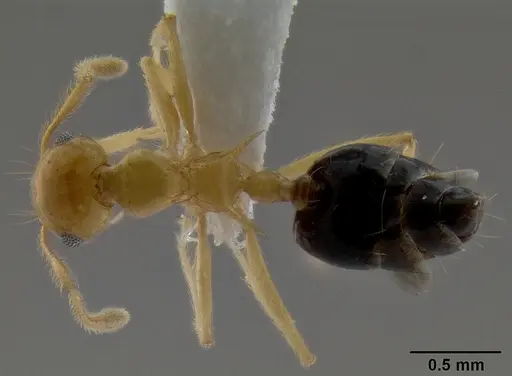
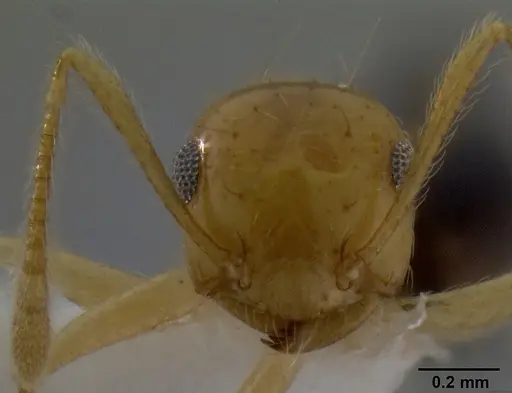
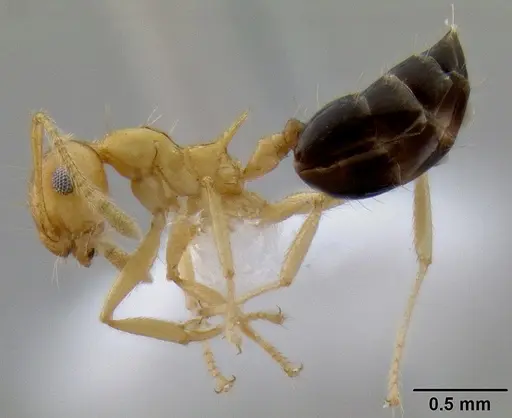
CASENT0902115
Посмотреть на AntWeb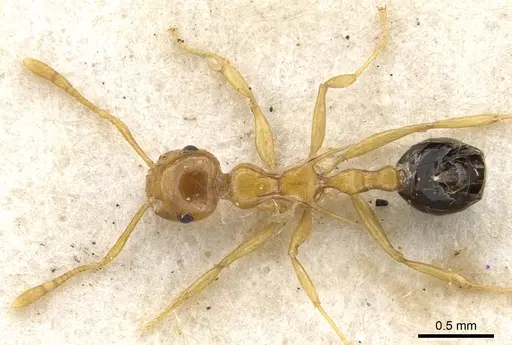
Литература
Загрузка карты распределения...Загрузка товаров...