
Colobopsis moeschi
- Науч. назв.
- Colobopsis moeschi
- Триба
- Camponotini
- Подсемейство
- Formicinae
- Автор
- Forel, 1910
- Распространение
- Встречается в 0 странах
Введение
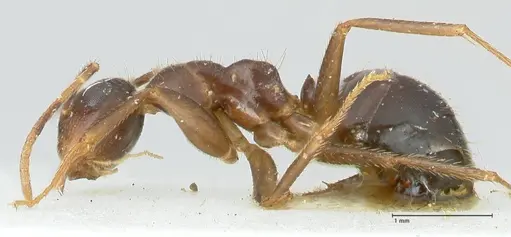
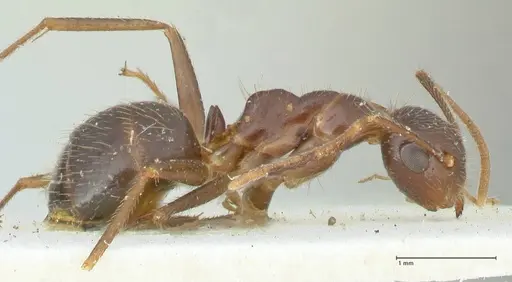
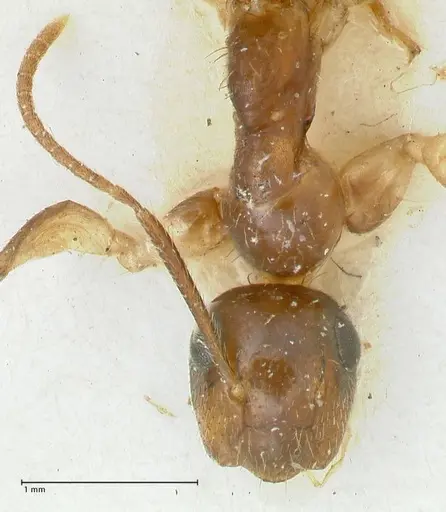
Colobopsis moeschi is a small to medium-sized ant native to the Indomalayan region, found in Borneo, Brunei, Indonesia (Sumatra), and Peninsular Malaysia. This species was recently reclassified from Camponotus to Colobopsis based on distinctive worker morphology, particularly the positioning of antennal insertions and the narrow clypeus structure . These ants are arboreal canopy dwellers, collected primarily in lowland dipterocarp forests using canopy-level sampling methods . The genus Colobopsis is known for its unique defensive behavior where specialized workers use their distinctly shaped heads to seal nest entrances, protecting the colony from predators and intruders.
Quick Summary
- Difficulty: Medium
- Origin & Habitat: Native to Borneo, Brunei, Sumatra, and Peninsular Malaysia. Inhabits lowland dipterocarp forests at canopy level [2][3]. The tropical rainforest environment provides consistent warmth and high humidity year-round.
- Colony Type: Colony structure is unconfirmed. Based on typical Colobopsis and Camponotus patterns, likely single-queen (monogyne) colonies, but this has not been directly documented for this species.
- Size & Growth:
- Queen: Size data unavailable, inferred from Colobopsis genus patterns (~7-9mm)
- Worker: Size data unavailable, inferred from Camponotus/Colobopsis genus ranges (~4-7mm) [1]
- Colony: Colony size data unavailable for this species
- Growth: Growth rate data unavailable, inferred from Camponotini patterns as moderate
- Development: Estimated 6-8 weeks at optimal tropical temperatures based on related Camponotus species (Development time is estimated from genus-level data since no species-specific research exists.)
- Antkeeping:
- Temperature: Keep at 24-28°C. These are tropical ants from lowland forests, so they need warm, stable conditions. A heating cable on one side of the nest creates a suitable gradient. Room temperature may suffice if your home stays in this range.
- Humidity: Maintain high humidity (70-85%). These canopy-dwelling ants prefer consistently moist conditions. Keep the nest substrate damp but not waterlogged, with some drier areas available for the ants to regulate their own moisture exposure.
- Diapause: Unlikely required. As a tropical species from Borneo and Sumatra, they do not experience cold winters that would trigger hibernation.
- Nesting: Arboreal species, they naturally nest in dead wood, tree hollows, and bamboo. In captivity, a Y-tong (AAC) nest or plaster nest with wooden inserts works well. Provide a water reservoir to maintain humidity.
- Behavior: Generally peaceful and non-aggressive toward keepers. Workers are active foragers but not particularly defensive. They are arboreal by nature, so they spend more time climbing than ground-dwelling species. Escape risk is moderate, their small to medium size means standard barrier methods (Fluon) are sufficient. They do not sting, though they may bite if provoked. Workers emit formic acid when threatened, similar to other Formicinae ants.
- Common Issues: high humidity requirements can lead to mold growth if ventilation is inadequate, tropical species may struggle in air-conditioned rooms or cool climates, arboreal nesting means they need vertical space and climbing surfaces in the outworld, wild-caught colonies may have canopy-dwelling parasites not adapted to captive conditions, slow colony growth may frustrate beginners expecting rapid development
Housing and Nest Setup
Colobopsis moeschi is an arboreal species that naturally nests in dead wood, tree hollows, and bamboo cavities in tropical forests. In captivity, Y-tong (AAC) nests work exceptionally well because they provide the dark, humid environment these ants prefer while allowing you to easily monitor the colony. Plaster nests with wooden inserts are another excellent option, as they hold humidity well and mimic natural wood cavities. The outworld should include vertical structures for climbing, as these ants are comfortable moving up and around. Cork or fake plants give them natural-looking surfaces to explore. A test tube setup works for founding colonies, use a small test tube with a water reservoir, wrapped in dark material to simulate a natural cavity. Move to a larger nest once the colony reaches a stable worker population. [2][3]
Feeding and Diet
Like other Formicinae ants, Colobopsis moeschi is omnivorous with a preference for sugary liquids and protein. Offer sugar water, honey, or diluted maple syrup as a constant energy source. For protein, provide small insects like fruit flies, pinhead crickets, or mealworms. Based on typical Colobopsis and Camponotus feeding patterns, they likely also collect honeydew from aphids in the wild, so occasional sweet treats are appreciated. Feed protein prey several times per week, removing any uneaten prey after 24 hours. Fresh water should always be available. These ants are not specialized predators, so a varied diet of proteins and sugars works well.
Temperature and Humidity Management
As a tropical species from lowland Borneo and Sumatra forests, Colobopsis moeschi requires warm, humid conditions year-round. Maintain temperatures between 24-28°C using a heating cable placed on one side of the nest if your room temperature falls below this range. Avoid temperatures below 22°C as prolonged cool conditions can weaken and kill colonies. Humidity should remain high at 70-85%, check the nest substrate regularly and rehydrate when it begins drying. A water reservoir attached to the nest helps maintain consistent humidity. Good ventilation is essential to prevent mold, but avoid placing the nest in direct airflow from fans or air conditioners. [2]
Colony Development and Growth
Colony growth is expected to be moderate, with the first workers (nanitics) appearing around 6-8 weeks after the queen lays eggs, based on typical Camponotini development timelines. Nanitics are typically smaller than mature workers but will quickly be replaced by normally-sized workers as the colony expands. A healthy founding colony should develop steadily under optimal conditions. The queen will continue laying eggs throughout the year in warm conditions, with no seasonal slowdowns typical of temperate species. Patience is key, tropical arboreal species often grow more slowly than ground-nesting ants initially, but accelerate once the colony establishes a strong worker force.
Behavior and Temperament
Colobopsis moeschi is a calm, non-aggressive species that handles well even when disturbed. Workers are active and curious, exploring the outworld regularly in search of food. Like other Formicinae, they can emit formic acid as a defensive secretion when threatened, but this is mild and rarely problematic for keepers. The genus name 'Colobopsis' comes from Greek words meaning 'I will cut in pieces', referring to their ability to defend nest entrances with their uniquely shaped heads. Specialized workers may plug nest entrances with their cylindrical head capsules, a behavior that protects the colony. Workers are good climbers and will readily ascend plants, mesh, and other surfaces. Standard escape prevention with Fluon on container edges is sufficient for this species. [1][3]
Frequently Asked Questions
How long does it take for Colobopsis moeschi to produce first workers?
Expect first workers (nanitics) to emerge around 6-8 weeks after the queen begins laying eggs, assuming optimal temperatures of 24-28°C. This estimate is based on typical Camponotini development patterns since species-specific data is not available.
What is the best nest type for Colobopsis moeschi?
Y-tong (AAC) nests or plaster nests with wooden inserts work best. These mimic their natural arboreal nesting sites in dead wood and tree hollows while maintaining the high humidity they need.
What temperature do Colobopsis moeschi need?
Keep them at 24-28°C. These tropical ants need consistent warmth and will struggle if temperatures drop below 22°C for extended periods.
How often should I feed Colobopsis moeschi?
Offer sugar water or honey constantly as an energy source. Feed protein (small insects) several times per week. Remove uneaten prey after 24 hours to prevent mold.
Do Colobopsis moeschi need hibernation?
No, hibernation is not required. As a tropical species from Borneo and Sumatra, they do not experience cold winters. Maintaining consistent warm temperatures year-round is best for colony health.
How big do Colobopsis moeschi colonies get?
Colony size data is not available for this species. Based on typical Colobopsis and Camponotus patterns, mature colonies likely reach several hundred workers over several years, but this is an estimate.
Are Colobopsis moeschi good for beginners?
They are moderate difficulty. The main challenges are maintaining high humidity and warm temperatures year-round. If you can provide these conditions consistently, they are rewarding ants to keep.
Can I keep multiple Colobopsis moeschi queens together?
This has not been documented. Based on typical Camponotini patterns, they likely form single-queen colonies. Combining unrelated queens is not recommended without evidence they can coexist.
Why is my Colobopsis moeschi colony dying?
Common causes include: temperatures below 22°C, humidity too low, mold from poor ventilation, or stress from too much handling. Check these parameters first and adjust accordingly.
Report an Issue
The current care sheet is based fully on literature. See inconsistencies, or something that's incorrect? Please , it will be resolved after review from an admin. Contributing to the blogs tab also helps providing information, to make us be able to further improve the caresheets. Thank you for your support!
References

Эта инструкция по уходу лицензирована по CC BY-SA 4.0 .
Блоги сообщества
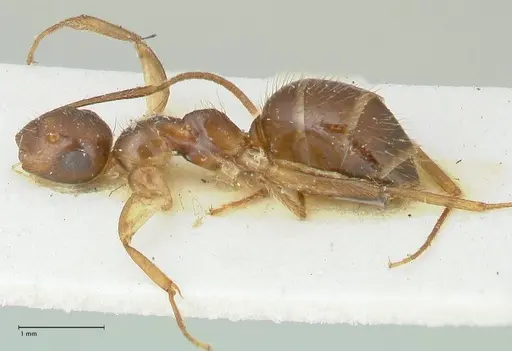
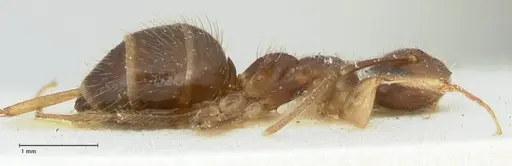
CASENT0910545
Посмотреть на AntWeb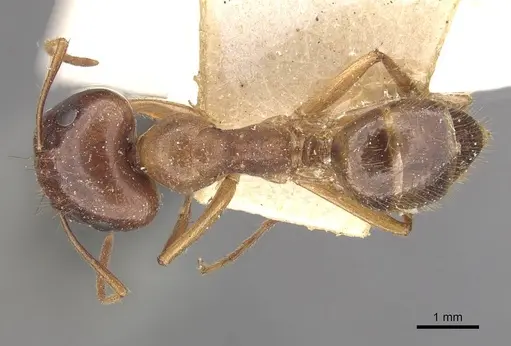
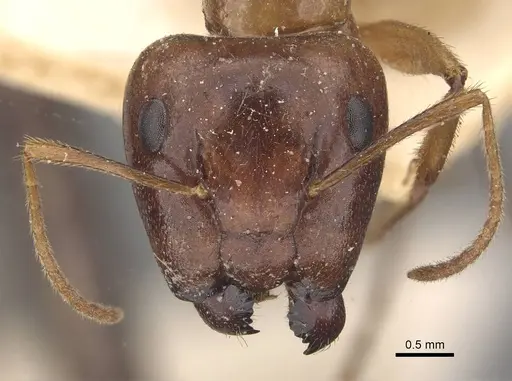
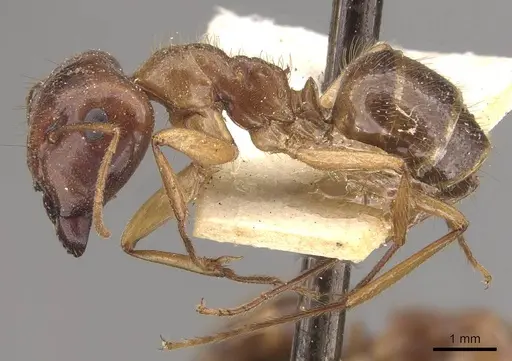
CASENT0910546
Посмотреть на AntWeb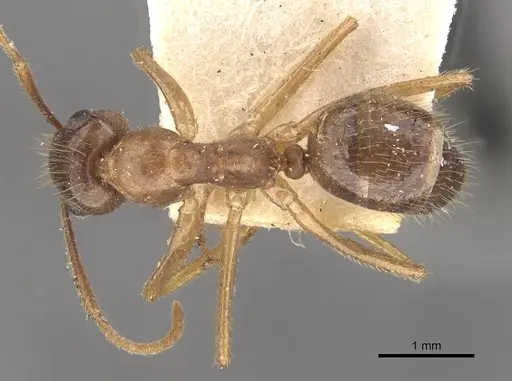
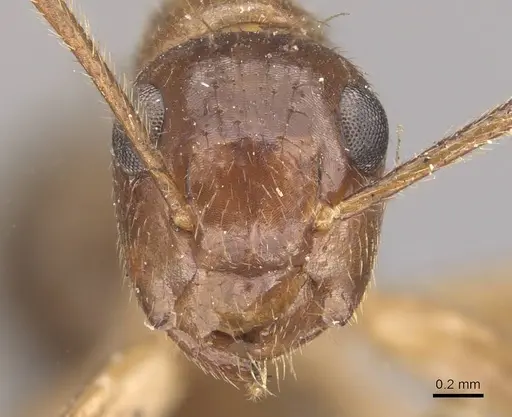
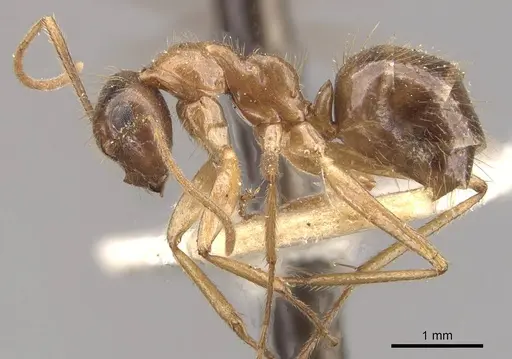
FOCOL2270
Посмотреть на AntWeb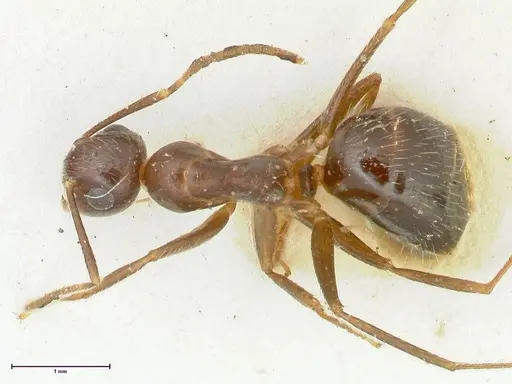
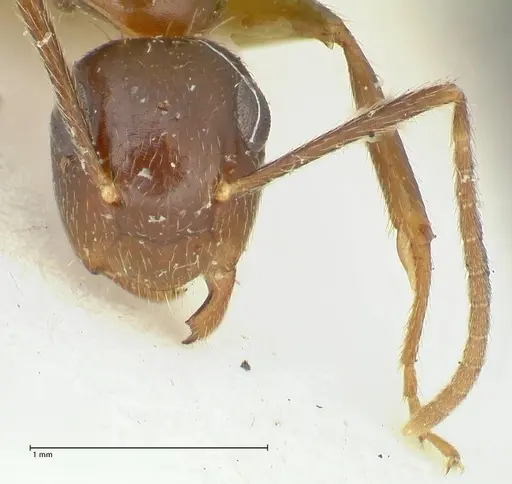
FOCOL2271
Посмотреть на AntWeb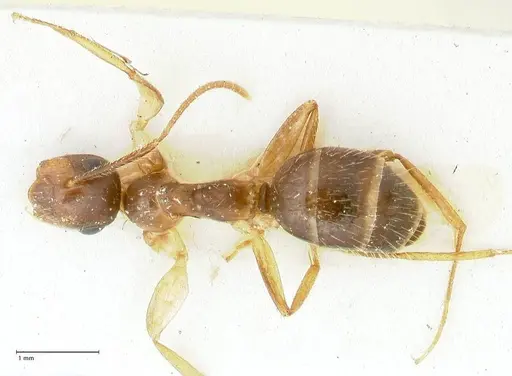
Литература
Загрузка карты распределения...Загрузка товаров...