
Cataglyphis fossilis
- Науч. назв.
- Cataglyphis fossilis
- Триба
- Formicini
- Подсемейство
- Formicinae
- Автор
- Cagniant, 2009
- Распространение
- Встречается в 0 странах
Введение
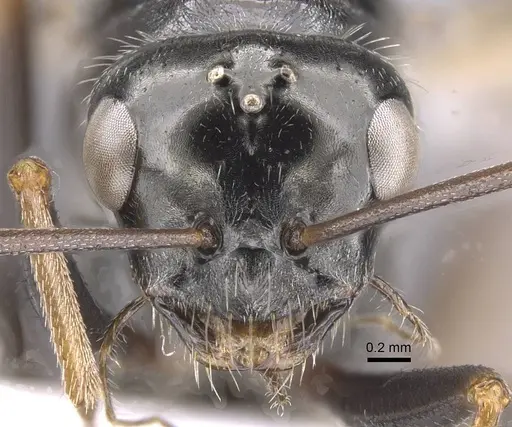
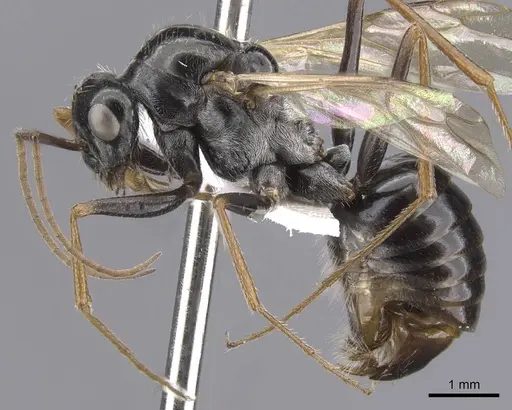
Cataglyphis fossilis is a desert ant species native to Morocco . Workers are fast-moving, diurnal foragers with the characteristic long legs and slender build typical of Cataglyphis ants. These ants are adapted to hot, dry environments and are excellent navigators, often foraging during the warmest parts of the day when other predators are inactive. The genus is known for workers that can tolerate extremely high ground temperatures, making them well-suited to arid habitats. Queens are larger than workers and establish nests in sandy or compacted soil, typical of desert-nesting species.
Quick Summary
- Difficulty: Medium
- Origin & Habitat: Morocco, arid to semi-arid desert and Mediterranean habitats [1]. In the wild, these ants nest in sandy or hard-packed soil in hot, dry regions.
- Colony Type: Likely monogyne based on typical Cataglyphis patterns, single queen colonies where one founding queen establishes the colony.
- Size & Growth:
- Queen: Size data unavailable, inferred from typical Cataglyphis genus (~10-12mm)
- Worker: Size data unavailable, inferred from typical Cataglyphis genus (~5-8mm)
- Colony: Estimated up to several hundred workers based on related species
- Growth: Moderate
- Development: Estimated 6-10 weeks at 26-30°C based on typical Cataglyphis development patterns (Development time is estimated from related species, direct observations for C. fossilis are not available. Warmer temperatures within the acceptable range may speed development.)
- Antkeeping:
- Temperature: Keep nest area at 26-30°C with a slight gradient. These are desert ants adapted to high temperatures, but avoid extreme heat above 35°C. Room temperature (around 22°C) may be too cool, consider a heating cable on one side of the nest.
- Humidity: Low to moderate, aim for dry to slightly damp substrate. These are desert-adapted ants that prefer drier conditions. Allow the nest to dry out between water additions. Avoid high humidity and standing water.
- Diapause: Likely yes, based on typical Cataglyphis patterns and Morocco geographic range, these ants typically require a winter rest period. Provide 2-3 months at 10-15°C during winter months.
- Nesting: Prefers dry, well-drained nests. Y-tong (AAC) nests work well, or a naturalistic setup with sandy substrate. Avoid overly moist conditions.
- Behavior: Workers are active foragers that search for food individually. They are fast-moving and excellent navigators, using visual cues and potentially polarization patterns to find their way. Not aggressive toward keepers but workers are quick and may escape if given the chance. Escape prevention is important, use fluon on container edges and ensure any gaps are sealed.
- Common Issues: desert species can be sensitive to overwatering, keep nesting area relatively dry, cold temperatures slow or stop development, ensure adequate warmth, escape prevention is important given their speed and activity level, wild-caught colonies may have parasites, quarantine and monitor new colonies, slow founding phase can worry beginners, queens may take weeks before first workers appear
Nest Preferences
Cataglyphis fossilis is a desert species that prefers dry, well-drained nesting conditions. In captivity, Y-tong (AAC) nests work well because they provide good moisture control and allow you to create a humidity gradient. You can also use a naturalistic setup with a sandy substrate, which mimics their natural desert habitat. The key is to keep the nest relatively dry, these ants are not high-humidity species. Provide a water tube for drinking but avoid wetting the nesting area excessively. Some keepers add a small moist area at one end of the nest for workers to access water, but the majority of the nest should remain dry. [1]
Feeding and Diet
Like other Cataglyphis species, C. fossilis is an omnivorous forager that collects protein and carbohydrates. In the wild, they hunt insects and other small arthropods, and also tend aphids for honeydew. In captivity, offer a varied diet: protein sources like small crickets, mealworms, fruit flies, and other small insects work well. For carbohydrates, provide sugar water, honey, or diluted honey water. Feed protein 2-3 times per week, and keep a constant sugar source available. Remove uneaten prey after 24-48 hours to prevent mold. These are active foragers, so they typically consume food quickly.
Temperature and Care
Temperature is one of the most important factors for keeping Cataglyphis fossilis successfully. These are desert ants adapted to high temperatures, so keep the nest area at 26-30°C. A heating cable placed on top of the nest (never underneath where it could dry out the water reservoir too quickly) can help maintain warmth. Create a slight temperature gradient so workers can choose their preferred temperature. During winter, provide a diapause period of 2-3 months at 10-15°C to simulate natural seasonal cycles. This winter rest helps maintain colony health and may trigger reproductive behavior in the following season. Do not keep them at room temperature year-round, this can disrupt their natural cycles.
Behavior and Temperament
Cataglyphis fossilis workers are diurnal foragers, meaning they are most active during daylight hours. They are fast-moving ants that forage individually, scanning the environment for food items. This species is known for excellent navigation abilities, workers can travel considerable distances from the nest and still find their way back using visual cues. They are not particularly aggressive and rarely bite, but their speed makes them capable escape artists. Always use excellent escape prevention: apply fluon to the edges of any container, use tight-fitting lids, and check for any gaps. Workers may be nervous and skittish when the nest is disturbed, but they calm down once the colony establishes.
Colony Founding
Like most Cataglyphis species, C. fossilis is a claustral founder. The queen seals herself inside a small chamber she digs in the substrate, then remains inside while living entirely on her stored fat reserves. She does not leave to forage during the founding phase. This process can take several weeks to months before the first workers (nanitics) emerge. During this time, the queen needs complete darkness and minimal disturbance. Do not check on the founding chamber too often, excessive vibration or light can stress the queen. Once the first workers emerge, they will begin foraging for food to feed the developing brood and supplement the queen's nutrition.
Frequently Asked Questions
How long does it take for Cataglyphis fossilis to produce first workers?
From egg to first worker typically takes 6-10 weeks at optimal temperature (26-30°C). This is an estimate based on related Cataglyphis species, as specific development data for C. fossilis is not available. The first workers (nanitics) are usually smaller than normal workers.
What temperature do Cataglyphis fossilis ants need?
Keep the nest at 26-30°C. These are desert ants adapted to warm conditions, so they need temperatures on the warmer side. A heating cable on one side of the nest can help maintain appropriate warmth. Avoid temperatures below 20°C for extended periods.
Do Cataglyphis fossilis ants need hibernation?
Yes, a winter diapause is recommended. Provide 2-3 months at 10-15°C during winter months. This mimics their natural seasonal cycle in Morocco and helps maintain colony health.
What do Cataglyphis fossilis ants eat?
They are omnivorous. Offer protein sources like small insects (crickets, mealworms, fruit flies) 2-3 times per week. Provide constant access to sugar sources like sugar water or honey. Remove uneaten prey after 24-48 hours.
Are Cataglyphis fossilis good for beginners?
They are considered medium difficulty. The main challenges are providing adequate warmth and maintaining proper humidity levels (keeping them dry). Their fast movement also requires good escape prevention. Experienced antkeepers should have success, but they may be challenging for complete beginners.
How big do Cataglyphis fossilis colonies get?
Based on related species, colonies likely reach up to several hundred workers. Maximum colony size is estimated, as specific data for this species is not available.
Can I keep multiple Cataglyphis fossilis queens together?
This species is likely monogyne (single queen). Combining unrelated queens is not recommended and has not been documented for this species. If you capture a dealate queen, house her alone for founding.
When should I move Cataglyphis fossilis to a formicarium?
Wait until the colony has at least 20-30 workers before moving to a formicarium. Test tubes work well for founding colonies. A formicarium provides more space but requires careful attention to humidity and temperature gradients.
Why is my Cataglyphis fossilis colony not growing?
Common causes include: temperatures too low (below 24°C), excessive humidity, insufficient protein, or lack of a proper diapause. Check each of these factors and adjust accordingly. Also ensure the queen is still alive if no workers have appeared after several months.
Report an Issue
The current care sheet is based fully on literature. See inconsistencies, or something that's incorrect? Please , it will be resolved after review from an admin. Contributing to the blogs tab also helps providing information, to make us be able to further improve the caresheets. Thank you for your support!
References

Эта инструкция по уходу лицензирована по CC BY-SA 4.0 .
Блоги сообщества
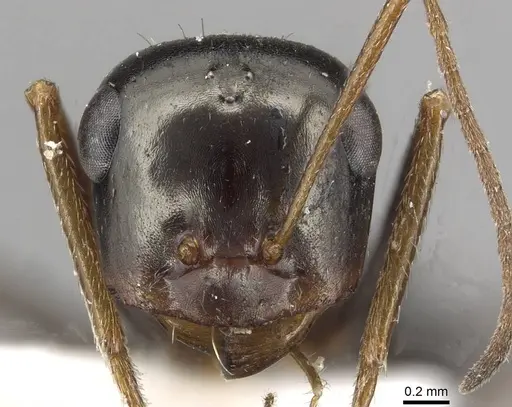
CASENT0912197
Посмотреть на AntWeb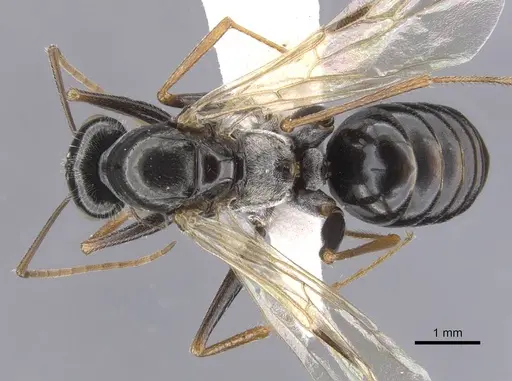
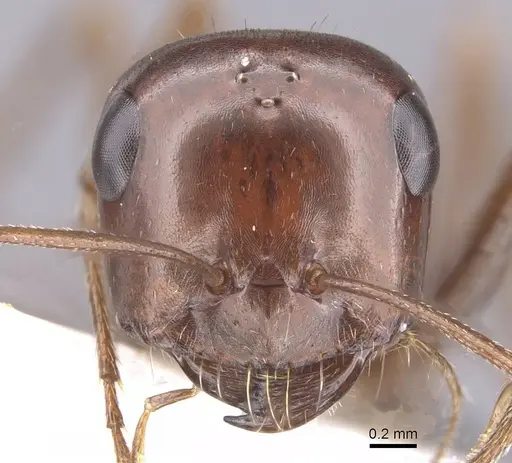
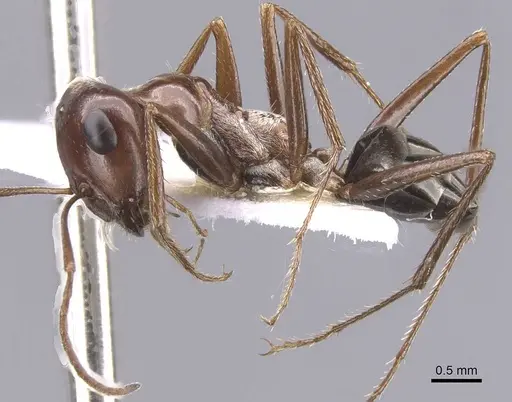
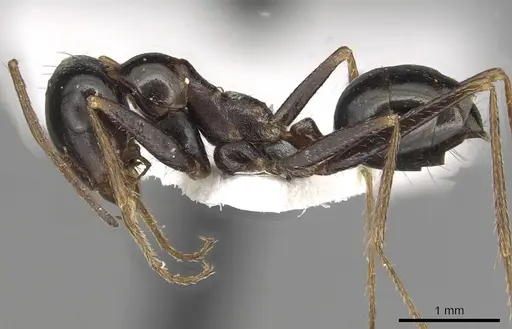
CASENT0912198
Посмотреть на AntWeb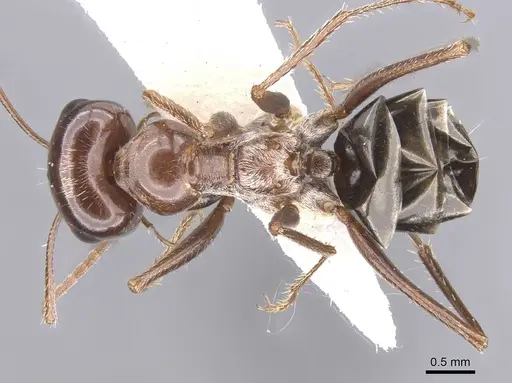
CASENT0915496
Посмотреть на AntWeb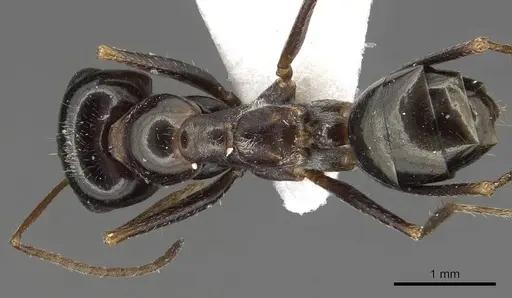
Литература
Загрузка карты распределения...Загрузка товаров...