
Carebara similis
- Науч. назв.
- Carebara similis
- Триба
- Crematogastrini
- Подсемейство
- Myrmicinae
- Автор
- Mayr, 1862
- Распространение
- Встречается в 0 странах
Введение
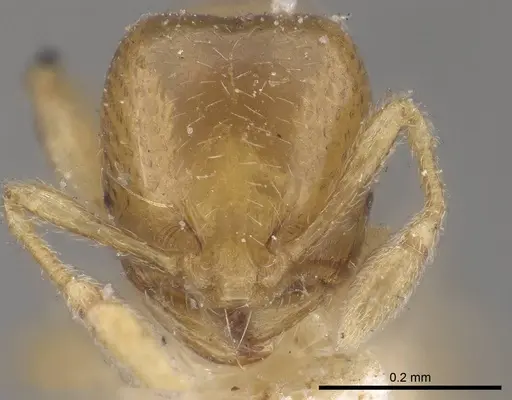
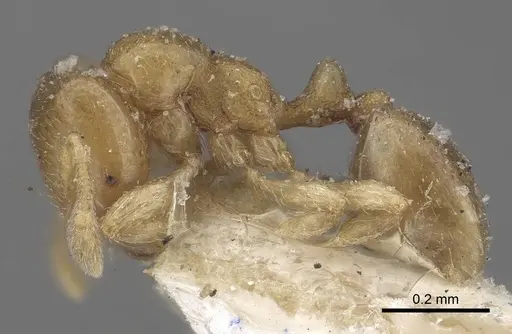
Carebara similis is a tiny myrmicine ant native to the Andaman and Nicobar Islands in the Indian Ocean, with additional records from Prinsen Island in Indonesia . Workers are minute ants with 10-segmented antennae, visible eyes, and lack propodeal spines . Only minor workers have been documented for this species - the major worker caste remains unknown . These ants inhabit tropical island environments with high humidity year-round. The species was originally described by Mayr in 1862 from the Nicobar Islands .
Quick Summary
- Difficulty: Hard, tiny size requires specialized care and excellent escape prevention
- Origin & Habitat: Tropical islands of the Andaman and Nicobar archipelago in the Indian Ocean, plus Prinsen Island in Indonesia [1]. These islands feature tropical rainforest climates with high humidity.
- Colony Type: Colony structure is unconfirmed. Only minor workers have been documented, with major workers unknown [3].
- Size & Growth:
- Queen: Unconfirmed, queen has not been described in scientific literature
- Worker: Very small, exact measurements not documented in available literature
- Colony: Unknown, likely small based on typical Carebara patterns
- Growth: Unknown
- Development: Unknown, no development data available for this species (Development timeline is unconfirmed for this species)
- Antkeeping:
- Temperature: Likely need warm conditions around 24-28°C based on their tropical island origin. Provide a gentle heat gradient.
- Humidity: Require high humidity typical of tropical island habitats. Keep substrate consistently moist but not waterlogged.
- Diapause: No, tropical species typically active year-round
- Nesting: Likely prefer humid nest setups like test tubes with water reservoirs. Their tiny size means they need small chambers and excellent escape prevention.
- Behavior: Behavior is poorly documented. As a Carebara species, they likely forage in the leaf litter layer and may be predatory on small arthropods. Their minute size makes them difficult to observe. Escape prevention is critical, they can squeeze through standard mesh barriers.
- Common Issues: tiny size makes escape likely without fine mesh barriers, limited documentation means care requirements are largely estimated, humidity needs may be easily met incorrectly, too dry or too wet both problematic, wild-caught colonies may have parasites that are difficult to detect
Understanding Carebara similis
Carebara similis is one of the more obscure ant species, known primarily from scientific collections in the Andaman and Nicobar Islands [1]. This tiny ant belongs to the Myrmicinae subfamily and Crematogastrini tribe. What makes this species unusual is that only the minor worker caste has been documented, the major worker (soldier caste) has never been observed [3]. This is unusual as many Carebara species show polymorphism with distinct major and minor workers. The workers can be identified by their 10-segmented antennae, presence of eyes, and lack of propodeal spines [2]. The species was originally described in 1862 by Gustav Mayr from specimens collected during the Novara Expedition [4].
Natural History and Distribution
This species is found across the tropical islands of the Indian Ocean, the Andaman and Nicobar archipelago, plus Prinsen Island in Indonesia [1]. These islands feature tropical rainforest climates with high humidity year-round. In their natural habitat, Carebara species typically nest in soil, under stones, or in rotting wood on the forest floor. They are part of the leaf litter ant community, foraging for small prey and scavenging. The Nicobar Islands where the type specimen was collected are low tropical islands with warm temperatures and high rainfall throughout the year [4].
Housing and Nest Setup
Because of their extremely small size, Carebara similis requires specialized housing. A test tube setup with a water reservoir works well for founding colonies, the small diameter matches their tiny proportions. For established colonies, a small plaster nest with tight chambers and narrow passages is ideal. Escape prevention is critical, these ants can slip through standard mesh. Use fine mesh on all openings. Provide a humidity gradient by keeping one end of the nest moist while allowing the other to be slightly drier. A small outworld for foraging allows you to observe their activity and offer food.
Temperature and Humidity Requirements
Being a tropical island species, Carebara similis needs warm and humid conditions. Aim for temperatures in the 24-28°C range, warm but not hot. A heating cable on one side of the nest creates a gentle gradient allowing the ants to choose their preferred temperature. Humidity should be high, similar to their island forest floor habitat. Keep the nest substrate consistently moist but avoid standing water. A water tube or moist cotton in the test tube provides humidity. Some condensation is good but excessive moisture leads to mold.
Feeding and Diet
While specific feeding behavior is undocumented for this species, Carebara ants are typically omnivorous with a preference for protein. Offer small live prey appropriate to their size, fruit flies, pinhead crickets, or tiny insects. They likely also accept sugar sources like honey water or sugar water, though this should be offered sparingly and removed if not consumed. Feed small amounts several times per week, adjusting based on colony consumption. Remove uneaten prey to prevent mold. Given their tiny size, prey items should be genuinely small.
Challenges and Considerations
The biggest challenge with Carebara similis is the limited information available. This species has not been well-studied in captivity, so most care recommendations are inferred from related species and general Carebara husbandry. Their tiny size makes observation difficult and escape likely without proper precautions. Colony growth may be slow. If acquiring this species, source from reputable keepers who have maintained similar Carebara species. Wild-caught colonies may carry parasites that are difficult to detect in such small ants.
Frequently Asked Questions
How long does it take for Carebara similis to produce first workers?
The egg-to-worker timeline is unconfirmed for this species. Based on related tropical Carebara species, expect several weeks at optimal warm temperatures, but this is an estimate rather than documented data.
What do Carebara similis ants eat?
They likely accept small live prey like fruit flies and tiny insects, plus sugar sources. Feed small protein items several times weekly and provide sugar water occasionally. This is inferred from typical Carebara diet patterns.
Do Carebara similis ants sting?
Being a Myrmicinae ant, they have a stinger, but given their extremely tiny size, they are unlikely to penetrate human skin or cause noticeable pain.
How big do Carebara similis colonies get?
Colony size is unconfirmed. Based on typical Carebara genus patterns, colonies likely remain small. Only minor workers have been documented, and major workers remain unknown [3].
Are Carebara similis good for beginners?
This species is not recommended for beginners. Limited documentation, tiny size requiring specialized care, and the need for excellent escape prevention make it challenging. Experience with other tiny tropical ants is highly recommended.
What temperature do Carebara similis need?
Keep them warm at 24-28°C based on their tropical island origin. A gentle heat gradient allows the colony to regulate their temperature preference.
Do Carebara similis need hibernation?
No, being a tropical species from constant-climate islands, they do not require hibernation. Maintain warm temperatures year-round.
How do I prevent Carebara similis from escaping?
Excellent escape prevention is critical. Use fine mesh on all openings. Check for any gaps in test tube stoppers or nest seals. Their tiny size allows them to slip through standard barriers.
Can I keep multiple Carebara similis queens together?
Colony structure is unconfirmed for this species. Combining unrelated queens is not recommended as it has not been documented and could result in aggression.
When should I move Carebara similis to a formicarium?
Wait until the colony is established with a decent number of workers and showing consistent activity. Test tubes work well for founding colonies. Move when the test tube becomes crowded or the water reservoir needs frequent refilling.
Report an Issue
The current care sheet is based fully on literature. See inconsistencies, or something that's incorrect? Please , it will be resolved after review from an admin. Contributing to the blogs tab also helps providing information, to make us be able to further improve the caresheets. Thank you for your support!
References

Эта инструкция по уходу лицензирована по CC BY-SA 4.0 .
Блоги сообщества
CASENT0919629
Посмотреть на AntWeb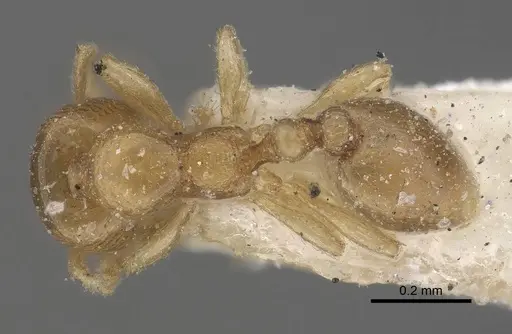
Литература
Загрузка карты распределения...Загрузка товаров...