
Carebara petulens
- Науч. назв.
- Carebara petulens
- Триба
- Crematogastrini
- Подсемейство
- Myrmicinae
- Автор
- Santschi, 1920
- Распространение
- Встречается в 0 странах
Введение
Carebara petulens is a tiny ant species endemic to Laos, known only from the type locality of Muong Pek in the Indomalaya region . The genus Carebara (formerly Pheidologeton) contains some of the world's smallest ants. This species was originally described by Santschi in 1920 as Pheidologeton petulens before being reclassified under Carebara in 2014 . As a member of the subfamily Myrmicinae, tribe Crematogastrini, this species uses a smear defense mechanism - a modified, flattened stinger used to wipe venom onto enemies rather than piercing flesh. Given the extremely limited scientific data available on this specific species, essentially no published data exists on its biology, colony structure, or captive care requirements.
Quick Summary
- Difficulty: Unknown, no species-specific data available
- Origin & Habitat: Endemic to Laos, known only from Muong Pek in the Indomalaya region [1][2][3]. The specific habitat type at this locality has not been documented.
- Colony Type: Unconfirmed, no data on colony structure for this species.
- Size & Growth:
- Queen: Size data unavailable, no measurements exist for this species
- Worker: Size data unavailable, no measurements exist for this species
- Colony: Unconfirmed, no data exists for this species
- Growth: Unknown, no development data exists for this species
- Development: Unknown, no species-specific data exists (No development data available for this species)
- Antkeeping:
- Temperature: Keep warm and stable, roughly low-to-mid 20s°C, based on tropical Laos distribution
- Humidity: Keep nest substrate slightly moist but not waterlogged, based on Indomalayan distribution
- Diapause: Unlikely, being a tropical species from Laos, diapause is probably not required
- Nesting: In nature, Carebara species typically nest in soil, under stones, or in rotting wood. For captive care, a small test tube setup or Y-tong nest with fine chambers works well.
- Behavior: Behavior is unconfirmed for this specific species. The genus Carebara is generally known for being cryptic, with colonies often hidden in concealed nesting sites. Workers are typically slow-moving. Escape prevention is critical due to their very small size, they can squeeze through remarkably tiny gaps. Use fine mesh barriers and ensure all openings are sealed.
- Common Issues: tiny size makes escape prevention challenging, use fine mesh and sealed edges, no species-specific care data exists, keepers must rely on genus-level estimates, slow colony growth is typical for this genus, patience is required, humidity control is important to prevent desiccation, limited availability in the antkeeping hobby, this species is rarely collected or traded
Species Background and Distribution
Carebara petulens is one of the rarest and least-studied ant species. It was first described by Felix Santschi in 1920 from specimens collected at Muong Pek in Laos [1]. For decades, it was known as Carebara petulens before the genus Pheidologeton was synonymized under Carebara in 2014 [3]. The species remains known only from this single locality and has never been widely collected or studied. This means there is essentially no published scientific data on its biology, colony structure, or captive care requirements.
Understanding the Carebara Genus
The genus Carebara contains over 200 species of tiny ants found throughout tropical and subtropical regions [4]. Formerly classified under Pheidologeton, these ants are known for their extreme size polymorphism, colonies produce major workers that can be several times larger than minor workers. This polymorphism serves different colony functions, with majors often specializing in defense, food processing, or territory maintenance. Carebara species typically form moderate-sized colonies with single queens. They are generally cryptic nesters, preferring hidden locations like soil cavities, under stones, or in rotting wood.
Housing and Nest Setup
Due to their tiny size, Carebara petulens requires appropriately scaled housing. A small test tube setup works well for founding colonies, use a test tube with a small water reservoir at one end, stopped with cotton, providing humidity while preventing flooding. The tube should be wrapped in dark material to provide a sense of security. For established colonies, a small Y-tong nest or a carefully constructed plaster nest with small chambers works well. The key is ensuring chambers and passages are appropriately sized. Provide a small outworld area for foraging. Escape prevention is critical, these tiny ants can squeeze through gaps that seem impossibly small. Use fine mesh on any ventilation holes and ensure lid seals are tight.
Temperature and Humidity
As a tropical species from Laos, Carebara petulens likely requires warm and moderately humid conditions. Aim for temperatures in the low-to-mid 20s°C range. A heating cable on one side of the nest can create a temperature gradient, allowing ants to move between warmer and cooler areas as needed. For humidity, maintain moderate levels. The nest substrate should remain slightly moist but never waterlogged. A small water tube attached to the nest provides a constant humidity source. Monitor condensation levels, some condensation is good, but excessive moisture can lead to mold problems. The tropical origin suggests these ants likely do not require a diapause or hibernation period.
Feeding and Nutrition
While specific dietary preferences for Carebara petulens are unconfirmed, Carebara species are generally omnivorous, accepting both protein sources and sugar. For protein, offer small live or dead insects appropriate to their tiny size, fruit flies, pinhead crickets, small mealworms, or other micro-arthropods work well. Sugar can be provided via honey water or sugar water, offered on a regular basis. Given their small size, even tiny prey items represent significant meals. Feed small amounts every few days, removing any uneaten food to prevent mold. Start with small prey items and sugar water, adjusting based on what the colony accepts.
Colony Development and Growth
Carebara petulens colony development is completely unstudied. The first workers may take several weeks to develop under warm conditions, but this is unconfirmed for this species. Colonies likely remain small. The genus is known for producing major workers as the colony grows, so you may see increasingly large workers emerge over time. Patience is essential with this species. Do not overfeed, as small colonies cannot consume large quantities of food, and excess food leads to mold problems that can be fatal.
Frequently Asked Questions
How long does it take for Carebara petulens to produce first workers?
This is unconfirmed for this species. Based on related tropical Carebara species, expect several weeks at optimal warm temperatures, but no species-specific data exists.
What do Carebara petulens ants eat?
While not specifically studied, Carebara species are generally omnivorous. Offer small protein sources like fruit flies, tiny insects, or small mealworms, along with sugar water or honey water for carbohydrates.
Are Carebara petulens ants difficult to keep?
Difficulty level cannot be determined due to lack of species-specific data. They may be manageable if provided appropriate temperature, humidity, and escape prevention, but the limited information makes confident care recommendations impossible.
Do Carebara petulens ants need hibernation?
Unlikely, as they are a tropical species from Laos. No diapause requirement has been documented, and their natural range does not experience cold winters.
How big do Carebara petulens colonies get?
Colony size is unconfirmed for this species. No data exists on maximum colony size.
What size nest do Carebara petulens need?
Given their tiny size, they need small chambers and passages. A small test tube works for founding colonies. For established colonies, use a Y-tong or plaster nest with appropriately scaled small chambers.
Do Carebara petulens ants sting?
Stinging behavior is unconfirmed for this specific species. Most Carebara species are too small to penetrate human skin effectively.
Can I keep multiple queens together?
Colony structure is unconfirmed for this species. Most Carebara species are monogyne, but pleometrosis has not been documented for this species.
Where is Carebara petulens found?
This species is endemic to Laos, known only from the type locality of Muong Pek. It has never been widely collected.
Why is Carebara petulens so rare in the antkeeping hobby?
This species is known only from a single collection in 1920 in Laos. It has never been frequently collected or observed, making it essentially unavailable to antkeepers.
Report an Issue
The current care sheet is based fully on literature. See inconsistencies, or something that's incorrect? Please , it will be resolved after review from an admin. Contributing to the blogs tab also helps providing information, to make us be able to further improve the caresheets. Thank you for your support!
References

Эта инструкция по уходу лицензирована по CC BY-SA 4.0 .
Блоги сообщества
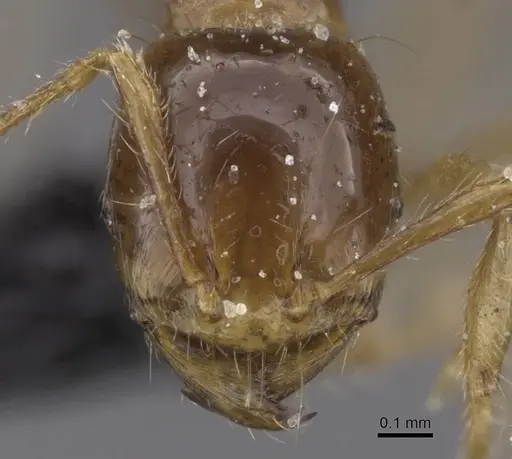
CASENT0913537
Посмотреть на AntWeb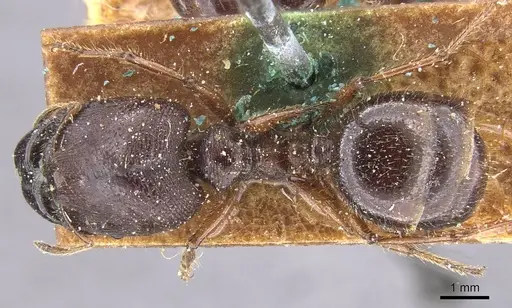
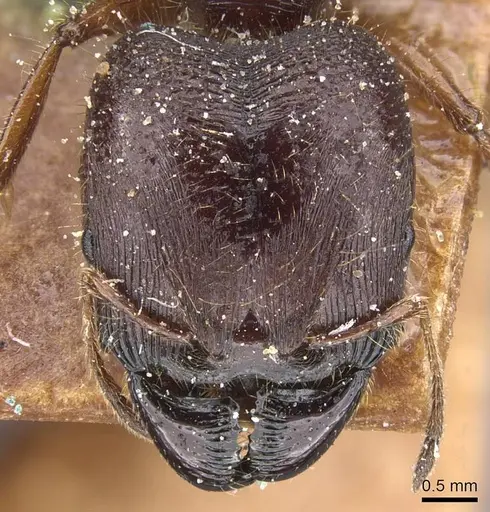
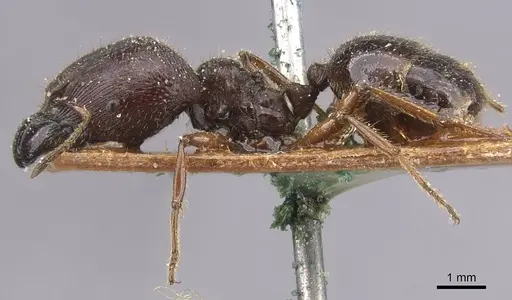
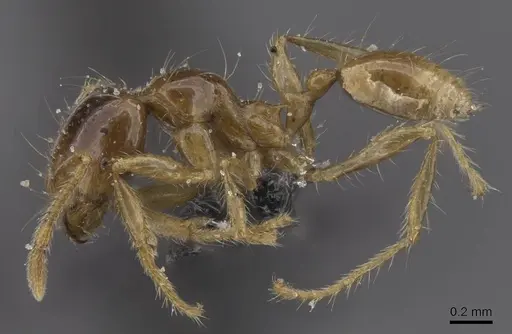
CASENT0913538
Посмотреть на AntWeb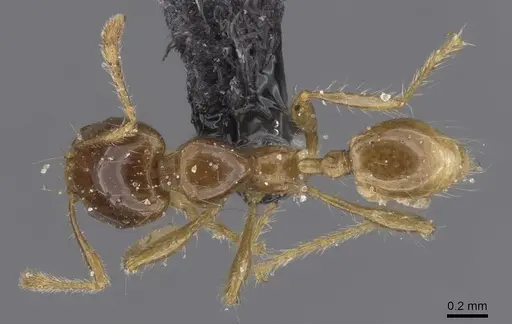
Литература
Загрузка карты распределения...Загрузка товаров...