
Camponotus xanthopilus
- Науч. назв.
- Camponotus xanthopilus
- Триба
- Camponotini
- Подсемейство
- Formicinae
- Автор
- Shattuck, 2005
- Распространение
- Встречается в 0 странах
Введение
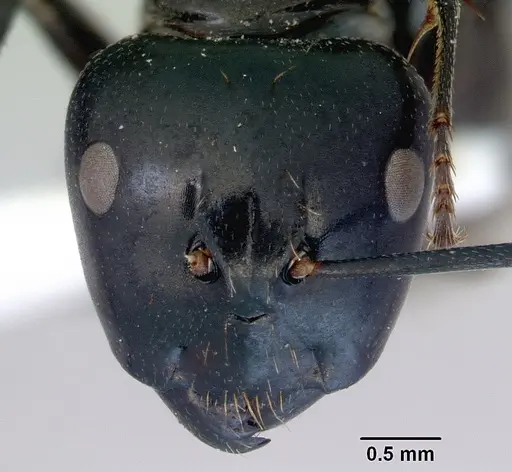
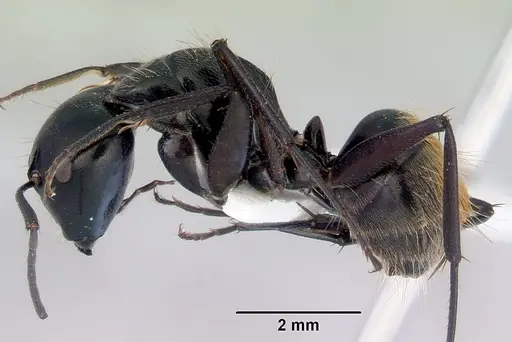
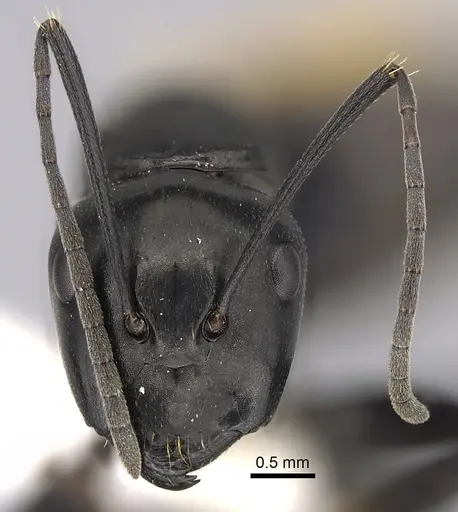
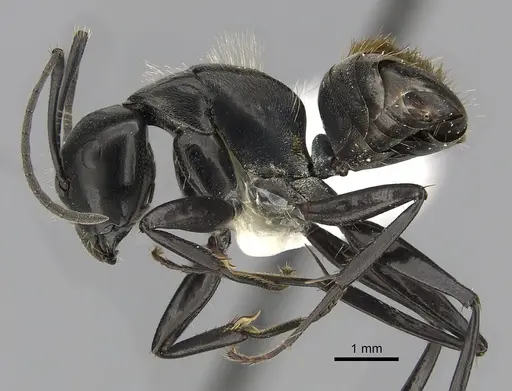
Camponotus xanthopilus is a small carpenter ant species native to Papua New Guinea. Workers are black with dark red-black legs and gaster . The species is identified by pale yellow enlarged hairs covering the entire dorsal surface of the gaster and a finely sculptured but relatively shiny head . Only two workers have ever been collected, from a rotting stump at a rainforest edge in the Managalase area at 2500-3000 feet elevation . Body size data is unavailable from the research, but based on Camponotus patterns, workers are likely 4-10mm long.
Quick Summary
- Difficulty: Medium
- Origin & Habitat: Papua New Guinea, Northern District (Managalase area),2500-3000ft elevation. Found at rainforest edge in rotting stump [1].
- Colony Type: Unconfirmed
- Size & Growth:
- Queen: Size data unavailable, inferred from Camponotus genus to be around 8-12mm
- Worker: Size data unavailable, inferred from Camponotus genus to be around 4-10mm
- Colony: Unknown
- Growth: Moderate, inferred from genus patterns
- Development: Estimated 6-8 weeks at optimal temperature based on related Camponotus species (Development time inferred from genus patterns, actual timing unconfirmed for this species)
- Antkeeping:
- Temperature: Keep warm, around 24-28°C, based on tropical highland habitat [1]
- Humidity: Keep nest substrate consistently moist but not waterlogged, based on rainforest edge habitat [1]
- Diapause: No, as a tropical species from Papua New Guinea, they likely do not require hibernation
- Nesting: Provide decaying wood or suitable nest, based on habitat data [1]. Test tube setups work for founding colonies.
- Behavior: Generally calm and non-aggressive like most Camponotus species. Workers are moderately active foragers. Major workers have broader heads and more abundant hairs than minors [1]. Escape risk is moderate, use standard barrier methods. They likely forage for honeydew and small insects. Defense mechanism: Lacks a functional sting, bites and sprays formic acid from an acidopore, typical of Formicinae.
- Common Issues: limited data means care requirements are estimates based on genus patterns, monitor colony and adjust, tropical species may struggle with temperatures below 20°C, keep warm, only two specimens ever collected in the wild, so captive breeding success is uncertain, high humidity needs can lead to mold if ventilation is poor, slow colony growth may test keeper patience
Nest Preferences
In the wild, this species has been collected from a rotting stump at a rainforest edge, indicating they nest in decaying wood [1]. For captive care, provide a nest that mimics this, a Y-tong nest or plaster nest works well, as does a properly prepared wooden formicarium. The chambers should be appropriately sized for their small worker size. Test tube setups are suitable for founding colonies. They prefer dark, humid nest conditions with minimal disturbance during the founding stage.
Feeding and Diet
Like other Camponotus species, they likely have an omnivorous diet. Feed sugar water or honey as a constant energy source. For protein, offer small insects like fruit flies, pinhead crickets, or mealworms. In the wild, they probably forage for honeydew from aphids and scale insects, plus small arthropods. Feed protein 2-3 times per week and keep sugar water available at all times. Remove uneaten prey after 24 hours to prevent mold.
Temperature and Care
As a tropical species from Papua New Guinea highlands, keep them warm, aim for 24-28°C. Avoid temperatures below 20°C, as this could slow or stop colony activity. A heating cable on one side of the nest can create a gentle temperature gradient. Since they're from a humid rainforest environment, maintain moderate to high humidity. Monitor for condensation and mold, which can be problematic in overly wet setups. Good ventilation helps prevent stagnation while maintaining humidity. [1]
Behavior and Temperament
Camponotus xanthopilus workers are relatively calm and not aggressive, making them manageable in captivity. The species shows polymorphism, minor workers have narrower heads while major workers have broader heads with more abundant hairs [1]. Workers likely forage individually or in small groups, typical of carpenter ants. The distinctive pale yellow hairs on the gaster may serve as a warning display or species recognition feature. They are not known to be escape artists but standard barrier methods should still be used. Defense mechanism: Lacks a functional sting, bites and sprays formic acid from an acidopore, typical of Formicinae.
Frequently Asked Questions
How long does it take for Camponotus xanthopilus to produce first workers?
The exact timeline is unconfirmed, but based on related Camponotus species, expect 6-8 weeks from egg to first worker at optimal temperature (around 26°C). Founding colonies may take longer as the queen establishes herself.
What do Camponotus xanthopilus ants eat?
They are omnivorous like other carpenter ants. Provide sugar water or honey constantly for energy, plus small insects (fruit flies, pinhead crickets, mealworms) for protein 2-3 times weekly.
Do Camponotus xanthopilus ants need hibernation?
No, as a tropical species from Papua New Guinea, they likely do not require true hibernation. They may have reduced activity during cooler periods, but a full diapause is not necessary.
Are Camponotus xanthopilus good for beginners?
This species is not ideal for complete beginners due to limited available care information. However, antkeepers familiar with typical Camponotus care should find them manageable. Start with a more common species if you're new to ant keeping.
How big do Camponotus xanthopilus colonies get?
Colony size is unconfirmed, but based on typical Camponotus patterns, they likely reach several hundred workers over time. Growth is moderate, expect several months to a year to reach 50+ workers.
What temperature is best for Camponotus xanthopilus?
Keep them warm at 24-28°C. Avoid temperatures below 20°C. A heating cable on part of the nest can help maintain optimal temperatures, especially in cooler climates.
Can I keep multiple queens together?
This has not been documented for this species. Most Camponotus are single-queen (monogyne) species. It is not recommended to house multiple unrelated foundress queens together.
What makes Camponotus xanthopilus distinctive?
They are identified by pale yellow enlarged hairs covering the entire dorsal surface of the gaster, combined with a finely sculptured but shiny head. Only two workers have ever been collected in the wild [1].
When should I move Camponotus xanthopilus to a formicarium?
Keep them in a test tube setup for the founding stage. Once the colony reaches 30-50 workers and the test tube shows signs of drying or crowding, you can move them to a proper nest (Y-tong, plaster, or wooden formicarium).
Report an Issue
The current care sheet is based fully on literature. See inconsistencies, or something that's incorrect? Please , it will be resolved after review from an admin. Contributing to the blogs tab also helps providing information, to make us be able to further improve the caresheets. Thank you for your support!
References

Эта инструкция по уходу лицензирована по CC BY-SA 4.0 .
Блоги сообщества
CASENT0172135
Посмотреть на AntWeb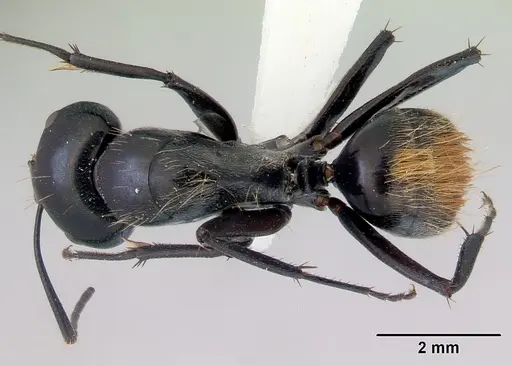
CASENT0280231
Посмотреть на AntWeb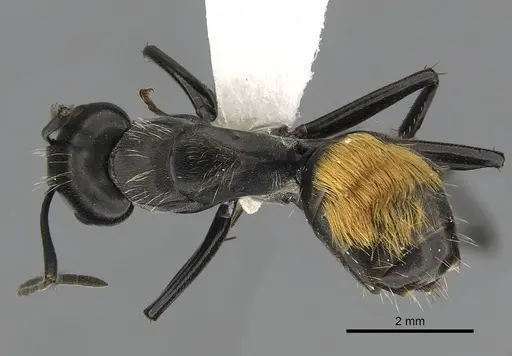
Литература
Загрузка карты распределения...Загрузка товаров...