
Camponotus weismanni
- Науч. назв.
- Camponotus weismanni
- Подрод
- Myrmamblys
- Триба
- Camponotini
- Подсемейство
- Formicinae
- Автор
- Forel, 1901
- Распространение
- Встречается в 0 странах
Введение
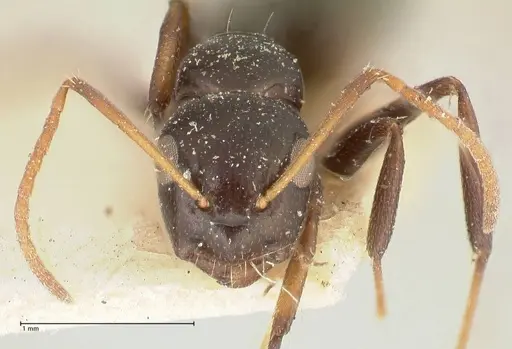
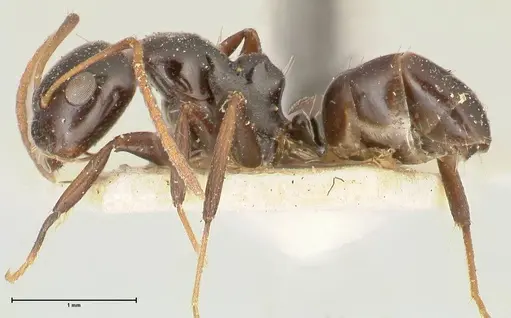
Camponotus weismanni is a tropical ant species native to the Bismarck Archipelago of Papua New Guinea, specifically documented from New Britain Island . As a member of the Formicinae subfamily, these ants belong to the Camponotini tribe, which includes well-known carpenter ants. The species was originally described by Forel in 1901 based on worker specimens collected near Ralum on New Britain . This species lacks a functional sting - its primary defense is biting and spraying formic acid from the acidopore, typical of Formicinae ants. Specific morphological measurements are not available in the scientific literature.
Quick Summary
- Difficulty: Medium
- Origin & Habitat: New Britain Island, Bismarck Archipelago, Papua New Guinea, tropical lowland forest environment [1][2]
- Colony Type: Colony structure has not been directly documented for this species. Based on typical Camponotus patterns, likely single-queen (monogyne) colonies.
- Size & Growth:
- Queen: Size data unavailable, inferred from Camponotus genus (~12-16mm)
- Worker: Size data unavailable, inferred from Camponotus genus (~4-12mm minor to major workers)
- Colony: Estimated up to several hundred workers based on typical Camponotus colony development
- Growth: Moderate, Camponotus species typically grow more slowly than smaller ants
- Development: Estimated 6-8 weeks at optimal tropical temperatures (25-28°C), based on typical Camponotus development (Development time is estimated from related Camponotus species, specific timing for C. weismanni has not been documented)
- Antkeeping:
- Temperature: Keep at 24-28°C. As a tropical species from Papua New Guinea, they require warm conditions year-round. A heating cable on one side of the nest creates a temperature gradient allowing workers to self-regulate.
- Humidity: Maintain moderate to high humidity (60-80%). Tropical forest ants like this species prefer damp but not waterlogged conditions. Use a water tube or moisture chamber in the nest and mist occasionally.
- Diapause: No, tropical species from Papua New Guinea does not require hibernation. Keep warm year-round.
- Nesting: Provide a nest with chambers scaled to colony size. Y-tong (AAC) nests or plaster nests with moisture chambers work well. Ensure adequate humidity while preventing mold. Naturalistic setups with rotting wood also align with typical Camponotus nesting preferences.
- Behavior: Camponotus species are generally moderate in temperament, they are not overly aggressive but will defend their nest if threatened. Workers are primarily nocturnal or crepuscular, foraging for honeydew, nectar, and protein sources. Major workers use their larger mandibles for defense and seed processing. This species lacks a functional sting, instead, they bite and spray formic acid from their acidopore, typical of Formicinae ants. Escape prevention is important, use fluon on test tube rims and ensure any formicarium connections are secure.
- Common Issues: tropical species requires year-round warmth, cold temperatures will slow or stop brood development, high humidity needs can lead to mold if ventilation is poor, balance moisture with airflow, slow growth compared to smaller ant species may frustrate beginners expecting rapid colony expansion, wild-caught colonies may carry parasites or pathogens that can cause colony failure in captivity, queen mortality during founding claustral period is common, avoid disturbing the founding chamber
Housing and Nest Setup
Camponotus weismanni can be started in a standard test tube setup, which provides the dark, humid environment that founding queens prefer. Use a test tube with a water reservoir at one end, separated by a cotton plug, ensuring the queen has access to moisture without drowning risk. The tube should be placed in a dark location at room temperature (24-28°C) during the founding period. Once the colony reaches 15-20 workers, you can consider moving them to a formicarium. Y-tong (AAC) nests work well for Camponotus because they allow you to control humidity through a water chamber or sponge. Plaster nests are another excellent option, as they hold moisture well and provide the damp conditions this tropical species needs. Whatever nest type you choose, ensure it has appropriately sized chambers, too large and the ants may feel exposed, too small and they won't have room to expand.
Feeding and Nutrition
As a Camponotus species, C. weismanni is omnivorous with a preference for protein sources and sugar. Feed them protein-rich foods like small insects (fruit flies, small crickets, mealworms) at least twice weekly. Sugar sources are essential for energy, offer sugar water, honey, or diluted honey water in a shallow container. Camponotus workers can be finicky about accepting sugar water compared to some other genera, so try different concentrations and delivery methods. A drop of honey on a small piece of foil or in a test tube cap often works well. Remove uneaten protein within 24-48 hours to prevent mold. As the colony grows, they will consume more, adjust feeding frequency based on how quickly food is cleared. Major workers may take larger prey items or process seeds.
Temperature and Seasonal Care
This species requires warm conditions year-round due to its tropical Papua New Guinea origin. Maintain temperatures between 24-28°C for optimal brood development. Temperatures below 22°C will significantly slow colony growth, and prolonged cold exposure can be fatal. A small heating cable placed on one end of the nest can provide a gradient, allowing workers to move between warmer and cooler areas. Unlike temperate species, C. weismanni does not require any diapause or winter cooling period. Keep the colony away from air conditioning vents, drafty windows, or any cold surfaces. If your room temperature naturally stays in the 24-26°C range, no additional heating may be needed. Monitor colony behavior, if workers seem sluggish and cluster together, they may be too cold.
Colony Development and Growth
Camponotus colonies grow more slowly than many common ant species, which is important to understand when keeping this species. After the queen lays her first eggs, expect 6-8 weeks at warm temperatures before nanitic (first) workers emerge. These initial workers are smaller than mature workers but will begin foraging to support the colony. Subsequent broods develop faster as the queen produces larger eggs and workers can care for more brood. A healthy established colony may produce dozens of workers per month during peak periods. Major workers (soldiers) typically appear once the colony reaches 50+ workers. Patience is essential, a colony may take 1-2 years to reach 100 workers, but growth accelerates once established. Avoid the temptation to overfeed, as excess food mold is a common cause of colony failure.
Behavior and Observation
Camponotus weismanni exhibits typical Camponotus behavior, workers are primarily active during evening and night hours, though they may adjust activity patterns in captivity. They are not aggressive toward humans but will defend their nest if disturbed. Major workers use their powerful mandibles for defense and can deliver a mild bite. Unlike some ants, they do not have a functional stinger, instead, they spray formic acid from their acidopore as the primary defense mechanism, typical of Formicinae ants. Workers communicate through chemical trails and may employ tandem running (one worker leads another to food sources). Observation is part of the hobby's appeal, watch how major and minor workers interact, how they process different foods, and how they respond to disturbances. Their moderate size makes them easy to observe without needing magnification.
Frequently Asked Questions
How long does it take for Camponotus weismanni to produce first workers?
Expect 6-8 weeks from egg to first worker at optimal temperatures (24-28°C). This is typical for Camponotus species. The queen is claustral, she seals herself in and raises the first brood alone without foraging.
Can I keep multiple Camponotus weismanni queens together?
Not recommended. While colony structure is not documented for this species, Camponotus are typically monogyne (single-queen colonies). Combining unrelated queens typically results in fighting and colony failure.
What temperature range is best for Camponotus weismanni?
Keep them at 24-28°C. This tropical species from Papua New Guinea requires year-round warmth. Cold temperatures will slow or stop brood development entirely.
How big do Camponotus weismanni colonies get?
Colony size is estimated at up to several hundred workers based on typical Camponotus patterns. Growth is slow, expect 1-2 years to reach 100 workers. Well-established colonies may eventually reach several hundred.
What do Camponotus weismanni eat?
They are omnivorous. Feed protein (small insects like fruit flies, crickets, mealworms) 2-3 times weekly, and provide constant access to sugar sources (honey water, sugar water). Remove uneaten protein within 24 hours.
Is Camponotus weismanni good for beginners?
This species is rated Medium difficulty. While not the easiest species, Camponotus are more forgiving than some tropical ants. The main challenges are providing consistent warmth and being patient with their slow growth.
Do Camponotus weismanni need hibernation?
No. As a tropical species from Papua New Guinea, they do not require diapause or winter cooling. Keep them warm year-round.
When should I move Camponotus weismanni from a test tube to a formicarium?
Move them once the colony reaches 15-30 workers and you see the test tube becoming crowded. Ensure the new nest has appropriately sized chambers and adequate humidity control.
Why are my Camponotus weismanni dying?
Common causes include: cold temperatures (below 22°C), excessive dryness, mold from overfeeding or poor ventilation, or disturbance during the founding stage. Check temperature, humidity, and reduce feeding if mold appears.
Report an Issue
The current care sheet is based fully on literature. See inconsistencies, or something that's incorrect? Please , it will be resolved after review from an admin. Contributing to the blogs tab also helps providing information, to make us be able to further improve the caresheets. Thank you for your support!
References

Эта инструкция по уходу лицензирована по CC BY-SA 4.0 .
Блоги сообщества
FOCOL2297
Посмотреть на AntWeb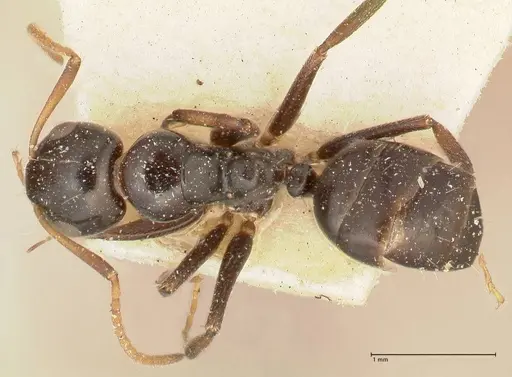
Литература
Загрузка карты распределения...Загрузка товаров...