
Camponotus varians
- Науч. назв.
- Camponotus varians
- Подрод
- Myrmamblys
- Триба
- Camponotini
- Подсемейство
- Formicinae
- Автор
- Roger, 1863
- Распространение
- Встречается в 0 странах
Введение
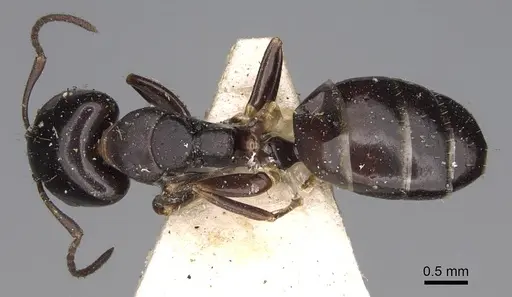
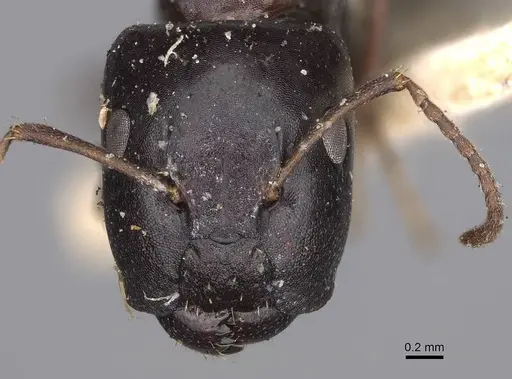
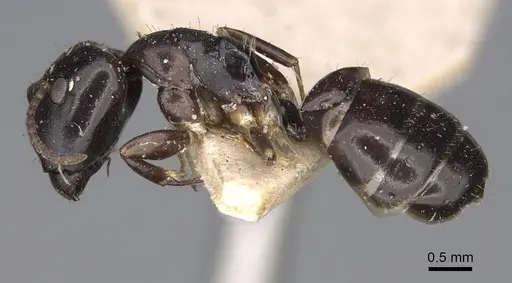
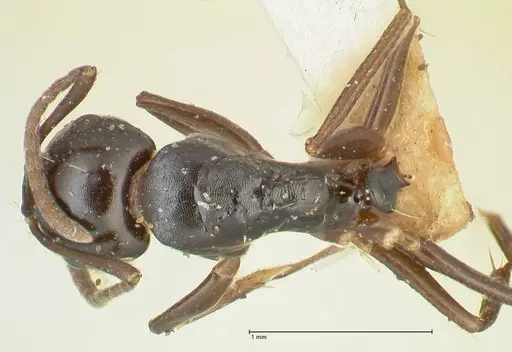
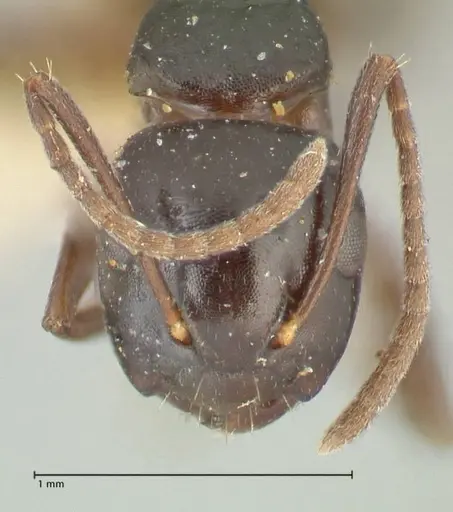
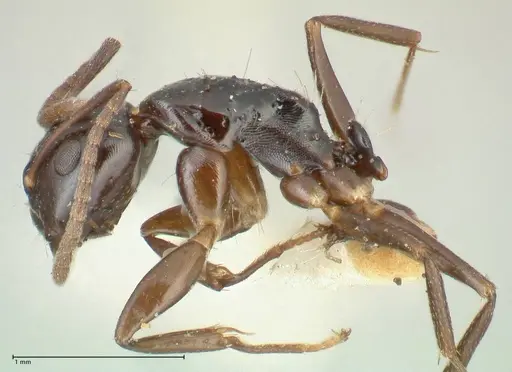
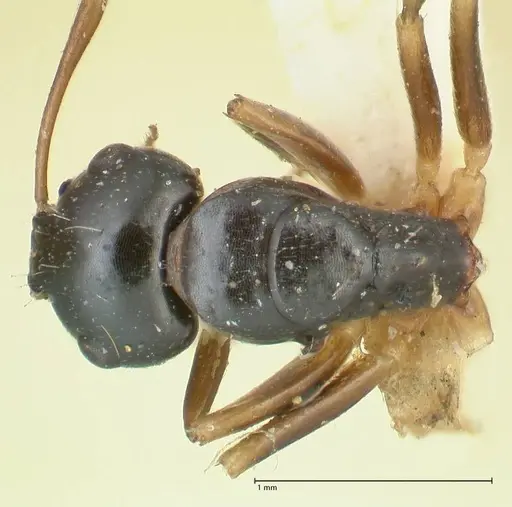
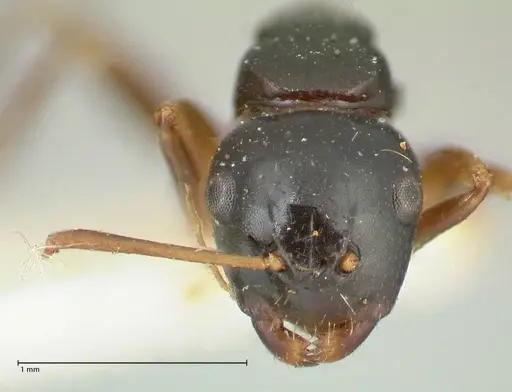
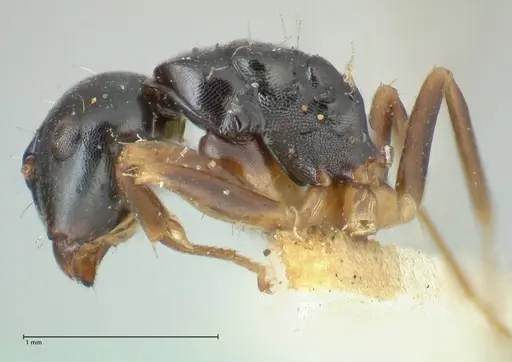
Camponotus varians is a carpenter ant species native to India and Sri Lanka. Workers are modest in size, with the characteristic smooth and glossy mesosoma typical of Camponotus. The species was originally described by Roger in 1863 from Sri Lankan specimens, with soldiers and queens later described by Emery in 1893 . As a member of the subgenus Myrmamblys, this species represents typical carpenter ant morphology found throughout tropical Asia. The species has been recorded across India and Sri Lanka .
Quick Summary
- Difficulty: Medium
- Origin & Habitat: India and Sri Lanka, tropical and subtropical regions of southern Asia [1][2][3]. Found in forested areas. Based on typical Camponotus nesting preferences, likely nests in rotting wood or under bark in humid tropical environments.
- Colony Type: Likely monogyne (single-queen colonies) based on typical Camponotus genus patterns.
- Size & Growth:
- Queen: ~10-12mm, inferred from Camponotus genus patterns [4].
- Worker: ~4-8mm, inferred from Camponotus genus patterns [4].
- Colony: Up to several hundred workers, inferred from typical Camponotus colony development [4].
- Growth: Moderate, typical for tropical Camponotus species [4].
- Development: 6-8 weeks at optimal tropical temperatures, inferred from Camponotus genus development patterns [4]. (Development time is estimated from genus-level data as species-specific measurements are unavailable. Warmer temperatures within the suitable range may accelerate development.)
- Antkeeping:
- Temperature: Keep nest area at 24-28°C. Provide a gentle thermal gradient allowing workers to self-regulate. This aligns with their tropical origin in India and Sri Lanka [4].
- Humidity: Maintain moderate to high humidity (60-80%). Keep nest substrate consistently moist but not waterlogged. Provide a water tube as a drinking source. Tropical species benefit from occasional misting of the outworld [4].
- Diapause: No, as a tropical species from India and Sri Lanka, they do not require hibernation. However, a brief cool period (around 18-20°C) during winter months may be beneficial if colony activity slows naturally [4].
- Nesting: Y-tong (AAC) nests work well for this species. They can also adapt to plaster nests or naturalistic setups with rotting wood pieces. Provide narrow chambers and typical carpenter ant passages. Ensure the nest has some damp areas to maintain humidity [4].
- Behavior: Typical carpenter ant temperament, generally calm and not overly aggressive. Workers are moderately active foragers, primarily hunting for protein and collecting honeydew. They may tend aphids for honeydew as is common in the genus. Escape risk is moderate, ensure standard Camponotus escape prevention (fluon on rim edges, tight-fitting lid). They are not known to be particularly aggressive or difficult to contain. As Formicinae, they lack a functional sting but can bite and spray formic acid from their acidopore [4].
- Common Issues: tropical species may struggle in cool rooms, monitor temperatures closely., colonies can be slow to establish initially, patience is required during founding phase., wild-caught colonies may harbor parasites, quarantine and observe new colonies., overfeeding can lead to mold issues in the outworld, remove uneaten food promptly.
Housing and Nest Setup
Camponotus varians adapts well to various captive setups. A Y-tong (AAC) formicarium provides an excellent balance of visibility and appropriate chamber sizes. The chambers should be appropriately scaled to worker size, not too large, as these ants prefer cozy passages. Plaster nests also work well, especially when kept moist to maintain the humidity levels this tropical species prefers. For the outworld, a simple plastic container with fluon-coated rim edges works adequately. Include a water tube with a cotton plug for drinking water. You can add some decorative elements like small stones or fake plants, but keep the setup simple for easy cleaning. The nest should have some areas where the substrate can remain damp, as this species appreciates humidity [4].
Feeding and Diet
Like other carpenter ants, Camponotus varians is omnivorous and will accept a varied diet. Protein sources are essential for brood development, offer small insects like fruit flies, small crickets, or mealworms. They will also consume sugar sources including honey water, sugar water, or commercial ant nectars. In the wild, they likely forage for honeydew from aphids and scale insects, so providing occasional sweet liquids is beneficial. Feed protein 2-3 times per week, and keep a sugar source available at all times. Remove uneaten prey after 24-48 hours to prevent mold growth. During the founding phase, the queen does not eat, she relies entirely on her stored fat reserves. Once workers emerge, they will begin foraging [4].
Temperature and Seasonal Care
As a tropical species from India and Sri Lanka, Camponotus varians thrives in warm conditions. Keep the nest area at 24-28°C for optimal brood development. A small heating cable or mat placed on one side of the nest can create a gentle thermal gradient, allowing workers to regulate their temperature by moving between warmer and cooler areas. Avoid temperatures below 20°C for extended periods. Unlike temperate species, they do not require a true hibernation diapause. However, if your room temperature drops significantly in winter, a brief cool period at 18-20°C may slow colony activity without harm. Monitor your colony, if workers become sluggish and cluster together, they may be too cool. Consistent warmth year-round is ideal for this species [4].
Colony Development and Growth
Colony growth follows typical Camponotus patterns. The claustral queen seals herself into a small chamber and lays eggs while surviving on her stored fat reserves. The first brood typically develops over 6-8 weeks at optimal temperatures, producing nanitic (first) workers that are smaller than normal workers. These nanitics venture out to begin foraging, after which the colony enters a growth phase. Development speed depends heavily on temperature, warmer conditions within the suitable range accelerate development, while cool temperatures can significantly slow or even pause growth. A mature colony may reach several hundred workers over 2-3 years under good conditions. Growth is moderate rather than rapid, patience is key with this species [4].
Behavior and Handling
Camponotus varians displays the typical calm temperament of carpenter ants. Workers are not particularly aggressive and will focus on their foraging activities rather than defending aggressively. When threatened, they may bite, as Formicinae ants, they lack a functional sting but can spray formic acid from their acidopore. The species is moderately active, with workers patrolling the outworld in search of food. They communicate through chemical trails, when you place a food source, you may observe workers laying pheromone trails to recruit nestmates. This tandem recruitment helps the colony efficiently exploit food discoveries. Escape prevention is straightforward, standard fluon barriers on rim edges and a tight-fitting lid are sufficient. They are not strong climbers on smooth surfaces, making containment relatively easy compared to some other genera [4].
Frequently Asked Questions
How long does it take for Camponotus varians to produce first workers?
First workers (nanitics) typically emerge in 6-8 weeks at optimal temperatures of 24-28°C. This timeline is inferred from typical Camponotus genus development patterns, as species-specific data is unavailable. Cooler temperatures will significantly slow development.
What do Camponotus varians ants eat?
They are omnivorous. Offer protein sources like small insects (fruit flies, small crickets, mealworms) 2-3 times per week, and keep a sugar source (honey water, sugar water) available at all times. Remove uneaten prey within 48 hours to prevent mold.
Do Camponotus varians ants need hibernation?
No. As a tropical species from India and Sri Lanka, they do not require a true hibernation diapause. However, if room temperatures drop significantly in winter, a brief cool period around 18-20°C is acceptable. Consistent warmth year-round is ideal.
What temperature is ideal for Camponotus varians?
Keep the nest area at 24-28°C. Provide a gentle thermal gradient so workers can self-regulate by moving between warmer and cooler areas. Avoid temperatures below 20°C for extended periods.
Are Camponotus varians good for beginners?
They are moderate difficulty, easier than some more demanding tropical species but not as forgiving as common temperate ants. They require warm, humid conditions and have moderate growth rates. Beginners willing to maintain proper temperature and humidity can succeed with this species.
How big do Camponotus varians colonies get?
Mature colonies likely reach several hundred workers based on typical Camponotus patterns. Colony development takes 2-3 years to reach significant size under good conditions. They are not among the largest carpenter ants but can still form substantial colonies.
What type of nest is best for Camponotus varians?
Y-tong (AAC) formicariums work well, as do moist plaster nests. Provide appropriately sized chambers scaled to their worker size. The nest should have areas that can be kept moist to maintain humidity. They adapt to various captive setups.
Can I keep multiple Camponotus varians queens together?
This species is likely monogyne, single-queen colonies are typical of the Camponotus genus. Unlike some facultatively polygyne species, combining multiple unrelated queens is not recommended and would likely result in fighting. Only keep one queen per colony.
Why is my Camponotus varians colony growing slowly?
Slow growth is often due to suboptimal temperatures, ensure nest area is 24-28°C. Also check humidity levels and food quality. Colonies naturally grow slowly during the first year. If workers appear sluggish, they may be too cool. Patience is essential with this species.
Report an Issue
The current care sheet is based fully on literature. See inconsistencies, or something that's incorrect? Please , it will be resolved after review from an admin. Contributing to the blogs tab also helps providing information, to make us be able to further improve the caresheets. Thank you for your support!
References

Эта инструкция по уходу лицензирована по CC BY-SA 4.0 .
Блоги сообщества
Литература
Загрузка карты распределения...Загрузка товаров...