
Camponotus testaceus
- Науч. назв.
- Camponotus testaceus
- Подрод
- Tanaemyrmex
- Триба
- Camponotini
- Подсемейство
- Formicinae
- Автор
- Emery, 1894
- Распространение
- Встречается в 0 странах
Введение
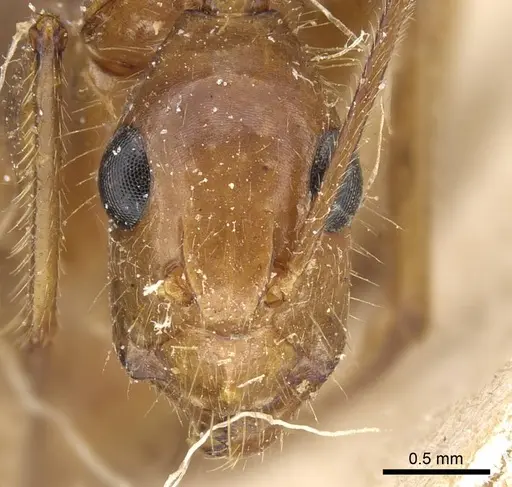
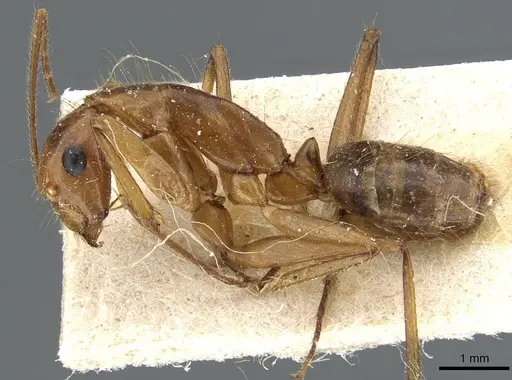
Camponotus testaceus is a medium to large Neotropical ant species native to Brazil, specifically the Pará region. Workers are polymorphic, meaning they come in different sizes - major workers have larger, well-developed heads while minor workers are smaller and more slender. Coloration typical of the Camponotus genus ranges from reddish-brown to dark brown. This species belongs to the subgenus Tanaemyrmex, a group known for generalist foraging habits and adaptable nature. In the wild, they nest in rotten trunks and decaying wood in tropical forest habitats . As a Neotropical carpenter ant, C. testaceus is an omnivorous forager that patrols actively and can recruit massive numbers of workers when discovering abundant food sources. They maintain mutualistic relationships with membracids (treehoppers), tending these insects for their honeydew secretion - a behavior documented in other Camponotus species like Camponotus renggeri. This generalist diet and flexible foraging strategy makes them adaptable to various captive conditions .
Quick Summary
- Difficulty: Medium
- Origin & Habitat: Neotropical Brazil, specifically the Pará region. In the wild, they nest in rotten trunks and decaying wood in forest habitats [1][2].
- Colony Type: Colony structure for this specific species has not been directly studied. Based on typical Camponotus patterns, likely monogyne (single queen colony).
- Size & Growth:
- Queen: Size data unavailable, inferred from Camponotus genus (~12-15 mm)
- Worker: Size data unavailable, inferred from Camponotus genus (~5-12 mm, polymorphic)
- Colony: Colony size for this specific species is unconfirmed, typical Camponotus colonies reach several thousand workers
- Growth: Moderate, typical for medium-sized carpenter ants
- Development: Development time is unconfirmed for this species, based on typical Camponotus patterns, expect 6-8 weeks at optimal temperature (Development time is temperature-dependent, warmer conditions within safe range accelerate development)
- Antkeeping:
- Temperature: Keep at 24-28°C. As a Neotropical species from Brazil, they prefer warm conditions. A heating cable on one side of the nest creates a gradient allowing workers to self-regulate [2].
- Humidity: Moderate to high humidity. Keep the nest substrate slightly moist but not waterlogged. Provide a water tube as a constant moisture source.
- Diapause: No true diapause required. As a tropical species from Brazil, they do not need hibernation but may reduce activity during cooler periods. Maintain stable temperatures year-round.
- Nesting: Y-tong (AAC) nests work well, or naturalistic setups with cork or rotting wood pieces. They prefer nesting in wood-like materials that retain some moisture. Avoid completely dry nests.
- Behavior: Active foragers with generalist diets. They patrol their territory and recruit massively when discovering abundant food sources, this swarm foraging is characteristic of the Camponotini tribe [2]. Workers are medium to large. They are not aggressive toward keepers but will defend if threatened. As Formicinae ants, they lack a functional sting but can bite and spray formic acid from their acidopore. Escape risk is moderate, standard barrier methods work well for their size. They are primarily nocturnal or crepuscular, showing increased activity during evening hours.
- Common Issues: queen mortality during founding is common, claustral queens need complete darkness and minimal disturbance, tropical species are sensitive to temperature drops below 20°C, colonies may abandon nests if humidity is too low or unstable, overfeeding can lead to mold problems in enclosed nests, wild-caught colonies may harbor parasites that can decimate captive colonies
Nest Preferences
In the wild, Camponotus testaceus nests in rotten trunks and decaying wood, they excavate galleries within soft, moist wood material [2]. For captive care, Y-tong (AAC) nests work excellently as they provide the dark, humid environment these ants prefer. Alternatively, naturalistic setups with cork, rotting wood, or soil-filled formicaria mimic their natural nesting sites well. The nest should have chambers scaled to colony size, avoid overly large spaces for small colonies. Keep the nest material slightly moist but never wet. A water tube attached to the nest provides constant humidity access.
Feeding and Diet
Like other Camponotus species, C. testaceus is omnivorous with a preference for protein sources and sugar. Offer sugar water or honey as an energy source, change every 2-3 days to prevent fermentation. For protein, provide small insects like fruit flies, small crickets, mealworms, or frozen bloodworms. Feed protein 2-3 times per week, adjusting based on colony size. They are massive recruiters, when you add food, expect dozens of workers to emerge quickly. Remove uneaten prey after 24 hours to prevent mold. [2]
Temperature and Care
As a Neotropical species from Brazil, Camponotus testaceus requires warm conditions. Maintain temperatures between 24-28°C for optimal brood development. A heating cable placed on top of the nest creates a gentle thermal gradient. Room temperature may suffice if your home stays above 24°C, but supplemental heating often benefits colony growth. Avoid temperatures below 20°C for extended periods, this can slow development and weaken colonies. Unlike temperate species, they do not require hibernation. Keep the setup away from direct sunlight and drafts. [2]
Behavior and Temperament
These ants are active foragers with a generalist feeding strategy. They patrol their territory and recruit nestmates massively when discovering abundant food sources, this swarm foraging is characteristic of the Camponotini tribe [2]. Workers are medium-sized and relatively calm compared to some aggressive ant species. They are not particularly dangerous to keepers. As Formicinae ants, they lack a functional sting but will bite and spray formic acid if threatened. They are primarily nocturnal, showing peak activity during evening and night hours. Provide an outworld connecting to the nest so foragers can venture out for food. Standard escape prevention works well for their size.
Colony Founding
Camponotus testaceus is claustral, the queen seals herself in a chamber and survives entirely on stored fat reserves until her first workers emerge. Based on typical Camponotus patterns, expect this to take 6-8 weeks at optimal temperature. During founding, keep the queen in complete darkness and do not disturb her for 4-6 weeks. Place the founding setup in a warm, quiet location. After nanitics appear, you can slowly introduce tiny food items like a drop of sugar water, but the colony will be fragile for the first few months. Do not check on the queen excessively, disturbance can cause her to abandon or consume her brood. Wait until you see several workers before transitioning to normal feeding schedules.
Frequently Asked Questions
How long does it take for Camponotus testaceus to produce first workers?
Development time is unconfirmed for this specific species. Based on typical Camponotus patterns, expect first workers (nanitics) to emerge in 6-8 weeks at optimal temperature (24-28°C). The exact timeline depends on temperature, warmer conditions within safe range speed development, while cooler temperatures delay it.
Can I keep Camponotus testaceus in a test tube?
Yes, test tubes work well for founding colonies. Use a standard test tube setup with a water reservoir sealed with cotton. Keep it dark and undisturbed for 4-6 weeks until nanitics appear. Transition to a proper nest once the colony reaches 15-20 workers.
What do Camponotus testaceus eat?
They are omnivorous. Offer sugar water or honey as a constant energy source, and protein (small insects like fruit flies, mealworms, or bloodworms) 2-3 times per week. They recruit massively to food sources, so be prepared for many foragers at feeding time.
Are Camponotus testaceus good for beginners?
They are rated as medium difficulty. While more forgiving than some exotic species, they do require attention to temperature and humidity. Beginners should have experience with at least one other Camponotus or medium-sized ant species before attempting this species.
Do Camponotus testaceus need hibernation?
No, as a Neotropical tropical species from Brazil, they do not require hibernation. Maintain warm temperatures (24-28°C) year-round. They may reduce activity slightly during cooler periods but do not enter true diapause.
When should I move Camponotus testaceus to a formicarium?
Move them when the test tube becomes crowded or the water reservoir needs frequent refilling. This is typically when the colony reaches 20-30 workers. Use a nest with appropriately sized chambers, too large a space can stress small colonies.
How big do Camponotus testaceus colonies get?
Colony size for this specific species is unconfirmed, but typical Camponotus colonies reach several thousand workers at maturity. Growth is moderate, expect 1-2 years to reach 100+ workers under good conditions.
Why is my Camponotus testaceus colony declining?
Common causes include: temperature too low (below 20°C), humidity too low or unstable, queen death during founding, parasites from wild-caught colonies, or mold from overfeeding. Check environmental conditions first and ensure you are not disturbing the colony excessively.
Can I keep multiple Camponotus testaceus queens together?
This species is likely monogyne (single queen). Combining unrelated queens has not been documented and is not recommended, queens typically fight. If you acquire a wild colony, it will likely have just one functional queen.
Report an Issue
The current care sheet is based fully on literature. See inconsistencies, or something that's incorrect? Please , it will be resolved after review from an admin. Contributing to the blogs tab also helps providing information, to make us be able to further improve the caresheets. Thank you for your support!
References

Эта инструкция по уходу лицензирована по CC BY-SA 4.0 .
Блоги сообщества
CASENT0905200
Посмотреть на AntWeb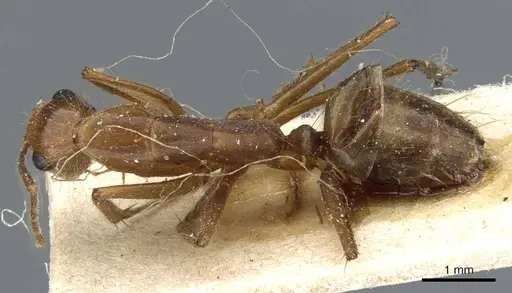
Литература
Загрузка карты распределения...Загрузка товаров...