
Camponotus macromischoides
- Науч. назв.
- Camponotus macromischoides
- Триба
- Camponotini
- Подсемейство
- Formicinae
- Автор
- Fontenla Rizo, 1997
- Распространение
- Встречается в 0 странах
Введение
Camponotus macromischoides is a rare carpenter ant species endemic to western Cuba, specifically found in the Sierra de los Órganos mountain range in Pinar del Río province . Only two worker specimens have ever been documented - the holotype collected in November 1990 and a paratype collected in March 1994 . As a member of the Formicinae subfamily and Camponotini tribe, this species shares characteristics with other carpenter ants including a single dorsal node (petiole) and the ability to spray formic acid as defense. This species remains extremely poorly documented in scientific literature, with no published information on colony structure, queen biology, or captive care requirements.
Quick Summary
- Difficulty: Unknown, too little data to assess
- Origin & Habitat: Endemic to western Cuba, specifically the Sierra de los Órganos in Pinar del Río province. This mountainous region features karst topography with limestone outcrops and semi-deciduous forest habitats [1].
- Colony Type: Unconfirmed, no colony data exists for this species.
- Size & Growth:
- Queen: Size data unavailable, no queen specimens have been described [1].
- Worker: Size data unavailable, worker measurements not provided in original description [1].
- Colony: Unknown, no colony size data exists.
- Growth: Unknown, no development data exists.
- Development: Unknown, no species-specific development data exists. (This is an unstudied species with no development timeline data.)
- Antkeeping:
- Temperature: Temperature requirements unconfirmed, based on Cuban tropical habitat, likely 22-26°C. Provide a thermal gradient allowing workers to self-regulate.
- Humidity: Humidity requirements unconfirmed, based on humid subtropical climate of western Cuba, likely 60-80%. Keep nest substrate moderately moist but not waterlogged.
- Diapause: Likely no true hibernation required due to tropical origin. May have reduced activity during cooler or drier seasons, reduce feeding and lower temperatures slightly during winter months if colony shows decreased activity.
- Nesting: Natural nesting behavior unconfirmed. Most Camponotus species nest in rotting wood, under bark, or in soil cavities. In captivity, Y-tong (AAC) nests, wooden formicaria, or plaster nests with narrow chambers work well. Provide damp substrate for brood chambers.
- Behavior: No species-specific behavior data exists. Based on typical Camponotus patterns, these ants are typically moderate in temperament. They are not aggressive but will defend the nest if threatened. Escape risk is moderate, use standard Camponotus escape prevention (fluon on rim edges, tight-fitting lids).
- Common Issues: no documented captive colonies exist, all care recommendations are estimates, queen biology completely unknown, cannot confirm founding type or colony structure, temperature and humidity requirements are unconfirmed estimates, growth rate is unknown, colonies may grow faster or slower than typical Camponotus, risk of keeping a species with no established husbandry guidelines, experimental care required, queens are not available in the antkeeping hobby, this species is essentially inaccessible
Species Discovery and Documentation
Camponotus macromischoides was first described by J.L. Fontenla Rizo in 1997 based on worker specimens collected from the Sierra de los Órganos in Pinar del Río, Cuba [1]. The holotype worker was collected in November 1990 from Mogote La Fonte in the Sierra de San Andrés, while the paratype was collected in March 1994 from the Sierra de Mesa area [1]. This species remains one of the most poorly documented Cuban ants, with no additional specimens or biological studies published since its original description.
Natural Habitat and Range
This species is known only from the Sierra de los Órganos mountain range in western Cuba, part of Pinar del Río province. This region features karst limestone topography with distinctive mogotes (steep-sided limestone hills) and semi-deciduous tropical forest. The climate is humid subtropical with distinct wet and dry seasons. Temperatures in this region remain warm year-round. The specific microhabitat preferences of C. macromischoides remain unknown. [1]
Estimated Care Requirements
Since no captive husbandry data exists for this species, all recommendations are estimates based on typical Camponotus care and the presumed tropical requirements of a Cuban ant. Keep the nest area at 22-26°C with a slight gradient so workers can choose their preferred temperature. Maintain moderate humidity around 60-80% by keeping nest substrate damp but not saturated. Feed a standard carpenter ant diet: sugar water or honey continuously, and protein sources (insects, mealworms) 2-3 times per week. Provide a water tube at all times. Since this is a tropical species, full hibernation is not required, instead, a slight reduction in temperature during winter months may be appropriate if the colony shows reduced activity.
Challenges and Considerations
This is an extremely challenging species to keep for several reasons. First, no established husbandry guidelines exist, everything must be learned through experimental care. Second, the queen has never been described or documented, meaning there is no reliable source for establishing captive colonies. Wild-caught colonies would need to be collected from Cuba, which involves significant legal and logistical challenges. Third, without species-specific data, keepers may encounter unexpected issues with temperature, humidity, diet, or colony development that do not match genus-level estimates. This species is best suited for advanced antkeepers who are specifically interested in rare Cuban species and are prepared for experimental husbandry approaches.
Frequently Asked Questions
How do I care for Camponotus macromischoides?
No established care guidelines exist for this species. Based on typical Camponotus care, provide a warm nest (22-26°C), moderate humidity (60-80%), sugar water continuously, and protein insects 2-3 times weekly. This is experimental care, monitor your colony closely and adjust conditions based on their behavior.
What do Camponotus macromischoides eat?
Based on typical Camponotus diet, they likely accept sugar sources (honey, sugar water) and protein (insects, mealworms, crickets). Offer sugar water constantly and protein prey 2-3 times per week.
What temperature do Camponotus macromischoides need?
Temperature requirements are unconfirmed. Based on their Cuban tropical origin, likely 22-26°C. Provide a thermal gradient so workers can self-regulate.
Do Camponotus macromischoides need hibernation?
Probably not, as a Cuban tropical species, they likely do not require true hibernation. You may reduce temperatures slightly during winter if the colony shows reduced activity.
How big do Camponotus macromischoides colonies get?
Unknown, no colony size data exists for this species.
Is Camponotus macromischoides a good species for beginners?
No, this species is not recommended for beginners. No captive husbandry data exists, making care entirely experimental. Additionally, queens are not available in the antkeeping hobby, making this species essentially inaccessible to most keepers.
Where is Camponotus macromischoides found?
This species is endemic to the Sierra de los Órganos in Pinar del Río province, western Cuba. It is only known from two worker specimens collected in 1990 and 1994 [1].
Can I keep multiple queens of Camponotus macromischoides together?
No data exists on colony structure for this species. Without data, combining queens is not recommended.
How long does it take for Camponotus macromischoides to develop from egg to worker?
Unknown for this species, no development data exists.
Report an Issue
The current care sheet is based fully on literature. See inconsistencies, or something that's incorrect? Please , it will be resolved after review from an admin. Contributing to the blogs tab also helps providing information, to make us be able to further improve the caresheets. Thank you for your support!
References

Эта инструкция по уходу лицензирована по CC BY-SA 4.0 .
Блоги сообщества
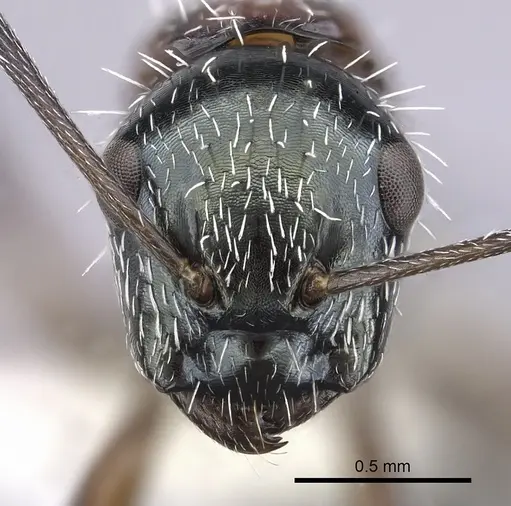
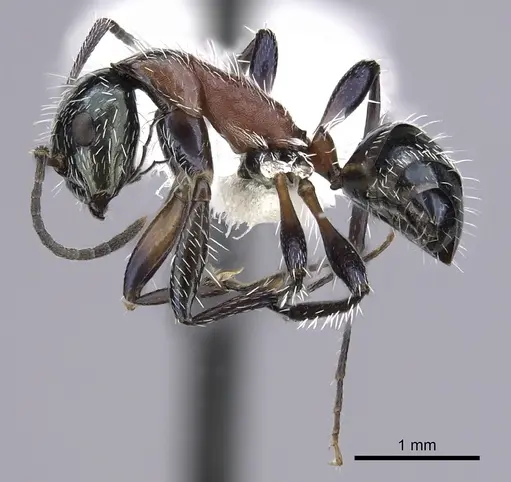
CASENT0249403
Посмотреть на AntWeb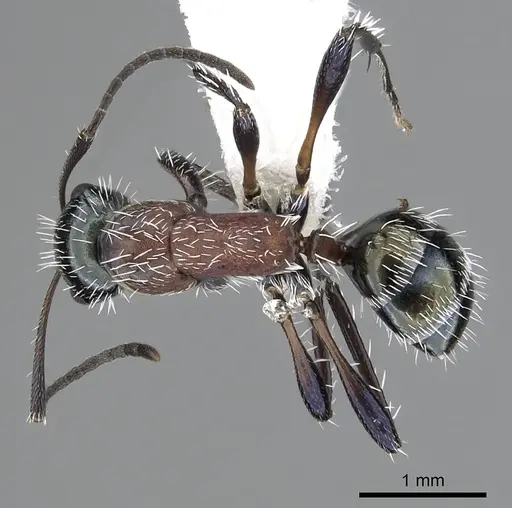
Литература
Загрузка карты распределения...Загрузка товаров...