
Camponotus lilianae
- Науч. назв.
- Camponotus lilianae
- Подрод
- Paramyrmamblys
- Триба
- Camponotini
- Подсемейство
- Formicinae
- Автор
- Forel, 1913
- Распространение
- Встречается в 0 странах
Введение
Camponotus lilianae is a carpenter ant species endemic to the Haut-Katanga region in the Democratic Republic of Congo . Size data for this species is unavailable from current research. It is found in tropical highland habitats. This species is notable for its endemic status, but little is known about its biology in captivity.
Quick Summary
- Difficulty: Hard
- Origin & Habitat: Recorded from Haut-Katanga, Democratic Republic of Congo [1]. Habitat details are unknown.
- Colony Type: Colony structure is unconfirmed. Based on typical Camponotus patterns, likely monogyne, but no specific data available.
- Size & Growth:
- Queen: Size data unavailable. Inferred from Camponotus genus, queens may be up to 20 mm.
- Worker: Size data unavailable. Inferred from Camponotus genus, workers may vary with majors up to 15 mm.
- Colony: Colonies can grow to thousands of workers, but maximum size is unknown.
- Growth: Moderate, based on typical Camponotus patterns.
- Development: Estimated 6-8 weeks under optimal conditions, based on genus patterns. (Development time is temperature-dependent.)
- Antkeeping:
- Temperature: Keep at 24-28°C, based on tropical habitat inference.
- Humidity: Provide a humidity gradient with mostly dry nest chamber, as this species is from tropical highlands.
- Diapause: No diapause required, as it is a tropical species.
- Nesting: Use Y-tong or test tube setups with dry conditions. Avoid overly humid nests.
- Behavior: Temperament is unknown, but based on Camponotus patterns, likely docile. Escape risk is moderate due to size, ensure secure lids.
- Common Issues: queen loss during founding, founding behavior is unconfirmed, but conditions must be optimal., slow initial growth, development time may be long, testing patience., escape risk, ensure secure setup to prevent escapes., humidity problems, avoid overly wet conditions to prevent mold., temperature fluctuations, keep warm year-round.
Nest Preferences
No specific nest preference data is available for Camponotus lilianae. Based on its occurrence in Haut-Katanga [1], it may prefer dry, warm conditions. General advice for carpenter ants includes using Y-tong nests or test tube setups with dry substrates [2].
Feeding and Diet
No specific diet data is available. Based on Camponotus genus patterns, they are omnivorous and may accept sugar water and insects [2].
Behavior and Care
Temperament and behavior are unknown for this species. Based on Camponotus patterns, workers are likely docile but can bite if threatened. Ensure secure escape prevention [2].
Frequently Asked Questions
How long does it take for Camponotus lilianae to produce first workers?
No specific data is available. Based on genus patterns, estimated 6-8 weeks under optimal conditions [2].
What temperature do Camponotus lilianae need?
Keep them at 24-28°C, based on tropical habitat inference [2].
How big do Camponotus lilianae colonies get?
Colony size is unknown, but colonies can grow to thousands of workers [2].
What do Camponotus lilianae eat?
They are omnivorous. Offer sugar water or honey continuously, and protein sources like insects [2].
Do Camponotus lilianae need hibernation?
No, as a tropical species, they do not require hibernation [2].
Is Camponotus lilianae good for beginners?
Difficulty is hard due to lack of specific care data. It may be challenging for beginners [2].
How should I house a founding Camponotus lilianae queen?
Use a test tube setup with dry conditions. Founding behavior is unconfirmed, but general advice applies [2].
Why is my Camponotus lilianae colony not growing?
Check temperature and humidity. Lack of growth may be due to suboptimal conditions [2].
Can I keep multiple Camponotus lilianae queens together?
Colony structure is unconfirmed, but keeping multiple queens is not recommended without data [2].
Report an Issue
The current care sheet is based fully on literature. See inconsistencies, or something that's incorrect? Please , it will be resolved after review from an admin. Contributing to the blogs tab also helps providing information, to make us be able to further improve the caresheets. Thank you for your support!
References

Эта инструкция по уходу лицензирована по CC BY-SA 4.0 .
Блоги сообщества
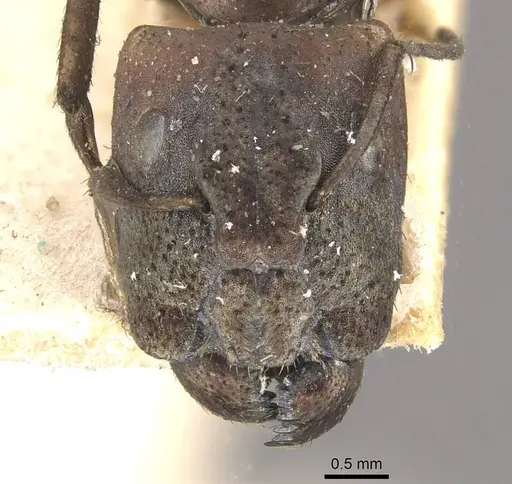
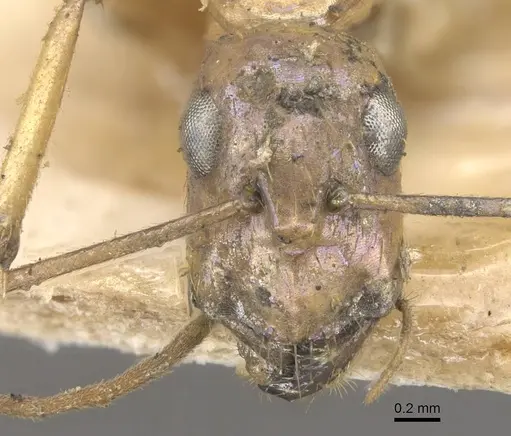
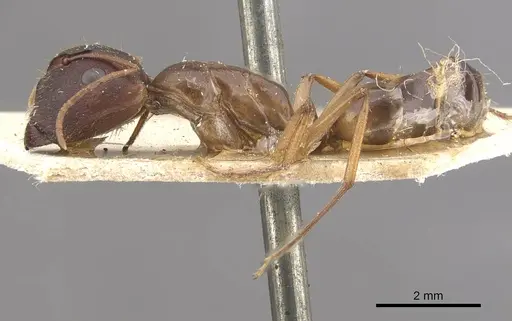
CASENT0910555
Посмотреть на AntWeb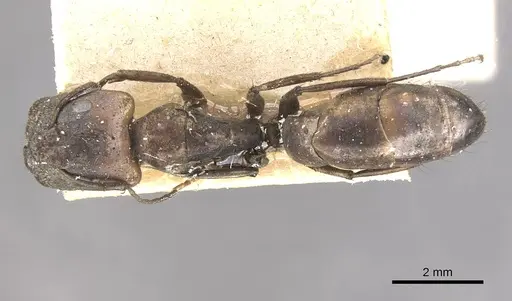
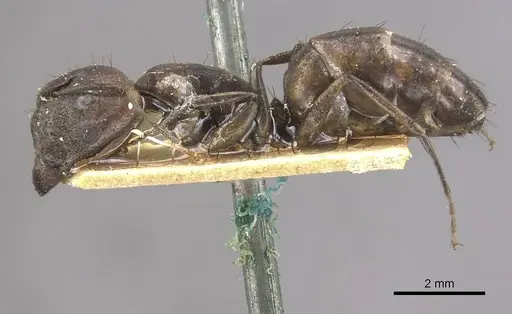
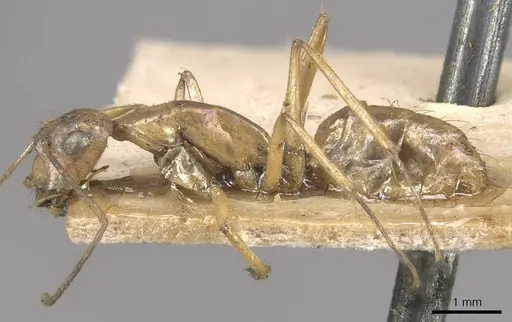
CASENT0910556
Посмотреть на AntWeb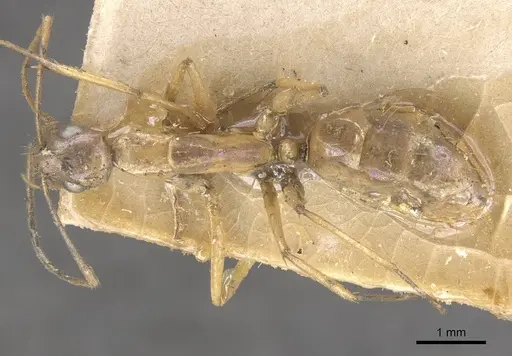
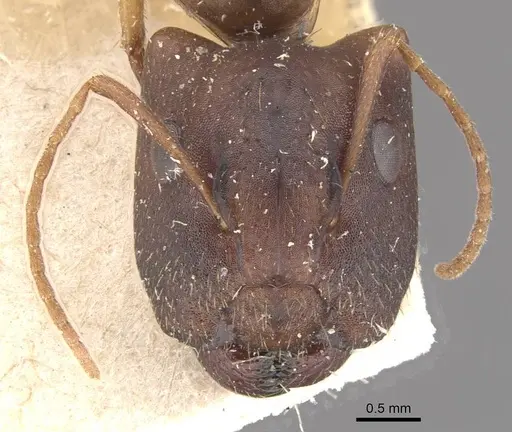
CASENT0910557
Посмотреть на AntWeb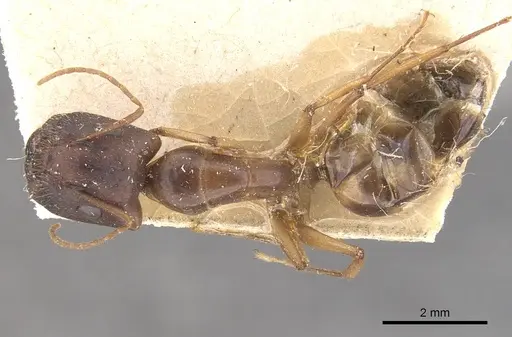
Литература
Загрузка карты распределения...Загрузка товаров...