
Camponotus indeflexus
- Науч. назв.
- Camponotus indeflexus
- Подрод
- Myrmamblys
- Триба
- Camponotini
- Подсемейство
- Formicinae
- Автор
- Walker, 1859
- Распространение
- Встречается в 0 странах
Введение
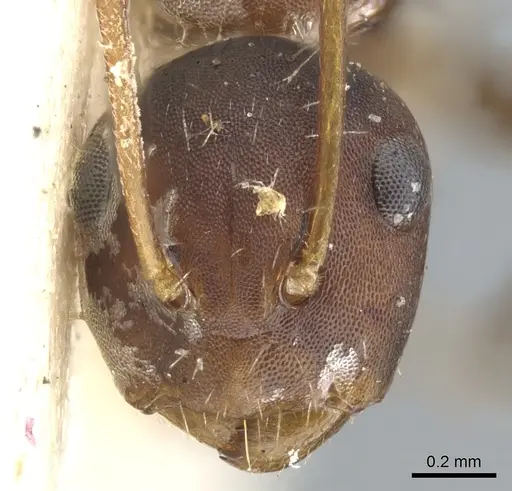
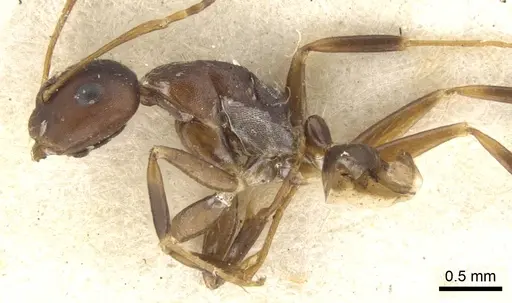
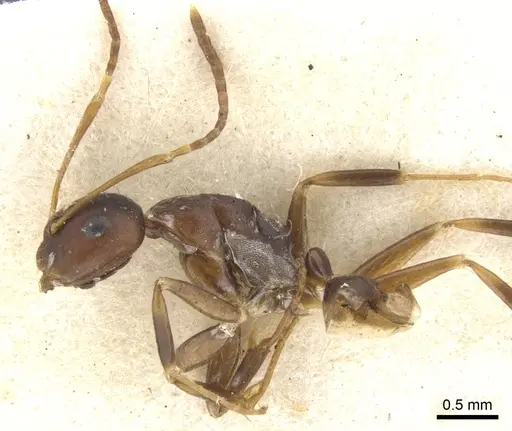
Camponotus indeflexus is a carpenter ant species native to the Indomalaya region, found throughout India and Sri Lanka. Workers are polymorphic, with major workers being significantly larger than minor workers. The species has the typical Camponotus body shape with a rounded thorax and a distinct circular acidopore at the tip of the abdomen. Coloration ranges from dark brown to black, with lighter brownish tones on the legs and antennae. This is a subtropical species adapted to warm conditions in tropical forests and urban areas across the Indian subcontinent.
Quick Summary
- Difficulty: Easy
- Origin & Habitat: India and Sri Lanka in the Indomalaya region. Found across multiple Indian states including Maharashtra, typically nesting in rotting wood, under bark, or in soil cavities in forested areas [1][2].
- Colony Type: Colony structure has not been specifically documented for this species. Based on typical Camponotus genus patterns, likely single-queen colonies (monogyne).
- Size & Growth:
- Queen: Size data unavailable, direct measurements not available for this species
- Worker: Variable in size, polymorphic [2]
- Colony: Colony size data unavailable, typical for Camponotus species to reach several thousand workers at maturity
- Growth: Moderate, typical for subtropical Camponotus species
- Development: Development timeline is unconfirmed for this specific species (Based on typical Camponotus patterns, expect several weeks to first workers at optimal temperature)
- Antkeeping:
- Temperature: Keep at 24-28°C. This subtropical species prefers warm conditions year-round. A heating cable on one side of the nest creates a temperature gradient allowing workers to self-regulate.
- Humidity: Requires moderate to high humidity. Keep the nest substrate consistently moist but not waterlogged. Provide a water tube for drinking access.
- Diapause: No true diapause required. This is a subtropical species that remains active year-round if kept warm. Growth may slow slightly during cooler months but hibernation is not necessary.
- Nesting: In captivity, they do well in Y-tong (AAC) nests, plaster nests, or naturalistic setups with rotting wood. They prefer dark, enclosed spaces. Test tube setups work well for founding colonies.
- Behavior: Camponotus indeflexus is generally calm and not aggressive toward keepers. Like other carpenter ants, they can spray formic acid as a defense but pose no real danger to humans. Workers are active foragers, primarily at night. They are not escape artists but minor workers can squeeze through small gaps, use standard barrier precautions. Colonies become more active and visible as they grow larger.
- Common Issues: queen death during founding is common, ensure founding setup is stable and undisturbed, mold growth in nests due to high humidity, ensure adequate ventilation while maintaining moisture, escape through small gaps, minor workers are small enough to slip through standard barriers if not careful, overheating from direct heat sources, never place heating directly on nests, colonies may stall if temperatures drop below 20°C for extended periods
Housing and Nest Setup
Camponotus indeflexus adapts well to various captive setups. For founding colonies, a simple test tube setup works excellently, fill a test tube one-third with water, plug with cotton, and place the queen in the dark. The queen will seal herself in a chamber and raise her first brood alone. Once the colony reaches 15-20 workers, you can move them to a formicarium. Y-tong (AAC) nests are ideal because they provide darkness, humidity control, and easy observation. Plaster nests or naturalistic setups with rotting wood also work well. Whatever setup you choose, ensure it has darkness and maintain humidity by keeping one area slightly moist. [2]
Feeding and Diet
Like other Camponotus species, C. indeflexus is omnivorous with a preference for protein foods. Feed them protein sources such as mealworms, crickets, small insects, or boiled eggs. They also accept sugar water, honey, or diluted maple syrup, this is especially important once the colony has workers. Offer protein prey 2-3 times per week, and keep a sugar source available at all times. Remove uneaten prey after 24-48 hours to prevent mold. Fresh water should always be available. [2]
Temperature and Seasonal Care
This subtropical species thrives at 24-28°C. Unlike temperate ant species, they do not require a winter diapause. Keep them warm year-round, temperatures below 20°C can slow growth and potentially stress the colony. Use a heating cable or heating mat on one side of the nest to create a temperature gradient, allowing workers to move between warmer and cooler areas as needed. Avoid placing heat sources directly on the nest as this can cause drying and overheating. Room temperature within the recommended range is acceptable. [2]
Colony Development and Growth
Camponotus colonies grow through a polymorphic worker system, minor workers handle foraging and brood care while major workers defend the colony and process larger prey. A newly mated queen will lay eggs within her sealed chamber, and the first workers will be smaller than normal workers. As the colony grows, larger majors will appear. Expect moderate growth rates. Colonies can live for many years with a healthy queen producing workers continuously.
Behavior and Handling
Camponotus indeflexus is one of the more docile carpenter ant species. Workers are not aggressive and will typically flee rather than attack when the nest is disturbed. They possess formic acid as a defense mechanism but rarely use it against keepers. These ants are primarily nocturnal, becoming most active in the evening and night hours. They are moderate foragers and will establish clear trails to food sources. While not aggressive, major workers can deliver a mild bite if handled roughly, though this is uncommon. Their large size makes them easy to observe and handle when necessary. [2]
Frequently Asked Questions
How long does it take for Camponotus indeflexus to produce first workers?
Specific development data is not available for this species. Based on typical Camponotus patterns, expect first workers to emerge in 6-8 weeks at optimal temperature (24-28°C).
Can I keep multiple Camponotus indeflexus queens together?
Not recommended. While not specifically documented for this species, Camponotus colonies are typically single-queen. Combining unrelated queens usually results in fighting. If you catch multiple queens, house them separately.
What temperature do Camponotus indeflexus need?
Keep them warm at 24-28°C year-round. This subtropical species does not require hibernation. A temperature gradient allowing workers to choose their preferred warmth level works best.
Are Camponotus indeflexus good for beginners?
Yes, this is a good species for beginners. They are relatively docile, adaptable to various nest setups, and have straightforward feeding requirements. Their moderate size makes them easy to observe and handle.
How big do Camponotus indeflexus colonies get?
Specific colony size data is not available for this species. Based on typical Camponotus development patterns, mature colonies may reach several thousand workers.
What do Camponotus indeflexus eat?
They are omnivorous. Offer protein sources like mealworms, crickets, or small insects 2-3 times per week. Also provide a constant sugar source such as honey water or sugar water. Fresh water should always be available.
Do I need to hibernate Camponotus indeflexus?
No, hibernation is not required. This is a subtropical species from India and Sri Lanka that remains active year-round when kept warm. Simply maintain temperatures in the 24-28°C range.
When should I move my colony to a formicarium?
Move them once they reach 15-30 workers. Before this, a test tube setup is ideal for the founding colony. Make sure the formicarium is properly set up with appropriate humidity and darkness before the transfer.
Why is my Camponotus indeflexus colony not growing?
Check three common issues: temperature (too cold below 24°C), humidity (too dry or too wet/moldy), and feeding (insufficient protein or sugar). Also ensure the queen is still laying eggs and the colony is not stressed by vibrations or light.
Report an Issue
The current care sheet is based fully on literature. See inconsistencies, or something that's incorrect? Please , it will be resolved after review from an admin. Contributing to the blogs tab also helps providing information, to make us be able to further improve the caresheets. Thank you for your support!
References

Эта инструкция по уходу лицензирована по CC BY-SA 4.0 .
Блоги сообщества
CASENT0903580
Посмотреть на AntWeb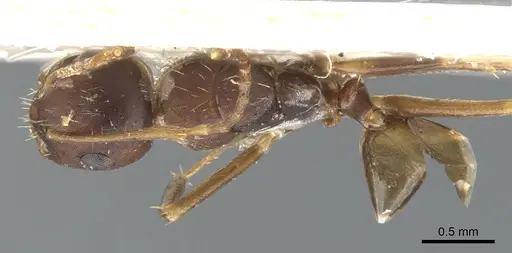
Литература
Загрузка карты распределения...Загрузка товаров...