
Camponotus hospes
- Науч. назв.
- Camponotus hospes
- Подрод
- Myrmoplatys
- Триба
- Camponotini
- Подсемейство
- Formicinae
- Автор
- Emery, 1885
- Распространение
- Встречается в 0 странах
Введение
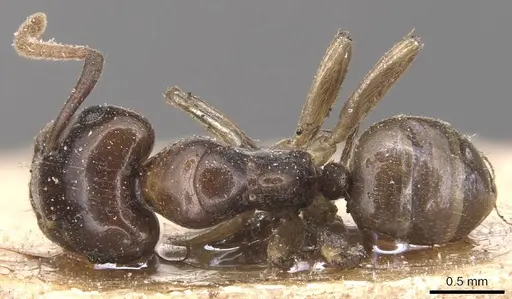
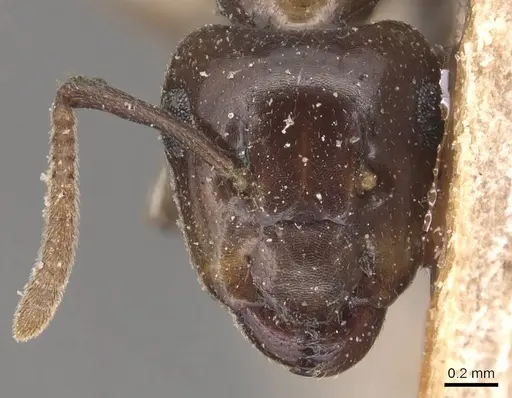
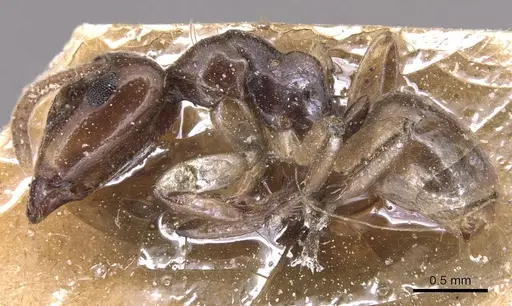
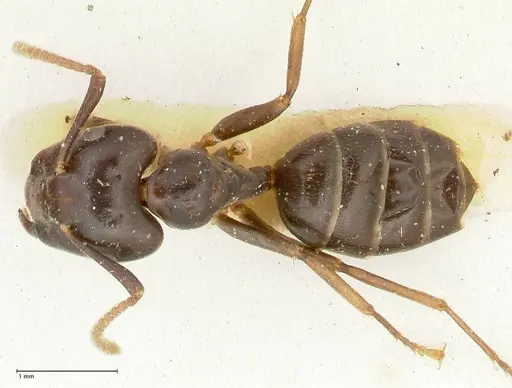
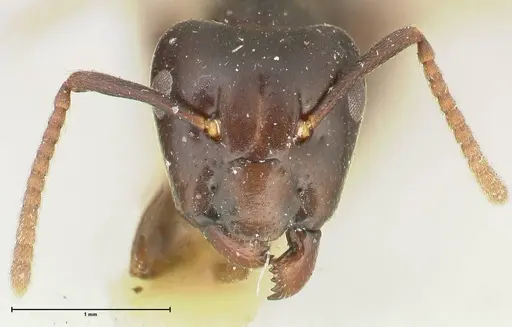
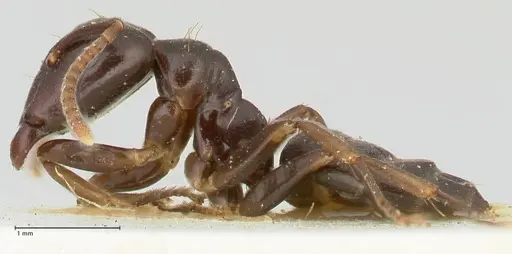
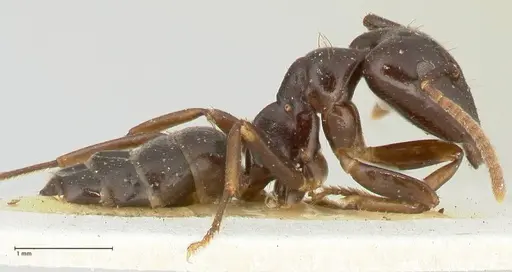
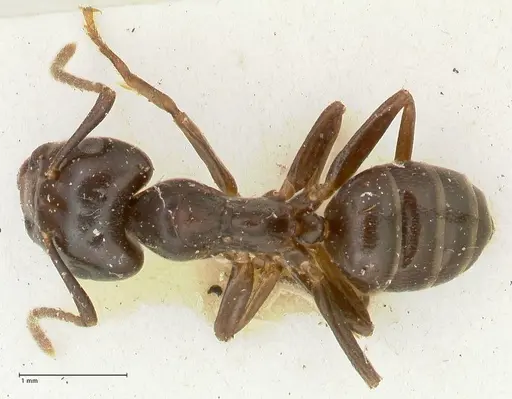
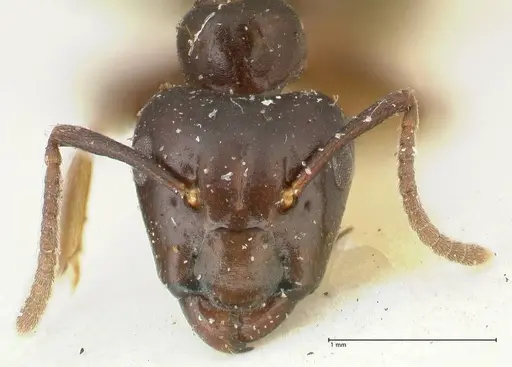
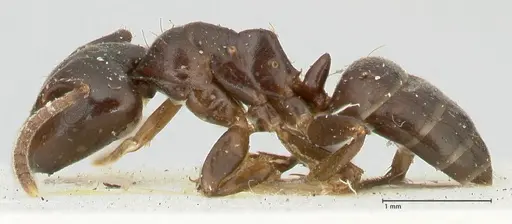
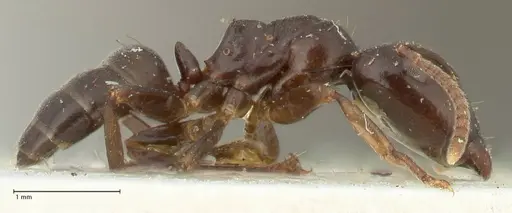
Camponotus hospes is a medium-sized carpenter ant native to Southeast Asia, found in Borneo, Sumatra, and Peninsular Malaysia . They inhabit lowland dipterocarp forests and nest exclusively inside the thickened stems of rattan palms (Korthalsia spp.) . Size data is unavailable from direct studies, but inferred from Camponotus genus patterns as approximately 6-12mm for workers and 12-16mm for queens. This species is unusual because it specializes in living inside rattan stems, providing protection in tropical forests.
Quick Summary
- Difficulty: Medium
- Origin & Habitat: Southeast Asia, found in Borneo, Sumatra, Peninsular Malaysia, and Brunei in tropical lowland dipterocarp forests [1][2]. They nest inside rattan palm stems (Korthalsia spp.) [3].
- Colony Type: Based on Camponotus patterns, likely monogyne (single queen), but colony structure has not been directly studied.
- Size & Growth:
- Queen: ~12-16mm, inferred from Camponotus genus
- Worker: ~6-12mm, inferred from Camponotus genus
- Colony: Up to several hundred workers, estimated from related species
- Growth: Moderate
- Development: Estimated 6-8 weeks at tropical temperatures, inferred from Camponotus genus patterns (Development time is inferred, specific data for this species is unavailable)
- Antkeeping:
- Temperature: Keep at 24-28°C, these are tropical forest ants that need warm, stable conditions. A heating cable on one side of the nest creates a suitable gradient.
- Humidity: Keep the nest substrate consistently moist but not waterlogged, as they come from damp tropical forests [3].
- Diapause: No, as a tropical species, they do not require hibernation. Maintain warm conditions year-round.
- Nesting: This species naturally nests inside rattan stems, so they need a nest that mimics narrow, enclosed spaces. A Y-tong (AAC) nest with narrow chambers or a plaster nest with tight passages works well. Avoid large open spaces, they prefer snug chambers scaled to their size.
- Behavior: These ants are relatively calm and not aggressive toward keepers. They are arboreal foragers, naturally climbing trees in search of honeydew and small prey. Workers forage along surfaces and can be active throughout the day. They have the typical Camponotus ability to bite and spray formic acid, but are not particularly powerful. Escape prevention is important since they can climb smooth surfaces, use fluon barriers and ensure lids fit tightly.
- Common Issues: tropical species may struggle in air-conditioned rooms or cool climates, keep them warm, nesting in rattan means they prefer tight, enclosed spaces, too-large chambers may cause stress, high humidity requirements can lead to mold if ventilation is poor, balance humidity with airflow, wild-caught colonies may have parasites or diseases that cause colony failure in captivity
Natural History and Nesting
Camponotus hospes is a specialized ant that nests exclusively inside the thickened stems of rattan palms, particularly Korthalsia species [3]. This is unusual behavior, most carpenter ants nest in wood, but this species has adapted to live inside the hollow, fibrous stems of these spiny climbing palms. In the wild, they are found in lowland dipterocarp forests where they forage on tree trunks and in the canopy [1]. The rattan stems provide protection from predators and the elements while allowing the colony to move vertically through the forest. In captivity, you should provide nesting material that mimics these tight, enclosed spaces, narrow chambers that feel secure and protected.
Housing and Nest Setup
For Camponotus hospes, choose a nest with narrow passages and tight chambers rather than large open spaces. A Y-tong (AAC) formicarium works well because the chambers are appropriately sized and the ants can feel secure. You can also use a plaster nest with narrow tunnels. The key is to match the nest dimensions to their small-to-medium size, avoid chambers that are too spacious. Since they naturally live inside plant stems, they appreciate having multiple small rooms connected by narrow passages. Keep the nest humid but ensure some ventilation to prevent mold. A water tube attached to the nest provides constant moisture.
Feeding and Diet
Like other Camponotus species, these ants are omnivores that accept both sugar sources and protein. Offer sugar water, honey, or diluted maple syrup as a constant energy source. For protein, provide small insects like fruit flies, pinhead crickets, or mealworms. Since they are arboreal foragers in nature, they likely collect honeydew from aphids and scale insects in the wild, so sugar sources are important. Feed protein prey 2-3 times per week, removing any uneaten food after 24 hours to prevent mold. Fresh water should always be available.
Temperature and Seasonal Care
As a tropical species from Southeast Asia, Camponotus hospes needs warm conditions year-round. Keep the nest area at 24-28°C for optimal brood development. You can use a heating cable placed on top of the nest (never underneath, as excessive heat can dry out the nest and harm the colony). Create a temperature gradient so ants can move between warmer and cooler areas. Unlike temperate ants, they do not require a winter dormancy period, maintaining consistent tropical conditions is essential for their health. Avoid keeping them in air-conditioned rooms or cool basements.
Behavior and Handling
Camponotus hospes workers are relatively calm and not prone to biting. When disturbed, they may retreat into their nest rather than attack. Workers are active foragers that will explore their outworld searching for food. They can climb smooth surfaces, so use fluon or another barrier to prevent escapes. They are not aggressive toward humans and pose no danger to keepers. The colony will establish a foraging pattern once they feel secure in their new setup. Be patient during the founding stage, queens may take several weeks to lay their first eggs.
Frequently Asked Questions
How long does it take for Camponotus hospes to have first workers?
Based on Camponotus genus patterns, expect first workers approximately 6-8 weeks after the queen lays eggs, provided temperatures are kept at 24-28°C. Development is faster than temperate species due to their tropical origin.
Can I keep Camponotus hospes in a test tube?
Test tubes work for the founding stage, but you may need to upgrade to a proper formicarium as the colony grows. These ants prefer tight, enclosed spaces, so a test tube with a cotton barrier and water reservoir can work well for founding colonies.
What temperature do Camponotus hospes need?
Keep them at 24-28°C. These tropical ants need warm conditions year-round and do not tolerate cool temperatures well.
Do Camponotus hospes need hibernation?
No. As a tropical species from Southeast Asia, they do not require a winter dormancy period. Keep them warm throughout the year.
How big do Camponotus hospes colonies get?
Colony size is not well documented, but based on related species, expect up to several hundred workers at maturity. Growth is moderate.
What do Camponotus hospes eat?
They are omnivores. Offer sugar water, honey, or maple syrup as a constant energy source, and protein prey like small insects 2-3 times per week.
Are Camponotus hospes good for beginners?
This species is rated Medium difficulty. They have specific humidity and temperature needs typical of tropical ants, and their rattan-nesting behavior means they need appropriate nest setups. Some antkeeping experience is helpful.
When should I move Camponotus hospes to a formicarium?
Move from a test tube to a formicarium when the colony reaches a crowded state or when workers are exploring frequently. They prefer nests with narrow chambers, so choose appropriately sized formicaria.
Why are my Camponotus hospes dying?
Common causes include: temperatures too low (below 24°C), humidity too low or too high (aim for balanced moisture), mold from poor ventilation, or stress from too-large nesting chambers. Check that conditions match their tropical forest requirements.
Report an Issue
The current care sheet is based fully on literature. See inconsistencies, or something that's incorrect? Please , it will be resolved after review from an admin. Contributing to the blogs tab also helps providing information, to make us be able to further improve the caresheets. Thank you for your support!
References

Эта инструкция по уходу лицензирована по CC BY-SA 4.0 .
Блоги сообщества
Литература
Загрузка карты распределения...Загрузка товаров...