
Camponotus gilviceps
- Науч. назв.
- Camponotus gilviceps
- Подрод
- Myrmotarsus
- Триба
- Camponotini
- Подсемейство
- Formicinae
- Автор
- Roger, 1863
- Распространение
- Встречается в 0 странах
Введение
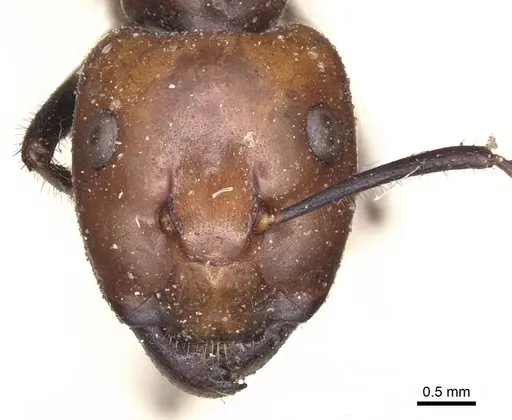
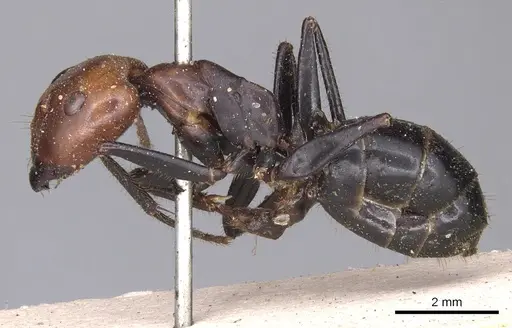
Camponotus gilviceps is a medium-sized carpenter ant native to Southeast Asia, specifically found in Borneo, Indonesia (Sumatra), and Malaysia (Sarawak) . Workers are polymorphic with major and minor castes, but total body size data is unavailable from research. The species was originally described as Formica ruficeps by Smith in 1857,but renamed by Roger in 1863 due to naming conflicts . It belongs to the Formicinae subfamily and Camponotini tribe, and as a tropical species, it likely inhabits humid lowland rainforests.
Quick Summary
- Difficulty: Medium
- Origin & Habitat: Native to the Indomalaya region, specifically Borneo, Indonesia (Sumatra), and Malaysia (Sarawak) [1][2]. Found in lowland rainforest environments typical of tropical Southeast Asia.
- Colony Type: Based on Camponotus patterns, likely monogyne colonies with a single queen, but this is unconfirmed for this species.
- Size & Growth:
- Queen: Size data unavailable, no total length measurements in research
- Worker: Size data unavailable, no total length measurements in research
- Colony: Unknown, no data on maximum colony size available
- Growth: Moderate, inferred from genus patterns
- Development: Estimated 6-8 weeks at optimal temperatures, based on related Camponotus species (Development time is estimated from genus-level data since species-specific studies are unavailable)
- Antkeeping:
- Temperature: Keep warm, roughly 24-28°C, based on tropical habitat
- Humidity: Keep nest substrate consistently moist but not waterlogged, as species is from humid tropics
- Diapause: No, tropical species do not require hibernation
- Nesting: Y-tong or plaster nests work well, providing humid conditions
- Behavior: Generally calm for Camponotus, active foragers, moderate escape risk due to size
- Common Issues: temperatures below 22°C can weaken the colony and slow brood development, dry conditions can cause colony decline due to humidity needs, slow initial growth may test patience of keepers, wild-caught colonies may harbor parasites affecting survival, workers can chew through weak barriers, requiring secure enclosures
Nest Preferences
Camponotus gilviceps naturally nests in rotting wood, under bark, or in moist tree hollows in rainforest environments [2]. In captivity, use Y-tong or plaster nests to maintain humid conditions. Keep the nest substrate consistently moist but not waterlogged, as this species comes from humid tropics. Avoid dry environments entirely. For founding colonies, a test tube setup can work initially, but transfer to a proper nest once the colony grows.
Feeding and Diet
Like most Camponotus, this species is omnivorous. Feed protein sources like small insects 2-3 times per week and provide sugar water constantly. In the wild, they likely forage for honeydew and small arthropods. Remove uneaten prey after 24 hours to prevent mold.
Temperature and Care
As a tropical species, keep temperatures warm and stable, roughly 24-28°C. Avoid prolonged temperatures below 22°C. No hibernation is required. Use heating cables on one side of the nest to create a gradient if needed, but avoid drying out the substrate.
Behavior and Temperament
Workers are generally calm and active foragers, with major workers defending the nest when threatened. They are moderate escape artists, so use fluon on barriers. Formic acid spray is a defense mechanism typical of Formicinae ants.
Frequently Asked Questions
How long does it take for Camponotus gilviceps to have first workers?
Expect first workers around 6-8 weeks after queen lays eggs, estimated from related Camponotus species. Growth is slow initially but accelerates with worker emergence.
Can I keep Camponotus gilviceps in a test tube?
Yes, test tubes work for founding colonies. Once the colony reaches 20-30 workers, move to a proper nest like Y-tong or plaster for better humidity control.
What temperature do Camponotus gilviceps need?
Keep them at roughly 24-28°C, as they are tropical species. Avoid temperatures below 22°C.
Are Camponotus gilviceps good for beginners?
They are moderate difficulty due to humidity and temperature needs. If you can maintain warm, humid conditions, they are suitable, but slow growth may test patience.
How big do Camponotus gilviceps colonies get?
Colony size is unknown from research, but based on genus patterns, they may reach several hundred workers.
Do Camponotus gilviceps need hibernation?
No, as a tropical species, they do not require hibernation and need warm conditions year-round.
What do Camponotus gilviceps eat?
They are omnivorous, feeding on small insects for protein and sugar sources like honey water.
When should I move Camponotus gilviceps to a formicarium?
Move them when the colony reaches 20-30 workers, as test tubes become harder to maintain. Use nests with good humidity control.
Why is my Camponotus gilviceps colony declining?
Check temperature, humidity, and food quality. Wild-caught colonies may have parasites. If conditions are correct, the queen may be infertile or infected.
Report an Issue
The current care sheet is based fully on literature. See inconsistencies, or something that's incorrect? Please , it will be resolved after review from an admin. Contributing to the blogs tab also helps providing information, to make us be able to further improve the caresheets. Thank you for your support!
References

Эта инструкция по уходу лицензирована по CC BY-SA 4.0 .
Блоги сообщества
CASENT0901896
Посмотреть на AntWeb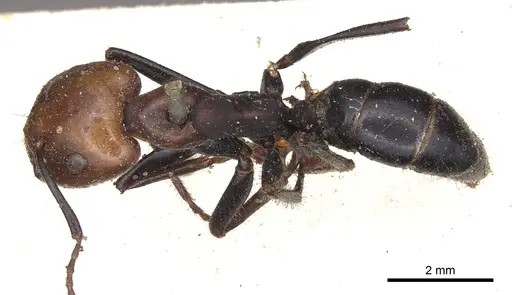
Литература
Загрузка карты распределения...Загрузка товаров...