
Camponotus berthoudi
- Науч. назв.
- Camponotus berthoudi
- Подрод
- Myrmopiromis
- Триба
- Camponotini
- Подсемейство
- Formicinae
- Автор
- Forel, 1879
- Распространение
- Встречается в 0 странах
Введение
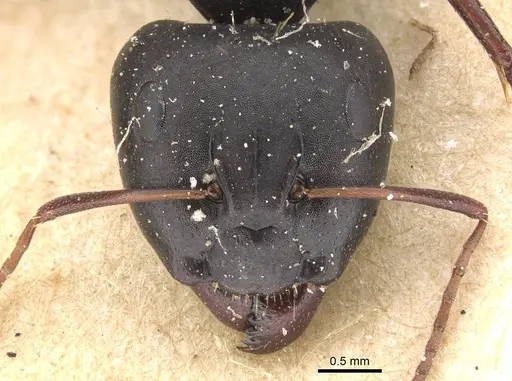
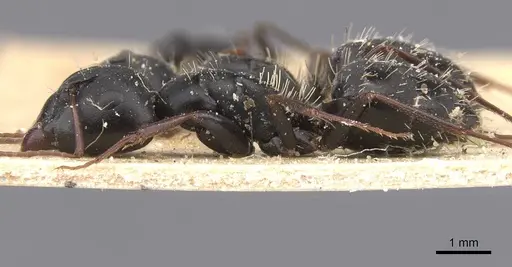
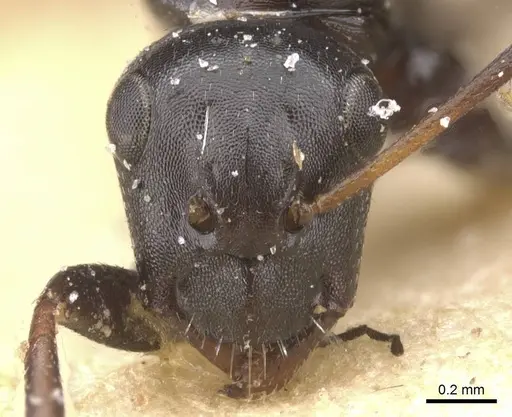
Camponotus berthoudi is a medium-sized ant species belonging to the Camponotus niveosetosus species group. Workers are polymorphic, with larger major workers and smaller minor workers. Coloration is dark brown to black, typical of many Camponotus ants. This ant is native to the Afrotropical region, found in South Africa and Kenya. As a member of the Formicinae subfamily, they lack a stinger but can spray formic acid as a defense mechanism. The species was first described by Forel in 1879 from specimens collected in South Africa's Transvaal region .
Quick Summary
- Difficulty: Medium
- Origin & Habitat: Native to South Africa and Kenya in the Afrotropical region [1]. Specific nesting habitat preferences are not documented in available research.
- Colony Type: Colony structure is unconfirmed. Most Camponotus species establish single-queen colonies, but specific data for C. berthoudi is unavailable.
- Size & Growth:
- Queen: Size data unavailable for this species. Based on typical Camponotus patterns, queens likely fall in the 12-18mm range.
- Worker: Size data unavailable. Camponotus workers typically range from 4-12mm depending on caste.
- Colony: Maximum colony size is unconfirmed for this species.
- Growth: Growth rate is unconfirmed for this species.
- Development: Development timeline is unconfirmed for this species. (Specific development data is not available. Monitor your colony and adjust conditions based on observed growth patterns.)
- Antkeeping:
- Temperature: Keep nest area at 24-26°C. A gentle temperature gradient allows ants to self-regulate.
- Humidity: Maintain moderate humidity. Keep nest substrate slightly moist but not waterlogged. Provide a water tube for drinking.
- Diapause: This subtropical species does not require true hibernation. A slight temperature reduction to around 18-20°C during winter months may simulate natural seasonal cycles.
- Nesting: Y-tong (AAC) nests work well for this species. They prefer appropriately sized chambers. Test tube setups are suitable for founding colonies.
- Behavior: Camponotus berthoudi is generally calm and not aggressive. Workers forage for sugar sources and protein. Major workers can defend the colony using their mandibles and by spraying formic acid. Escape risk is moderate, use standard barrier methods.
- Common Issues: founding phase is slow and queens are easily disturbed when sealed in chambers, overfeeding can cause mold problems in test tube setups, colonies may stall if temperature drops below optimal range, major workers have strong mandibles, ensure enclosure barriers are secure, wild-caught colonies may carry parasites
Nest Preferences
Camponotus berthoudi likely nests in soil and under stones in its native African habitat, similar to other Camponotus species. For captive care, Y-tong (AAC) nests provide excellent visibility. Chambers should be appropriately sized, not too large, as ants prefer snug spaces. Test tube setups work well for founding colonies. Ensure the nest has a water reservoir or moisture source. [1]
Feeding and Diet
Like most Camponotus species, C. berthoudi is omnivorous with a preference for sugar sources. Offer sugar water or diluted honey as a constant energy source. For protein, provide small insects like fruit flies, small mealworms, or cricket pieces. Feed protein sources 2-3 times per week based on colony size. Remove uneaten prey after 24-48 hours to prevent mold. Fresh water should always be available.
Temperature and Care
Maintain nest temperatures between 24-26°C for optimal brood development. This species originates from a subtropical region and does not require hibernation. A heating cable placed on top of the nest can help maintain warmth in cooler rooms, but avoid excessive drying. Monitor colony activity, if workers cluster near the heat source, the nest may be too cool.
Behavior and Temperament
Camponotus berthoudi exhibits typical Camponotus behavior, relatively calm workers that forage actively but are not aggressive toward keepers. Major workers serve as defenders and can deliver a pinch with their mandibles. As Formicinae, they lack a stinger but can spray formic acid as a defense. Workers are crepuscular to nocturnal. The colony will establish foraging trails to food sources once workers emerge. [1]
Colony Founding
Most Camponotus species use claustral founding, where the queen seals herself in a chamber and survives on stored fat reserves until first workers emerge. However, specific founding behavior is unconfirmed for C. berthoudi. Keep founding setups in a quiet, dark location with stable temperature around 24-26°C. Do not disturb the queen until workers emerge.
Frequently Asked Questions
How long does it take for Camponotus berthoudi to produce first workers?
Specific development timeline is unconfirmed for this species. Based on typical Camponotus patterns, first workers may appear in 6-8 weeks under optimal conditions, but this is not verified for C. berthoudi.
Can I keep Camponotus berthoudi in a test tube for founding?
Yes, test tubes work well for founding. Use a small test tube with a water reservoir separated by a cotton ball. Keep it in a dark, quiet location with stable temperature around 24-26°C. Do not disturb the queen until workers emerge.
What do Camponotus berthoudi ants eat?
They need a balanced diet of sugar and protein. Offer sugar water or diluted honey as a constant sugar source. For protein, provide small insects like fruit flies, small mealworms, or cricket pieces 2-3 times per week.
What temperature is best for Camponotus berthoudi?
Keep the nest at 24-26°C. This subtropical species does not require hibernation. A gentle temperature gradient allows the colony to self-regulate.
How big do Camponotus berthoudi colonies get?
Maximum colony size is unconfirmed for this species. Related Camponotus species often reach several hundred workers at maturity.
Is Camponotus berthoudi good for beginners?
This species is rated as Medium difficulty. It is more forgiving than some exotic species but requires attention to temperature and feeding. The slow founding phase may test patience.
When should I move my colony to a formicarium?
Move to a larger nest once the colony reaches 50-100 workers and the test tube setup becomes cramped. Ensure the new setup has appropriately sized chambers and a water source before transferring.
Do Camponotus berthoudi need hibernation?
No, this subtropical African species does not require true hibernation. However, a slight temperature reduction to 18-20°C during winter months may simulate natural seasonal changes.
Why is my founding queen not laying eggs?
Several factors can cause this: temperature outside optimal range, disturbance from vibrations or light, or the queen may be too old or unhealthy. Ensure stable 24-26°C temperatures and a dark, quiet location.
Report an Issue
The current care sheet is based fully on literature. See inconsistencies, or something that's incorrect? Please , it will be resolved after review from an admin. Contributing to the blogs tab also helps providing information, to make us be able to further improve the caresheets. Thank you for your support!
References

Эта инструкция по уходу лицензирована по CC BY-SA 4.0 .
Блоги сообщества
CASENT0910455
Посмотреть на AntWeb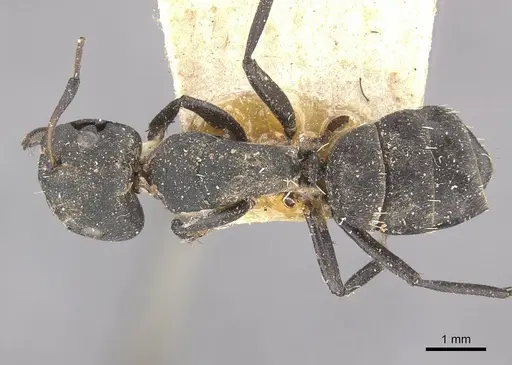
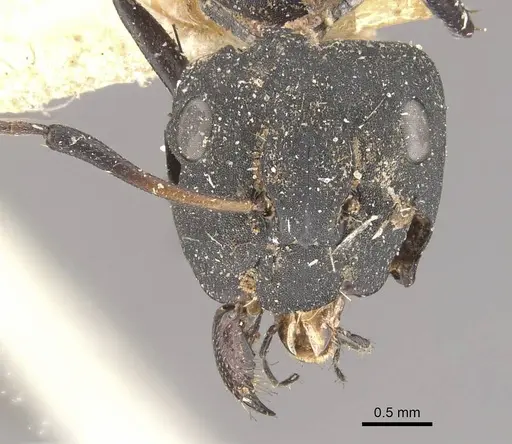
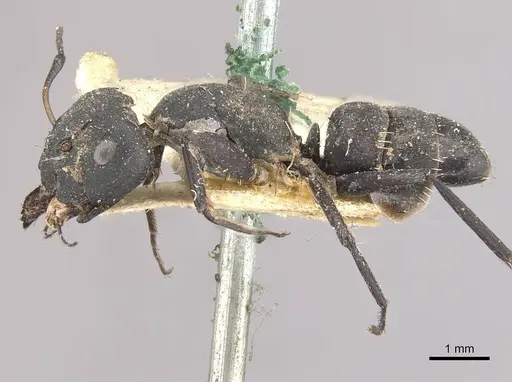
CASENT0911758
Посмотреть на AntWeb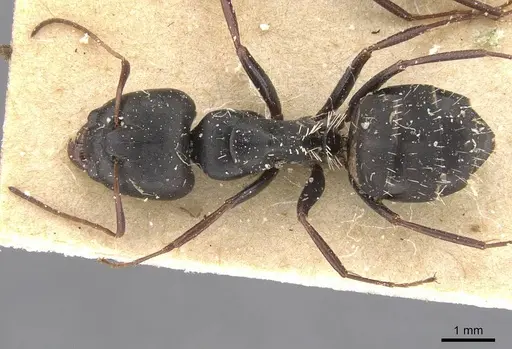
CASENT0911759
Посмотреть на AntWeb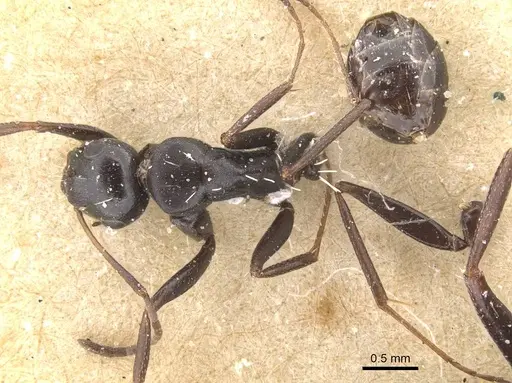
Литература
Загрузка карты распределения...Загрузка товаров...