
Camponotus belumensis
- Науч. назв.
- Camponotus belumensis
- Подрод
- Karavaievia
- Триба
- Camponotini
- Подсемейство
- Formicinae
- Автор
- Dumpert, 1995
- Распространение
- Встречается в 0 странах
Введение
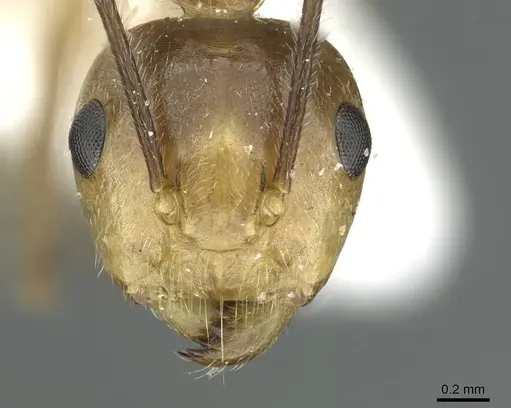
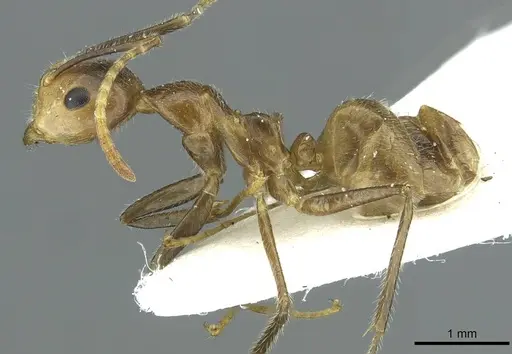
Camponotus belumensis is a small weaver ant from the Karavaievia subgenus, found exclusively in primary rainforests of Peninsular Malaysia. Workers have a total length of 4.2-4.3 mm and are uniformly yellowish-brown with a shiny appearance, while queens are larger at 9.0 mm with a dark brown body and reddish-brown segment borders . This species uses silk to weave leaves into nest structures, typically located 3-4 meters above ground in the rainforest canopy .
Quick Summary
- Difficulty: Medium
- Origin & Habitat: Peninsular Malaysia, primary rainforest at 320 meters elevation, nesting in tree canopies [1].
- Colony Type: Unconfirmed, no specific data on queen number, but based on Camponotus patterns, likely monogyne (single-queen colonies).
- Size & Growth:
- Queen: 9.0 mm [1]
- Worker: 4.2-4.3 mm [1]
- Colony: Colony size data unavailable, no research on maximum workers.
- Growth: Moderate, inferred from tropical Camponotus patterns.
- Development: Unknown, no species-specific data, estimated 6-8 weeks based on genus patterns. (Development likely similar to other tropical Camponotus species, temperature-dependent.)
- Antkeeping:
- Temperature: Keep at 24-28°C [1].
- Humidity: Keep nest substrate consistently moist but not waterlogged [1].
- Diapause: No, tropical species do not require hibernation, maintain warm conditions year-round.
- Nesting: Arboreal weaver ants. Use Y-tong, plaster, or 3D-printed nests with multiple chambers. Provide vertical space and materials like leaf fragments for weaving [1].
- Behavior: Workers are generally calm and non-aggressive, using silk to construct nests [1]. Escape risk is moderate, use Fluon on container edges.
- Common Issues: high humidity can lead to mold if ventilation is poor., temperatures below 22°C may stress the colony., weaver behavior requires materials for nest construction, plain nests may not suit their instincts., colony growth is slow compared to common pet ant species.
Nest Preferences and Housing
Camponotus belumensis is an arboreal weaver ant that naturally builds nests by weaving leaves with silk, typically 3-4 meters above ground [1]. In captivity, use Y-tong, plaster, or 3D-printed nests with multiple connected chambers. Provide vertical space and materials like small leaf pieces or cotton fibers to encourage natural weaving behavior [1]. Maintain high humidity with good ventilation to prevent mold.
Feeding and Diet
Like other Camponotus species, C. belumensis is omnivorous. Offer sugar water or honey constantly for energy, and provide small insects like fruit flies or mealworm pieces 2-3 times per week for protein [1]. Remove uneaten prey after 24 hours to avoid mold in humid setups.
Temperature and Humidity Requirements
As a tropical species, C. belumensis needs warm and humid conditions. Maintain temperatures at 24-28°C using a heating cable if needed [1]. Keep nest substrate moist but not waterlogged, with adequate ventilation to prevent mold [1].
Behavior and Colony Life
Workers are monomorphic and use silk to construct protective nests [1]. They are moderately active foragers, calm compared to many Camponotus species, and spray formic acid for defense rather than stinging. Colonies grow slowly, with first workers emerging after several weeks under optimal conditions.
Frequently Asked Questions
How long does it take for Camponotus belumensis to raise first workers?
No species-specific data exists, estimated 6-8 weeks at 24-28°C based on genus patterns [1].
Do Camponotus belumensis ants need hibernation?
No, as a tropical species, they do not require diapause, keep them warm year-round.
What do Camponotus belumensis eat?
They are omnivorous: offer sugar water or honey constantly, and small insects 2-3 times per week [1].
Are Camponotus belumensis good for beginners?
This is not an ideal beginner species due to specific humidity needs and slow growth, experienced keepers are better suited [1].
How big do Camponotus belumensis colonies get?
Colony size data is unavailable from research [1].
What temperature is best for Camponotus belumensis?
Keep them at 24-28°C [1].
Can I keep multiple Camponotus belumensis queens together?
Unconfirmed, no data on queen number, but based on Camponotus patterns, likely monogyne (single-queen colonies).
Why is my Camponotus belumensis colony dying?
Common causes include temperatures below 22°C, poor ventilation leading to mold, or dry substrate, ensure warm, humid conditions with airflow [1].
Report an Issue
The current care sheet is based fully on literature. See inconsistencies, or something that's incorrect? Please , it will be resolved after review from an admin. Contributing to the blogs tab also helps providing information, to make us be able to further improve the caresheets. Thank you for your support!
References

Эта инструкция по уходу лицензирована по CC BY-SA 4.0 .
Блоги сообщества
CASENT0905897
Посмотреть на AntWeb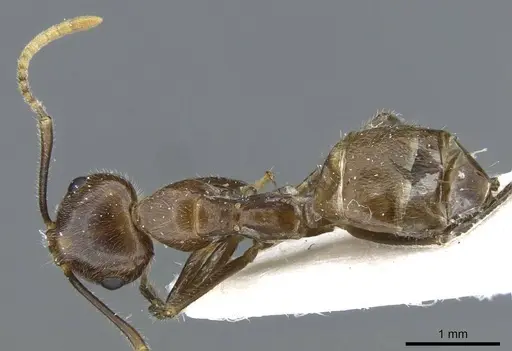
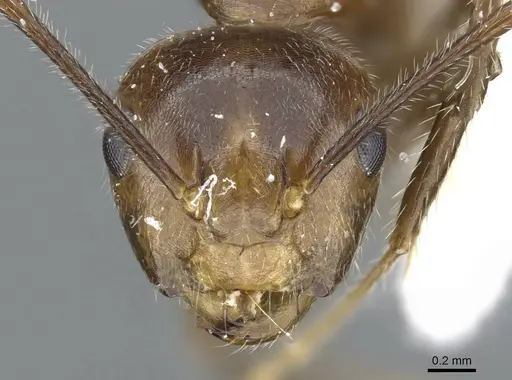
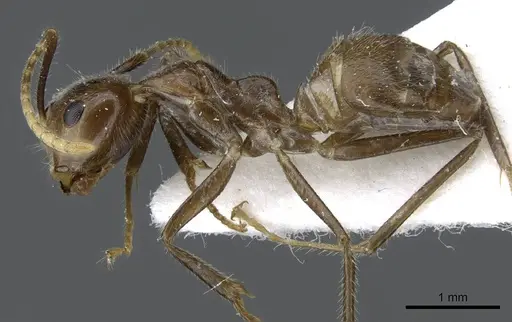
CASENT0911634
Посмотреть на AntWeb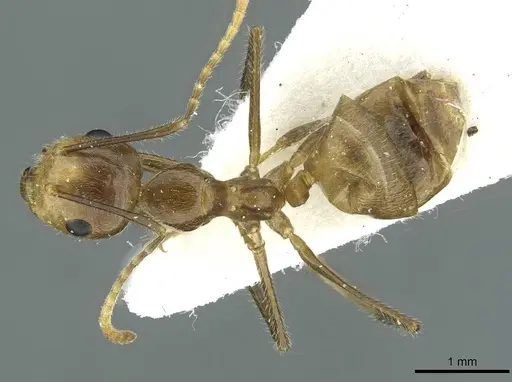
Литература
Загрузка карты распределения...Загрузка товаров...