
Azteca trianguliceps
- Науч. назв.
- Azteca trianguliceps
- Триба
- Leptomyrmecini
- Подсемейство
- Dolichoderinae
- Автор
- Forel, 1912
- Распространение
- Встречается в 0 странах
Введение
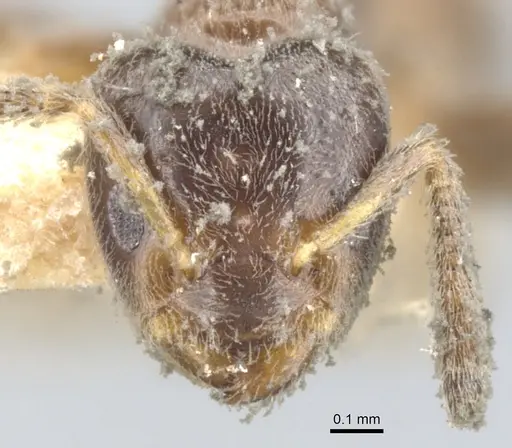
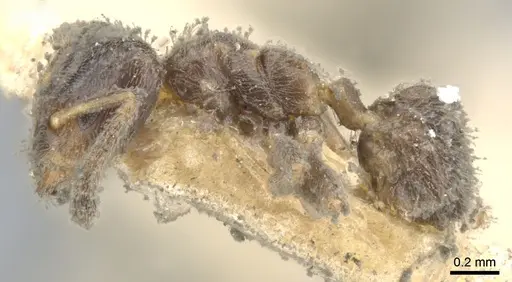
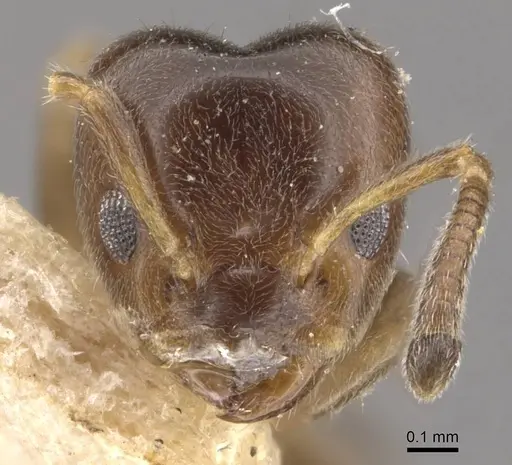
Azteca trianguliceps is a tropical ant species from the Dolichoderinae subfamily, originally described from the Brazilian Amazon (Rio Javary) in 1912 . Workers and queens were described in the original type series, though detailed morphological measurements are not available. As an Azteca species, these ants are tree-nesting ants that often inhabit hollow stems or plant domatia. The species name 'trianguliceps' refers to the triangular head shape. This species lacks a functional sting and instead uses chemical defensive secretions, which is typical of Dolichoderinae ants. Given the limited scientific documentation on this specific species, much of what is known comes from general Azteca genus biology.
Quick Summary
- Difficulty: Medium
- Origin & Habitat: Brazil (Amazonas region), specifically the Rio Javary area, described by A. Ducke [1]. As an Amazonian species, they inhabit tropical rainforest environments with high humidity and warm temperatures year-round.
- Colony Type: Unconfirmed, Azteca genus typically contains both single-queen (monogyne) and multiple-queen (polygyne) species, but the specific colony structure of A. trianguliceps has not been documented.
- Size & Growth:
- Queen: size data unavailable, no measurements exist for this species
- Worker: size data unavailable, no measurements exist for this species
- Colony: Unknown for this specific species
- Growth: Unknown, specific development data not studied
- Development: Unknown, this species has not been studied (Development time is unknown. Tropical ants typically develop faster than temperate species.)
- Antkeeping:
- Temperature: Keep at 24-28°C (warm tropical conditions). A heating cable on one side of the nest can create a temperature gradient if room temperature falls below this range.
- Humidity: High humidity is essential, aim for 70-85%. These are rainforest ants that need consistently moist conditions. Use a water reservoir in the nest and mist the outworld regularly.
- Diapause: No, as a tropical species from the Amazon, they do not require a winter dormancy period.
- Nesting: Azteca ants are naturally tree-nesting species that inhabit hollow stems, bamboo, or plant domatia. In captivity, a Y-tong (AAC) nest or plaster nest with narrow chambers works well.
- Behavior: Azteca ants are known for being defensive of their nests. They lack a functional sting and instead secrete defensive chemical compounds from the tip of the abdomen, this is typical of Dolichoderinae ants. Workers are active foragers that tend honeydew-producing insects and hunt small insects. Escape prevention is important, they are agile and can climb smooth surfaces.
- Common Issues: high humidity maintenance is critical, dry conditions will kill colonies quickly, defense mechanism is chemical secretion rather than sting, still avoid skin contact, tropical species may struggle in air-conditioned rooms or cool climates, limited species-specific information means care is based on genus-level estimates, colonies may be slow to establish initially
Origin and Natural Habitat
Azteca trianguliceps was originally described from the Brazilian Amazon region, specifically from the Rio Javary (Rio Javari) area, by entomologist A. Ducke in 1912 [1]. The Amazon basin provides a warm, humid tropical environment with year-round temperatures in the mid-20s to low 30s Celsius and high rainfall. In their natural habitat, Azteca species typically nest in pre-existing cavities in trees, hollow bamboo stems, or specialized plant structures called domatia. Some Azteca species form mutualistic relationships with plants, protecting them from herbivores in exchange for housing. The specific plant associations of A. trianguliceps are not documented.
Nest Preferences and Housing
In captivity, Azteca trianguliceps should be provided with nesting options that mimic their natural tree-dwelling habits. Y-tong (AAC) nests work well because they provide dark, enclosed chambers that these ants prefer. Plaster nests with water reservoirs are also suitable and help maintain the high humidity this species requires. Azteca ants often create multiple small entrance holes rather than using a single large opening, so providing some flexibility in nest design is beneficial. The outworld should be spacious enough for foraging and can include vertical structures like fake plants or branches that mimic their tree-nesting behavior.
Feeding and Diet
Like other Azteca species, A. trianguliceps likely has an omnivorous diet typical of Dolichoderine ants. They probably feed on honeydew collected from aphids and scale insects in their natural habitat, along with small insects and arthropods they can capture. In captivity, offer a varied diet including sugar water or honey (placed on a cotton swab or small dish), and protein sources such as small crickets, mealworms, or other appropriately sized insects. Feed protein sources 2-3 times per week, and keep sugar water available at all times. Remove uneaten prey after 24-48 hours to prevent mold issues.
Temperature and Humidity Requirements
As a tropical Amazonian species, Azteca trianguliceps requires warm and humid conditions. Maintain temperatures between 24-28°C, which is typical for tropical ant species. A slight temperature gradient (warm end around 28°C, cooler end around 24°C) allows the ants to regulate their body temperature by moving between areas. Heating cables placed on top of the nest can help maintain appropriate temperatures. Humidity should be kept high at 70-85%. This can be achieved through water reservoirs built into nest setups, regular misting of the outworld, and keeping the nest setup away from direct airflow or heating vents that would cause drying.
Behavior and Defense
Azteca ants are defensive of their nests. This species lacks a functional sting, instead, it secretes defensive chemical compounds from a slit-like opening at the tip of the abdomen, which is the typical defense mechanism for Dolichoderinae ants. When caring for this species, avoid skin contact with the secretions as they can cause irritation. Work slowly and gently to minimize disturbance. Workers are active foragers that will explore their outworld thoroughly. They are capable climbers and may attempt to escape through small gaps, so ensure that all escape prevention measures are secure.
Frequently Asked Questions
How long does it take for Azteca trianguliceps to produce first workers?
The exact timeline for this species is unknown as it has not been studied. Based on typical tropical ant development, expect several weeks from egg to first worker at optimal temperatures (25-28°C). The queen will remain sealed in her founding chamber until the first workers emerge.
What is the best nest type for Azteca trianguliceps?
Y-tong (AAC) nests or plaster nests with water reservoirs work well. These provide the dark, humid conditions this species requires.
Can I keep multiple Azteca queens together?
The colony structure of this specific species is unconfirmed. Some Azteca species are polygynous (multiple queens) while others are monogyne (single queen). It is not recommended to combine unrelated foundress queens, as they may fight rather than cooperate.
Are Azteca trianguliceps good for beginners?
This species is rated as Medium difficulty. While not the most challenging species, the high humidity requirements make it better suited for antkeepers with some experience. The limited species-specific information also means keepers should be prepared to adapt care based on observed colony behavior.
Do Azteca trianguliceps need hibernation or diapause?
No, as a tropical Amazonian species, they do not require a winter dormancy period. Maintaining year-round tropical conditions (24-28°C) is recommended.
What do Azteca trianguliceps eat?
They are omnivorous, likely feeding on honeydew from aphids/scale insects and small insects in the wild. In captivity, offer sugar water or honey continuously, and protein sources like small crickets or mealworms 2-3 times per week.
How big do Azteca trianguliceps colonies get?
The maximum colony size for this specific species is unknown. Azteca colonies can reach thousands of workers in some species.
Why are my Azteca trianguliceps dying?
The most common causes are low humidity (these rainforest ants need 70-85% humidity), temperatures outside their 24-28°C range, or stress from excessive disturbance. Ensure proper humidity, appropriate temperature, and minimize nest inspections during the founding and early growth phases.
When should I move my colony to a formicarium?
Wait until the colony has an established population of at least 20-30 workers before moving to a larger formicarium. The founding test tube setup should have adequate space for the growing colony. Moving too early can stress the queen and brood.
Report an Issue
The current care sheet is based fully on literature. See inconsistencies, or something that's incorrect? Please , it will be resolved after review from an admin. Contributing to the blogs tab also helps providing information, to make us be able to further improve the caresheets. Thank you for your support!
References

Эта инструкция по уходу лицензирована по CC BY-SA 4.0 .
Блоги сообщества
CASENT0903024
Посмотреть на AntWeb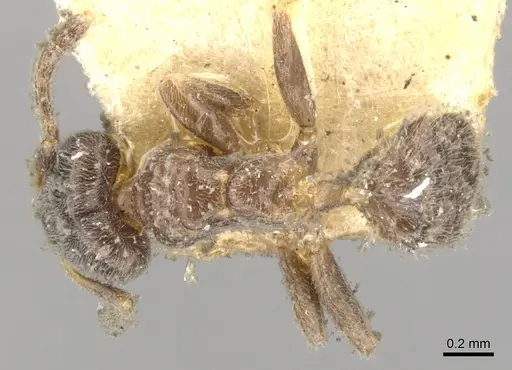
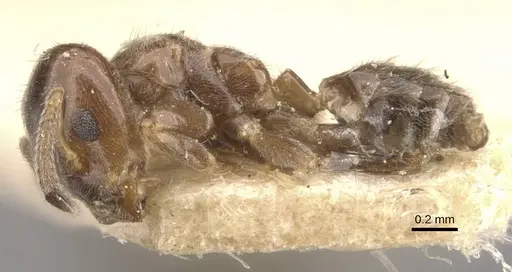
CASENT0909684
Посмотреть на AntWeb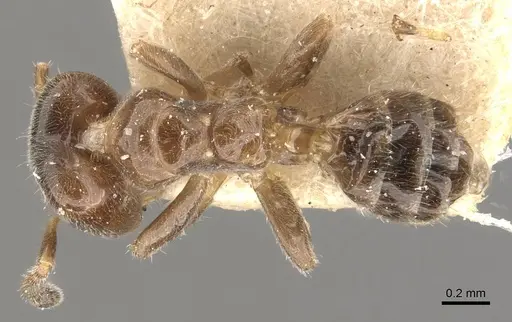
Литература
Загрузка карты распределения...Загрузка товаров...