
Aphaenogaster prudens
- Науч. назв.
- Aphaenogaster prudens
- Триба
- Stenammini
- Подсемейство
- Myrmicinae
- Автор
- Forel, 1902
- Распространение
- Встречается в 0 странах
Введение
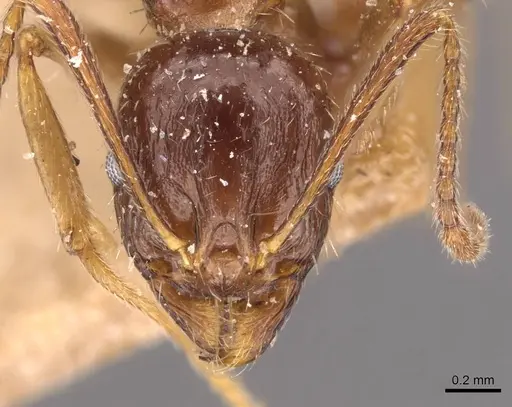
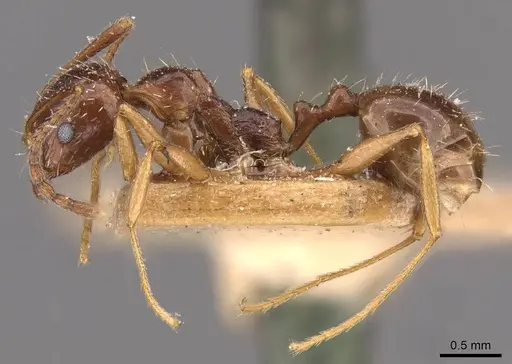
Aphaenogaster prudens is a rarely encountered mountain ant from the Himalayan region. Workers are small to medium-sized with the slender build typical of the genus. They inhabit montane forests at elevations between 2,300 and 2,900 meters in the mountains of India and Nepal [AntWiki]. Originally described in 1902 as a variety of Aphaenogaster smythiesii, this species was elevated to full species status by Collingwood in 1970 [AntWiki]. Their high-altitude origin in the cool Himalayan climate makes them a specialized species for captive keeping, requiring careful temperature management distinct from tropical ants.
Quick Summary
- Difficulty: Medium to Hard
- Origin & Habitat: Himalayan montane forests at 2,300-2,900m elevation in Northwest India (Uttarakhand, Mussoorie) and Nepal (Solukhumbu district) [1][2]
- Colony Type: Likely single-queen (monogyne) based on typical Aphaenogaster patterns, but unconfirmed in scientific literature
- Size & Growth:
- Queen: Size data unavailable, inferred from Aphaenogaster genus to be approximately 5-7mm
- Worker: Size data unavailable, inferred from Aphaenogaster genus to be approximately 3-5mm
- Colony: Unknown, likely up to several hundred workers based on related species
- Growth: Moderate to slow
- Development: Unknown, estimated 10-14 weeks at 20°C based on related temperate Aphaenogaster species (Development likely slower at cooler temperatures typical of their high-elevation habitat)
- Antkeeping:
- Temperature: Keep at 15-20°C during activity period. Never exceed 25°C. Provide winter diapause at 5-10°C [1]
- Humidity: Moderate to high. Keep nest substrate damp but not waterlogged, similar to forest floor conditions
- Diapause: Yes, required for 3-4 months due to high elevation origin [1]
- Nesting: Soil and rotting wood in nature. Use Y-tong, plaster, or naturalistic nests with good humidity retention
- Behavior: Active foragers with moderate aggression. Workers scout individually and recruit nestmates to food. Escape risk is moderate, standard barriers work for this size range.
- Common Issues: overheating is rapidly fatal, these high elevation ants cannot tolerate temperatures above 25°C., skipping winter diapause prevents proper brood development and leads to colony decline., extremely limited captive keeping data means care protocols are experimental and success is uncertain.
Temperature and Seasonal Care
Aphaenogaster prudens comes from high elevations in the Himalayas (2,300-2,900m) where temperatures remain cool year-round [1]. You must replicate these mountain conditions exactly. Keep the colony at 15-20°C during the spring and summer activity period. Use a heating cable on one side of the nest to create a gentle gradient, but never let the warm side exceed 22°C. These ants lack heat tolerance and will die quickly if temperatures reach 25°C or higher.
Winter care is absolutely critical. You must provide a diapause period of 3-4 months at 5-10°C. Gradually reduce temperatures by 2-3°C per week in autumn until you reach the winter resting temperature. Maintain this cool period through winter with minimal feeding. Resume gradual warming in spring to trigger renewed brood development. Without this cold rest period, the colony will fail to thrive.
Nest Preferences
In their natural Himalayan habitat, Aphaenogaster prudens nests in soil and rotting wood on the forest floor. For captive colonies, use Y-tong nests, plaster nests, or naturalistic setups that provide some depth and darkness. The nest material should hold moisture well without becoming waterlogged.
Provide a humidity gradient within the nest. Keep one side slightly damper while allowing the other side to remain moderately moist. This lets the colony choose their preferred conditions. Ensure adequate ventilation while maintaining humidity, stagnant air causes mold, but excessive airflow dries the nest too quickly. Add small pieces of rotting wood or leaf litter to the outworld to create a familiar environment. [1]
Feeding and Diet
Like other Aphaenogaster species, they are generalist foragers. Offer a varied diet including protein sources such as small insects (fruit flies, pinhead crickets, small mealworm pieces) and carbohydrates (sugar water, honey water). They may also accept small seeds typical of the genus.
Provide protein twice weekly and keep sugar water available constantly in a test tube or liquid feeder. Remove uneaten protein within 24-48 hours to prevent mold. During the winter diapause period, stop offering protein and reduce feeding to minimal sugar water only if the colony shows activity. [2]
Colony Founding
Founding behavior has not been documented in scientific studies for this specific species. Based on typical Aphaenogaster patterns, queens likely found colonies alone through claustral founding, meaning the queen seals herself in a chamber and raises the first workers on stored body fat without leaving to forage.
Keep founding queens in a test tube setup with a water reservoir, or a small founding nest, at 18-20°C with minimal disturbance. Provide complete darkness and only check weekly. Expect first workers (nanitics) in approximately 10-14 weeks, though this timeline is unconfirmed for this species and may vary significantly. Once workers arrive, begin offering small amounts of sugar water and tiny insect prey. [2]
Frequently Asked Questions
Do Aphaenogaster prudens need hibernation?
Yes. Their high mountain origin at 2,300-2,900 meters means they require a winter diapause period at 5-10°C for 3-4 months [1]. Without this cold rest, the colony will not develop properly.
What temperature should I keep my Aphaenogaster prudens colony?
Maintain 15-20°C during the active season (spring through autumn). Never exceed 25°C as these high elevation ants cannot tolerate heat [1]. Provide a winter cooling period at 5-10°C.
How long does Aphaenogaster prudens take from egg to worker?
The development timeline is unconfirmed for this species. Based on related temperate Aphaenogaster species, expect approximately 10-14 weeks at 20°C, though development likely slows at cooler temperatures.
Can I keep multiple Aphaenogaster prudens queens together?
Not recommended. While unconfirmed for this specific species, Aphaenogaster are typically single-queen (monogyne) and unrelated queens will likely fight. Only attempt if you have specific evidence of polygyny for this population.
What is the best nest type for Aphaenogaster prudens?
Use Y-tong (AAC), plaster, or naturalistic soil/wood nests that maintain humidity and provide darkness. Ensure the nest can be kept cool (15-20°C) and offers a humidity gradient.
Are Aphaenogaster prudens good for beginners?
No. They require specialized cool temperature management and mandatory diapause, and captive care data is extremely limited. They are better suited to keepers with experience in high-altitude or temperate ant species.
Where do Aphaenogaster prudens come from?
The Himalayan mountains of India (Northwest Himalaya, Uttarakhand, specifically Mussoorie) and Nepal (Solukhumbu district at Tate and Sikris) at elevations of 2,300-2,900 meters [1][2].
Do Aphaenogaster prudens ants sting?
Like most Aphaenogaster species, they possess a sting but are not medically significant. They rarely sting humans defensively and are not considered dangerous.
Report an Issue
The current care sheet is based fully on literature. See inconsistencies, or something that's incorrect? Please , it will be resolved after review from an admin. Contributing to the blogs tab also helps providing information, to make us be able to further improve the caresheets. Thank you for your support!
References

Эта инструкция по уходу лицензирована по CC BY-SA 4.0 .
Блоги сообщества
CASENT0907697
Посмотреть на AntWeb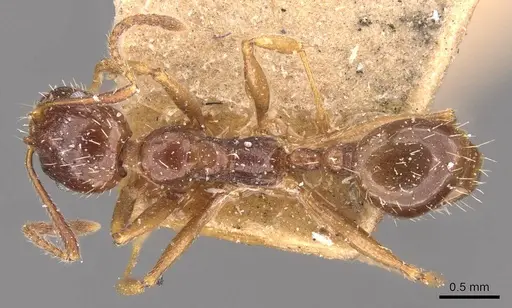
Литература
Загрузка карты распределения...Загрузка товаров...