
Aenictus punctiventris
- Науч. назв.
- Aenictus punctiventris
- Подсемейство
- Dorylinae
- Автор
- Emery, 1901
- Распространение
- Встречается в 0 странах
Введение
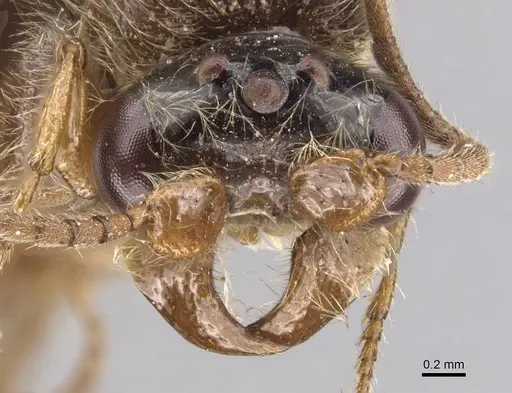
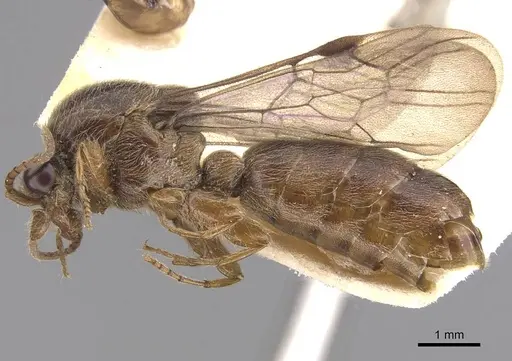
Aenictus punctiventris is an army ant species found across tropical Southeast Asia, including Borneo, Taiwan, Malaysia, and southern China . These ants belong to the subfamily Dorylinae, commonly known as army ants, which are specialized group predators that hunt in massive coordinated swarms rather than building permanent nests . Workers are small and uniform in size, while queens are dichthadiiform, wingless, blind, and with hugely distended abdomens specialized for egg-laying . The species was recorded in Taiwan when a queen was collected in Taihorin . Army ants like A. punctiventris are not suitable for home antkeeping. Their nomadic lifestyle, massive colony sizes, and constant need for live prey make them practical only for specialized research facilities with significant resources.
Quick Summary
- Difficulty: Expert
- Origin & Habitat: Tropical forests of Borneo (Indonesia and Malaysia), Taiwan, and southern China [1].
- Colony Type: Likely polygyne based on typical Aenictus biology, colonies contain multiple queens and reproduce through colony fission rather than single-queen founding.
- Size & Growth:
- Queen: ~10 mm, inferred from Aenictus genus patterns (dichthadiiform, wingless with large abdomen) [1].
- Worker: ~3 mm, inferred from Aenictus genus patterns [1].
- Colony: Thousands to tens of thousands of workers (typical for army ants) [1].
- Growth: Fast
- Development: approximately 3-5 weeks (estimated based on tropical army ant patterns at 26-28°C). (Exact timing unconfirmed for this species. Army ants typically develop rapidly in warm tropical conditions.)
- Antkeeping:
- Temperature: 25-28°C constant, inferred from tropical distribution [1].
- Humidity: High humidity 70-80%, inferred from tropical rainforest habitat [1].
- Diapause: No, tropical species do not hibernate [1].
- Nesting: Nomadic, no permanent nest. They form temporary bivouacs (living structures made of worker bodies). Captive housing requires massive enclosures with space for bivouac formation and extensive foraging areas.
- Behavior: Extremely aggressive group predators. Workers hunt in coordinated swarms and overwhelm prey through sheer numbers. High escape risk due to small worker size and relentless exploratory behavior.
- Common Issues: colonies require massive daily food inputs that are impractical for home keepers to provide., nomadic behavior causes severe stress in static enclosures, they need to move regularly., tiny workers escape through the tiniest gaps in standard enclosures., colony size quickly becomes unmanageable, reaching thousands of workers., lack of permanent nest makes temperature and humidity control extremely difficult.
Army Ant Biology and Natural History
Aenictus punctiventris belongs to the army ant subfamily Dorylinae. Unlike most ants that build permanent nests in soil or wood, army ants live a nomadic lifestyle. They form temporary living structures called bivouacs, where workers link their bodies together to create a protective mass around the queen and brood [1].
These ants are specialized predators that hunt in coordinated swarms. Workers pour out from the bivouac in search of prey, primarily attacking other ant colonies, termites, and small arthropods. They overwhelm prey through sheer numbers rather than individual combat. The colony stays in one place only as long as food is nearby, then the entire colony, queen, workers, and brood, moves to a new location, carrying their young with them [1].
Colonies reproduce by fission (splitting). When a colony grows large enough, it divides into two groups, each with some queens and workers. This is fundamentally different from the single-queen founding seen in most ant species.
Why These Ants Are Not Suitable for Home Keeping
You should not attempt to keep Aenictus punctiventris as a pet. Their biology makes them incompatible with standard antkeeping setups.
First, their nomadic behavior means they need to move their entire living space regularly. In a static formicarium, they become stressed and will eventually die. Second, their food requirements are enormous, a colony needs large amounts of live prey every single day, often other ant colonies or termite colonies, which is impossible for most keepers to supply sustainably. Third, colony sizes reach thousands or tens of thousands of workers, far exceeding what home enclosures can house. Finally, their small size and relentless exploratory behavior make escapes inevitable in standard setups.
These ants are only kept in specialized research facilities with extensive resources and large climate-controlled spaces. [1]
Housing Requirements
If attempted in a research context, Aenictus punctiventris requires massive, custom-built enclosures. Standard test tubes, Y-tong nests, or acrylic formicaria are completely unsuitable.
The enclosure must provide space for bivouac formation, ants need vertical surfaces or substrate they can grip to form their living nest structure. It must also include extensive foraging areas, as these ants range widely when hunting. The setup needs multiple chambers connected by tubes to allow for the colony's nomadic behavior, when one area becomes unsuitable, the colony must be able to move to a clean space.
Escape prevention is critical. Workers are tiny and can squeeze through the smallest gaps. Barriers must be perfect, and lids must seal tightly. The enclosure also needs excellent ventilation while maintaining high humidity, which is technically challenging for large spaces. [1]
Feeding and Diet
Aenictus punctiventris are obligate predators that require massive amounts of live prey. They cannot survive on sugar water, honey, or dead insects. In the wild, they specialize in raiding other ant nests and termite colonies [1].
Captive colonies would need daily supplies of live ants, termites, or other small arthropods. The quantity required, enough to feed thousands of workers, makes this impractical for home keeping. They do not accept commercial ant foods, seeds, or typical feeder insects like mealworms in the quantities needed. Without constant access to appropriate live prey, the colony will starve within days.
Temperature and Humidity
As a tropical species from Borneo and Taiwan, Aenictus punctiventris requires warm, stable temperatures between 25-28°C year-round [1]. They do not tolerate cold and will die if temperatures drop below 20°C for extended periods.
Humidity must remain high, around 70-80%, to prevent desiccation of the bivouac and brood. However, because they lack a permanent enclosed nest, maintaining both high humidity and adequate ventilation is challenging. The substrate should remain damp but not waterlogged, and the air should feel humid but not stagnant to prevent mold growth.
These ants do not hibernate and must be kept active and warm throughout the winter. Any cooling period will likely kill the colony.
Frequently Asked Questions
Can I keep Aenictus punctiventris in a test tube?
No. Test tubes are completely unsuitable for army ants. They need massive enclosures with space for bivouac formation and extensive foraging areas. A test tube would kill the colony through starvation and stress within days.
How long until Aenictus punctiventris gets their first workers?
This question does not apply to army ants. They do not found colonies with a single queen raising her first workers. Instead, new colonies form by fission (splitting) when a large colony divides. You cannot start with one queen and wait for workers.
Do Aenictus punctiventris need hibernation?
No. They are tropical ants from warm climates and must be kept at 25-28°C year-round. They do not hibernate and will die if cooled down.
Are Aenictus punctiventris good for beginners?
Absolutely not. They are among the most difficult ants to keep, requiring massive food supplies, huge enclosures, and specialized knowledge. They are not pets and should only be kept in research facilities.
How big do Aenictus punctiventris colonies get?
Colonies reach thousands to tens of thousands of workers based on typical Aenictus biology. This makes them impossible to house in standard home setups.
What do Aenictus punctiventris eat?
They are specialized predators that hunt other ants and termites. They require large amounts of live prey daily and cannot survive on sugar water or dead insects.
Can I keep multiple Aenictus punctiventris queens together?
Yes, army ant colonies naturally contain multiple queens. However, you cannot simply put unrelated queens together. Colonies grow through fission (splitting), not by adding new queens to existing colonies.
Report an Issue
The current care sheet is based fully on literature. See inconsistencies, or something that's incorrect? Please , it will be resolved after review from an admin. Contributing to the blogs tab also helps providing information, to make us be able to further improve the caresheets. Thank you for your support!
References

Эта инструкция по уходу лицензирована по CC BY-SA 4.0 .
Блоги сообщества
CASENT0903753
Посмотреть на AntWeb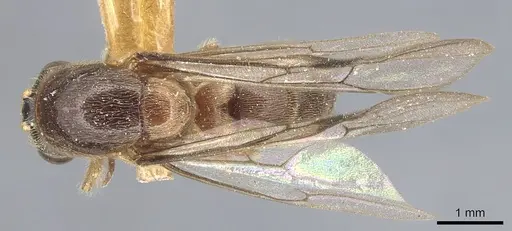
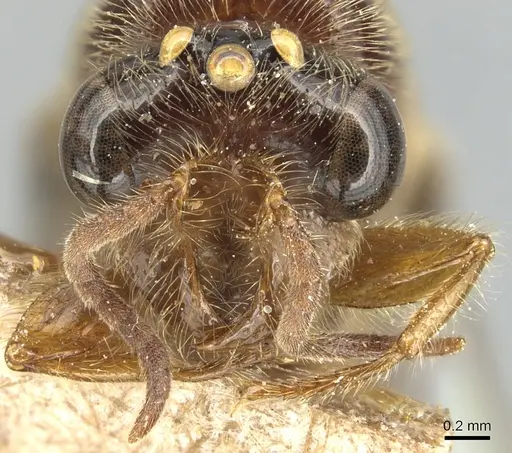
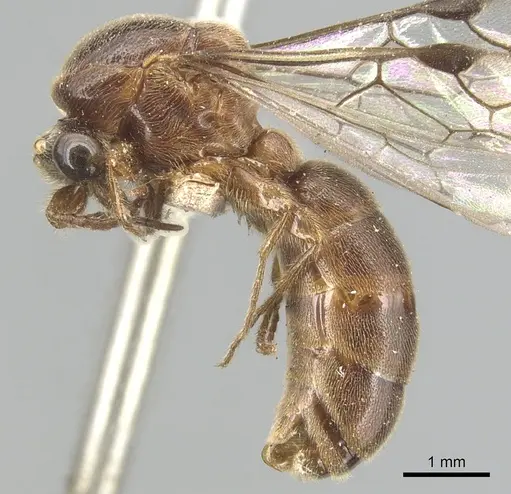
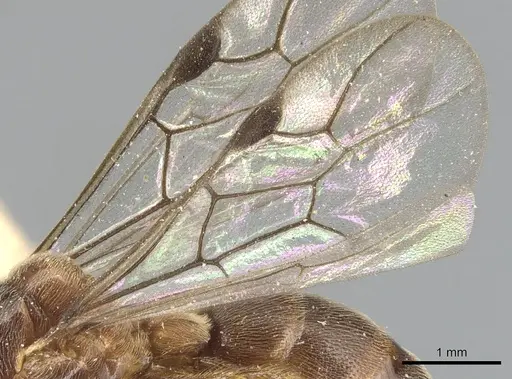
CASENT0907016
Посмотреть на AntWeb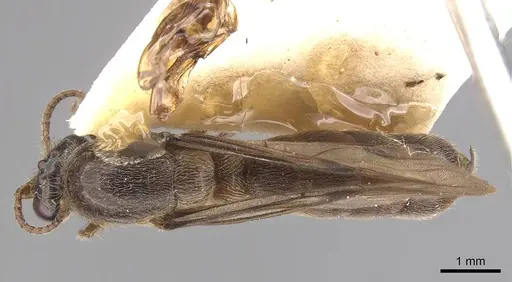
Литература
Загрузка карты распределения...Загрузка товаров...