
Aenictus crucifer
- Науч. назв.
- Aenictus crucifer
- Подсемейство
- Dorylinae
- Автор
- Santschi, 1914
- Распространение
- Встречается в 0 странах
Введение
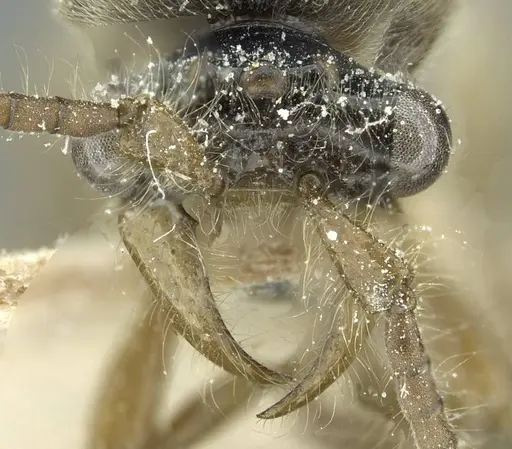
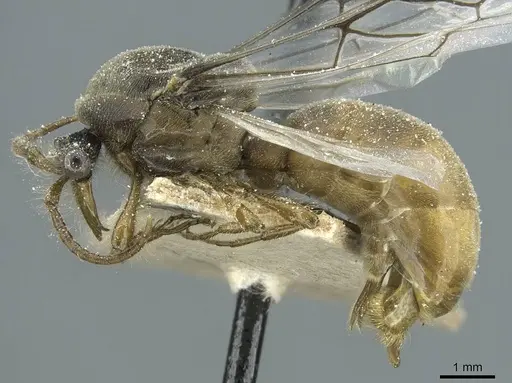
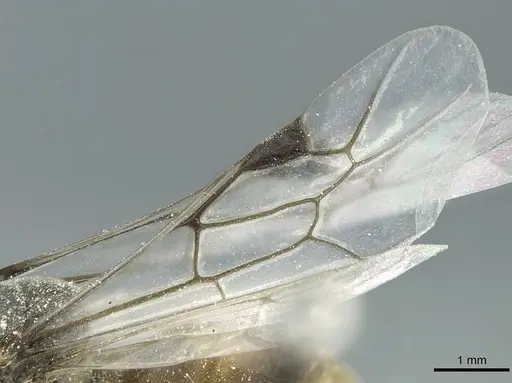
Aenictus crucifer is an extremely obscure army ant known only from coastal Kenya. We only have male specimens - three males collected at Tiwi in November 1911 . The males measure 8mm in total length with 7.5mm forewings. They have black heads and thoraxes, while the mandibles, antennae, legs, and abdomen are dull brownish-yellow with a slight olive tint on the gaster . As a member of the subfamily Dorylinae, this is a true army ant . No workers, queens, or any biological data have ever been described - we know essentially nothing about their behavior, colony structure, or care requirements.
Quick Summary
- Difficulty: Expert
- Origin & Habitat: Kenya, specifically the Tiwi coastal area where the type specimens were collected in November 1911 [1][2]. As an army ant from tropical East Africa, they likely inhabit forested or woodland areas, but specific habitat preferences are unconfirmed.
- Colony Type: Unknown. Related Aenictus species typically form large colonies with multiple queens and reproduce through colony fission, but this remains unconfirmed for A. crucifer specifically.
- Size & Growth:
- Queen: Unknown, no queens have ever been described for this species.
- Worker: Unknown, no workers have ever been described. Only males (8mm total length) are known [1].
- Colony: Unknown. Related Aenictus species maintain colonies ranging from tens of thousands to over 100,000 workers, but this is inferred from related species and unconfirmed for A. crucifer.
- Growth: Unknown
- Development: Unknown (Army ants typically reproduce by colony fission rather than single queen founding, but this is unconfirmed for A. crucifer.)
- Antkeeping:
- Temperature: Unknown. Based on the Kenyan coastal climate, likely need warm conditions in the mid-to-high 20s Celsius, but this is unconfirmed.
- Humidity: Unknown. Likely requires humid conditions typical of tropical habitats, but specific needs are undocumented.
- Diapause: Unknown. As a tropical species from Kenya, they likely do not require hibernation, but this is unconfirmed.
- Nesting: Unknown. Army ants are nomadic and do not build permanent nests.
- Behavior: Unknown. As Dorylinae army ants, related species engage in group foraging and maintain a nomadic lifestyle, but specific behavior for A. crucifer is unconfirmed [3].
- Common Issues: This species has never been kept successfully in captivity and is not suitable for ant keeping., Army ants require massive foraging territories and specialized prey that cannot be provided in standard setups., Extremely limited biological data available, even worker size is unknown., Colonies likely require enormous space and specific ant or termite prey that is impossible to sustain long-term., No specimens are available in the ant keeping trade.
The 1911 Type Specimens
Aenictus crucifer remains one of the most obscure ants in the world. We only know it from three male specimens collected by Alluaud and Jeannel at Tiwi, Kenya in November 1911 [1][2]. The original description by Santschi in 1914 notes males measure 8mm in total length with forewings at 7.5mm [1]. They show a distinctive color pattern: the head and thorax are black, while the mandibles, antennae, legs, and abdomen are dull brownish-yellow with a slight olive tint on the dorsal surface of the gaster [1]. No workers, queens, or additional specimens have been described in the subsequent century.
Army Ant Biology
As a member of the subfamily Dorylinae, A. crucifer is classified as a true army ant [3]. Related Aenictus species form large colonies that hunt cooperatively and specialize in preying on other ants and termites. They exhibit a nomadic lifestyle, regularly moving to new hunting grounds rather than maintaining permanent nests. Colonies typically reproduce through fission, where the colony splits into two groups each containing queens and workers. While these patterns characterize the genus, they remain unconfirmed specifically for A. crucifer.
Why This Species Is Not Kept
You should not attempt to keep Aenictus crucifer. Army ants require enormous foraging spaces, often meters of connected tubing or large naturalistic setups, to simulate their nomadic lifestyle. They need constant supplies of specific prey such as other ant colonies or termites that are impossible to maintain in captivity. Additionally, the complete lack of data on workers, queens, and colony size means we do not know what a healthy colony looks like. No successful captive colonies of this species have been reported, and it is not available in the ant keeping trade.
Frequently Asked Questions
Can I keep Aenictus crucifer in a test tube?
No. This species is not kept in the ant keeping hobby and is completely unsuitable for captive keeping. Army ants require specialized facilities with massive foraging areas and constant supplies of specific prey that are impossible to provide in home setups.
What do Aenictus crucifer eat?
Unknown for this specific species. Based on related Aenictus army ants, they likely prey on other ants and termites, but this is unconfirmed for A. crucifer.
How long is the egg to worker timeline for Aenictus crucifer?
Unknown. Army ants typically reproduce by colony fission rather than single queens raising first workers from eggs, so the traditional egg-to-worker timeline does not apply. This remains unconfirmed for A. crucifer.
How big do Aenictus crucifer colonies get?
Unknown. Related Aenictus species maintain colonies of tens of thousands of workers, but colony size for A. crucifer is unconfirmed.
Are Aenictus crucifer good for beginners?
No. This species is not feasible for any keeper to maintain due to biological constraints and the complete lack of basic care information.
Do Aenictus crucifer need hibernation?
Unknown. As a tropical species from Kenya, they likely do not hibernate, but this is unconfirmed.
Can I keep multiple Aenictus crucifer queens together?
Unknown. Army ant colonies typically contain multiple queens, but whether unrelated queens can be combined is unknown and not recommended.
Report an Issue
The current care sheet is based fully on literature. See inconsistencies, or something that's incorrect? Please , it will be resolved after review from an admin. Contributing to the blogs tab also helps providing information, to make us be able to further improve the caresheets. Thank you for your support!
References

Эта инструкция по уходу лицензирована по CC BY-SA 4.0 .
Блоги сообщества
CASENT0911421
Посмотреть на AntWeb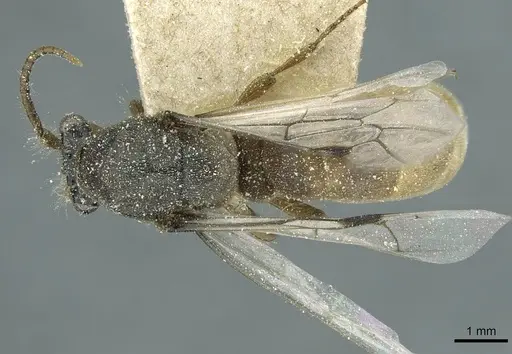
Литература
Загрузка карты распределения...Загрузка товаров...