
Trachymyrmex saussurei
- Nome cient.
- Trachymyrmex saussurei
- Tribo
- Attini
- Subfamília
- Myrmicinae
- Autor
- Forel, 1885
- Distribuição
- Encontrado em 2 países
Introdução
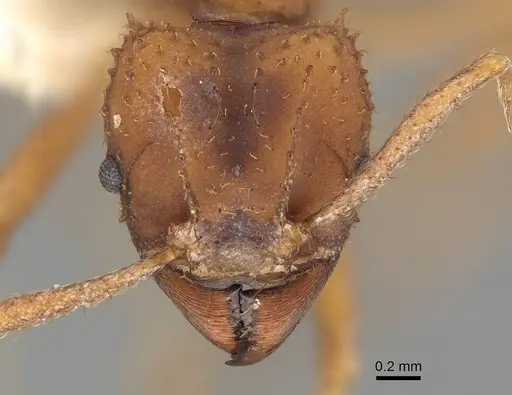
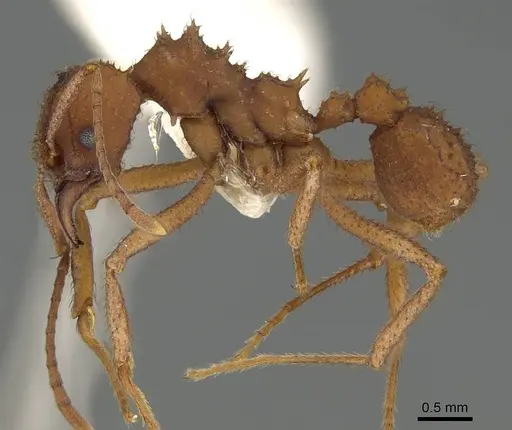
Trachymyrmex saussurei is a small fungus-farming ant native to Central America, ranging from southern Mexico through Guatemala, Belize, Honduras, and Costa Rica . Workers are monomorphic (all the same size) with a head width of about 1.1mm, and they cultivate a specific fungal species, Leucoagaricus gongylophorus, for food . These ants nest in soil and are found in wet tropical forest habitats . What makes T. saussurei interesting is its specialized farming relationship - like all Attini tribe ants, these ants cultivate fungus gardens as their primary food source, but unlike the famous leaf-cutter ants (Atta and Acromyrmex), they don't cut leaves. Instead, they likely collect organic debris, seeds, and other materials to feed their fungal crop . This species is one of nine described species in the Trachymyrmex s.s. clade and has been found only in association with Clade-A fungi .
Quick Summary
- Difficulty: Medium
- Origin & Habitat: Wet tropical forests in southern Mexico and northern Central America (Belize, Guatemala, Honduras, Costa Rica) [1]. Soil-nesting species found on forest floors [4].
- Colony Type: Believed to be monogyne (single queen), but colony structure is not extensively documented. All observations come from single-queen collections, suggesting monogyne [1].
- Size & Growth:
- Queen: Body size not documented in literature. Inferred from genus Trachymyrmex: queens approximately 6-8mm total length.
- Worker: Body size not documented in literature. Inferred from genus Trachymyrmex: workers approximately 3-5mm total length.
- Colony: Up to several hundred workers (inferred from related Trachymyrmex species)
- Growth: Moderate
- Development: Estimated 8-12 weeks (based on related Attini species) (Development is slower than non-fungus-farming ants because the colony must establish a fungal garden before workers can be raised efficiently.)
- Antkeeping:
- Temperature: Keep at 24-28°C, these are tropical ants requiring warm, stable temperatures [1]. Use a heating cable on one side of the nest to create a gentle gradient if room temperature is below 24°C.
- Humidity: High humidity needed, aim for 70-80% relative humidity. Keep the nest substrate consistently moist but not waterlogged. Fungus gardens require damp conditions to thrive.
- Diapause: No, being a tropical species, they do not require hibernation. Keep them warm year-round.
- Nesting: Soil-nesting species, a naturalistic setup with moist substrate (like a mixture of soil and sand) works best [4]. Y-tong (AAC) nests can work but require careful humidity management to keep the fungus garden healthy. Avoid completely dry setups.
- Behavior: Generally peaceful and not aggressive. Workers possess a functional stinger (as is typical for Myrmicinae, Attini), but stings are not considered medically significant to humans. They are small ants, so escape risk is moderate, use standard barriers but they aren't major escape artists. Foraging occurs mainly at dawn [4]. Workers tend the fungus garden continuously.
- Common Issues: Fungus garden failure is the biggest concern, if the fungal cultivar dies, the colony will not survive. Keep humidity stable and avoid contamination., Overheating is dangerous, temperatures above 32°C can kill the fungus garden. Monitor temperatures carefully., Small colony fragility, founding colonies are extremely vulnerable and can easily fail during the initial establishment phase., Improper diet can kill the fungus, do not feed moldy or contaminated food to the colony.
The Fungus Garden: Their Most Important Feature
Trachymyrmex saussurei, like all Attini ants, cultivates a fungal garden as its primary food source. This species specifically cultivates Leucoagaricus gongylophorus (Clade-A fungus) [3][1]. The queen starts the fungal garden during founding, and workers maintain and expand it over time. The fungus produces specialized structures called gongylidia that the ants eat.
In captivity, establishing and maintaining a healthy fungus garden is your primary challenge. The fungal cultivar is sensitive to temperature and humidity extremes, contamination, and improper feeding. Only use clean, organic materials to feed the fungus, avoid anything moldy or chemically treated. Never feed the ants directly, they feed the fungus, and the fungus feeds them.
Feeding and Diet
Unlike leaf-cutter ants that cut fresh leaves to feed their fungus, Trachymyrmex species typically feed their fungus garden with organic debris, seeds, and other plant materials [4][1]. In captivity, you can offer small pieces of organic matter like dried leaves, flower petals, seed husks, or small amounts of grains/rice. Some colonies may accept small amounts of fruit or vegetable matter.
The key principle is: you're not feeding the ants directly, you're feeding the fungus. Offer small amounts of clean, organic material and remove any uneaten portions before they mold. The amount depends on the colony size, a small starting garden needs very little. Remove any mold immediately as it can kill the fungal cultivar.
Temperature and Care
As a tropical species from wet forests in Mexico and Central America, Trachymyrmex saussurei requires warm, stable conditions [1]. Keep the nest area at 24-28°C. Temperatures below 20°C or above 32°C can stress the colony and damage the fungus garden. Use a heating cable on one side of the nest to create a temperature gradient if needed, but always provide a cooler area the ants can access.
Humidity is equally critical, aim for 70-80% relative humidity inside the nest. The substrate should feel consistently moist but never waterlogged. Use a water reservoir or mist regularly to maintain humidity. A hygrometer helps monitor conditions. Poor humidity causes the fungus garden to dry out and die.
Housing and Nest Setup
These are soil-nesting ants, so a naturalistic setup with a moist substrate mixture (like potting soil, sand, and peat moss) works best [4]. The substrate should be deep enough to allow the ants to dig chambers for their fungus garden. You can also use a Y-tong (AAC) nest, but you'll need to carefully manage humidity and provide a small chamber or dish for the fungus garden.
Whatever setup you choose, ensure good ventilation to prevent mold while maintaining humidity. Avoid glass or acrylic nests that can trap too much moisture. Provide an outworld (foraging area) where you can place food for the fungus garden. Escape prevention is important but not extreme, these are moderately small ants, so standard barriers work well.
Behavior and Colony Life
Trachymyrmex saussurei workers are small, monomorphic, and generally peaceful [4]. They have a functional stinger (typical for Myrmicinae), but it's not medically significant to humans. Workers tend their fungus garden continuously, adding new organic material and harvesting gongylidia. Foraging is most active at dawn [4].
Colony growth is slower than many common ant species because resources go into maintaining and expanding the fungal garden rather than producing workers rapidly. A mature colony may reach several hundred workers over several years. The queen can live for many years, as is typical for Attini ants.
Frequently Asked Questions
What do Trachymyrmex saussurei ants eat?
They don't eat food directly, they farm fungus. You should offer organic materials like dried leaves, seed husks, small grains, or flower petals for the fungus garden [1]. Never feed the ants directly, the fungus must be fed and tended. Remove uneaten food before it molds.
How do I keep a fungus-farming ant colony alive?
The key is maintaining a healthy fungus garden. Keep humidity high (70-80%), temperatures stable (24-28°C), and only offer clean, organic food. The fungus is sensitive to contamination, temperature extremes, and drying out. If the fungus dies, the colony will not survive.
Can I keep Trachymyrmex saussurei in a test tube?
Test tubes are not ideal for fungus-farming ants because they need space for a fungus garden and you cannot easily add organic material without causing mold problems. A naturalistic setup with moist substrate or a modified Y-tong nest with a small chamber for the fungus works better.
How long does it take for a colony to establish?
Expect slow growth, fungus-farming ants develop more slowly than typical ants. It may take several months to a year for the queen to raise her first workers and establish a stable fungus garden. Full colony development takes several years.
Are Trachymyrmex saussurei good for beginners?
No, this is not a beginner species. Fungus-farming ants require more specialized care than typical ants. Maintaining a healthy fungal cultivar is challenging and requires attention to temperature, humidity, and food quality. If you're new to antkeeping, start with easier species like Lasius or Messor.
Do they need hibernation?
No, Trachymyrmex saussurei is a tropical species from Central America. They do not hibernate and need warm temperatures year-round. Keep them at 24-28°C consistently.
How big do colonies get?
Based on related Trachymyrmex species, colonies likely reach several hundred workers over several years. They are not among the largest Attini ants, that distinction goes to Atta and Acromyrmex species which can have millions of workers.
Why is my fungus garden dying?
Common causes include: too low or too high humidity, temperature extremes (below 20°C or above 32°C), contaminated or moldy food, or disturbance to the garden. Review your conditions immediately and make adjustments. A dying fungus garden often means colony death is imminent.
Can I combine multiple queens?
Not recommended. Unlike some ants that can found colonies together, Trachymyrmex saussurei is believed to be single-queen. Combining unrelated queens has not been documented and would likely result in fighting.
Report an Issue
The current care sheet is based fully on literature. See inconsistencies, or something that's incorrect? Please , it will be resolved after review from an admin. Contributing to the blogs tab also helps providing information, to make us be able to further improve the caresheets. Thank you for your support!
References

Esta ficha de cuidados é licenciada sob CC BY-SA 4.0 .
Blogs da comunidade
CASENT0909394
Ver no AntWeb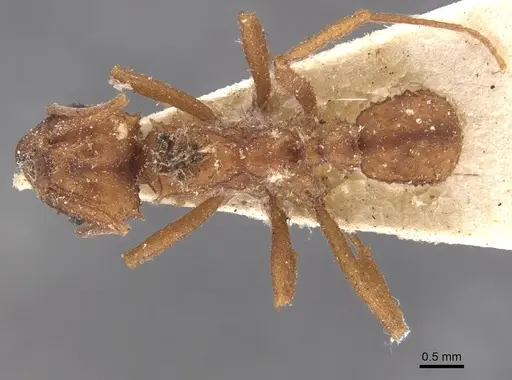
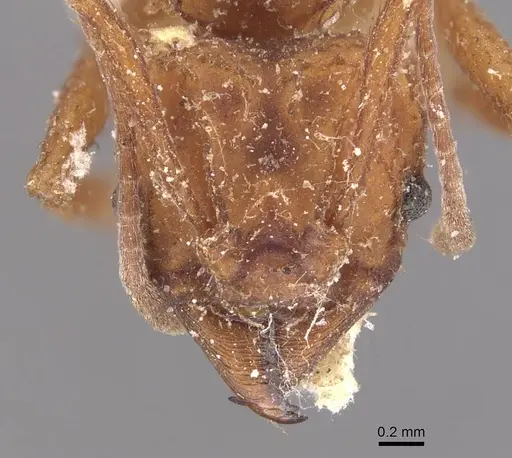
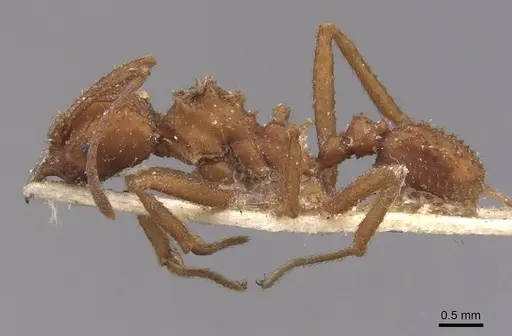
CASENT0919974
Ver no AntWeb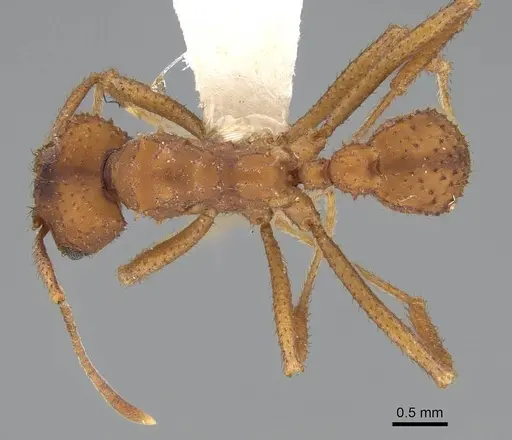
Literatura
A carregar mapa de distribuição...A carregar produtos...