
Tetramorium antennatum
- Nome cient.
- Tetramorium antennatum
- Tribo
- Crematogastrini
- Subfamília
- Myrmicinae
- Autor
- Mann, 1919
- Distribuição
- Encontrado em 0 países
Introdução
Tetramorium antennatum is a small ant from the Solomon Islands (Makira, Guadalcanal) . Size is unknown but estimated from the genus: queens ~7-9mm, workers ~3-5mm. Workers have 12-segmented antennae and a two-segmented petiole . They are ground-nesting ants, likely preferring moist forest habitats with high humidity . Originally described in 1919 as a subspecies of Triglyphothrix fulviceps, it was later raised to species and moved to Tetramorium . This species belongs to a group of ants with a unique defense mechanism: instead of a typical stinger, they have a flattened, spatulate stinger that smears venom onto attackers, causing irritation (tribe Crematogastrini).
Quick Summary
- Difficulty: Medium
- Origin & Habitat: Solomon Islands (Makira, Guadalcanal), Pacific island forest environment with high humidity [1]
- Colony Type: Unknown. Single-queen colonies are common in the genus Tetramorium, but this has not been confirmed for T. antennatum.
- Size & Growth:
- Queen: Unknown, inferred from Tetramorium genus: ~7-9mm
- Worker: Unknown, inferred from Tetramorium genus: ~3-5mm. The worker was described but measurements were not provided [2].
- Colony: Unknown, based on genus patterns, possibly up to several hundred workers.
- Growth: Moderate, estimated from genus patterns.
- Development: Estimated 6-10 weeks at optimal temperature (22-26°C), based on related Tetramorium species. (No species-specific data, estimate based on genus patterns. Cooler temperatures may slow development significantly.)
- Antkeeping:
- Temperature: Keep around 22-26°C. As a tropical species from the Solomon Islands, they prefer consistent warmth. Use a heating cable on one side of the nest to create a gradient if your room is cooler. Avoid temperatures above 30°C.
- Humidity: Keep moderately humid, aim for 60-80% relative humidity. Their island habitat suggests a need for damp conditions. Use a water reservoir in test tube setups or moist substrate in formicaria. Allow the nest to stay humid but not waterlogged.
- Diapause: Likely no true diapause, the Solomon Islands are tropical with year-round warm temperatures. A slight seasonal slowing might occur but no cold period is required.
- Nesting: Ground-nesting species. In captivity, they do well in test tubes with moist cotton, Y-tong nests, or naturalistic setups with moist soil. Provide some dry areas in the outworld for foraging.
- Behavior: These ants are generally not aggressive. Their primary defense is a modified stinger that smears venom onto threats rather than piercing, this can cause skin irritation. Workers actively forage for seeds, small insects, and sugar sources. Because of their small size, escape prevention is critical, use fluon or oil barriers on test tube rims and formicarium connections. They are diurnal.
- Common Issues: tropical species may struggle in cool, dry environments, monitor temperature and humidity closely., limited species-specific data means care requirements are inferred from genus patterns, adjust based on colony behavior., small colony size makes them vulnerable to stress, avoid disturbing founding colonies., test tube setups can dry out quickly in low humidity, check water reservoirs regularly., lack of detailed studies means some advice is speculative, observe your colony and adapt.
Origin and Natural Habitat
Tetramorium antennatum comes from the Solomon Islands, an archipelago in the Pacific Ocean. It was first recorded in 1919 and has been found on Makira and Guadalcanal islands [1]. The natural habitat is tropical moist forest with high humidity year-round. As ground-nesters, they likely nest in soil, under leaf litter, or beneath stones in shaded areas. The climate is warm and stable, rarely dropping below 20°C. These conditions are key to their care: they need warmth and humidity.
Colony Founding
Founding behavior is unconfirmed for Tetramorium antennatum. Many Tetramorium species use claustral founding, where the queen seals herself in a chamber, breaks down wing muscles for energy, and raises the first brood on stored reserves. She does not forage during this period. However, this has not been verified for T. antennatum. If you have a founding queen, keep her in a dark, quiet place with stable humidity. Minimize disturbance to prevent stress or brood cannibalism.
Feeding and Diet
No species-specific studies exist, but based on the genus, Tetramorium antennatum is likely omnivorous. Offer protein sources like small insects (fruit flies, pinhead crickets, mealworms) and sugar sources (honey water, sugar water, ripe fruit). They may also accept seeds. Feed small amounts every 2-3 days and remove uneaten food within 24 hours to prevent mold. A constant sugar source helps when larvae are present.
Temperature and Heating
As a tropical species from the Solomon Islands, Tetramorium antennatum prefers warm temperatures. Keep the nest area between 22-26°C for optimal brood development. Temperatures below 20°C may slow growth, and above 30°C can cause stress. Use a heating cable or mat on one side of the nest to create a gradient. Place heating on top of the nest to avoid drying out the substrate too quickly.
Humidity and Water
These island ants need higher humidity than many temperate species. Aim for 60-80% relative humidity in the nest. In test tube setups, keep the water reservoir filled and the cotton moist but not soaked. In formicaria, mist the substrate regularly and ensure it stays damp. Provide a water source in the outworld for drinking. Low humidity can cause brood desiccation and sluggish workers.
Nesting Preferences
In captivity, Tetramorium antennatum adapts to various nest types. Test tubes work well for founding colonies: use a horizontal tube with water separated by cotton, so the queen can choose humidity levels. For established colonies, Y-tong (AAC) nests or naturalistic setups with moist soil are suitable. They are not arboreal, keep nests at ground level. Provide a humidity gradient in the nest.
Frequently Asked Questions
How long does it take for Tetramorium antennatum to get their first workers?
No species-specific data. Based on related Tetramorium, expect na n i t i c s to emerge in 6-10 weeks at 22-26°C. Cooler temperatures can extend this.
Can I keep multiple Tetramorium antennatum queens together?
Unknown. Most Tetramorium are monogyne, but this is unconfirmed for T. antennatum. It is safest to keep queens separately to avoid fighting.
What do Tetramorium antennatum ants eat?
Likely omnivorous based on genus patterns. Offer small insects for protein and sugar water or honey water regularly. They may also accept seeds. Remove uneaten food within 24 hours.
Do Tetramorium antennatum ants sting?
They have a modified stinger that smears venom rather than piercing. This can cause skin irritation but is mild compared to typical stings. They are not aggressive.
What temperature is best for Tetramorium antennatum?
Keep them at 22-26°C. As a tropical Solomon Islands species, they need consistent warmth. Use a heating cable on one side if your room is cooler.
How big do Tetramorium antennatum colonies get?
Unknown. Colony size has not been recorded. Based on genus patterns, they may reach several hundred workers at maturity, but this is speculative.
Do Tetramorium antennatum need hibernation?
No. Their tropical origin means they do not require a cold diapause. A slight seasonal slowdown may occur, but no artificial cooling is needed.
Is Tetramorium antennatum good for beginners?
This species is rated Medium difficulty. While not the hardest, maintaining proper warmth and humidity can be challenging. Beginners may prefer more forgiving species first.
When should I move my Tetramorium antennatum colony to a formicarium?
Wait until the colony has at least 50-100 workers before moving to a larger nest. Test tubes work well for smaller colonies. When moving, connect the test tube to the formicarium and let the ants move on their own.
Why are my Tetramorium antennatum dying?
Common issues include: low humidity (need 60-80%), temperatures below 20°C, disturbance during founding, mold from overfeeding, or parasites from wild colonies. Check your setup against the recommended conditions.
Report an Issue
The current care sheet is based fully on literature. See inconsistencies, or something that's incorrect? Please , it will be resolved after review from an admin. Contributing to the blogs tab also helps providing information, to make us be able to further improve the caresheets. Thank you for your support!
References

Esta ficha de cuidados é licenciada sob CC BY-SA 4.0 .
Blogs da comunidade
CASENT0913990
Ver no AntWeb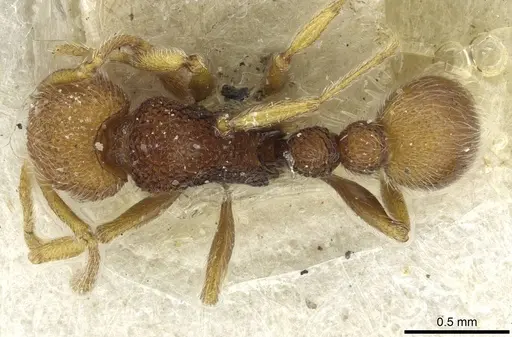
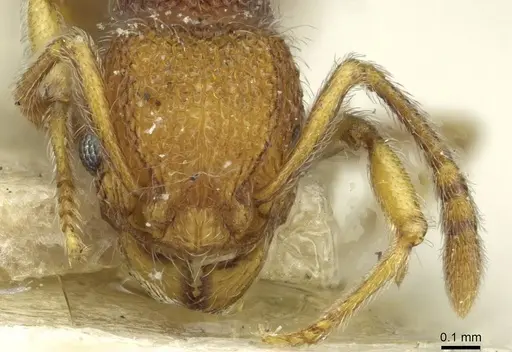
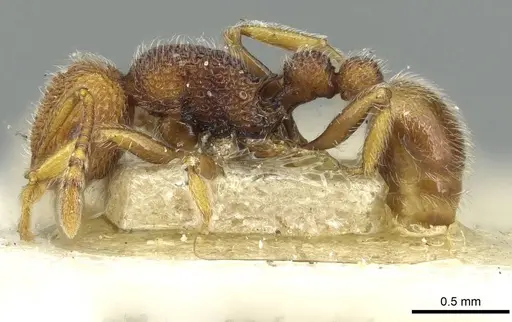
Literatura
A carregar mapa de distribuição...A carregar produtos...