
Temnothorax punctaticeps
- Nome cient.
- Temnothorax punctaticeps
- Tribo
- Crematogastrini
- Subfamília
- Myrmicinae
- Autor
- Mackay, 2000
- Distribuição
- Encontrado em 0 países
Introdução
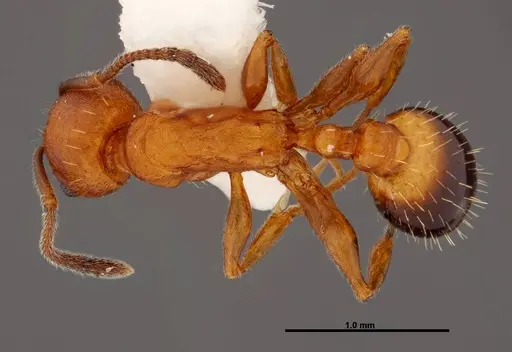
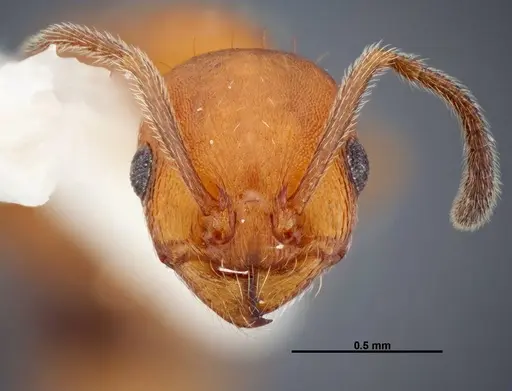
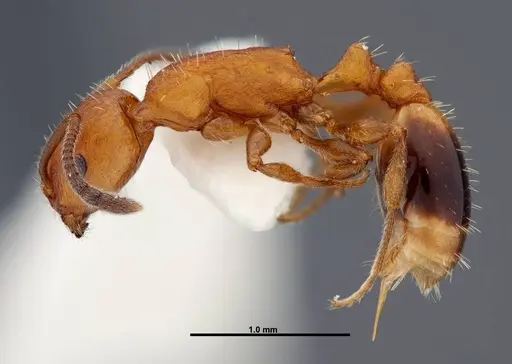
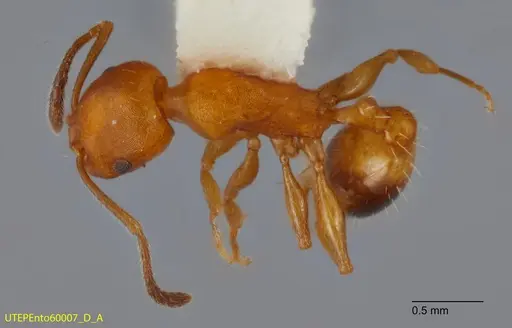
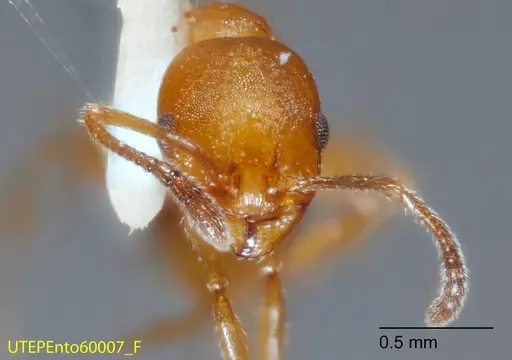
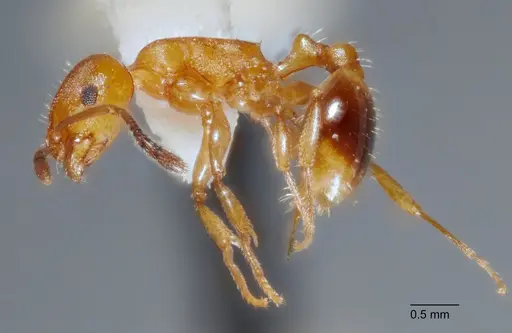
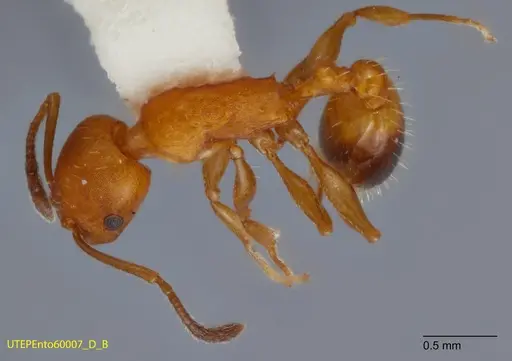
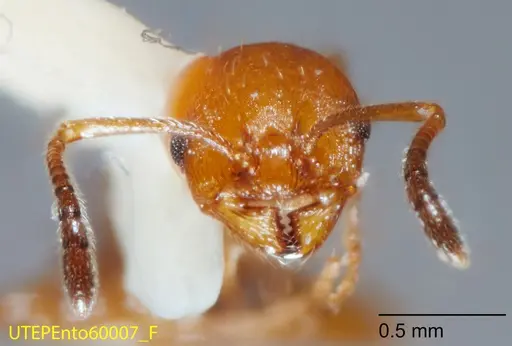
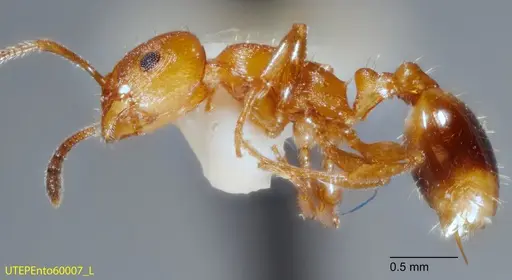
Temnothorax punctaticeps is a tiny ant known only from the mountainous pine forests of Nuevo León, Mexico, at an elevation of 2540 meters . Only the worker caste has been described - no queens or males are known . Workers are light reddish-brown with a broad dark band on the first abdominal segment, and their heads and thoraxes are densely dotted with punctures (the species name means 'dotted head') . They nest in rotting logs or stumps within pine forests with dark loam soil . This species is exceptionally rare: it has never been found since the original collection in 1988,and no captive breeding exists. Based on typical Temnothorax patterns, colonies are probably small and likely live in pre-existing cavities, but direct data is missing.
Quick Summary
- Difficulty: Expert, extremely rare, no captive husbandry data, and tiny size makes escape prevention difficult
- Origin & Habitat: High-elevation pine forest in Nuevo León, Mexico (2540 m). Nests in rotting logs or stumps in dark loam soil [1][2].
- Colony Type: Unknown. Only the worker caste has been described [2]. Based on the genus, likely monogyne (single queen), but unconfirmed.
- Size & Growth:
- Queen: Unknown, no queen specimens have been described [2].
- Worker: Size data unavailable. Original description records only head width (0.70-0.79 mm) and mesosoma length (1.03-1.07 mm), but total length (TL) was not measured [2]. Inferred from related Temnothorax species: roughly 2-3 mm total length.
- Colony: Unknown, estimated from genus patterns: likely under 100 workers, but unconfirmed.
- Growth: Unknown, likely moderate based on genus patterns.
- Development: 6-10 weeks at optimal temperature (estimated from related Temnothorax species). No direct data exists. (Development is temperature-dependent, cooler temperatures will slow growth.)
- Antkeeping:
- Temperature: Based on high-elevation mountain habitat (2540 m), they likely prefer cooler temperatures. Start at 18-22°C and avoid overheating above 25°C [1]. Room temperature is probably ideal.
- Humidity: Moderate humidity. Their natural habitat (pine forest with dark loam) suggests damp but not waterlogged conditions. Keep nest substrate moist but well-drained.
- Diapause: Likely yes, given their origin in the seasonal Mexican highlands, a 2-3 month winter rest period at 10-15°C is recommended (inferred from genus patterns).
- Nesting: Tiny pre-existing cavities. In captivity, use small test tubes, Y-tong (AAC) nests with narrow chambers, or plaster nests scaled to their size. Avoid large open spaces, provide tight-fitting chambers.
- Behavior: Based on typical Temnothorax behavior: generally peaceful, non-aggressive, and shy. Workers are very small and slow-moving. They use a 'smear' defense mechanism (spatulate stinger to wipe venom, not pierce), harmless to humans. Escape prevention is critical: workers can squeeze through standard barriers, use fine mesh and tight seals.
- Common Issues: essentially unavailable, only known from type specimens collected in 1988, no suppliers or captive colonies exist., no captive breeding history, all care advice is inferred from genus patterns., escape prevention is critical due to tiny worker size, standard barriers may fail., colony growth is likely slow, which may frustrate beginners., high-elevation origin suggests a need for cooler temperatures than typical room conditions.
Availability and Acquisition
Temnothorax punctaticeps is essentially unavailable in the antkeeping hobby. The species is only known from the original type series collected in 1988 in Nuevo León, Mexico, no additional specimens have been documented in over 35 years. There are no known captive breeding programs or suppliers [1][2]. If you're interested in keeping Temnothorax, consider more commonly available species like T. curvispinosus or T. ambiguus, which have established husbandry protocols and are readily available.
Natural History and Habitat
This species was discovered in the mountainous regions of Nuevo León, Mexico at an elevation of 2540 m. The type series was collected from a nest in a log or stump within a pine forest, with dark loam soil [1][2]. The collection date was 10 June 1988 [1]. It belongs to the sallei-clade of Temnothorax, a group typically found in more temperate or high-elevation habitats. Only the worker caste has been described, queens and males remain unknown [2].
Identification and Distinction
Temnothorax punctaticeps is a light reddish-brown ant with a broad, dark band on the first abdominal segment. The head and thorax have dense, coarse punctures (dots), the name 'punctaticeps' means 'dotted head.' The petiole is thick with a blunt, rounded node when viewed from the side. The first gastral tergite is smooth and polished, contrasting with the punctured mesosoma. This species could be confused with T. punctatissimus or T. terrigena, which have similar coloration and sculpture. No total length measurements were given in the original description, only partial measurements (head width, mesosoma length) were recorded [2].
Temperature and Care Guidelines
Based on their origin in high-elevation Mexican pine forests (2540 m), Temnothorax punctaticeps likely prefers cooler temperatures than typical tropical ants. Keep the nest area at approximately 18-22°C, avoiding temperatures above 25°C [1]. A heating cable on one side of the nest can create a gentle gradient, but ensure cooler areas are available. Room temperature (around 20-22°C) is probably ideal. Unlike tropical ants that need constant warmth, these ants come from a seasonal habitat and will benefit from a winter rest period. During the active season, avoid placing the nest near heat sources that could cause overheating. Stability is key, sudden temperature swings are more harmful than a slight offset from ideal.
Nesting Preferences
In the wild, Temnothorax punctaticeps nests in pre-existing cavities in rotting wood, specifically logs and stumps in pine forests [1][2]. The dark loam soil at their collection site suggests they prefer humid conditions. In captivity, provide small, tight-fitting chambers scaled to their tiny size. Y-tong (AAC) nests with narrow passages work well, as do small plaster nests or test tube setups. The nest material should retain moisture well but not become waterlogged. Given their tiny size, ensure that any connections between the nest and outworld are small enough to prevent escapes. Avoid large open spaces, which stress these ants. Flat stones or similar covers can be used in naturalistic setups to provide a dark, humid microhabitat.
Feeding and Diet
Like other Temnothorax species, T. punctaticeps likely has an omnivorous diet. They probably consume small insects, aphids, and other tiny arthropods for protein, along with honeydew and other sugar sources. In captivity, offer very small protein sources such as fruit flies, tiny mealworms, or springtails. Sugar water, honey, or commercial ant nectar can be provided as an energy source. Prey items must be appropriately sized for their tiny workers. Feed small amounts every few days and remove uneaten food to prevent mold.
Overwintering and Diapause
Given their origin in the highlands of Nuevo León with distinct seasons, Temnothorax punctaticeps likely requires a winter dormancy period. Provide a diapause of approximately 2-3 months during winter, keeping the colony at 10-15°C in a cool location like an unheated garage or refrigerator (if using a fridge, ensure proper ventilation and avoid freezing). Reduce feeding during this period and keep the nest slightly drier but not completely dry. This rest period is important for colony health and may trigger reproductive behavior in spring. Do not skip the diapause, as it mimics their natural seasonal cycle.
Frequently Asked Questions
Where can I buy Temnothorax punctaticeps ants?
This species is essentially unavailable in the antkeeping hobby. It is only known from the original type specimens collected in 1988 in Mexico, and no captive breeding programs exist. Consider keeping related species like Temnothorax curvispinosus or Temnothorax ambiguus instead, which are readily available and have established care protocols.
How big do Temnothorax punctaticeps colonies get?
Colony size is unknown for this species since it is only known from the original type series. Based on typical Temnothorax genus behavior, colonies likely reach under 100 workers at maturity, but this is an estimate.
What temperature do Temnothorax punctaticeps need?
Based on their high-elevation Mexican pine forest origin (2540 m), they prefer cooler temperatures than typical ants. Keep the nest at approximately 18-22°C, avoiding overheating above 25°C. Room temperature is usually ideal. They likely experience seasonal temperature drops in their natural habitat.
Do Temnothorax punctaticeps ants sting?
Temnothorax ants use a 'smear' defense mechanism, they have a modified stinger that wipes venom onto enemies rather than piercing. They are not known to sting and pose no danger to keepers. Their tiny size and docile nature make them completely safe to handle.
How long does it take for Temnothorax punctaticeps to develop from egg to worker?
No specific development data exists for this species. Based on typical Temnothorax genus patterns, expect approximately 6-10 weeks from egg to first worker at optimal temperature (around 20°C). Development is temperature-dependent, so cooler temperatures will slow growth.
What do Temnothorax punctaticeps eat?
Like other Temnothorax species, they likely eat small insects, aphids, and honeydew. In captivity, offer small protein sources like fruit flies, tiny mealworms, or springtails, along with sugar water or honey as an energy source. Prey should be appropriately sized for their tiny workers.
Do Temnothorax punctaticeps need hibernation?
Yes, likely a 2-3 month winter rest period is recommended. Based on their origin in the seasonal Mexican highlands, they probably require diapause at 10-15°C during winter months to maintain healthy colony cycles.
Are Temnothorax punctaticeps good for beginners?
This species is not recommended for beginners due to its extreme rarity and complete lack of captive husbandry information. Additionally, their tiny size makes escape prevention challenging. For beginners, start with more commonly available species like Temnothorax curvispinosus, Lasius niger, or Camponotus species that have well-documented care requirements.
What size nest do Temnothorax punctaticeps need?
They need very small, tight-fitting chambers scaled to their minute size. Y-tong nests with narrow passages, small plaster nests, or test tube setups work well. The key is providing appropriately sized chambers, large open spaces are stressful for these tiny ants.
Where is Temnothorax punctaticeps found in the wild?
This species is only known from Nuevo León, Mexico, specifically from a location 61 km northeast of Dr. Arroyo at 2540 m elevation. The type series was collected from a nest in a log within a pine forest. No other populations have been documented since 1988.
Report an Issue
The current care sheet is based fully on literature. See inconsistencies, or something that's incorrect? Please , it will be resolved after review from an admin. Contributing to the blogs tab also helps providing information, to make us be able to further improve the caresheets. Thank you for your support!
References

Esta ficha de cuidados é licenciada sob CC BY-SA 4.0 .
Blogs da comunidade
Literatura
A carregar mapa de distribuição...A carregar produtos...