
Strumigenys filitalpa
- Nome cient.
- Strumigenys filitalpa
- Tribo
- Attini
- Subfamília
- Myrmicinae
- Autor
- Brown, 1950
- Distribuição
- Encontrado em 0 países
Introdução
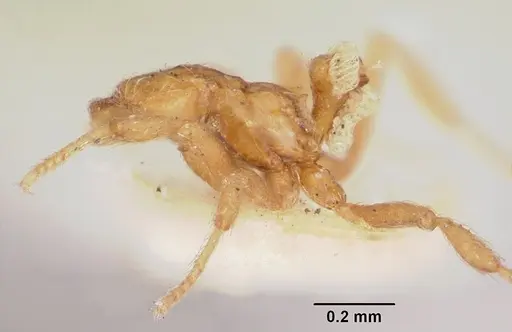
Strumigenys filitalpa is a tiny predatory ant in the trap-jaw ant genus, known for their specialized snap-lock mandibles. Based on related species, workers likely measure around 2-3 mm. This species has a very limited distribution, documented only from Brown County State Park in southern Indiana, USA . Originally described as Smithistruma filitalpa, it is one of the most geographically restricted Strumigenys species in North America . Their appearance likely matches other Strumigenys: a sculptured body and spiny features, but detailed descriptions are not available in the literature.
Quick Summary
- Difficulty: Expert
- Origin & Habitat: Known only from Brown County State Park in southern Indiana, USA [1]. In the wild, these ants are expected to inhabit forest floor environments such as rotting wood, leaf litter, and under stones in humid, shaded areas, typical of the genus.
- Colony Type: Colony structure is unconfirmed. Based on related Strumigenys species, colonies are likely small with a single queen.
- Size & Growth:
- Queen: ~2.5-3 mm (estimated based on genus patterns)
- Worker: ~2-3 mm (estimated based on genus patterns)
- Colony: Likely small, related Strumigenys colonies typically contain dozens to a few hundred workers
- Growth: Slow
- Development: Unknown, likely 8-12 weeks based on related species at optimal temperature (Development timeline is unconfirmed for this species. Related Strumigenys species develop slowly, with eggs taking weeks to hatch and larvae requiring additional time to pupate.)
- Antkeeping:
- Temperature: Keep at room temperature around 20-24°C. Avoid temperature extremes. Strumigenys are generally sensitive to heat and dry conditions.
- Humidity: High humidity is essential, these forest floor ants need consistently moist substrate. Keep the nest area humid (substrate damp but not waterlogged, e.g., moist soil or peat moss).
- Diapause: Likely yes, being from temperate Indiana, this species probably requires a winter rest period. Provide 3-4 months at reduced temperatures around 10-15°C during winter.
- Nesting: In captivity, they do well in small test tube setups or naturalistic terrariums with moist substrate. They prefer tight, humid chambers. Avoid dry conditions entirely.
- Behavior: These are extremely cryptic, slow-moving ants that spend most of their time hidden in the nest or foraging through substrate. They are not aggressive and will flee rather than fight. Their trap-jaw mandibles are used to capture tiny prey like springtails and other micro-arthropods. Escape risk is low but they are so small that standard barriers should still be used. They are not suitable for observation-focused keeping, they are a specialist species for advanced keepers interested in cryptic predators.
- Common Issues: Specialized diet requirements, they need live tiny prey like springtails and micro-arthropods, making them difficult to feed, Extreme humidity needs, colonies can collapse quickly if conditions dry out, Very small size makes them easy to lose during colony transfers, Slow growth and small colony sizes mean setbacks are significant, Limited distribution in the wild means wild-caught colonies are rare
Housing and Nest Setup
Strumigenys filitalpa requires a humid, naturalistic setup. A small test tube with a water reservoir works for founding colonies, but established colonies do better in naturalistic terrariums with moist substrate. Use a mix of soil and peat moss that stays damp but not waterlogged. Add pieces of rotting wood, leaf litter, and small stones for hiding places. These ants are cryptobiotic, they avoid light and open spaces. Keep the setup in a dark location or cover the nest area. A small outworld is optional but rarely used.
Feeding and Diet
This species is a specialized predator of tiny arthropods. Their primary food should be live springtails, which are the ideal size for their mandibles. They may also accept other micro-arthropods like soil mites, tiny isopods, and booklice. Do not offer larger prey, they cannot tackle anything much bigger than themselves. Sugar sources are generally not accepted by Strumigenys. Feed small amounts of live prey every few days, removing any uneaten prey to prevent mold. This specialized diet makes them a challenging species to keep.
Temperature and Seasonal Care
Keep Strumigenys filitalpa at stable room temperature between 20-24°C. They are sensitive to heat and should not be exposed to temperatures above 28°C. Since this species comes from temperate Indiana, it likely requires an annual diapause period. During winter (roughly November through February), reduce temperatures to 10-15°C to simulate natural seasonal cycles. Reduce feeding during this period. Do not skip hibernation, it is likely essential for colony health. Return to normal temperatures gradually in spring.
Behavior and Observation
Strumigenys are among the most cryptic ants in the hobby. They move slowly and deliberately, spending most of their time hidden in nest chambers or moving through substrate. They are not aggressive and will retreat from threats. Their trap-jaw mandibles are used to snap shut on tiny prey, you may observe this if watching closely during feeding. These ants are not suitable for keepers who want active, visible colonies. They are a specialist species for advanced hobbyists who appreciate unique biology and subtle behaviors. Patience is essential, you will not see dramatic activity like with larger ant species.
Frequently Asked Questions
How long does it take for Strumigenys filitalpa to produce first workers?
The exact timeline is unconfirmed for this species, but based on related Strumigenys species, expect 8-12 weeks from egg to worker at optimal temperature. These ants develop slowly, so patience is essential.
What do Strumigenys filitalpa ants eat?
They are specialized predators that need live tiny prey. Feed them live springtails as a primary food source. They may also accept other micro-arthropods like soil mites and tiny booklice. They do not accept sugar or larger prey.
Are Strumigenys filitalpa good for beginners?
No. This is an expert-level species due to specialized diet requirements, extreme humidity needs, and slow growth. They are only suitable for experienced antkeepers who can provide consistent conditions and live prey.
Do Strumigenys filitalpa need hibernation?
Likely yes. Being from temperate Indiana, this species probably requires a winter rest period of 3-4 months at reduced temperatures around 10-15°C. Skipping hibernation may harm colony health and reproduction.
How big do Strumigenys filitalpa colonies get?
Based on genus patterns, colonies likely reach only dozens to a few hundred workers. They are not large colony ants. Growth is slow, and colonies remain small even when established.
Can I keep Strumigenys filitalpa in a test tube?
Founding colonies can be started in test tubes with a water reservoir, but established colonies do better in naturalistic setups with moist substrate. Test tubes can work if the substrate is kept consistently moist.
Why is my Strumigenys filitalpa colony dying?
The most common causes are: drying out (they need constant humidity), lack of appropriate live prey, temperatures that are too high or too low, and stress from excessive disturbance. Review all care parameters and ensure prey items are small enough.
When should I move Strumigenys filitalpa to a formicarium?
Move them only when the colony is well-established with multiple workers and the test tube setup is becoming too cramped. However, many keepers find that naturalistic setups work better than traditional formicariums for this species.
Where is Strumigenys filitalpa found in the wild?
This species has an extremely limited range, known only from Brown County State Park in southern Indiana, USA [1]. It is one of the most geographically restricted Strumigenys species in North America.
Report an Issue
The current care sheet is based fully on literature. See inconsistencies, or something that's incorrect? Please , it will be resolved after review from an admin. Contributing to the blogs tab also helps providing information, to make us be able to further improve the caresheets. Thank you for your support!
References

Esta ficha de cuidados é licenciada sob CC BY-SA 4.0 .
Blogs da comunidade
CASENT0105660
Ver no AntWeb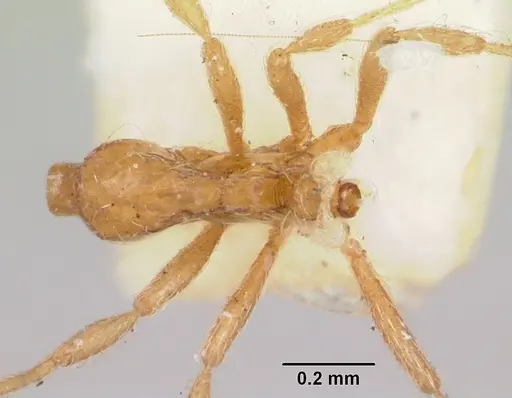

Literatura
A carregar mapa de distribuição...A carregar produtos...