
Strumigenys datryx
- Nome cient.
- Strumigenys datryx
- Tribo
- Attini
- Subfamília
- Myrmicinae
- Autor
- Bolton, 2000
- Distribuição
- Encontrado em 0 países
Introdução
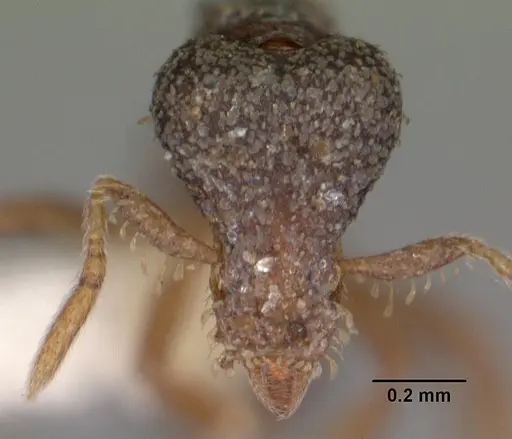
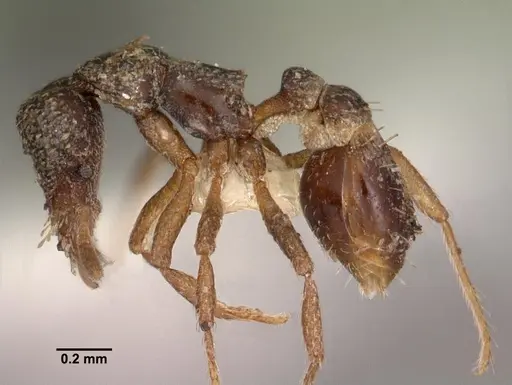
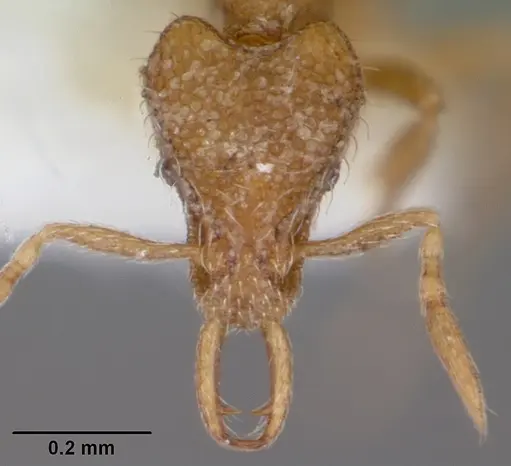
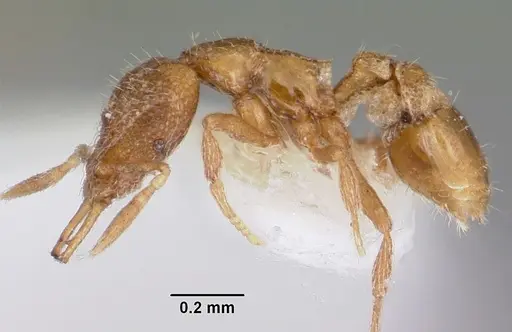
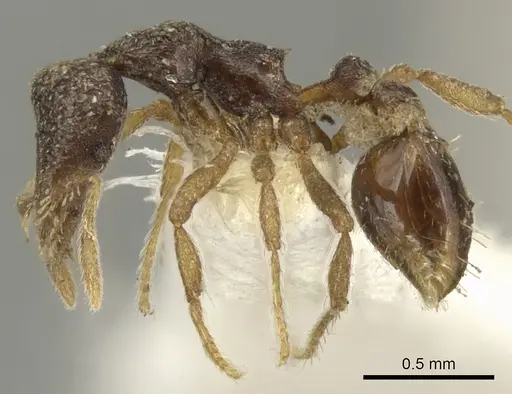
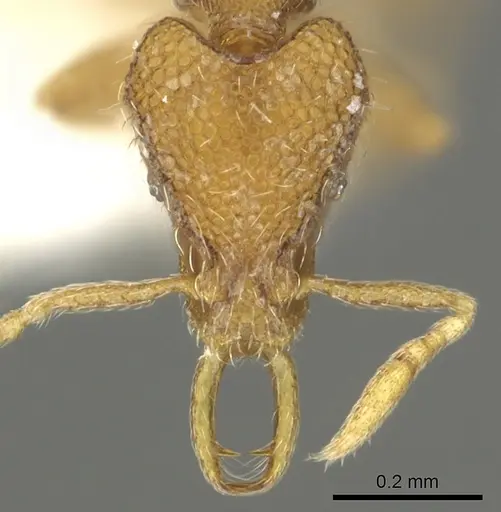
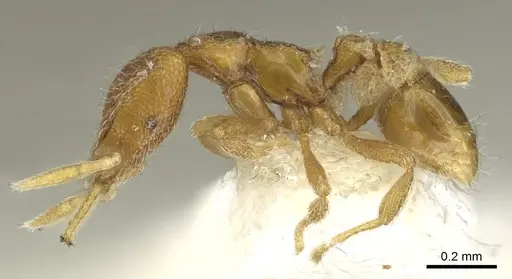
Strumigenys datryx is a minute ant from Southeast Asia. Workers measure 1.6–1.7 mm in total length, and the queen is 1.86 mm . This species belongs to the Strumigenys godeffroyi group and is known from Sumatra, Java, and West Malaysia. It lives in leaf litter on the forest floor and is often collected from berlesate samples . Like other Strumigenys, it has a functional sting (subfamily Myrmicinae, tribe Attini) and specialized trap‑jaw mandibles for capturing tiny prey. They are easily confused with the similar Strumigenys rofocala, but S. datryx has a flagellate hair on the hind basitarsus and a broad base on the apical antennal segment .
Quick Summary
- Difficulty: Expert
- Origin & Habitat: Indonesia (Sumatra, Java) and West Malaysia. Collected from leaf litter in lowland to montane forests at elevations from 250 m to 3000 m [1][2].
- Colony Type: Unknown – only individual queen and worker specimens have been collected, colony structure has not been studied.
- Size & Growth:
- Antkeeping:
- Temperature: Likely tropical temperatures around 22–26 °C based on its habitat
- Humidity: High humidity – substrate should be consistently moist but not waterlogged, mimicking forest‑floor leaf litter
- Diapause: Likely no diapause – tropical species from near‑equator
- Nesting: Naturalistic setup: a shallow container with damp soil, leaf litter, and pieces of rotting wood. Test tubes can be used for small colonies but must be kept very humid
- Behavior: Docile and cryptic. They move slowly through leaf litter and rarely leave the nest area. Their functional sting is used only for subduing prey, not for defense. Escape prevention is critical due to their tiny size – they can fit through most standard gaps.
- Common Issues: tiny size makes escape prevention difficult – use fine mesh and check for any gaps, requires constant supply of live micro‑prey (springtails), cannot survive on sugar or honey alone, slow growth means colonies take a long time to establish, high humidity requirements can lead to mold problems if ventilation is poor, wild‑caught colonies may be stressed or have parasites, lack of published captive care data – keepers must experiment carefully
Housing and Setup
Recreate their natural leaf‑litter habitat. Use a shallow container with 2–3 cm of damp soil, topped with leaf litter, pieces of rotting wood, and moss. This provides both hunting ground and cover. A small water reservoir (e.g., a test tube with a cotton plug) buried in the substrate helps maintain humidity. Because they are so tiny, even small gaps in standard formicaria allow escapes – use containers with tight‑fitting lids and fine mesh over ventilation holes. A magnifying glass is helpful for observing these minute ants.
Feeding and Diet
Strumigenys datryx are obligate predators of micro‑arthropods. Their staple food should be live springtails (Collembola) – culture a colony separately and add them to the setup every few days. Other tiny prey like booklice, soil mites, or fruit‑fly larvae may be accepted, but springtails are the most reliable. Sugar water or honey is rarely taken. Remove any uneaten prey after 24 hours to prevent mold. Do not offer larger prey like mealworms or crickets – their tiny mandibles cannot handle them.
Temperature and Humidity
Tropical temperatures around 22–26 °C are suitable. Room temperature (~24 °C) is fine, but avoid placing the setup near air‑conditioning drafts. Humidity should be high (the substrate should feel consistently damp). Mist occasionally and keep a water reservoir topped up. Balance humidity with ventilation to prevent mold – a thin layer of condensation on the walls is normal, but if pooling occurs, increase airflow slightly.
Colony Founding
No information exists on the founding behavior of this species. Most leaf‑litter Strumigenys are believed to be claustral (the queen seals herself in and relies on fat reserves), but this is not confirmed for S. datryx. If attempting to start a colony from a dealate queen (one has been recorded [1]), provide a small, dark, humid chamber and disturb her as little as possible for the first few weeks. Success is uncertain due to lack of data.
Behavior and Observation
These ants are remarkably slow and deliberate. They spend most of their time hunting micro‑prey among leaf litter, using their trap‑jaw mandibles to snap up springtails. They have a functional sting (subfamily Myrmicinae) but are not aggressive toward humans – they will ignore you. Workers are rarely seen outside the nest area. Observing them requires patience and good lighting, a macro lens or magnifier is essential[2].
Frequently Asked Questions
Can I keep Strumigenys datryx in a test tube?
Test tubes can be used for founding a queen or a very small colony, but they are not ideal in the long term because this species needs live prey and high humidity. A naturalistic outworld with leaf litter and damp soil is better for allowing the ants to hunt. If you use a test tube, keep it humid by wrapping it in damp paper towels or placing it in a sealed container with a moist substrate.
What do Strumigenys datryx eat?
They eat live micro‑arthropods, primarily springtails. Culture a springtail colony separately and add them to the ant setup every few days. Other tiny prey like booklice, soil mites, and fruit‑fly larvae may be accepted, but springtails are the most dependable. They cannot survive on sugar water or honey.
How long does it take for first workers to appear?
There is no published data for Strumigenys datryx. Based on related tiny Strumigenys species, development might take several weeks to months, but this is speculative. Patience is essential.
Are Strumigenys datryx good for beginners?
No. Their specialized diet (live micro‑prey), need for constant high humidity, and tiny size make them very challenging. Even experienced keepers may struggle due to the lack of published care information. Start with hardier species like Lasius niger or Camponotus before attempting Strumigenys.
How big do Strumigenys datryx colonies get?
Unknown. No colony size data exists for this species. Most leaf‑litter Strumigenys have small colonies (probably under 100 workers), but this is guesswork. Expect a very modest colony.
Do they need hibernation?
No, they are a tropical species that does not experience cold winters. Keep them at stable tropical temperatures year‑round, and avoid temperatures below 20 °C.
Why are my Strumigenys dying?
Common problems include a lack of live prey (they cannot survive without springtails), humidity dropping below 60 %, temperatures falling below 20 °C, or escape through gaps. Mold from excess moisture can also be deadly. Because so little is known about this species, keepers should carefully track conditions and adjust based on the ants’ behavior.
Can I keep multiple queens together?
There is no data on this. Most Strumigenys species are believed to be monogyne (single queen), but this has not been confirmed for S. datryx. It is safest to assume they are monogyne and keep only one queen per colony.
When should I move them to a formicarium?
For this species, a naturalistic setup with leaf litter and damp soil is preferable at all stages. If you must use a traditional formicarium, wait until the colony has at least 20–30 workers and is actively hunting. Even then, provide a naturalistic outworld with damp substrate rather than a bare plastic arena, because the ants need hunting grounds that mimic leaf litter.
Report an Issue
The current care sheet is based fully on literature. See inconsistencies, or something that's incorrect? Please , it will be resolved after review from an admin. Contributing to the blogs tab also helps providing information, to make us be able to further improve the caresheets. Thank you for your support!
References

Esta ficha de cuidados é licenciada sob CC BY-SA 4.0 .
Blogs da comunidade
CASENT0102541
Ver no AntWeb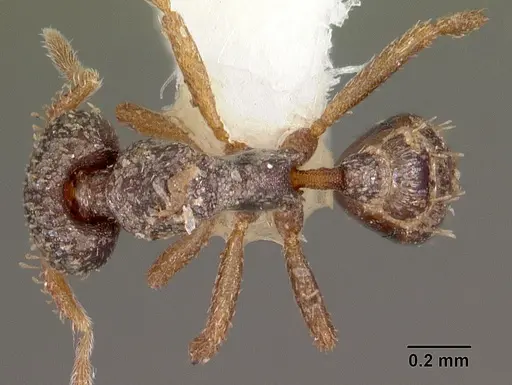
CASENT0102662
Ver no AntWeb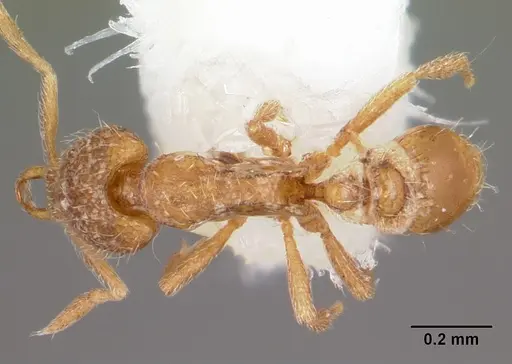
CASENT0900071
Ver no AntWeb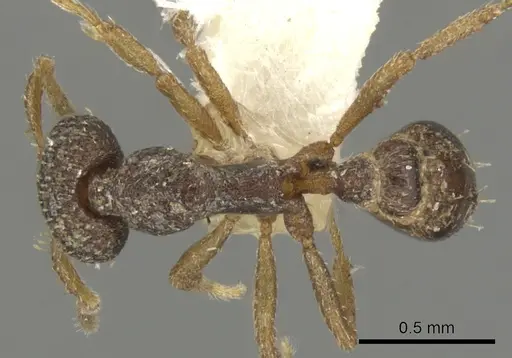
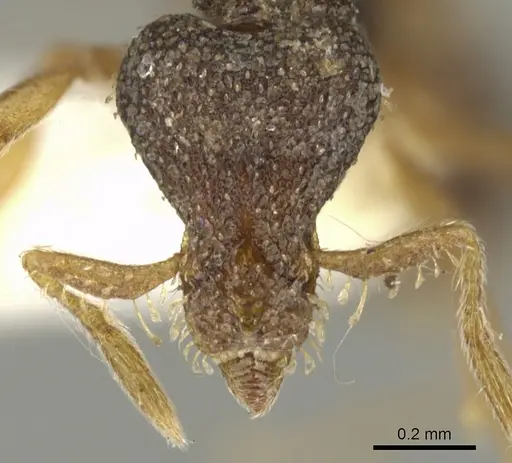
CASENT0900824
Ver no AntWeb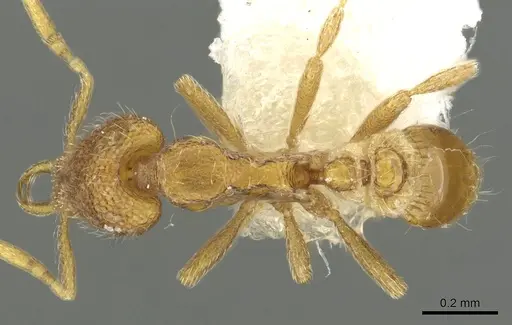
Literatura
A carregar mapa de distribuição...A carregar produtos...