
Stenamma hojarasca
- Nome cient.
- Stenamma hojarasca
- Tribo
- Stenammini
- Subfamília
- Myrmicinae
- Autor
- Branstetter, 2013
- Distribuição
- Encontrado em 3 países
Introdução
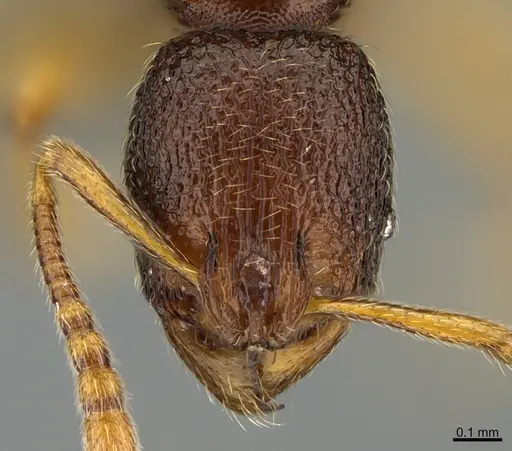
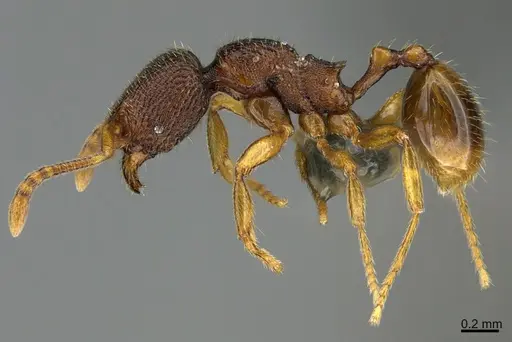
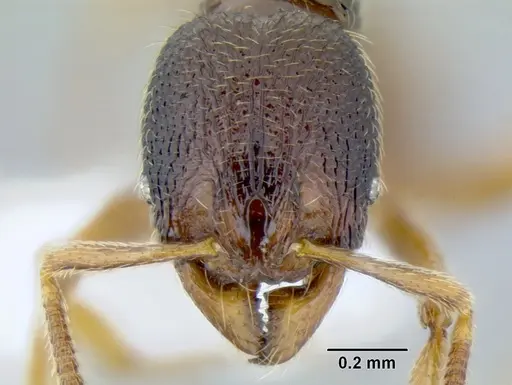
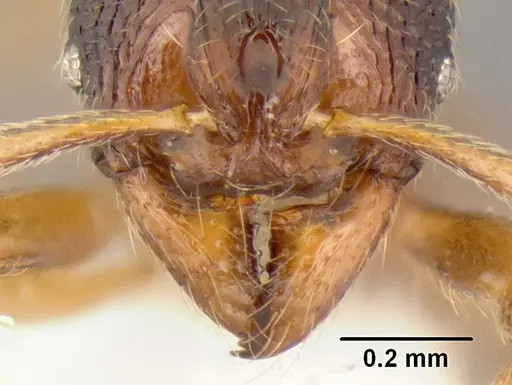
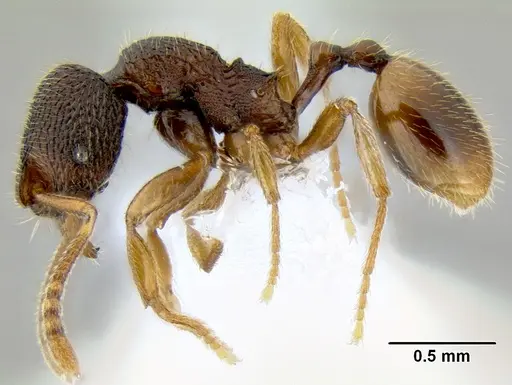
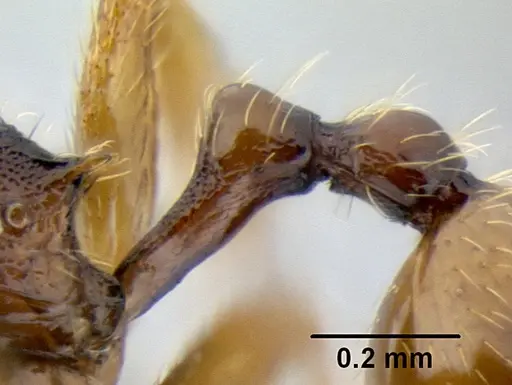
Stenamma hojarasca is a tiny leaf litter ant with a dark red-brown to orange-brown body . Its body size is not documented, but it is considered a small- to medium-sized species within the genus . The species name 'hojarasca' means 'leaf litter' in Spanish, reflecting its only known habitat . This ant has several distinctive features: an elongated petiole (the narrow 'waist'), a projecting median clypeal lobe, and two layers of hairs on the abdomen . Interestingly, the frontal lobes vary by population – some have greatly expanded lobes that fully cover the antenna sockets, while others have only moderate expansion . This species is extremely rare in the wild. Nearly all known specimens come from sifted leaf litter samples in cloud forests. The only exception is a single specimen caught in a carrion-baited pitfall trap in Belize . Most importantly, queens and males have never been collected, making this one of the most poorly understood ants in Central America .
Quick Summary
- Difficulty: Expert
- Origin & Habitat: Found in montane mesophyll and cloud forests from southern Mexico to Honduras, at 1100–1550 m elevation [2][1]. The type locality is Parque Nacional Cusuco, Honduras, at 1280 m in mesophyll forest [2].
- Colony Type: Unknown – no queens or males have ever been collected, so colony structure is unconfirmed [1][3]. Based on typical Stenamma patterns, likely single-queen colonies, but this is inferred.
- Size & Growth:
- Queen: Unknown – queens have never been collected [1].
- Worker: Size data unavailable – only head and mesosoma measurements exist, not total body length [2].
- Colony: Unknown – no colony size data exists [1].
- Growth: Unknown – no development data available.
- Development: Unconfirmed – no direct observations of colony development exist [1]. (Based on typical Stenamma genus patterns, development likely takes 6–10 weeks at optimal temperature, but this is an estimate only.)
- Antkeeping:
- Temperature: Keep cool, around 18–22°C – inferred from its montane cloud forest habitat at 1100–1550 m elevation [2]. Avoid warm conditions.
- Humidity: High humidity required – think damp forest floor. Keep the nest substrate consistently moist but not waterlogged. Provide a gradient with slightly drier areas so workers can self-regulate [2].
- Diapause: Unknown – no data on overwintering requirements. As a tropical montane species from consistent climates, it likely does not require a true diapause. Monitor colony behavior for seasonal slowdowns.
- Nesting: Natural nesting occurs in leaf litter on the forest floor [2]. In captivity, a naturalistic setup with moist substrate (coco fiber, peat) and plenty of hiding spaces works best. Y-tong or plaster nests with small chambers scaled to their tiny size are suitable. Avoid large, open spaces.
- Behavior: This is a cryptic leaf litter species that forages in the upper layers of forest floor debris [2]. Workers are tiny and likely slow-moving. Temperament is unknown but Stenamma species are generally non-aggressive and docile. Escape prevention is critical due to their tiny size – they can squeeze through standard formicarium gaps. Use fine mesh barriers and tight-fitting lids.
- Common Issues: queens have never been collected – this species is essentially unavailable in the antkeeping hobby., no established care protocols exist since no wild colonies have been studied., high humidity requirements can lead to mold if ventilation is poor., tiny size makes escape prevention challenging., no diet preferences documented – feeding may require experimentation.
Why This Species Is Expert-Only
Stenamma hojarasca presents unique challenges that make it suitable only for experienced antkeepers. Most critically, queens have never been scientifically collected, meaning this species is essentially unavailable in the antkeeping hobby [1]. The only known specimens are workers collected from sifted leaf litter in Honduras, Guatemala, and Mexico [2]. Without queens, there is no established breeding protocol, and keepers cannot start colonies from scratch. Any specimens that become available would likely be wild-caught workers only, which have extremely limited lifespans. This species represents a case where the challenge is not difficulty but pure unavailability – there is simply no way to acquire a founding colony. Additionally, the complete lack of biological data means keepers would be pioneering all aspects of captive care with no prior guidance [1].
Natural History and Habitat
This species inhabits montane mesophyll and cloud forests at elevations between 1100 and 1550 meters [2]. The type locality in Parque Nacional Cusuco, Honduras, sits at 1280 m in mesophyll forest – a perpetually misty, humid environment with stable year-round temperatures [2]. The name 'hojarasca' (Spanish for leaf litter) directly describes where these ants live: deep within the decomposing leaf layer on the forest floor [2]. They are considered rare – almost all specimens come from sifted leaf litter samples, with the single exception of one worker caught in a carrion-baited pitfall trap in Belize [2]. This suggests they are surface-active within the leaf litter layer rather than nesting deep in soil. The cloud forest environment means they experience cool temperatures, high humidity, and minimal temperature fluctuation throughout the year.
Temperature and Humidity Requirements
As a montane cloud forest species, Stenamma hojarasca requires cool, stable conditions. Aim for temperatures in the range of 18–22°C – inferred from its high elevation habitat [2]. This is substantially cooler than most common ant species, and many keepers will need to use cooling methods or place colonies in temperature-controlled rooms. Humidity must remain high, reflecting the constantly damp conditions of cloud forest leaf litter. Keep the nest substrate consistently moist but never waterlogged. Allow for a humidity gradient within the enclosure so workers can self-regulate by moving between wetter and drier areas. Adequate ventilation is essential to prevent mold growth while maintaining humidity – this balance is tricky and requires experience. Avoid any heating elements that would raise temperatures above their preferred range.
Housing and Nesting
In captivity, recreate the leaf litter microhabitat these ants naturally inhabit. A naturalistic setup with a deep layer of moist substrate (coco fiber, peat, or similar materials) works well, with pieces of dead leaves, twigs, and other debris scattered throughout to provide hiding spots and foraging surfaces [2]. The substrate should be loose enough that workers can move through it easily. Y-tong (AAC) nests or plaster nests with small, tight chambers scaled to their tiny size are also suitable options. Avoid large, open foraging arenas – these tiny ants feel exposed in open spaces and may become stressed. Provide cover and complexity in the outworld as well. Because of their small size, escape prevention must be excellent: use fine mesh, tight-fitting lids, and barrier methods like fluon on edges.
Feeding and Diet
The natural diet of Stenamma hojarasca is not documented, but related Stenamma species are generalist predators and scavengers that forage for small invertebrates and likely tend aphids for honeydew [3]. Based on genus patterns, offer small live prey items like fruit flies, springtails, and pinhead crickets. Sugar sources like honey water or sugar water may be accepted, though this is not confirmed for this species. Feed small amounts and remove uneaten prey after 24–48 hours to prevent mold. Because workers are tiny, prey items must be appropriately sized – even small crickets may be too large. This is another area where keepers will need to experiment since no specific dietary data exists for this species.
Frequently Asked Questions
Can I keep Stenamma hojarasca in a test tube?
A test tube setup can work for an established colony, but this species prefers a naturalistic setup with leaf litter and debris to mimic their natural forest floor habitat [2]. If using a test tube, ensure it is kept humid and provided with a dark cover to reduce stress.
How long until first workers in Stenamma hojarasca?
This is unknown – no colony development has ever been documented. Based on typical Stenamma genus patterns, expect 6–10 weeks from egg to worker at optimal temperature, but this is purely an estimate [1].
Are Stenamma hojarasca good for beginners?
No. This species is not recommended for beginners for one critical reason: queens have never been collected, meaning the species is essentially unavailable in the antkeeping hobby [1]. Even experienced keepers cannot obtain this species to keep.
Do Stenamma hojarasca ants sting?
Stenamma species are in the subfamily Myrmicinae, which includes ants with functional stingers. However, this genus is not known for aggressive behavior or stinging. Given their tiny size and cryptic lifestyle, stinging risk is minimal [3].
What temperature do Stenamma hojarasca need?
Keep them cool at 18–22°C. This is a montane cloud forest species from elevations of 1100–1550 m, so they prefer temperatures significantly cooler than typical room temperature [2].
Can I keep multiple queens together?
This is unknown – no queens have ever been collected, so colony structure is completely unconfirmed [1]. Without queens, this question is moot for practical purposes.
How big do Stenamma hojarasca colonies get?
Colony size is unknown – no mature colonies have ever been studied [1]. Based on related Stenamma species, colonies likely reach several hundred workers at most, but this is an estimate.
Do Stenamma hojarasca need hibernation?
Diapause requirements are unknown. As a tropical montane species from consistent cloud forest conditions, they likely do not require a true hibernation period. Monitor your colony for any seasonal slowdowns and adjust care accordingly.
Why are my Stenamma hojarasca dying?
Without established care protocols for this species, mortality causes are difficult to diagnose. Common issues likely include temperature stress (too warm), humidity problems (too dry or too wet causing mold), inappropriate prey size, and stress from inadequate hiding spaces. This species requires expert-level attention to detail.
Where can I get Stenamma hojarasca queens?
You likely cannot. Queens have never been scientifically collected, making this species essentially unavailable in the antkeeping hobby [1]. The only known specimens are workers from leaf litter samples [2].
Report an Issue
The current care sheet is based fully on literature. See inconsistencies, or something that's incorrect? Please , it will be resolved after review from an admin. Contributing to the blogs tab also helps providing information, to make us be able to further improve the caresheets. Thank you for your support!
References

Esta ficha de cuidados é licenciada sob CC BY-SA 4.0 .
Blogs da comunidade
CASENT0622124
Ver no AntWeb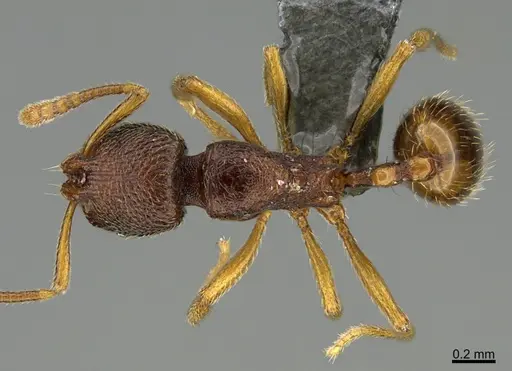
CASENT0622132
Ver no AntWeb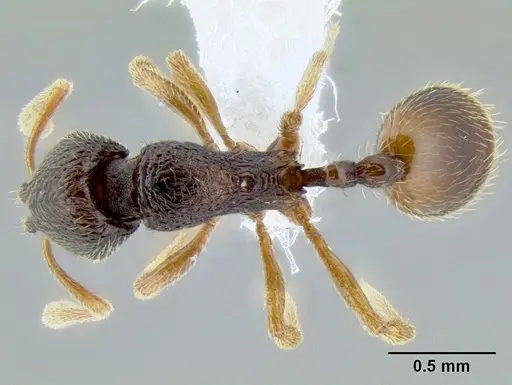
Literatura
A carregar mapa de distribuição...A carregar produtos...