
Pseudolasius martini
- Nome cient.
- Pseudolasius martini
- Tribo
- Lasiini
- Subfamília
- Formicinae
- Autor
- Forel, 1911
- Distribuição
- Encontrado em 0 países
Introdução
Pseudolasius martini is a small ant from the Formicinae subfamily, first described from West Malaysia in 1911 by Forel based on a queen and male . Workers have never been formally described. The species is known only from West Malaysia and Singapore . Males have been collected at light sources, suggesting nocturnal or crepuscular activity . Almost nothing is known about its biology or ecology, making it one of the least studied ant species in the hobby.
Quick Summary
- Difficulty: Unknown
- Origin & Habitat: West Malaysia and Singapore in the Indomalaya region. Inhabits tropical forest environments [1].
- Colony Type: Unconfirmed colony structure, only males and queens have been documented, no worker colonies studied.
- Size & Growth:
- Queen: Undescribed in modern literature, original description from 1911 exists but measurements not digitized [1]
- Worker: Undescribed, workers have not been formally described
- Colony: Unknown, no colony data exists
- Growth: Unknown
- Development: Unknown, no development data exists. Based on typical Formicinae patterns, estimate 6-10 weeks at warm temperatures, but this is a rough guess with no species-specific data. (Development timeline is entirely unstudied.)
- Antkeeping:
- Temperature: Unknown for this species. Start around 24-28°C (warm tropical conditions) and observe colony activity. Related Pseudolasius species prefer warm, humid conditions.
- Humidity: Unknown. Based on tropical forest habitat, aim for moderate to high humidity (60-80%) with moist substrate.
- Diapause: Unlikely, being tropical from Singapore and Malaysia, they probably do not require diapause. Some reduction in activity during cooler periods may occur naturally.
- Nesting: Natural nesting is undocumented. Based on genus patterns, they likely nest in soil, under stones, or in rotting wood. A naturalistic setup with moist substrate or a Y-tong/plaster nest would be appropriate starting points.
- Behavior: Behavior is poorly documented. Males attracted to lights suggest nocturnal or crepuscular patterns [2][3]. Based on subfamily Formicinae, they likely use chemical alarm signals. Escape risk is unknown but likely moderate given typical ant sizes for this genus.
- Common Issues: no documented care information exists, this is one of the least studied species in the hobby, colony founding success is completely unknown, temperature and humidity requirements are unstudied, keepers must experiment, no confirmed food preferences, wild-caught colonies may be extremely difficult to obtain as workers have rarely been collected
Species Overview and History
Pseudolasius martini was first described by Auguste Forel in 1911 from a queen and male collected in West Malaysia [1]. Since then, the species has been recorded from Singapore, with males caught at lamp light in the 1920s being the only documented specimens [2][3]. This species remains extremely poorly known, with no biological or ecological data. The genus Pseudolasius contains several dozen species across tropical Asia, Australia, and parts of Africa. Many are similarly understudied, so captive husbandry is largely experimental, based on genus-level patterns.
Natural Habitat and Distribution
Pseudolasius martini is known from the Indomalaya region, specifically West Malaysia and Singapore [1]. These areas have tropical rainforest climates with high year-round temperatures (25-30°C) and humidity (70-90%). The species appears associated with forested environments, though specific microhabitat preferences are undocumented. Males collected at light sources in Singapore suggest nocturnal or crepuscular activity, common for tropical ants during nuptial flights [2][3].
Housing and Nesting
No specific nesting data exists for this species. In the wild, Pseudolasius species typically nest in soil, under stones, or in decaying wood on the forest floor. For captivity, start with a naturalistic setup: a test tube for founding, then gradually move to a moist substrate nest (soil-sand mix) or a Y-tong/plaster nest with a water reservoir. Since escape risk is unknown, use standard antkeeping prevention (Fluon on container edges, tight-fitting lids). Observe the colony and adjust based on their behavior.
Temperature and Humidity Requirements
Temperature and humidity are not documented for this species. Being from tropical Malaysia and Singapore, they almost certainly require warm, humid conditions. Aim for 24-28°C, typical for tropical ants. Use a heating cable on one side of the nest for a gradient. Keep substrate consistently moist but not waterlogged. Target 70-80% humidity. Monitor condensation, some is good, but excessive moisture can cause mold. Since information is lacking, watch your colony and adjust as needed.
Feeding and Diet
The natural diet of Pseudolasius martini is undocumented. Based on subfamily Formicinae (which includes Camponotus, Lasius, and Paratrechina), they likely have an omnivorous diet: honeydew from aphids, small insects, and possibly nectar. For captivity, offer sugar water or honey as a constant energy source, and protein sources like small insects (fruit flies, small mealworms, crickets) or commercial ant jelly. Feed small amounts and remove uneaten food after 24-48 hours to prevent mold.
Colony Development and Growth
Colony development is entirely unstudied. No data exists on founding, development times, or colony size. Based on typical Formicinae patterns, the queen likely seals herself in a claustral chamber and raises the first brood alone. First workers (nanitics) are usually smaller than mature workers. Development from egg to worker for related tropical Formicinae is typically 6-10 weeks under warm conditions. Growth will likely be slow at first, then accelerate. Maximum colony size is unknown but may reach several hundred workers based on typical Pseudolasius.
Frequently Asked Questions
How do I care for Pseudolasius martini ants?
Care is largely experimental. Provide warm (24-28°C), humid conditions (70-80% humidity), and standard ant food. Start with a test tube for founding. This is not a species for beginners due to the complete lack of documented care information.
What do Pseudolasius martini ants eat?
Diet is unconfirmed. Based on the subfamily Formicinae, they likely accept sugar sources (honey, sugar water) and protein (small insects). Offer both and observe what they accept. Remove uneaten food promptly.
How long does it take for Pseudolasius martini to raise first workers?
Unknown, no development data exists. Based on typical Formicinae patterns in tropical conditions, estimate 6-10 weeks from egg to first worker, but this is a rough guess with no species-specific data.
Do Pseudolasius martini ants need hibernation?
No, being a tropical species from Malaysia and Singapore, they do not require hibernation. Maintain warm temperatures year-round (24-28°C). Some reduction in activity during cooler periods may occur naturally.
What size colony does Pseudolasius martini reach?
Unknown, colony size has not been documented. Based on typical Pseudolasius species, colonies may reach several hundred workers over time.
Is Pseudolasius martini good for beginners?
No, this species is not recommended for beginners. There is virtually no documented care information. Choose a better-studied species like Lasius niger, Camponotus species, or Messor species for your first ant.
Can I keep multiple Pseudolasius martini queens together?
Unknown, colony structure has not been studied. Do not attempt combining unrelated queens without research evidence.
What nest type is best for Pseudolasius martini?
Unknown, natural nesting is undocumented. Based on genus patterns, a naturalistic setup with moist substrate or a Y-tong/plaster nest with humidity control would be appropriate starting points.
Where does Pseudolasius martini live in the wild?
West Malaysia and Singapore in tropical forest environments. Males have been caught at light sources, suggesting nocturnal activity patterns [1][2][3].
Report an Issue
The current care sheet is based fully on literature. See inconsistencies, or something that's incorrect? Please , it will be resolved after review from an admin. Contributing to the blogs tab also helps providing information, to make us be able to further improve the caresheets. Thank you for your support!
References

Esta ficha de cuidados é licenciada sob CC BY-SA 4.0 .
Blogs da comunidade
CASENT0910986
Ver no AntWeb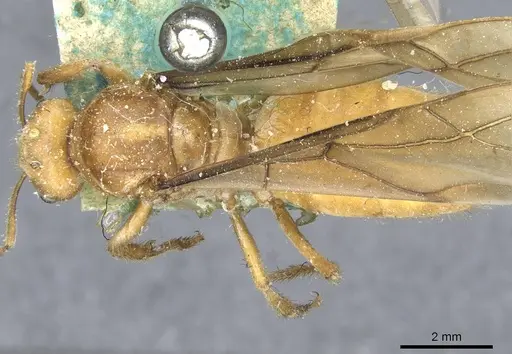
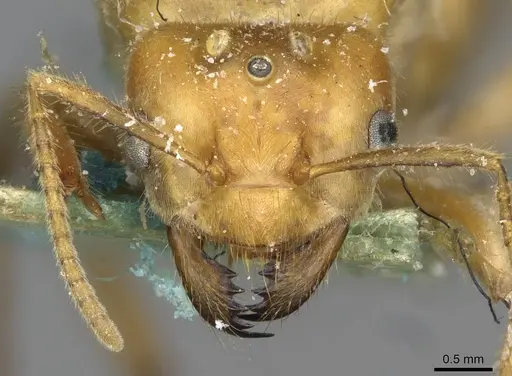
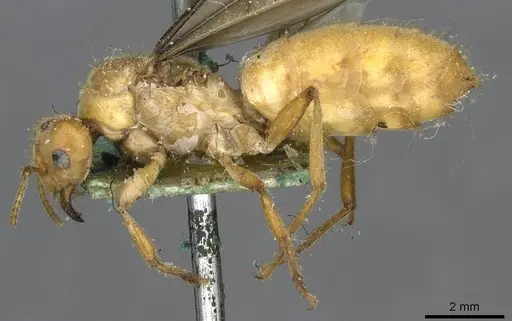
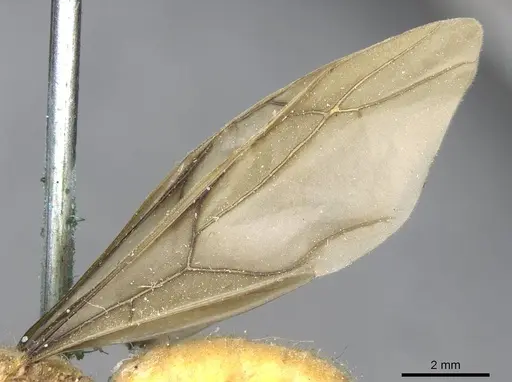
Literatura
A carregar mapa de distribuição...A carregar produtos...