
Proceratium morisitai
- Nome cient.
- Proceratium morisitai
- Tribo
- Proceratiini
- Subfamília
- Proceratiinae
- Autor
- Onoyama & Yoshimura, 2002
- Distribuição
- Encontrado em 0 países
Introdução
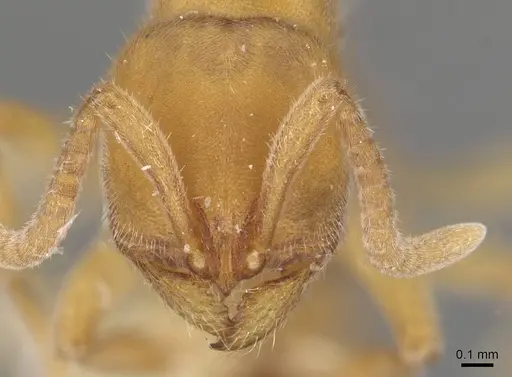
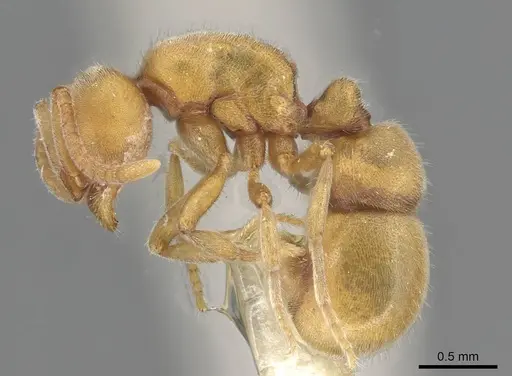
Proceratium morisitai is a small ant species native to Japan, with workers measuring 3.64-4.25 mm total length and queens 4.66 mm total length . Workers have yellowish to light brown coloration with strongly granulate sculpture on the head, mesosoma, petiole, and postpetiole . This species belongs to the Pergandei Clade and was previously confused with Proceratium itoi . Proceratium morisitai is rare with a sporadic distribution in Japan . Based on morphology, it likely inhabits leaf litter or rotting wood, but specific habitat details are unconfirmed.
Quick Summary
- Difficulty: Expert
- Origin & Habitat: Japan, Palaearctic region, found in Kyoto Prefecture at low elevation (100 m) [1].
- Colony Type: Unconfirmed, based on Proceratium genus patterns, likely monogyne (single queen).
- Size & Growth:
- Antkeeping:
- Temperature: Unconfirmed, aim for 20-24°C as a starting point, but monitor colony activity [1].
- Humidity: Unconfirmed, keep substrate moderately moist but not waterlogged [1].
- Diapause: Unknown
- Nesting: Based on morphology, likely nests in leaf litter or rotting wood, in captivity, use moist substrate or plaster nest [1].
- Behavior: Workers have reduced eyes and likely forage in substrate, non-aggressive and flee when threatened. Escape risk is moderate due to small size [1].
- Common Issues: rare availability in the antkeeping hobby., no established captive breeding protocols., require live micro-prey for diet., slow growth and small colony sizes., escape prevention important due to small size.
Housing and Nest Setup
Proceratium morisitai likely prefers confined spaces based on morphology. Use a Y-tong or plaster nest with narrow chambers and moist substrate to mimic natural leaf-litter habitats [1]. Keep the nest dark or dimly lit, as this species is photophobic. Ensure excellent escape prevention due to small worker size [1].
Feeding and Diet
Proceratium morisitai is a specialized predator that requires live micro-prey, such as springtails [1]. Feed prey 2-3 times per week, removing uneaten items after 24 hours. Sugar sources are unlikely to be accepted [1].
Temperature and Seasonal Care
Temperature requirements are unconfirmed. Aim for 20-24°C as a starting point and monitor colony behavior [1]. Avoid temperatures above 28°C. Diapause is unknown, observe colony activity for seasonal changes [1].
Colony Founding and Growth
Colony founding behavior is unconfirmed. Growth is expected to be slow, but no specific timeline is available [1]. Queens should not be disturbed during founding [1].
Behavior and Temperament
Workers are slow-moving and non-aggressive, relying on chemical cues due to reduced eyes [1]. They flee when threatened and may bite if handled, but are not harmful to humans [1].
Frequently Asked Questions
How long does it take for Proceratium morisitai to produce first workers?
The exact timeline is unknown for this species [1].
What do Proceratium morisitai ants eat?
They require live micro-prey, such as springtails [1].
Can I keep Proceratium morisitai in a test tube?
Test tubes may work for founding, but a naturalistic setup with substrate is better long-term [1].
Do Proceratium morisitai ants sting?
No, they do not have functional stingers and are harmless to humans [1].
Are Proceratium morisitai good for beginners?
No, this is an expert-level species due to rarity, specialized diet, and unknown care requirements [1].
How big do Proceratium morisitai colonies get?
Colony size is unknown [1].
Do Proceratium morisitai need hibernation?
Diapause is unknown for this species [1].
Why is my Proceratium morisitai colony declining?
Possible causes include insufficient prey, improper humidity, temperature stress, or disturbance [1].
Can I keep multiple Proceratium morisitai queens together?
This has not been documented, combining queens is not recommended [1].
Where can I get Proceratium morisitai?
This species is very rare in the antkeeping hobby and not commonly available [1].
Report an Issue
The current care sheet is based fully on literature. See inconsistencies, or something that's incorrect? Please , it will be resolved after review from an admin. Contributing to the blogs tab also helps providing information, to make us be able to further improve the caresheets. Thank you for your support!
References

Esta ficha de cuidados é licenciada sob CC BY-SA 4.0 .
Blogs da comunidade
CASENT0902412
Ver no AntWeb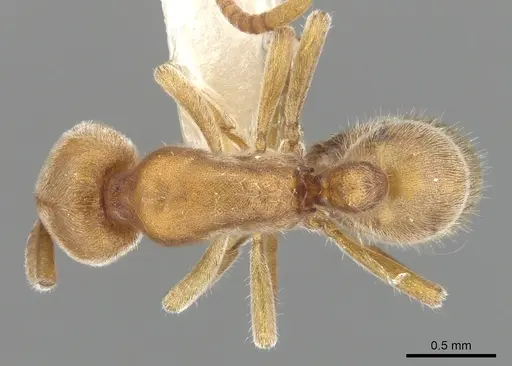
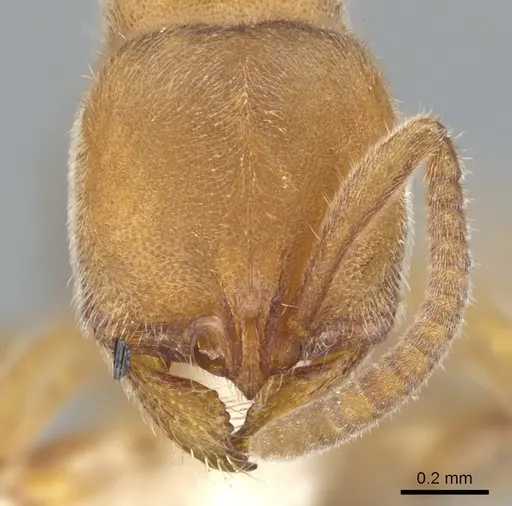
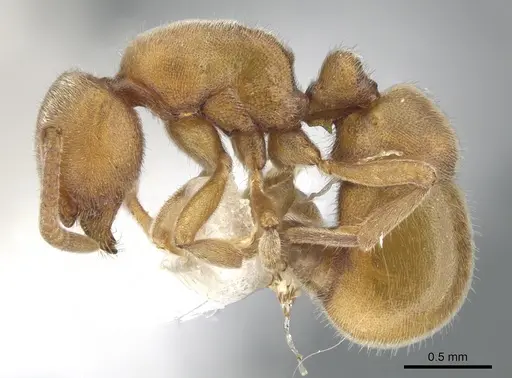
CASENT0915313
Ver no AntWeb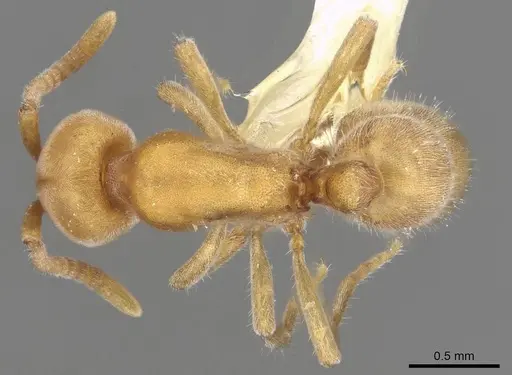
Literatura
A carregar mapa de distribuição...A carregar produtos...