
Proceratium microsculptum
- Nome cient.
- Proceratium microsculptum
- Tribo
- Proceratiini
- Subfamília
- Proceratiinae
- Autor
- de Andrade, 2003
- Distribuição
- Encontrado em 0 países
Introdução
Proceratium microsculptum is a tiny ant species from the rainforests of Borneo, Malaysia. Workers measure 3.6mm in total length, and queens reach 4.1mm. The species has blind workers, strongly developed genal carinae, and a finely sculptured body with foveae. It is known only from Sabah, Malaysia, at 810m elevation . Nothing is known about its biology in the wild, making it a challenging species for antkeepers interested in rare species.
Quick Summary
- Difficulty: Expert
- Origin & Habitat: Sabah, Malaysia, at 810m elevation in rainforest habitats [1]
- Colony Type: Unconfirmed, no data on colony structure or queen number
- Size & Growth:
- Antkeeping:
- Temperature: Keep warm, around 24-28°C, based on tropical habitat [1]
- Humidity: Keep nest substrate consistently moist but not waterlogged, based on rainforest habitat [1]
- Diapause: No, tropical species do not require winter diapause [1]
- Nesting: Provide a moist, dark nesting environment, inferred from genus patterns [1]
- Behavior: Based on genus patterns, workers are slow-moving and cryptic, with moderate escape risk due to small size [1]
- Common Issues: lack of biological data requires careful observation and adjustment., small size makes colonies vulnerable to disturbance., blind workers may need food placed close to the nest., high humidity can lead to mold if ventilation is poor.
Appearance and Identification
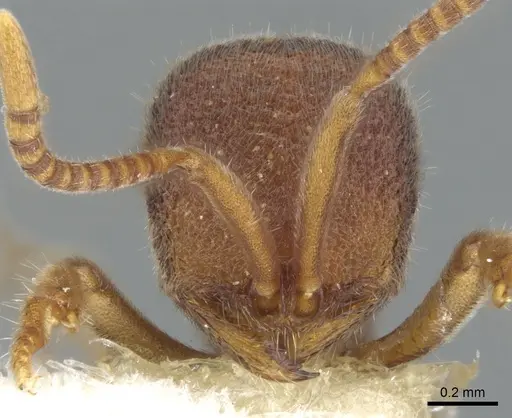
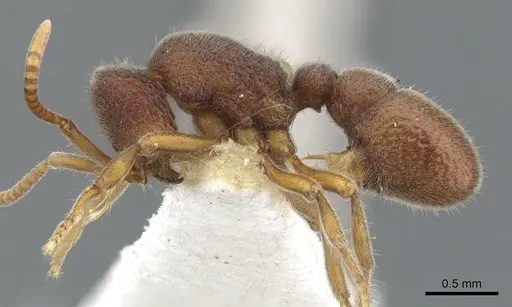
Proceratium microsculptum workers measure 3.6mm in total length and queens 4.1mm. Workers are blind, with strongly marked genal carinae and fused frontal carinae. The body is ferrugineous brown and covered in foveae [1][2].
Natural History and Distribution
This species is known only from Sabah, Malaysia, at 810m elevation. No biological data exists on nesting, foraging, or colony structure [1].
Care Guidelines
Since no species-specific data exists, care is inferred from genus patterns. Keep temperatures warm (24-28°C) and humidity high with moist substrate. Provide dark, tight nesting chambers. Feed small live prey like springtails, placed near the nest due to blind workers [1].
Frequently Asked Questions
How long does it take for Proceratium microsculptum to produce first workers?
The exact timeline is unknown. No biological data exists for this species [1].
What do Proceratium microsculptum ants eat?
Based on genus patterns, they are predatory and eat small live prey like springtails. No species-specific diet data exists [1].
Are Proceratium microsculptum ants difficult to keep?
Yes, they are expert-level due to lack of data and rarity. Care requires experience with rare species [1].
Do Proceratium microsculptum ants have a sting?
Proceratium ants have a vestigial stinger that cannot penetrate human skin. They may bite defensively [1].
How big do Proceratium microsculptum colonies get?
Colony size is unknown. No data on maximum size exists [1].
Can I keep multiple Proceratium microsculptum queens together?
This has not been documented. No data on colony structure exists, so it is not recommended [1].
Do Proceratium microsculptum ants need hibernation?
No, as a tropical species from Borneo, they do not require diapause [1].
What type of nest should I use for Proceratium microsculptum?
Use a moist, dark nest such as Y-tong, plaster, or test tube setups with damp substrate. Chambers should be small for their tiny size [1].
Why are my Proceratium microsculptum ants dying?
Common causes include low humidity, temperatures below 22°C, stress from disturbance, or mold from poor ventilation. Review environmental parameters [1].
Are Proceratium microsculptum ants aggressive?
They are not aggressive toward humans. Based on genus patterns, they are cryptic and peaceful toward conspecifics [1].
Report an Issue
The current care sheet is based fully on literature. See inconsistencies, or something that's incorrect? Please , it will be resolved after review from an admin. Contributing to the blogs tab also helps providing information, to make us be able to further improve the caresheets. Thank you for your support!
References

Esta ficha de cuidados é licenciada sob CC BY-SA 4.0 .
Blogs da comunidade
CASENT0902415
Ver no AntWeb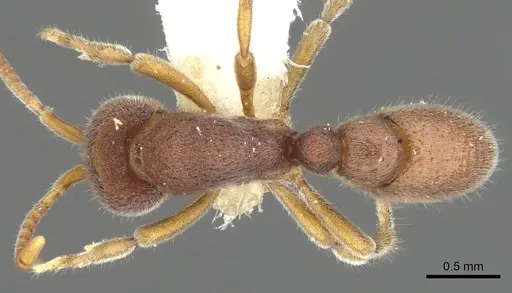
Literatura
A carregar mapa de distribuição...A carregar produtos...