
Pristomyrmex sulcatus
- Nome cient.
- Pristomyrmex sulcatus
- Tribo
- Crematogastrini
- Subfamília
- Myrmicinae
- Autor
- Emery, 1895
- Distribuição
- Encontrado em 0 países
Introdução
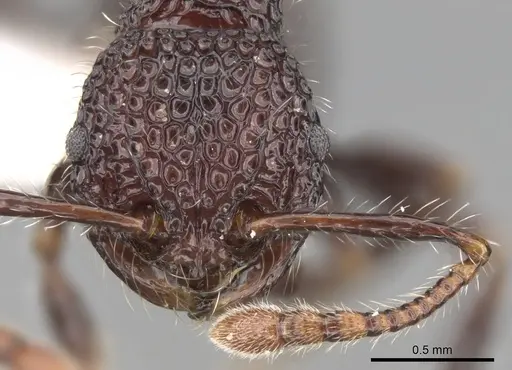
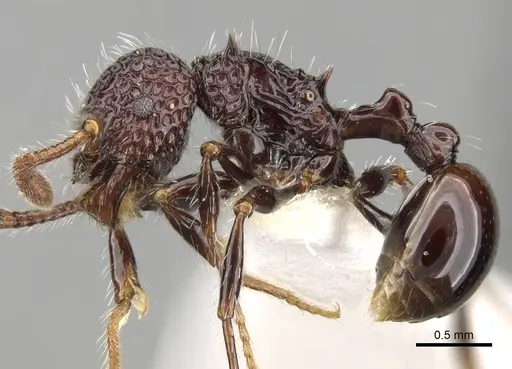
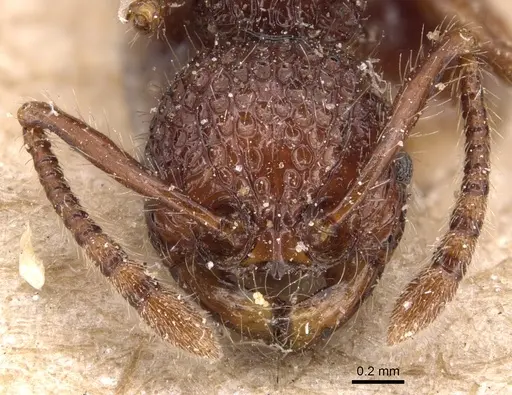
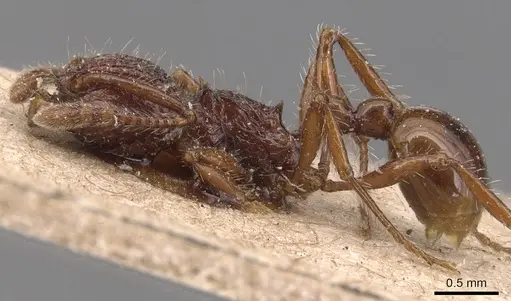
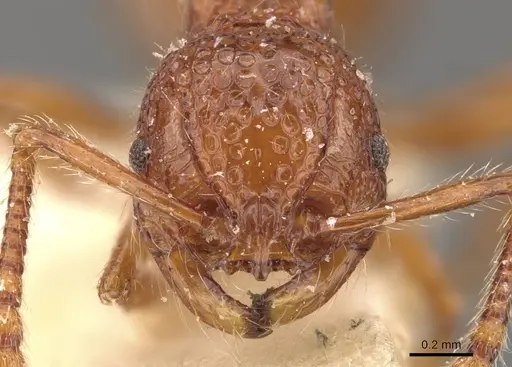
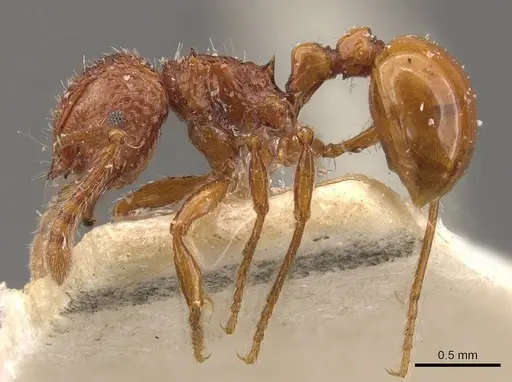
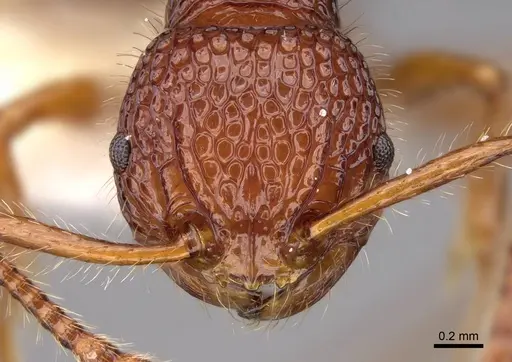
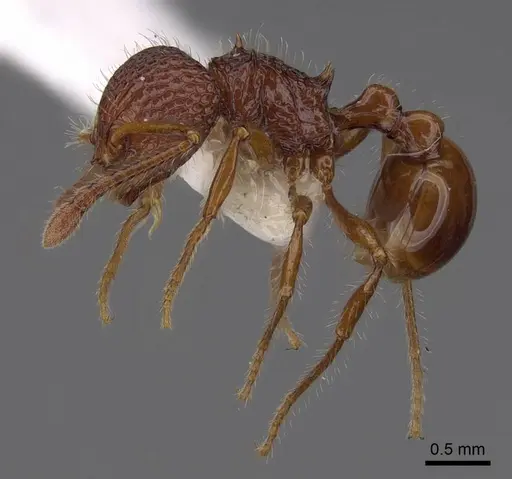
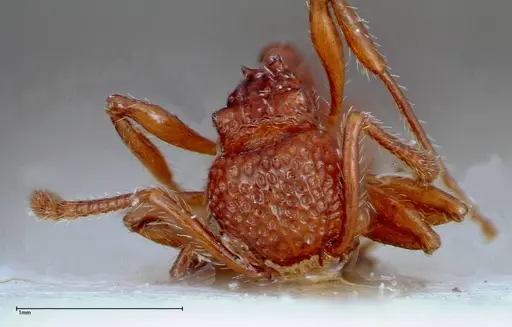
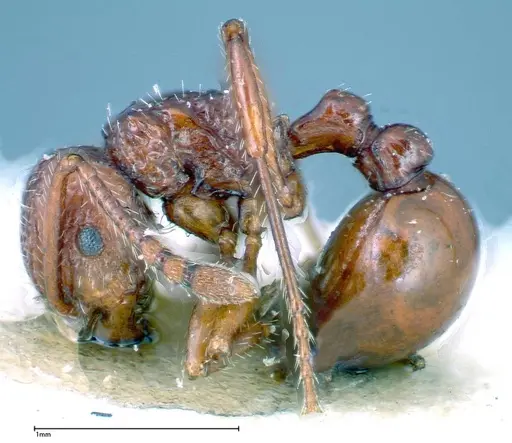
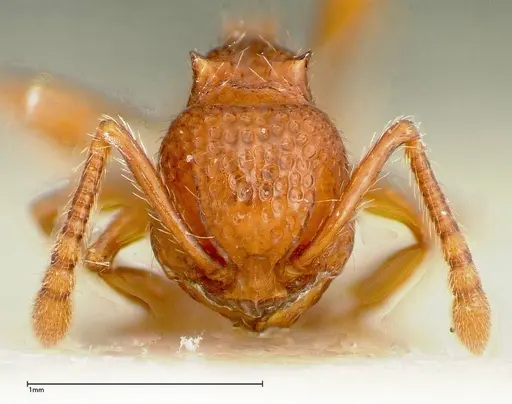
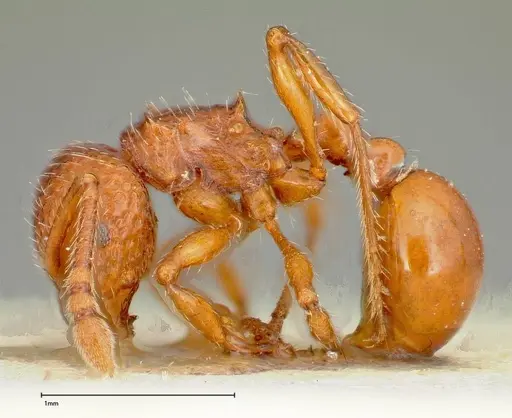
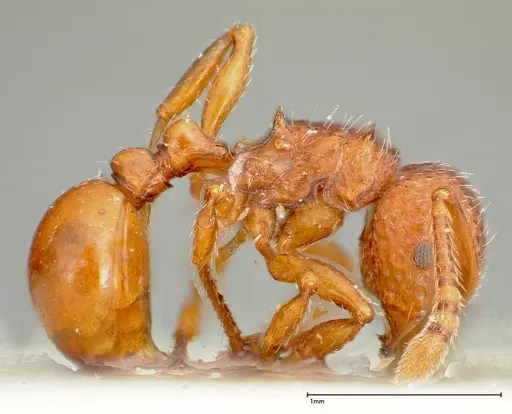
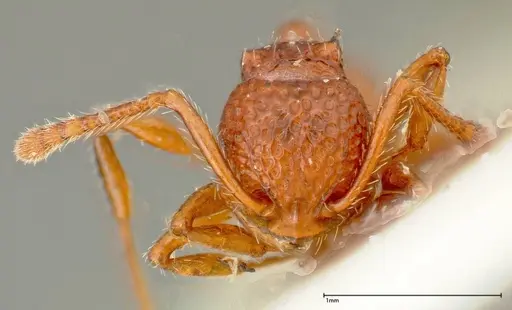
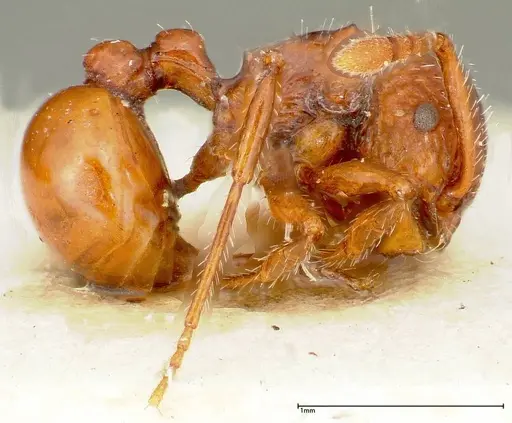
Pristomyrmex sulcatus is a small ant with workers measuring 3.98-4.74 mm in total length . They have a prominent tooth on the underside of the clypeus and moderately long pronotal spines. The head and alitrunk have rough sculpture, while the abdomen is smooth and reddish-brown. This species is found across the Indomalayan region, including India, Malaysia, Myanmar, Nepal, Thailand, Vietnam, and southern China . They inhabit dense secondary forests with thick leaf litter . A notable feature is their defense mechanism: they have a modified stinger used to smear venom onto enemies, rather than piercing, which is typical for their subfamily [Myrmicinae, Crematogastrini].
Quick Summary
- Difficulty: Medium
- Origin & Habitat: Found across the Indomalayan region, India, Malaysia, Myanmar, Nepal, Thailand, Vietnam, and southern China. They inhabit dense secondary forests with approximately 4 inches of leaf litter, in areas with limited sunlight. Regional climate features temperatures from -1°C to 28°C with high rainfall around 325 cm per year [2].
- Colony Type: Based on typical Pristomyrmex genus patterns, likely single-queen colonies, but unconfirmed in scientific literature.
- Size & Growth:
- Queen: Size data unavailable, no total length measurements for queens.
- Worker: 3.98-4.74 mm [1]
- Colony: Unknown, no colony size data available
- Growth: Unknown
- Development: Unknown, no direct development data available for this species. (Development timing may vary with temperature, but no specific estimates exist.)
- Antkeeping:
- Temperature: Keep between 22-26°C for optimal activity, based on their habitat temperature range [2].
- Humidity: Keep nest substrate consistently moist but not waterlogged, mimicking their forest floor habitat [2].
- Diapause: Yes, based on winter temperatures in their native range reaching -1°C, reduce temperatures to 15-18°C for 2-3 months during winter [2].
- Nesting: In nature, they nest in soil, leaf litter, and rotting logs [1]. For captivity, use moist substrate nests like Y-tong or soil-based formicaria.
- Behavior: Workers are active foragers and predators, hunting small invertebrates and scavenging [2]. They have a modified stinger for smearing venom, which is ineffective on human skin due to their small size [1]. Escape risk is high because workers are under 5 mm, requiring fine mesh barriers.
- Common Issues: high humidity needs can lead to mold if ventilation is inadequate, escape prevention is critical due to small size, winter diapause must be managed carefully to avoid colony losses, wild-caught colonies may harbor parasites
Housing and Nest Setup
Pristomyrmex sulcatus thrives in naturalistic setups that replicate their forest floor habitat. Use a formicarium filled with moist soil or a Y-tong nest with dirt chambers [1]. They prefer tight, humid chambers with substrate depth of at least 3-4 inches to mimic leaf litter [2]. Outworld space should include cover for foraging. Maintain humidity with a water reservoir or regular misting.
Feeding and Diet
These ants are predators and scavengers. Offer small live prey like fruit flies, pinhead crickets, and mealworms, plus scavenged dead insects [2]. Sugar sources such as honey or sugar water are accepted. Feed protein-rich foods 2-3 times per week, removing uneaten items after 24 hours. Fresh water should always be available.
Temperature and Seasonal Care
Maintain temperatures between 22-26°C for optimal activity [2]. During winter, provide a diapause period of 2-3 months at 15-18°C to match their native seasonal cooling [2]. Reduce feeding during diapause but maintain some nutrition. Return to normal temperatures gradually in spring.
Humidity Management
Keep nest substrate moist but not waterlogged, as in their natural forest floor habitat [2]. Use a water reservoir or misting to maintain stability. Balance humidity with ventilation to prevent mold. Allow some drier areas for ants to self-regulate.
Behavior and Observation
Workers forage actively through substrate and outworld for prey [2]. They defend nests with a smear stinger, which is ineffective on humans due to small size [1]. Observation is easy as they are day-active and explore readily. Their spines and clypeal tooth are visible under magnification.
Frequently Asked Questions
How long does it take for Pristomyrmex sulcatus to produce first workers?
The exact development time is unknown for this species. No direct data exists, so estimates are not available.
What do Pristomyrmex sulcatus ants eat?
They are predators and scavengers. Feed them small live insects like fruit flies and mealworms, plus sugar sources [2].
Do Pristomyrmex sulcatus ants need hibernation?
Yes, based on their native habitat with winter temperatures reaching -1°C, they require diapause at 15-18°C for 2-3 months [2].
What size colony do Pristomyrmex sulcatus reach?
Colony size data is not available for this species.
Are Pristomyrmex sulcatus good for beginners?
This species is rated Medium difficulty due to specific humidity needs and diapause requirements. Best for keepers with some experience.
Can I keep Pristomyrmex sulcatus in a test tube setup?
Test tubes can work for founding colonies, but naturalistic soil-based setups are preferable for established colonies due to humidity needs [1].
Do Pristomyrmex sulcatus ants sting?
They have a modified stinger for smearing venom, which is ineffective on human skin due to their small size [1].
What temperature is best for Pristomyrmex sulcatus?
Keep them at 22-26°C for optimal activity, based on their habitat range [2].
When should I move my colony to a formicarium?
Move them when the colony outgrows the test tube setup, typically when they have several workers. Use a moist substrate nest [1].
Why are my Pristomyrmex sulcatus dying?
Common causes include low humidity, improper temperatures, inadequate ventilation causing mold, or stress from poor escape prevention. Check these parameters first.
Report an Issue
The current care sheet is based fully on literature. See inconsistencies, or something that's incorrect? Please , it will be resolved after review from an admin. Contributing to the blogs tab also helps providing information, to make us be able to further improve the caresheets. Thank you for your support!
References

Esta ficha de cuidados é licenciada sob CC BY-SA 4.0 .
Blogs da comunidade
CASENT0281798
Ver no AntWeb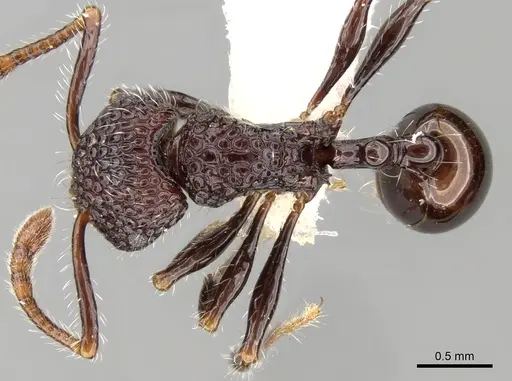
CASENT0904695
Ver no AntWeb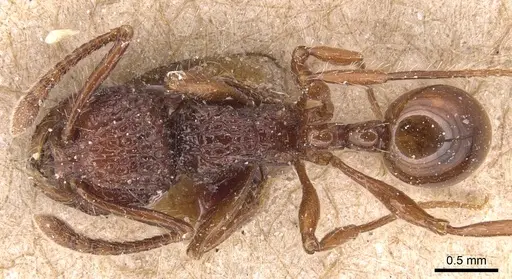
CASENT0908955
Ver no AntWeb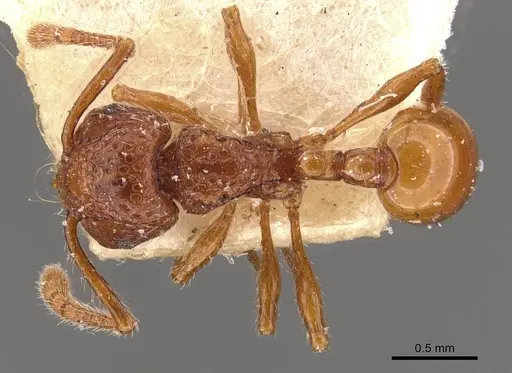
CASENT0923002
Ver no AntWeb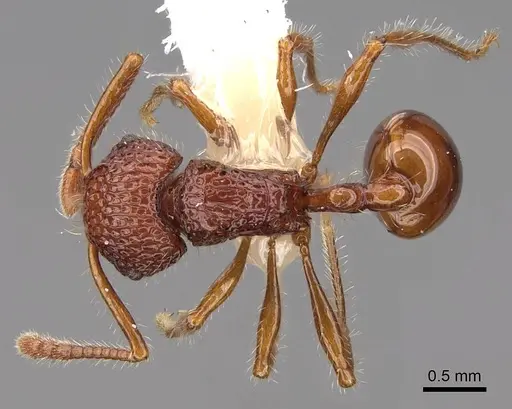
FOCOL0310
Ver no AntWeb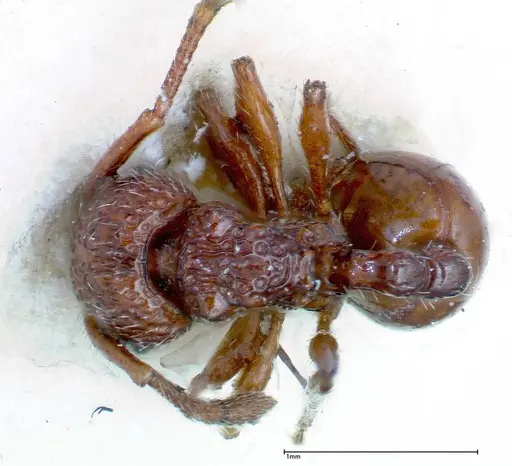
FOCOL0311
Ver no AntWeb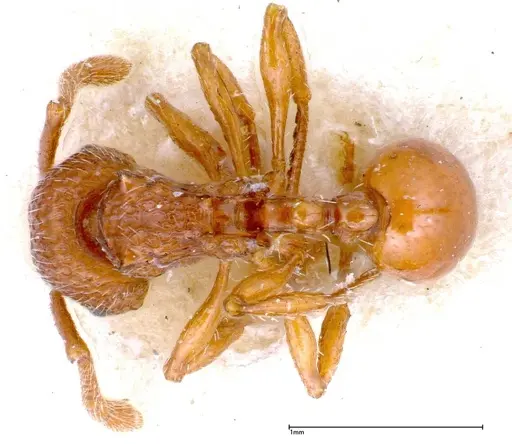
FOCOL0312
Ver no AntWeb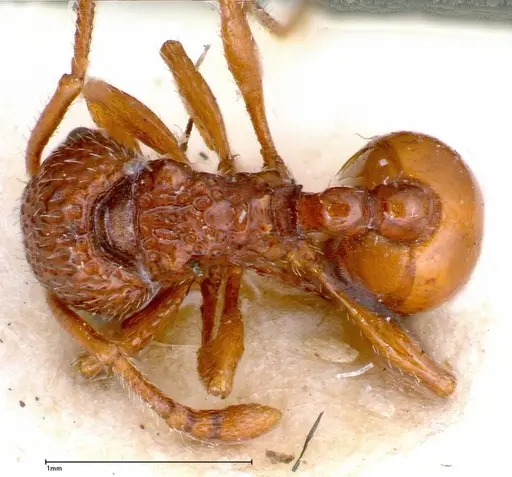
Literatura
A carregar mapa de distribuição...A carregar produtos...