
Pristomyrmex sinharaja
- Nome cient.
- Pristomyrmex sinharaja
- Tribo
- Crematogastrini
- Subfamília
- Myrmicinae
- Autor
- Dias & Yamane, 2016
- Distribuição
- Encontrado em 0 países
Introdução
Pristomyrmex sinharaja is a tiny ant species endemic to Sri Lanka's Sinharaja Forest Reserve. Workers measure 1.6-2.2 mm and have a dark yellowish to light reddish brown coloration with a smooth, shiny body . They have relatively large eyes and short, upward-pointing propodeal spines . This species is found only in the wet zone of Sri Lanka . Workers occur in two distinct size classes - small and large - which is a trait common in the genus Pristomyrmex .
Quick Summary
- Difficulty: Medium
- Origin & Habitat: Endemic to Sri Lanka, specifically the Sinharaja Forest Reserve in the wet zone, a tropical rainforest environment [3].
- Colony Type: Colony structure is unconfirmed. Only workers have been described, queens and males remain unknown [1][2].
- Size & Growth:
- Queen: Unknown, queen has not been described [1][2]
- Worker: Small workers: 1.6-1.8 mm, Large workers: 2.0-2.2 mm [1][2]
- Colony: Unknown, limited field data due to recent description [1][2]
- Growth: Unknown, no development studies exist
- Development: Unknown, no direct observations. Based on similar small Myrmicinae from tropical regions, estimate 4-8 weeks at optimal temperature (This is a rough estimate since no species-specific data exists)
- Antkeeping:
- Temperature: Keep warm, roughly 24-28°C, based on tropical wet-zone habitat
- Humidity: Keep nest substrate consistently moist but not waterlogged, based on wet-zone rainforest habitat
- Diapause: No diapause required, as this is a tropical species
- Nesting: Use small nests made of Y-tong, plaster, or soil with moist substrate. Provide a humidity gradient based on natural habitat
- Behavior: These ants are small but active foragers with relatively large eyes. Based on subfamily Myrmicinae, they likely use a smear defense mechanism. Their small size makes them vulnerable to drying out, so escape prevention should focus on maintaining humidity. They are not aggressive defenders and likely rely on hiding.
- Common Issues: high humidity requirements can lead to mold if ventilation is poor, small size makes them vulnerable to drying out quickly [1][2], limited availability due to endemism and rarity [3], captive breeding behavior is largely unknown [1][2]
Natural History and Distribution
Pristomyrmex sinharaja is known only from the Sinharaja Forest Reserve in Sri Lanka, a primary rainforest in the wet zone [3]. It was described in 2016 and is part of the Pristomyrmex profundus group [1][2]. Workers have two size classes, with larger workers having bigger heads but similar propodeal spine size [1][2].
Housing and Nest Setup
Because workers are tiny (1.6-2.2 mm), use small nests scaled to their size. Recommended nest types include Y-tong, plaster, or soil nests with moist substrate. Maintain high humidity by keeping the substrate damp but not waterlogged, and provide a water source like a test tube with cotton. Avoid large open spaces, these ants prefer enclosed chambers. [3]
Feeding and Diet
No specific feeding studies exist, but Pristomyrmex species are typically predatory or omnivorous. Offer small live prey like fruit flies or springtails, and occasionally sugar sources like honey water. Feed small amounts every few days and remove uneaten prey to prevent mold.
Temperature and Seasonal Care
As a tropical species from Sri Lanka's wet zone, keep temperatures warm around 24-28°C. No diapause is needed. Use a gentle heat gradient if possible, but avoid direct heat that dries out the colony. [3]
Colony Development and Growth
Queens and males are unknown, so founding behavior is unconfirmed [1][2]. Colonies likely remain small due to tiny worker size. Growth is probably slow, with nanitics being small workers.
Frequently Asked Questions
How long does it take for Pristomyrmex sinharaja to develop from egg to worker?
The egg-to-worker timeline is unconfirmed. Based on similar small Myrmicinae, estimate 4-8 weeks at optimal temperature. No species-specific data exists.
What do Pristomyrmex sinharaja ants eat?
Based on genus patterns, they are likely predatory or omnivorous. Offer small live prey like fruit flies and springtails.
Can I keep multiple Pristomyrmex sinharaja queens together?
Colony structure is unconfirmed, queens have never been described. Do not combine unrelated foundresses until more is known [1][2].
Do Pristomyrmex sinharaja ants sting?
They are too small to effectively sting humans. Based on subfamily Myrmicinae, they likely use a smear defense mechanism.
Are Pristomyrmex sinharaja good for beginners?
This species is not ideal for beginners due to limited captive data, high humidity needs, and rarity. Experienced keepers may have better success.
What temperature do Pristomyrmex sinharaja need?
Keep them warm at roughly 24-28°C, based on their tropical wet-zone habitat.
Do Pristomyrmex sinharaja need hibernation?
No, they do not require hibernation as a tropical species.
Why are my Pristomyrmex sinharaja dying?
Common causes include drying out from low humidity, mold from poor ventilation, or unsuitable prey size. Ensure moist substrate and appropriate food.
When should I move Pristomyrmex sinharaja to a formicarium?
Start in a test tube setup. Move to a small nest made of Y-tong, plaster, or soil when the colony has 20-30 workers and shows crowding.
Report an Issue
The current care sheet is based fully on literature. See inconsistencies, or something that's incorrect? Please , it will be resolved after review from an admin. Contributing to the blogs tab also helps providing information, to make us be able to further improve the caresheets. Thank you for your support!
References

Esta ficha de cuidados é licenciada sob CC BY-SA 4.0 .
Blogs da comunidade
ANTWEB1041160
Ver no AntWeb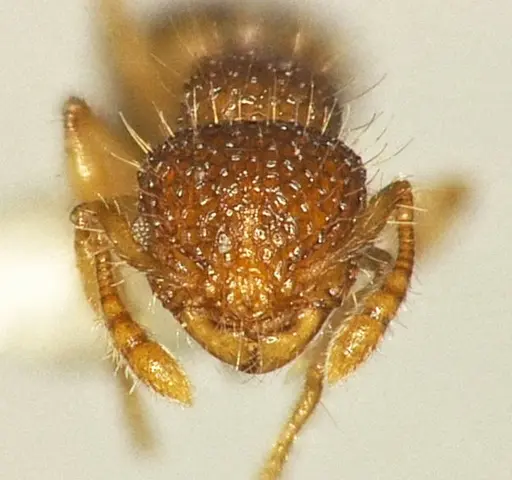
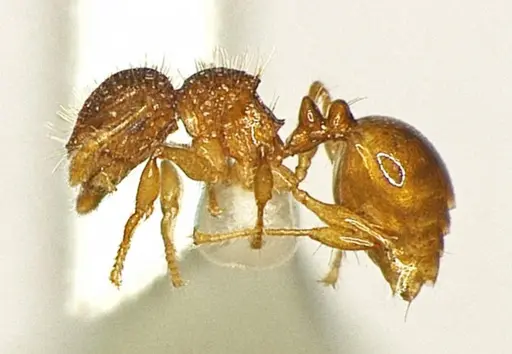
ANTWEB1041161
Ver no AntWeb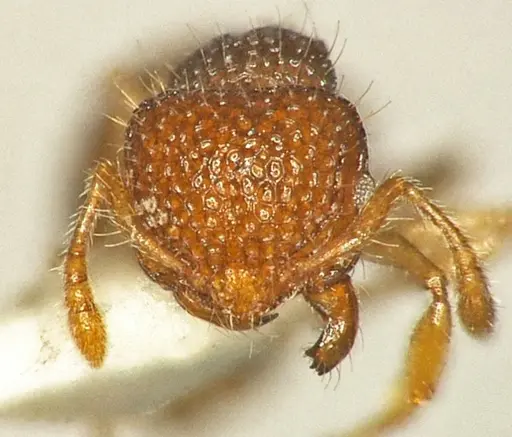
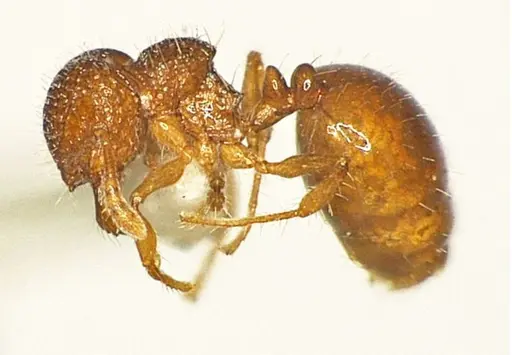
Literatura
A carregar mapa de distribuição...A carregar produtos...