
Prionopelta minuta
- Nome cient.
- Prionopelta minuta
- Tribo
- Amblyoponini
- Subfamília
- Amblyoponinae
- Autor
- Ladino & Feitosa, 2020
- Distribuição
- Encontrado em 1 países
Introdução
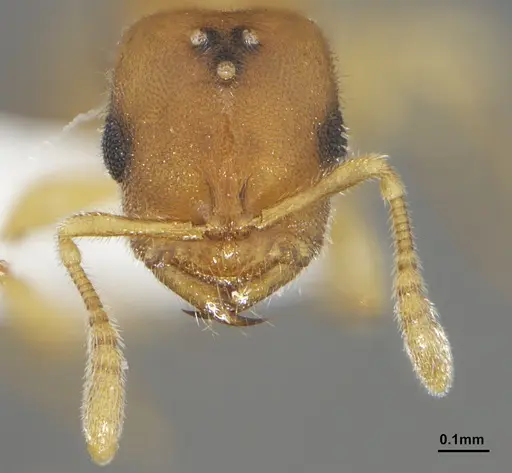
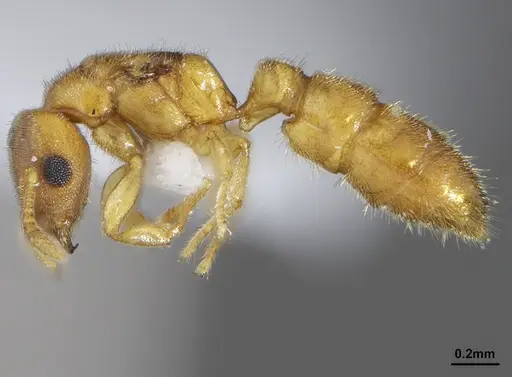
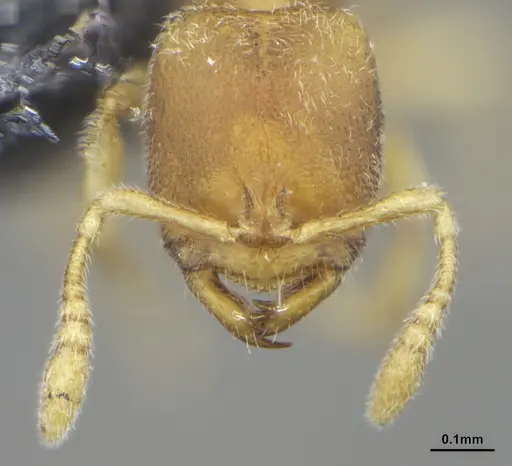
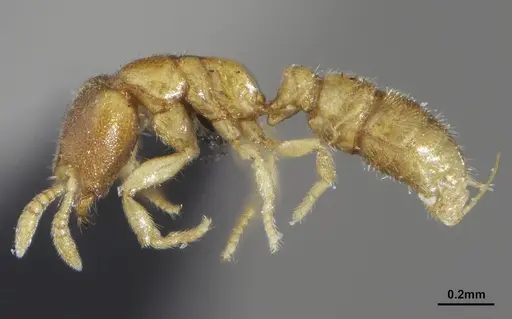
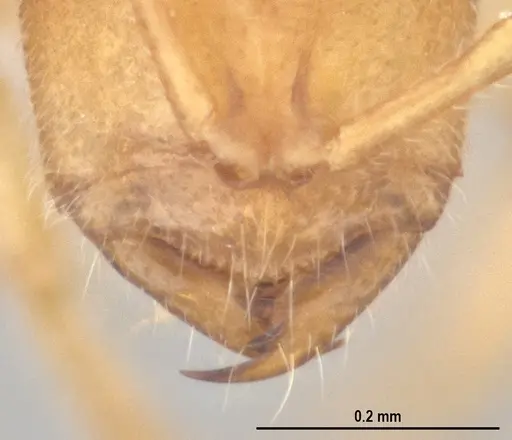
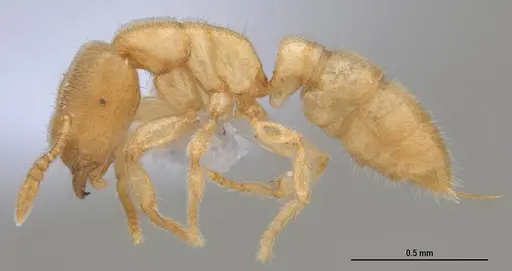
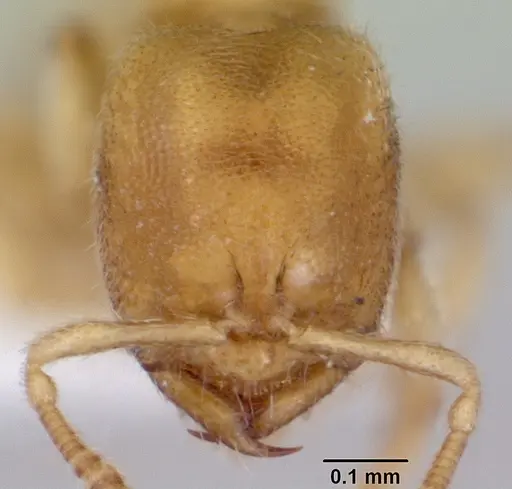
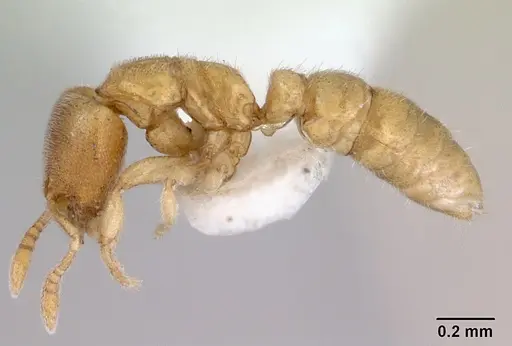
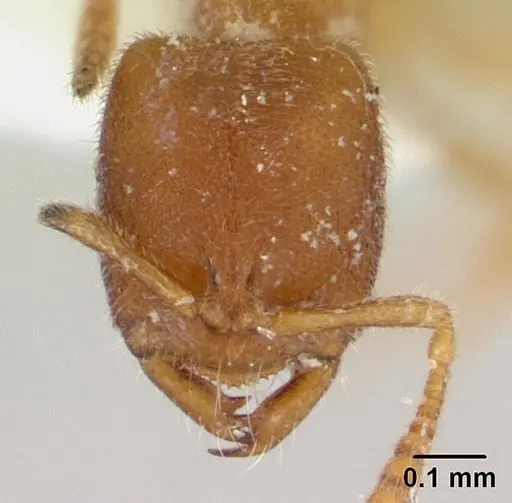
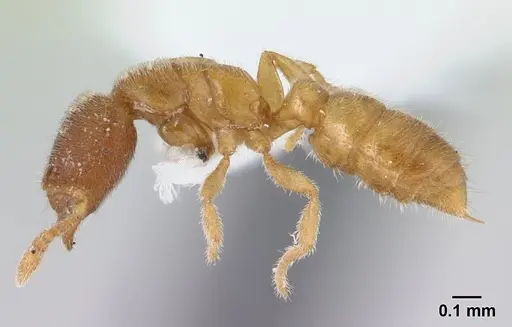
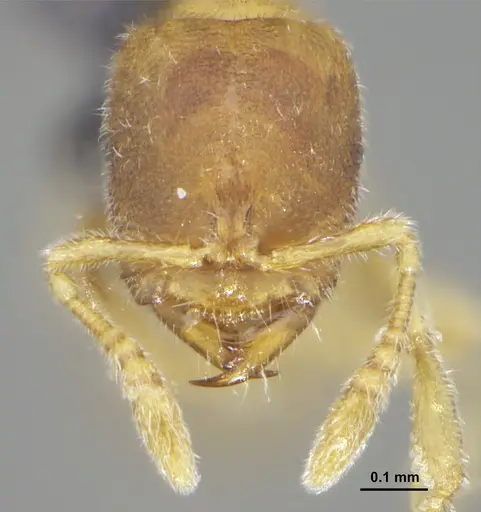
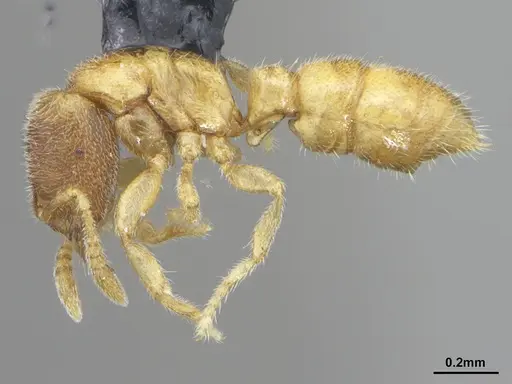
Prionopelta minuta is a tiny ant species from the Amblyoponinae subfamily, recently described in 2020 from Brazil and Colombia . Workers measure up to 1.32 mm in total length, making them one of the smaller ant species you'll encounter . They have a light yellow body covered in distinctive foveolate (pitted) sculpturing, and their twelve-segmented antennae help distinguish them from similar species . Queens are slightly larger at 1.70 mm . These ants live in well-preserved tropical forests at elevations between 152-1430 m, typically found in leaf litter and dead wood samples . As a newly described species, much of their behavior in captivity remains unstudied, but they belong to a genus of small, cryptic leaf-litter ants .
Quick Summary
- Difficulty: Medium
- Origin & Habitat: Tropical forests of Brazil (Rondônia) and Colombia, found in leaf litter and dead wood at elevations of 152-1430 m [1][2]
- Colony Type: Colony structure unconfirmed, this is a newly described species with limited field data
- Size & Growth:
- Antkeeping:
- Temperature: Keep warm around 24-28°C, based on their tropical distribution in Brazil and Colombia [1]. A gentle gradient allowing workers to choose their preferred temperature is ideal.
- Humidity: High humidity is essential, these are leaf-litter ants from damp forest floors [1][2]. Keep the nest substrate consistently moist but not waterlogged. Provide a water tube and ensure good ventilation to prevent mold while maintaining humidity.
- Diapause: No, as a tropical species from low latitudes, they likely do not require a hibernation period [1]. Maintain consistent temperatures year-round.
- Nesting: A naturalistic setup works best, they naturally nest in dead wood and leaf litter [1][2]. A Y-tong (AAC) nest with moist substrate or a plaster nest with good humidity retention would suit them. Their tiny size means they need appropriately scaled chambers and passages.
- Behavior: These ants are very small and likely cryptic, spending most of their time hidden within the nest substrate. They are probably predatory or scavengers, hunting small micro-arthropods in the leaf litter, based on Amblyoponinae patterns. Escape prevention is critical, at just over 1 mm, they can squeeze through the tiniest gaps. Use fine mesh and tight-fitting barriers. Their behavior in captivity has not been documented, so observe your colony closely for activity patterns and adjust care accordingly.
- Common Issues: escape prevention is critical, their tiny size means they can slip through standard barrier setups, high humidity requirements can lead to mold problems if ventilation is inadequate, lack of species-specific data means you'll be adjusting care based on observation rather than established protocols, very small prey requirements, they likely need micro-prey like springtails or fruit fly larvae, wild-caught colonies may be difficult to find as the species was only recently described
Housing and Nest Setup
Because Prionopelta minuta is a tiny leaf-litter ant, a naturalistic setup works best. They naturally occur in dead wood and leaf litter in tropical forests, so provide them with moist substrate they can tunnel through [1][2]. A Y-tong (AAC) nest with appropriately scaled chambers works well, the passages must be very narrow since workers are only about 1.3 mm. Alternatively, a plaster nest with moist substrate can work. Ensure the nest has a water tube or moisture reservoir to maintain humidity. Because of their minute size, escape prevention is critical, use fine mesh (at least 0.5 mm or finer) on any openings and apply fluon barriers to the rim of the outworld.
Feeding and Diet
Prionopelta minuta likely accepts small live prey like springtails or fruit fly larvae, based on Amblyoponinae patterns. However, specific dietary data is lacking for this species. Offer micro-prey appropriate to their tiny size. Sugar sources like honey or sugar water may be accepted, but protein should be the primary food. Observe your colony to see what they accept best.
Temperature and Humidity
Coming from tropical Brazil and Colombia, these ants need warm, humid conditions. Maintain temperatures around 24-28°C year-round, they don't experience cold winters in their native habitat [1]. A heating cable on one side of the nest can create a temperature gradient, allowing workers to regulate their own temperature by moving between warmer and cooler areas. Humidity is crucial, keep the nest substrate consistently moist [1][2]. These forest-floor ants need damp conditions, but avoid waterlogging which can drown the colony. Good ventilation helps prevent mold while maintaining humidity.
Colony Founding
The founding behavior of Prionopelta minuta has not been documented. No information is available on whether queens are claustral or semi-claustral. If you obtain a queen, observe her behavior closely and provide small prey items if she appears active outside the founding chamber.
Observing Your Colony
As a recently described species (2020), Prionopelta minuta has not been kept in captivity by many antkeepers. This means you're essentially pioneering their care in captivity. Keep detailed notes on behavior, feeding preferences, and activity patterns. Document what temperatures and humidity levels lead to the most active colonies. Their tiny size and cryptic nature means you may not see much visible activity, they may spend most of their time within the nest substrate. Don't be alarmed if they seem less active than larger ant species. Any information you gather would be valuable for the antkeeping community. [1]
Frequently Asked Questions
How long does it take for Prionopelta minuta to produce first workers?
Unknown, no species-specific data exists for this species. Development timelines are unconfirmed.
What do Prionopelta minuta ants eat?
They likely accept small live prey like springtails, fruit fly larvae, and other micro-arthropods, based on Amblyoponinae patterns. Their tiny size means standard ant prey is too large. You may need to culture your own micro-prey. Sugar sources like honey water may be accepted occasionally.
Do Prionopelta minuta ants sting?
Amblyoponinae ants have stingers, but given their tiny size, they are unlikely to penetrate human skin. They are not considered dangerous to keepers.
Can I keep Prionopelta minuta in a test tube?
A test tube setup can work for founding colonies, but the passages must be very narrow for such tiny ants. A better option is a small Y-tong nest or a naturalistic setup with moist substrate. Whatever you use, ensure escape prevention is excellent, they can squeeze through gaps smaller than 1 mm.
Do Prionopelta minuta need hibernation?
No, they come from tropical Brazil and Colombia where temperatures remain warm year-round [1]. Maintain consistent temperatures between 24-28°C throughout the year without a winter cooling period.
Are Prionopelta minuta good for beginners?
This species is challenging for beginners due to their very small size, specific humidity requirements, and lack of established care protocols. They require excellent escape prevention, micro-prey, and careful humidity management. If you're experienced with other small leaf-litter ants, this could be an interesting challenge.
How big do Prionopelta minuta colonies get?
Colony size is unknown, no field data exists on maximum colony size.
Why are my Prionopelta minuta escaping?
At just 1.3 mm, they are extremely good at escaping through tiny gaps. Use fine mesh (0.5 mm or finer), apply fluon to all rim edges, and check for any gaps in your setup. Even a small imperfection can lead to escape.
When should I move them to a formicarium?
Wait until the colony is established with a reasonable number of workers. Their tiny size means they can stay in smaller setups longer than larger species. A naturalistic setup with multiple chambers works well once the colony grows.
Report an Issue
The current care sheet is based fully on literature. See inconsistencies, or something that's incorrect? Please , it will be resolved after review from an admin. Contributing to the blogs tab also helps providing information, to make us be able to further improve the caresheets. Thank you for your support!
References

Esta ficha de cuidados é licenciada sob CC BY-SA 4.0 .
Blogs da comunidade
ANTWEB1041474
Ver no AntWeb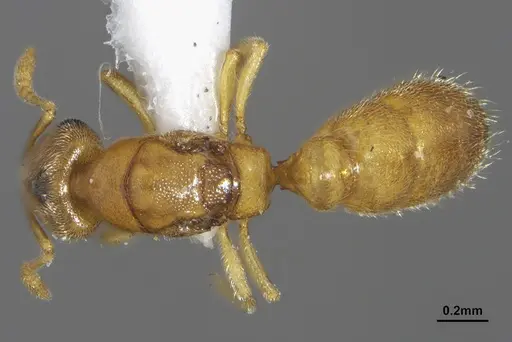
ANTWEB1041475
Ver no AntWeb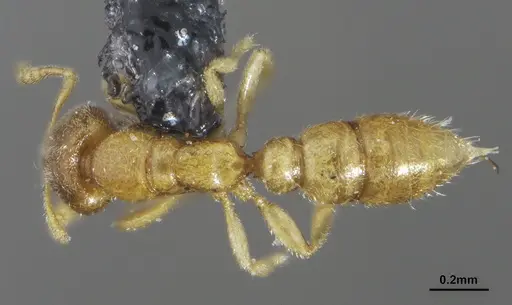
ANTWEB1053839
Ver no AntWeb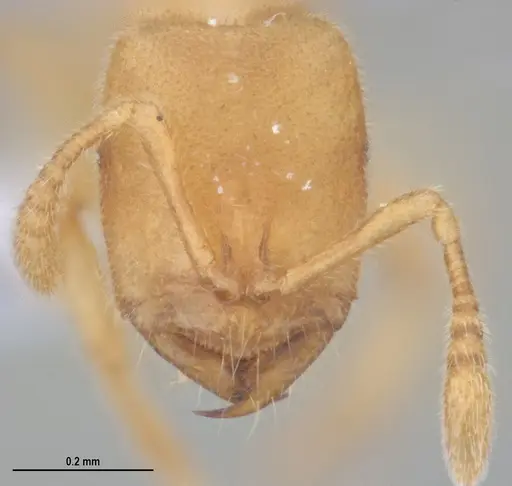
CASENT0172311
Ver no AntWeb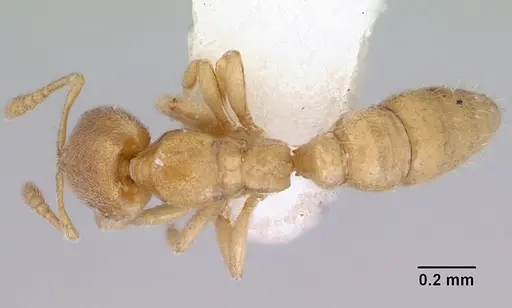
CASENT0179474
Ver no AntWeb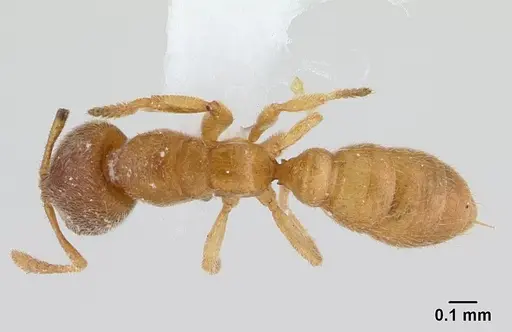
DZUP549780
Ver no AntWeb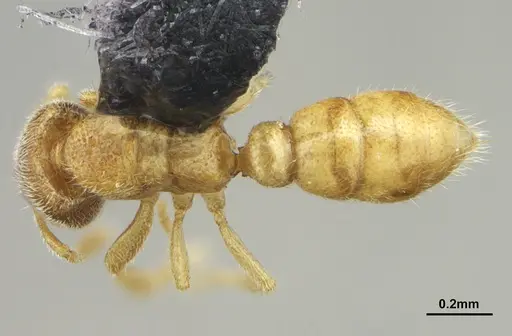
Literatura
A carregar mapa de distribuição...A carregar produtos...