
Poneracantha insularis
- Nome cient.
- Poneracantha insularis
- Tribo
- Ectatommini
- Subfamília
- Ectatomminae
- Autor
- Lattke, 2002
- Distribuição
- Encontrado em 0 países
Introdução
Poneracantha insularis is a dark ant endemic to the island of Hispaniola in the Dominican Republic . It was discovered in humid rainforest habitats at elevations around 800 meters, where it nests in leaf litter, rotten wood, and under rocks . The species was originally described as Gnamptogenys insularis before being moved to Poneracantha . Only the worker holotype and a single queen paratype have ever been collected, making this one of the rarest ants in the Caribbean .
Quick Summary
- Difficulty: Expert
- Origin & Habitat: Endemic to Hispaniola (Dominican Republic), found in moist rainforest habitats at approximately 800 meters elevation in two locations: near Pedernales and Los Haitises National Park [1][2]. The species prefers mesophilic forest sites and opportunistically nests in and under ground objects like rocks, downed wood, and epiphytes [2].
- Colony Type: Colony structure is unconfirmed. Only a single queen paratype and worker holotype have ever been documented, with no data on whether wild colonies are single-queen or multi-queen.
- Size & Growth:
- Queen: size data unavailable
- Worker: size data unavailable
- Colony: Unknown, only two specimens have ever been collected [2]
- Growth: Unknown
- Development: Unknown, no development data exists for this species. Based on typical Ponerinae patterns, expect 2-4 months at tropical temperatures, but this is purely estimated. (No captive breeding data exists. Development timeline is entirely inferred from related species.)
- Antkeeping:
- Temperature: Keep at warm temperatures, roughly 24-28°C, based on its tropical origin in Dominican Republic rainforests [1][2]. Avoid prolonged exposure below 20°C.
- Humidity: Keep nest substrate consistently moist but not waterlogged, as the species lives in moist forest leaf litter [1][2].
- Diapause: No, as a tropical species from Hispaniola, they do not require hibernation [1][2].
- Nesting: Provide a naturalistic setup with damp chambers, as they nest in leaf litter and rotten wood [1][2]. Use Y-tong or plaster nests with moisture wells.
- Behavior: Behavior is unstudied in captivity. Based on Ectatomminae patterns, they are likely predatory and have a moderate temperament. Workers may have functional stingers, typical of the subfamily. Escape risk is high due to their small size, ensure tight-fitting lids and fine mesh. Expect cryptic, ground-dwelling behavior.
- Common Issues: this species has never been kept in captivity, there is no established care protocol, only two wild specimens have ever been collected, suggesting extremely low population density or specialized habitat requirements, wild-caught colonies may have parasites or diseases that kill them in captivity, temperature and humidity requirements are inferred from habitat data, trial and error may be needed, finding a colony to keep may be impossible, the species appears extremely rare in the wild
Discovery and Rarity
Poneracantha insularis is one of the rarest ant species in the world to keep. The entire scientific knowledge comes from just two specimens collected over a decade apart: a worker holotype found in 1982 near Pedernales, Dominican Republic, and a queen paratype collected in 1992 in Los Haitises National Park [1][2]. Both came from humid rainforest environments at approximately 800 meters elevation. This means no captive breeding information exists, you would be pioneering its care if you obtain this species.
Natural Habitat and Nesting
In the wild, P. insularis lives in mesophilic rainforest on Hispaniola. Type specimens were collected from sifted leaf litter and decomposed wood, with notes indicating they nest under rocks, in downed wood, under epiphytes, and in forest floor debris [2][1]. This suggests a cryptic, ground-dwelling lifestyle. For captive care, replicate these conditions with a damp, naturalistic setup that allows nesting in substrate similar to rainforest floor debris.
Identification and Distinction
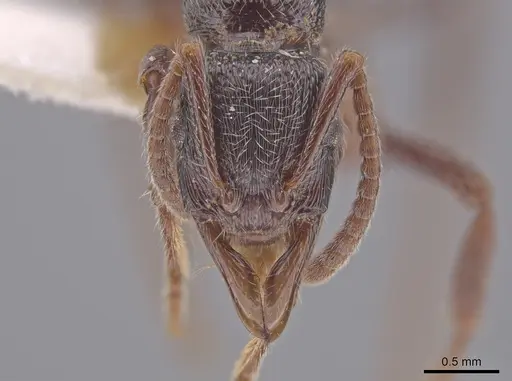
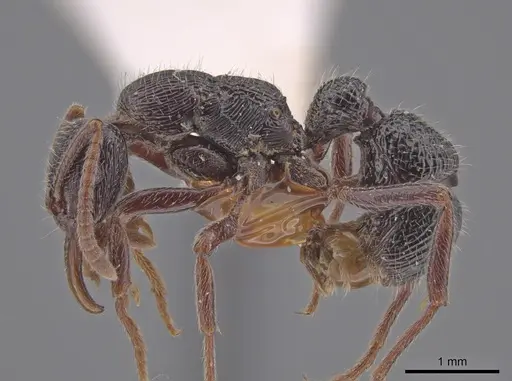
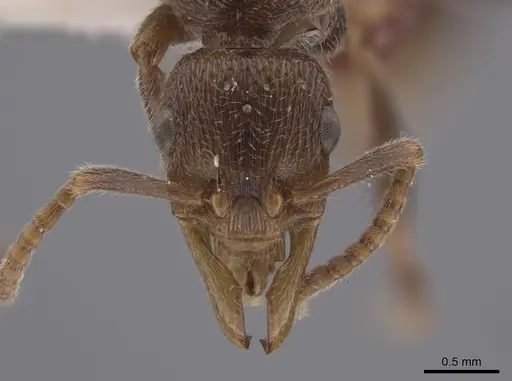
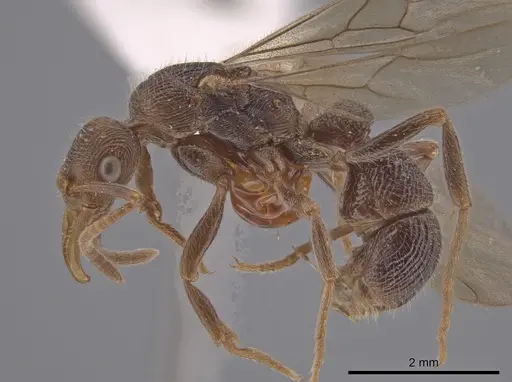
Poneracantha insularis can be identified by key features: elongated triangular mandibles as long as the head with six widely-spaced preapical denticles, propodeum with small triangular denticles, and a primarily black body with dark brown legs and antennae [1]. It may be confused with Poneracantha semiferox or Gnamptogenys schmitti, but both lack propodeal teeth [1]. The queen has a well-defined mesopleural suture and smaller propodeal denticles [1].
Temperature and Humidity Requirements
Since this species comes from the Dominican Republic rainforest, it requires warm, humid conditions year-round [1][2]. Keep the nest at 24-28°C, with high humidity maintained by damp substrate. Avoid temperatures below 20°C. Provide a gentle heat gradient so workers can regulate their temperature.
Feeding and Diet
The specific diet of P. insularis is unstudied, but Ectatomminae ants are typically predatory or omnivorous. Offer small live prey like fruit flies or pinhead crickets. They may also accept protein-rich foods like crushed insects. Sugar sources should not be the primary food. Feed small amounts of protein 2-3 times per week and remove uneaten prey within 24 hours.
Housing and Nest Setup
Given this species' natural history of nesting in leaf litter and rotting wood, a naturalistic or Y-tong setup works best. The nest should have multiple small chambers scaled to their tiny size. Include damp substrate mix of soil and decaying organic matter for natural digging. Use tight-fitting lids and fine mesh for escape prevention due to their small size. Include a shallow water dish or cotton ball for drinking water.
Frequently Asked Questions
How long does it take for Poneracantha insularis to go from egg to worker?
This is completely unknown, no captive colonies have ever been documented. Based on typical Ponerinae development at tropical temperatures, expect 2-4 months from egg to first worker, but this is a rough estimate with no direct evidence [1][2].
Can I keep Poneracantha insularis in a test tube?
A test tube setup can work for founding colonies, but this species prefers naturalistic conditions with damp substrate for nesting. A test tube with a water reservoir can work for a queen alone, but once workers arrive, transfer to a naturalistic or Y-tong setup with multiple chambers [1][2].
Are Poneracantha insularis ants aggressive?
Aggression levels are unstudied, but based on Ectatomminae patterns, they are likely moderate, not particularly aggressive but capable of defending the nest. They probably have functional stingers. Handle with care and use good escape prevention.
Do Poneracantha insularis ants sting?
Most Ectatomminae ants have stingers, though their small size may make the sting barely noticeable to humans. Assume they can sting and handle gently.
How big do Poneracantha insularis colonies get?
Unknown, only two wild specimens have ever been collected. Based on similar Ponerinae species, colonies are likely small rather than large supercolonies [2].
Is Poneracantha insularis a good species for beginners?
No, this is an expert-level species. It has never been kept in captivity, there is no established care protocol, and wild specimens are essentially unavailable. This species is for advanced antkeepers interested in pioneering the care of an extremely rare species.
Do Poneracantha insularis need hibernation?
No, as a tropical species from the Dominican Republic, they do not require hibernation. Keep them warm year-round at 24-28°C [1][2].
Where can I get Poneracantha insularis?
This species is essentially unavailable to antkeepers. Only two specimens have ever been collected in the wild, both from protected areas in the Dominican Republic. There are no known captive colonies. If you somehow obtain a colony, you would be pioneering its captive care [2].
What do Poneracantha insularis eat?
Specific diet is unknown, but based on Ectatomminae patterns, they are likely predatory on small invertebrates. Offer small live prey like fruit flies, springtails, and tiny crickets. They may also accept crushed insects and protein gels.
Can I keep multiple queens together?
This is unknown, colony structure has never been documented. Do not attempt combining unrelated queens without evidence they can coexist. In the wild, only single specimens have been found [2].
Report an Issue
The current care sheet is based fully on literature. See inconsistencies, or something that's incorrect? Please , it will be resolved after review from an admin. Contributing to the blogs tab also helps providing information, to make us be able to further improve the caresheets. Thank you for your support!
References

Esta ficha de cuidados é licenciada sob CC BY-SA 4.0 .
Blogs da comunidade
LACMENT683034
Ver no AntWeb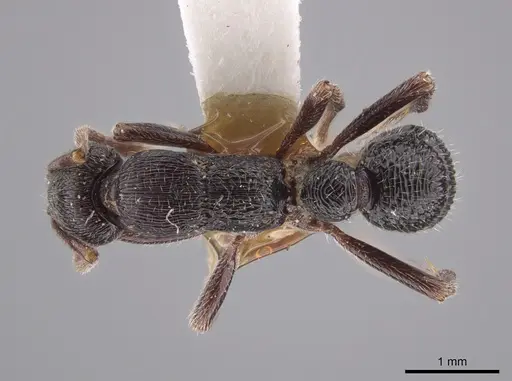
LACMENT683035
Ver no AntWeb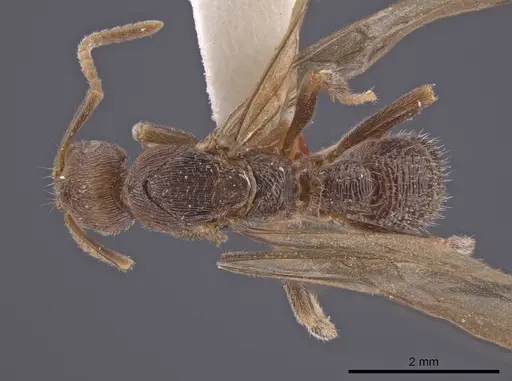
Literatura
A carregar mapa de distribuição...A carregar produtos...