
Ponera oreas
- Nome cient.
- Ponera oreas
- Tribo
- Ponerini
- Subfamília
- Ponerinae
- Autor
- Wheeler, 1933
- Distribuição
- Encontrado em 0 países
Introdução
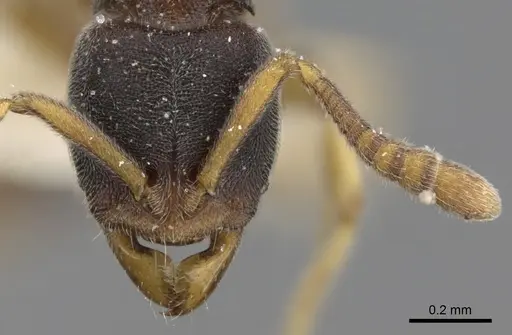
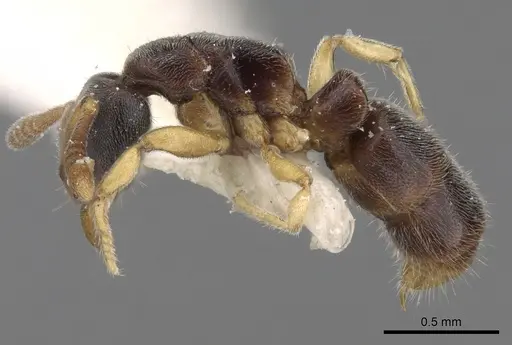
Ponera oreas is a tiny ant species native to the Philippines, specifically found on Negros Island. Workers measure 1.8-2 mm in total length, making them one of the smaller ant species you'll encounter . They have a broad head and very small eyes with few indistinct facets, reflecting their cryptic, ground-dwelling lifestyle in shaded forest environments. The body is medium to dark brown, with the head and gaster darker than the thorax and petiole . This species is part of the sinensis complex, similar to Ponera sinensis but distinguishable by subtle morphological differences.
Quick Summary
- Difficulty: Medium
- Origin & Habitat: Native to the Philippines, specifically Negros Oriental island, at elevations around 4000 feet in humid forest floor environments [2][1].
- Colony Type: Unconfirmed colony structure. Based on Ponera genus patterns, likely single-queen colonies, but this has not been directly studied for P. oreas.
- Size & Growth:
- Queen: Size data unavailable for queens
- Worker: 1.8-2 mm total length [1]
- Colony: Unknown for this species. Based on related Ponera species, colonies likely reach up to a few hundred workers.
- Growth: Slow to moderate
- Development: Unknown, estimates based on related Ponera species suggest 6-10 weeks at optimal temperature (Development time likely temperature-dependent and slow due to small colony sizes.)
- Antkeeping:
- Temperature: Keep around 22-26°C. This species comes from a tropical location, so warmth is important. A gentle gradient allowing workers to self-regulate is ideal.
- Humidity: Keep nest substrate consistently moist but not waterlogged, based on their forest floor habitat.
- Diapause: No, as a tropical species they likely do not require hibernation.
- Nesting: Use small test tube setups or formicaria with moist substrate. Prefer Y-tong nests or plaster nests scaled to their tiny size. Avoid large, open spaces.
- Behavior: These are very small, cryptic ants that spend most of their time hidden in the nest. They are not aggressive and will flee rather than fight. Their tiny size means escape prevention must be excellent, they can squeeze through small gaps. They are predatory and hunt small micro-arthropods.
- Common Issues: tiny size makes escape prevention critical, use fine mesh and tight-fitting lids, slow growth can lead to keeper impatience and overfeeding which causes mold, high humidity requirements can lead to mold if ventilation is poor, limited information means keepers must experiment with conditions
Housing and Nest Setup
Because of their extremely small size, Ponera oreas requires careful housing. A small test tube setup works well for founding colonies, use a test tube with a water reservoir at one end, stopped with cotton, giving them a humid chamber. For established colonies, a small Y-tong nest or a small naturalistic setup with moist substrate works well. The key is providing tight chambers scaled to their tiny size, avoid large, open spaces where they may feel exposed. A layer of moist plaster or soil in the outworld helps maintain humidity. Cover any gaps larger than 1mm, as these tiny ants can escape through small openings [1].
Feeding and Diet
Ponera oreas is predatory like other members of the Ponerinae subfamily. In captivity, they accept small live prey such as springtails, fruit fly larvae, and other micro-arthropods. They are too small to tackle anything much larger than themselves. Offer protein foods 2-3 times per week, removing any uneaten prey after 24 hours to prevent mold. Sugar sources may be accepted occasionally, but being predatory, they rely primarily on protein. A constant water source is essential.
Temperature and Humidity
Being from the tropical Philippines, Ponera oreas needs warm, humid conditions. Aim for temperatures in the 22-26°C range, a small heating cable on part of the nest can help maintain warmth if your room is cooler. High humidity is critical, keep the nest substrate consistently moist but not flooded. A water tube connected to the nest helps maintain humidity through evaporation. Avoid placing the nest in direct sunlight or near air conditioning vents that could cause drying.
Colony Development
Little is known specifically about Ponera oreas development. Based on related Ponera species, expect slow colony growth. A newly mated queen will seal herself in and raise her first workers alone. The first workers will be smaller than normal workers. Colony growth is typically slow, don't be alarmed if progress seems slow. Colonies likely reach only dozens to a few hundred workers at maturity. Patience is key with this species.
Handling and Temperament
Ponera oreas is a peaceful, cryptic species that avoids confrontation. Workers are not aggressive and will simply flee if threatened. Their tiny size means they cannot sting effectively, any sting would be imperceptible to humans. They are not suitable for observation-focused keeping since they spend most of their time hidden. They are best appreciated as a quiet, low-maintenance colony that adds diversity to a collection.
Frequently Asked Questions
How long does it take for Ponera oreas to produce first workers?
The exact timeline is unknown for this species. Based on related Ponera species, expect 6-10 weeks from egg to worker at optimal temperature (around 24°C). Growth is slow, so patience is essential.
What do Ponera oreas eat?
They are predatory ants that accept small live prey. Offer springtails, fruit fly larvae, or other tiny arthropods. Protein should be offered 2-3 times weekly. Sugar water may be occasionally accepted but is not a primary food source.
Can I keep Ponera oreas in a test tube?
Yes, test tubes work well for this species, especially for founding colonies. Use a small test tube with a water reservoir and cotton stop. Ensure the cotton is packed tightly, these tiny ants can escape through very small gaps [1].
What temperature do Ponera oreas need?
Keep them warm at 22-26°C. Being from tropical Philippines, they need consistent warmth. A small heating cable or mat can help if your room temperature is below this range.
How big do Ponera oreas colonies get?
Exact colony size is unknown for this species. Based on related Ponera species, colonies likely reach up to a few hundred workers at maturity. Growth is slow.
Are Ponera oreas good for beginners?
They are moderate difficulty, their small size and specific humidity requirements make them slightly challenging. They are not the best choice for a first ant but are manageable for keepers with some experience.
Do Ponera oreas need hibernation?
Being a tropical species from the Philippines, they likely do not require true hibernation. A slight reduction in temperature during winter months may be beneficial but is not strictly necessary.
Why are my Ponera oreas escaping?
Their tiny size means they can squeeze through small gaps. Use fine mesh (at least 1mm or smaller), ensure all lids fit tightly, and check for any gaps in your setup. Escape prevention must be excellent.
Is Ponera oreas a monogyne or polygyne species?
This has not been directly studied for P. oreas. Most Ponera species appear to be single-queen colonies, but the exact colony structure of this species is unconfirmed.
Report an Issue
The current care sheet is based fully on literature. See inconsistencies, or something that's incorrect? Please , it will be resolved after review from an admin. Contributing to the blogs tab also helps providing information, to make us be able to further improve the caresheets. Thank you for your support!
References

Esta ficha de cuidados é licenciada sob CC BY-SA 4.0 .
Blogs da comunidade
CASENT0281907
Ver no AntWeb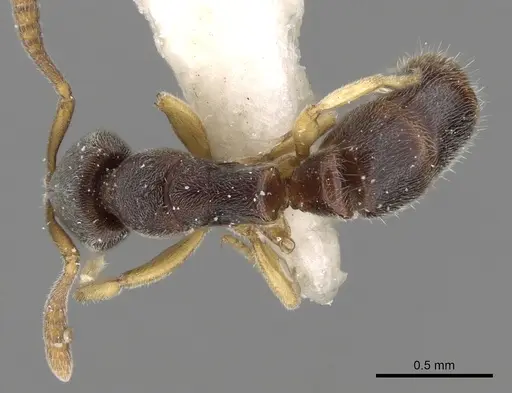
Literatura
A carregar mapa de distribuição...A carregar produtos...