
Polyrhachis vitalisi
- Nome cient.
- Polyrhachis vitalisi
- Subgénero
- Cyrtomyrma
- Tribo
- Camponotini
- Subfamília
- Formicinae
- Autor
- Santschi, 1920
- Distribuição
- Encontrado em 0 países
Introdução
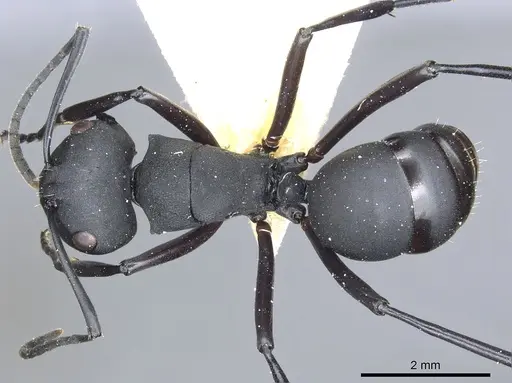
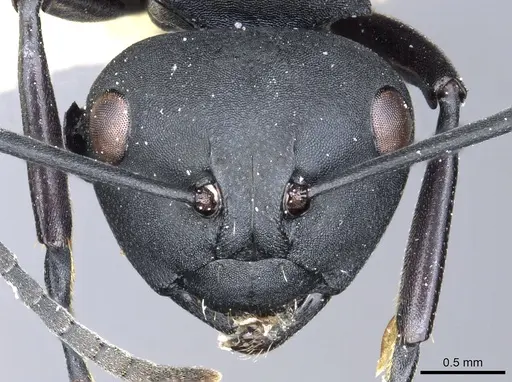
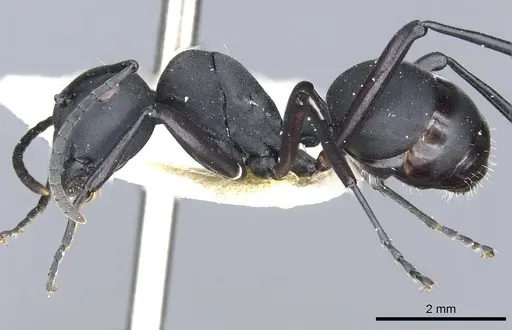
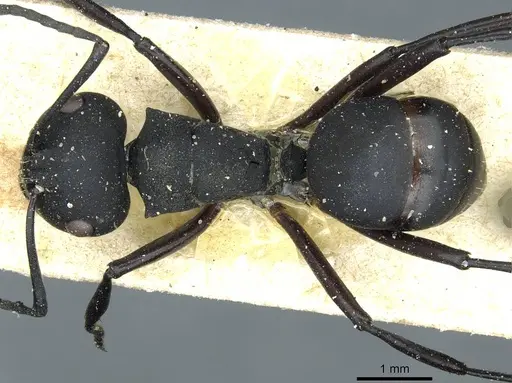
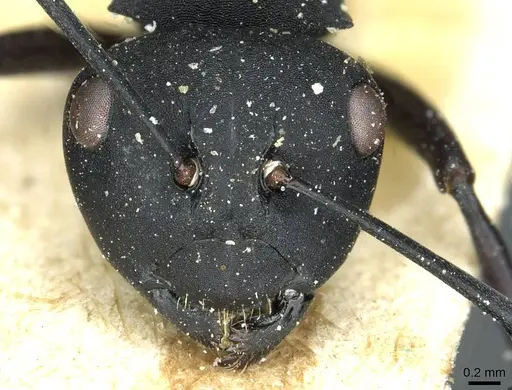
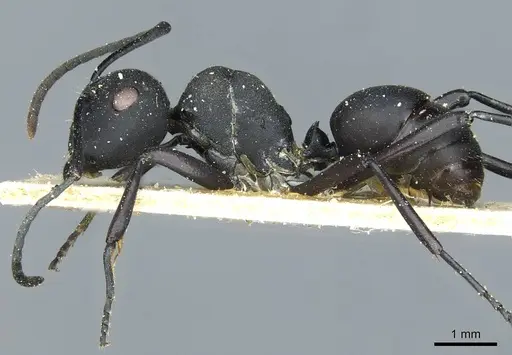
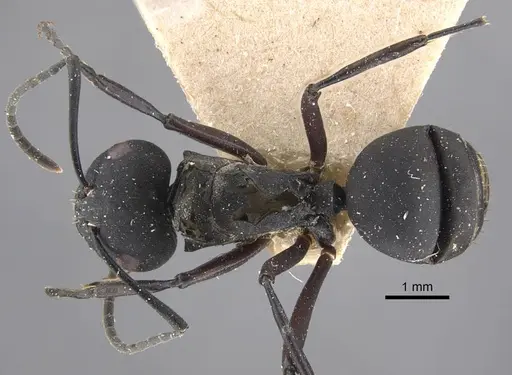
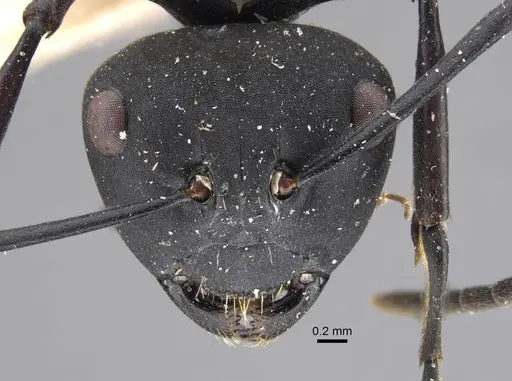
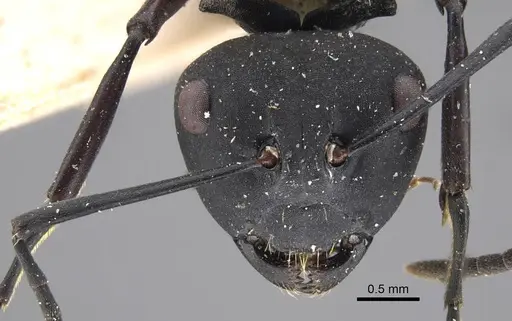
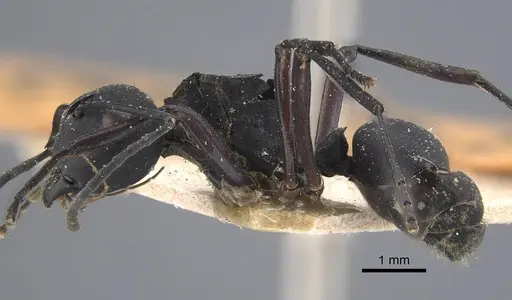
Polyrhachis vitalisi is a tropical ant species in the subgenus Cyrtomyrma, known for spines on the thorax and a smooth body surface. Workers are dark reddish-brown to black, but specific body size data is unavailable; based on genus patterns, workers are typically 5-7 mm and queens 8-10 mm . This species was first described from Muong Pek in Laos . The Cyrtomyrma subgenus tends to be arboreal, often nesting in elevated locations .
Quick Summary
- Difficulty: Medium
- Origin & Habitat: Native to Laos, specifically Muong Pek [2]. Based on genus patterns, likely inhabits humid tropical forests [1].
- Colony Type: Colony structure is unconfirmed. No specific data on queen number or ergatoid reproductives.
- Size & Growth:
- Queen: Size data unavailable, inferred from Polyrhachis genus (~8-10 mm) [1].
- Worker: Size data unavailable, inferred from Polyrhachis genus (~5-7 mm) [1].
- Colony: Up to several hundred workers, estimated from genus patterns [1].
- Growth: Moderate, inferred from genus patterns [1].
- Development: Estimated 6-8 weeks under optimal conditions [1]. (Development time is inferred from genus-level data since species-specific research is unavailable.)
- Antkeeping:
- Temperature: Keep nest area at 24-28°C, inferred from tropical species needs [1].
- Humidity: Keep substrate consistently moist but not waterlogged, inferred from forest-dwelling habits [1].
- Diapause: No, tropical species do not require hibernation [1].
- Nesting: Prefers arboreal setups, inferred from subgenus patterns [1].
- Behavior: Generally docile and non-aggressive. Workers may spray formic acid when threatened, as is typical for Formicinae. Escape risk is moderate due to their size and ability to climb smooth surfaces.
- Common Issues: tropical humidity requirements mean mold can be an issue if ventilation is poor., limited species-specific data means care is based on genus patterns, individual colonies may vary., as a spiny ant, they may be less handleable than smoother species., temperature drops below 20°C can slow or stop activity., wild-caught colonies may carry parasites that affect captive survival.
Housing and Nest Setup
You can use Y-tong nests or naturalistic setups with wood and bark for Polyrhachis vitalisi. As potential arboreal dwellers, they appreciate vertical space. For founding, a test tube with a water reservoir works well. Transition to a formicarium when the colony reaches 20-40 workers. Avoid overly large chambers, they prefer cozy conditions. Provide an outworld with a fluon barrier to prevent escapes [1].
Feeding and Diet
Offer sugar water or honey as a constant energy source. For protein, provide small insects like fruit flies or mealworm pieces. Feed every 2-3 days, removing uneaten food to prevent mold [1].
Temperature and Seasonal Care
Maintain temperatures between 24-28°C for optimal health. Avoid temperatures below 20°C. A heating cable can create a gradient, but ensure part of the nest remains unheated. No diapause is needed [1].
Behavior and Temperament
Workers are calm and non-aggressive. When threatened, they may spray formic acid, their primary defense mechanism. They are active foragers but not territorial. Escape risk is moderate, so use standard containment [1].
Colony Founding
Founding behavior is unconfirmed. If queens are claustral, they would seal themselves in and raise first workers alone, but no species-specific data exists. Do not disturb founding chambers excessively [1].
Frequently Asked Questions
How long does it take for Polyrhachis vitalisi to get their first workers?
Expect first workers in approximately 6-8 weeks under optimal conditions at 24-28°C, based on genus patterns [1].
Can I keep Polyrhachis vitalisi in a test tube?
Yes, test tubes work well for founding colonies. Once the colony reaches 20-40 workers, transition to a formicarium [1].
What temperature do Polyrhachis vitalisi need?
Keep them at 24-28°C, this tropical species prefers consistent warmth [1].
Are Polyrhachis vitalisi good for beginners?
They are moderate difficulty, their humidity and temperature needs are specific but manageable [1].
How big do Polyrhachis vitalisi colonies get?
Up to several hundred workers at maturity, estimated from genus patterns [1].
Do they need hibernation or diapause?
No, they do not require hibernation as a tropical species [1].
What do Polyrhachis vitalisi eat?
They are omnivorous, offer sugar water and small insects for protein [1].
Why are my Polyrhachis vitalisi dying?
Common causes include temperatures below 20°C, low humidity, mold, or stress from disturbance. Check conditions first [1].
When should I move my colony to a formicarium?
Transition when the colony reaches 20-40 workers and the test tube is crowded [1].
Report an Issue
The current care sheet is based fully on literature. See inconsistencies, or something that's incorrect? Please , it will be resolved after review from an admin. Contributing to the blogs tab also helps providing information, to make us be able to further improve the caresheets. Thank you for your support!
References

Esta ficha de cuidados é licenciada sob CC BY-SA 4.0 .
Blogs da comunidade
Literatura
A carregar mapa de distribuição...A carregar produtos...