
Polyrhachis nitens
- Nome cient.
- Polyrhachis nitens
- Subgénero
- Chariomyrma
- Tribo
- Camponotini
- Subfamília
- Formicinae
- Autor
- Donisthorpe, 1943
- Distribuição
- Encontrado em 0 países
Introdução
Polyrhachis nitens is a striking tropical ant species known for its beautiful golden-bronze coloration and distinctive spines protruding from its thorax. Workers measure around 6-8mm based on genus patterns - estimated. This species is native to the Indo-Pacific region, where it inhabits forested areas across Southeast Asia. Unlike some of its arboreal relatives, Polyrhachis nitens shows flexible nesting habits - it can nest in rotting wood (lignicolous) as well as in subterranean chambers . The species raises its brood in protective cocoons .
Quick Summary
- Difficulty: Medium
- Origin & Habitat: Indo-Pacific region including Southeast Asia. In nature, these ants nest in rotting wood, hollow twigs, and dead branches in forested areas. They also utilize subterranean chambers, showing flexibility in nesting location [1][2].
- Colony Type: Colony structure is not well-documented in scientific literature. Based on typical Polyrhachis patterns, colonies likely establish with a single founding queen and grow to several hundred workers over time, but this is unconfirmed.
- Size & Growth:
- Queen: Approximately 10-12mm based on genus patterns for Chariomyrma subgenus, estimated
- Worker: 6-8mm based on genus patterns, estimated
- Colony: Likely several hundred workers based on typical Polyrhachis colony sizes, estimated
- Growth: Moderate, estimated based on genus patterns
- Development: 8-12 weeks estimated based on related Polyrhachis species, estimated (Development time is inferred from genus-level data for tropical Polyrhachis species. Cocoons are present in this species, which may slightly extend development time compared to naked pupae species [2].)
- Antkeeping:
- Temperature: Keep at 24-28°C. This tropical species requires warm, stable conditions. A heating cable on one side of the nest creates a gentle gradient allowing ants to self-regulate. Room temperature alone may be insufficient in cooler climates.
- Humidity: Moderate to high humidity. Keep the nest substrate consistently moist but not waterlogged. A damp, humid environment similar to rotting wood in a forest works well. Provide a gradient, allow some areas to stay drier so ants can choose.
- Diapause: No, as a tropical species, Polyrhachis nitens does not require hibernation. Maintain warm temperatures year-round.
- Nesting: Best kept in naturalistic setups with rotting wood pieces, twigs, or a Y-tong (AAC) or plaster nest that mimics their natural wood-nesting habitat [1]. They will excavate in wood-based substrates. Avoid completely dry conditions.
- Behavior: Polyrhachis nitens is generally calm and not particularly aggressive toward keepers. Workers are active foragers, primarily hunting small insects and scavenging. As a member of the Camponotini tribe, they lack a functional sting. Instead, they bite and spray formic acid from their acidopore into the wound. This defense is rarely triggered by keepers and is not dangerous, but may cause mild irritation if sprayed on sensitive skin. They are good climbers and may attempt escapes, so ensure barrier methods are in place. Workers are moderately sized and can squeeze through small gaps, use standard escape prevention. They are primarily nocturnal or crepuscular.
- Common Issues: rotting wood in the nest can become too wet and mold, monitor moisture levels carefully, tropical humidity requirements can conflict with keeping the outworld dry, balance is key, slow colony growth compared to faster species may frustrate beginners, wild-caught colonies may contain parasites that can devastate captive colonies, temperature drops below 22°C can slow or stop brood development
Nest Preferences and Housing
Polyrhachis nitens is a lignicolous (wood-nesting) species that naturally inhabits rotting wood, hollow twigs, and dead branches in forested areas [1]. In captivity, they do best in naturalistic setups that mimic this wood-based environment. A Y-tong (AAC) nest with wooden inserts or a plaster nest with wood sections works well. You can also create a naturalistic setup using pieces of rotting wood, cork, or twig setups. The key is providing moist wood material they can potentially excavate or occupy. Test tube setups can work for founding colonies but may need transitioning to larger wood-based housing as the colony grows. Ensure the nest material stays slightly moist, these ants come from humid tropical forests and need that moisture to thrive.
Feeding and Diet
Polyrhachis nitens is a predatory and scavenging ant that hunts small insects and arthropods. In captivity, offer them small live prey such as fruit flies, pinhead crickets, small mealworms, and other appropriately-sized insects. They will also scavenge dead insects. Sugar sources are typically accepted, you can offer honey water or sugar water occasionally, though protein-rich foods should form the bulk of their diet. Feed them 2-3 times per week, adjusting based on colony size and consumption. Remove uneaten prey after 24-48 hours to prevent mold. A constant sugar water supply is not required but can be offered weekly.
Temperature and Heating
As a tropical species from the Indo-Pacific region, Polyrhachis nitens requires warm temperatures to thrive. Keep the nest area between 24-28°C for optimal brood development. Below 22°C, colony activity noticeably decreases, and prolonged cold can harm brood. Use a heating cable or heating mat on one side of the nest to create a temperature gradient, this allows ants to move between warmer and cooler areas as needed. Never let temperatures drop below 20°C. Room temperature alone may be insufficient in cooler climates, monitor with a thermometer and adjust heating accordingly. Consistent warmth year-round is important since they do not undergo diapause.
Behavior, Temperament, and Defense
Polyrhachis nitens is generally a calm, docile species that is a pleasure to keep. Workers are active foragers that search for prey and scavenge throughout the outworld. As a member of the Camponotini tribe, they lack a functional sting. Instead, they bite and spray formic acid from their acidopore into the wound. This defense is rarely triggered by keepers and is not dangerous, but may cause mild irritation if sprayed on sensitive skin. They are good climbers and may explore the outworld actively, especially at night. Escape prevention is important as they can squeeze through small gaps, use standard barrier methods like fluon on test tube rims or ensure formicarium connections are secure. They do not exhibit aggressive swarming behavior when the nest is disturbed but will defend if directly threatened. Their golden-bronze coloration makes them an attractive species to observe.
Frequently Asked Questions
How long does it take for Polyrhachis nitens to produce first workers?
Based on typical Polyrhachis development, expect first workers (nanitics) around 8-12 weeks after the queen lays her first eggs. This timeline is estimated from genus-level data since species-specific development times are not documented. Keep temperatures at 24-28°C to support optimal development.
What do Polyrhachis nitens ants eat?
They are predatory and scavenging ants. Feed them small live insects like fruit flies, pinhead crickets, and small mealworms. They also accept dead insects and will occasionally take sugar sources like honey water. Protein-rich foods should make up the majority of their diet.
Can I keep Polyrhachis nitens in a test tube?
Yes, test tubes work for founding colonies. However, as the colony grows, transition them to a naturalistic or Y-tong (AAC) nest with wood material to better mimic their natural nesting preferences. They prefer wood-based nesting over pure soil setups.
Do Polyrhachis nitens need hibernation?
No, they do not require hibernation. As a tropical species, they need warm temperatures year-round (24-28°C). Do not expose them to cold temperatures or simulate winter conditions.
How big do Polyrhachis nitens colonies get?
Based on typical Polyrhachis colony sizes, expect colonies to reach several hundred workers over time. They are not among the largest ant species, moderate colony sizes are the norm for this genus.
Are Polyrhachis nitens good for beginners?
They are rated as medium difficulty. They require warm, humid tropical conditions and have specific nesting preferences (wood-based). They are docile and beautiful, making them rewarding for keepers who can meet their temperature and humidity needs.
Why is my Polyrhachis nitens colony declining?
Common causes include: temperatures below 22°C, too dry or too wet nest conditions, mold from excessive moisture, lack of adequate protein food, or parasites in wild-caught colonies. Check temperature and humidity levels first, then evaluate feeding and cleanliness.
When should I move my Polyrhachis nitens to a formicarium?
Move them when the test tube setup becomes crowded (typically 30-50+ workers) or when the water reservoir is depleted. Transition gradually by connecting the test tube to the new nest and allowing them to move on their own. They do well in naturalistic or wood-based formicaria.
What temperature is best for Polyrhachis nitens?
Keep nest temperatures between 24-28°C. This tropical species thrives in warm conditions. Use a heating cable on one side of the nest to create a gradient if your room temperature is below this range.
Report an Issue
The current care sheet is based fully on literature. See inconsistencies, or something that's incorrect? Please , it will be resolved after review from an admin. Contributing to the blogs tab also helps providing information, to make us be able to further improve the caresheets. Thank you for your support!
References

Esta ficha de cuidados é licenciada sob CC BY-SA 4.0 .
Blogs da comunidade
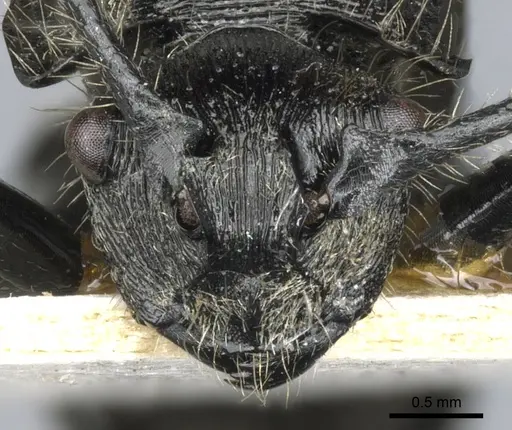
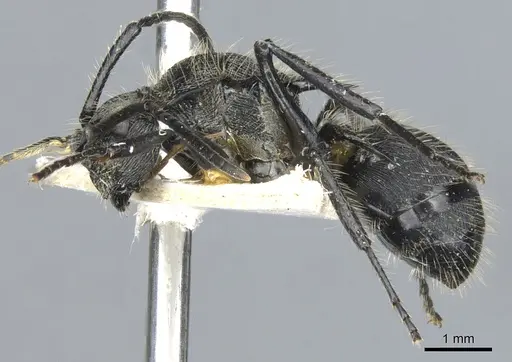
CASENT0903344
Ver no AntWeb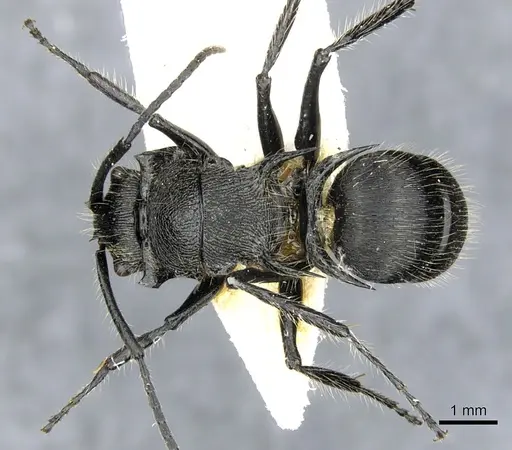
Literatura
A carregar mapa de distribuição...A carregar produtos...