
Polyrhachis abrupta
- Nome cient.
- Polyrhachis abrupta
- Subgénero
- Myrma
- Tribo
- Camponotini
- Subfamília
- Formicinae
- Autor
- Mayr, 1867
- Distribuição
- Encontrado em 0 países
Introdução
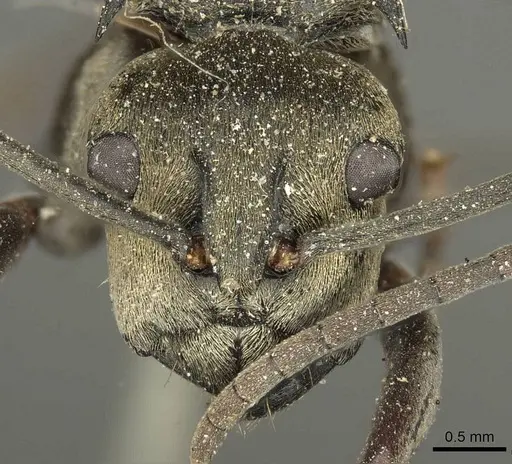
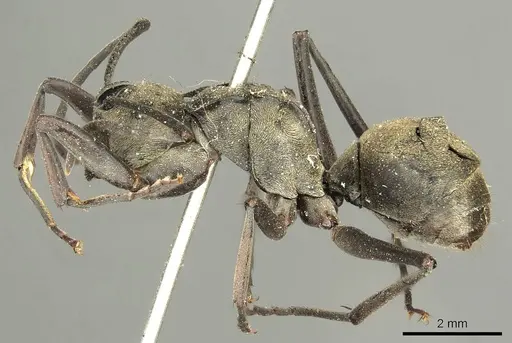
Polyrhachis abrupta is a species native to Halmahera Island in the Moluccas, Indonesia . It belongs to the subgenus Myrma, which includes tropical arboreal species . Workers have a spiny appearance typical of Polyrhachis ants. This species was described by Mayr in 1867 and is the senior synonym of Polyrhachis orsyllus halmaheirae . A notable trait is their arboreal nesting tendency and their use of formic acid spray for defense, typical of Formicinae.
Quick Summary
- Difficulty: Medium
- Origin & Habitat: Halmahera Island, Indonesia [1]. Based on Myrma subgenus patterns, they likely inhabit forest edges and vegetation [2].
- Colony Type: Unconfirmed colony structure. Polyrhachis species typically form single-queen colonies, but specific data for P. abrupta is lacking.
- Size & Growth:
- Queen: Size data unavailable, inferred from Polyrhachis genus to be around 10-12 mm
- Worker: Size data unavailable, inferred from Polyrhachis genus to be around 6-9 mm
- Colony: Up to several hundred workers, estimated based on related species
- Growth: Moderate, inferred from tropical Formicinae patterns
- Development: Estimated 6-8 weeks at warm temperatures, inferred from related Polyrhachis species (Development time is estimated, direct data for this species is unavailable)
- Antkeeping:
- Temperature: Keep warm, roughly 24-28°C, based on tropical species needs [2].
- Humidity: Keep nest substrate consistently moist but not waterlogged. Based on tropical forest origin, they prefer moderate to high humidity [2].
- Diapause: No, tropical species from near equator do not require hibernation [2].
- Nesting: Based on Myrma subgenus behavior, they likely prefer arboreal nesting. In captivity, Y-tong or plaster nests work well [2].
- Behavior: Polyrhachis ants are generally less aggressive. They use formic acid spray for defense, as typical of Formicinae. Escape risk is moderate due to their size.
- Common Issues: temperatures below 22°C can slow colony growth or cause brood failure, low humidity can lead to desiccation of brood and workers, disturbing founding colonies may cause queen stress and egg-eating, ensure adequate protein and sugar sources for colony development
Origin and Natural Habitat
Polyrhachis abrupta comes from Halmahera Island in the Moluccas archipelago, Indonesia [1]. The Moluccas are tropical islands with warm, humid climates. In the wild, this species likely inhabits forest edges and secondary growth areas, nesting in elevated locations like under bark or in hollow twigs, as typical of the Myrma subgenus [2].
Temperature and Heating Requirements
Based on tropical species needs, keep temperatures around 24-28°C for optimal colony growth [2]. Use a heating cable or mat on one side of the nest to create a gradient, allowing ants to self-regulate. Room temperature may suffice if consistently warm, but monitor activity.
Humidity and Moisture
Keep the nest substrate consistently moist but not waterlogged. Based on their tropical forest origin, they prefer moderate to high humidity [2]. Mist the outworld occasionally and ensure good ventilation to prevent mold.
Nesting Preferences in Captivity
Based on Myrma subgenus behavior, they likely prefer arboreal nesting. In captivity, Y-tong (AAC) or plaster nests work well, providing dark, humid chambers [2]. Avoid dry substrates and include natural elements like bark if possible.
Feeding and Diet
Polyrhachis abrupta is a generalist feeder. Offer sugar sources like honey water constantly and protein such as small insects 2-3 times per week [2]. Adjust based on colony size and appetite.
Colony Development and Growth
Colonies grow at a moderate pace. A claustral queen will raise first workers alone, emerging in about 6-8 weeks under warm conditions [2]. After workers emerge, growth continues gradually.
Frequently Asked Questions
How long does it take for Polyrhachis abrupta to have first workers?
Based on related species, expect first workers in approximately 6-8 weeks at warm temperatures [2]. Direct data for this species is unavailable.
What temperature do Polyrhachis abrupta ants need?
Keep them at warm temperatures around 24-28°C, based on tropical species needs [2].
Do Polyrhachis abrupta ants need hibernation?
No, as a tropical species from near the equator, they do not require hibernation [2].
What do Polyrhachis abrupta ants eat?
They are generalist feeders. Offer sugar sources constantly and protein like small insects 2-3 times per week [2].
Are Polyrhachis abrupta ants aggressive or dangerous?
They are generally docile and use formic acid spray for defense, which is mild to humans.
What type of nest is best for Polyrhachis abrupta?
Y-tong or plaster nests work well, mimicking their arboreal habits [2].
How big do Polyrhachis abrupta colonies get?
Colonies can reach up to several hundred workers, based on related species [2].
Can I keep multiple Polyrhachis abrupta queens together?
Polyrhachis species typically form single-queen colonies, so combining queens is not recommended [2].
Is Polyrhachis abrupta good for beginners?
This species is rated Medium difficulty due to the need for consistent warmth and humidity [2].
Why is my Polyrhachis abrupta colony not growing?
Check temperatures are above 22°C and humidity is adequate. Disturbing the colony or poor diet can also cause issues [2].
Report an Issue
The current care sheet is based fully on literature. See inconsistencies, or something that's incorrect? Please , it will be resolved after review from an admin. Contributing to the blogs tab also helps providing information, to make us be able to further improve the caresheets. Thank you for your support!
References

Esta ficha de cuidados é licenciada sob CC BY-SA 4.0 .
Blogs da comunidade
CASENT0915606
Ver no AntWeb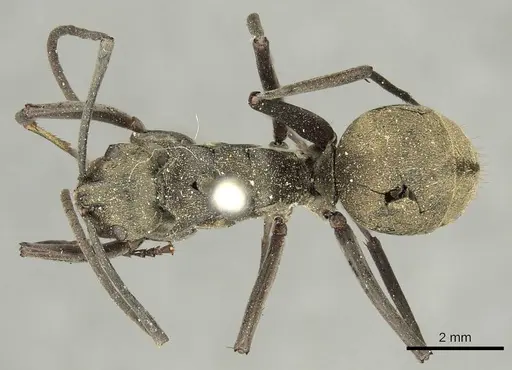
Literatura
A carregar mapa de distribuição...A carregar produtos...