
Pogonomyrmex spinolae
- Nome cient.
- Pogonomyrmex spinolae
- Tribo
- Pogonomyrmecini
- Subfamília
- Myrmicinae
- Autor
- Emery, 1906
- Distribuição
- Encontrado em 0 países
Introdução
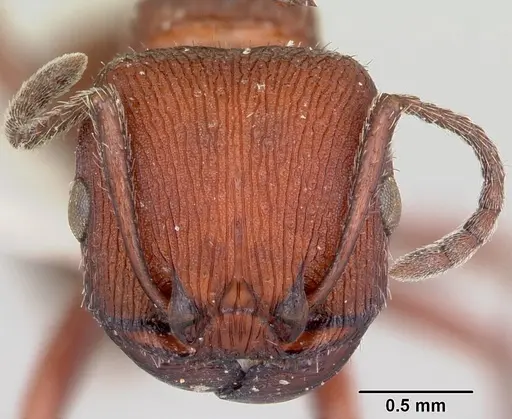
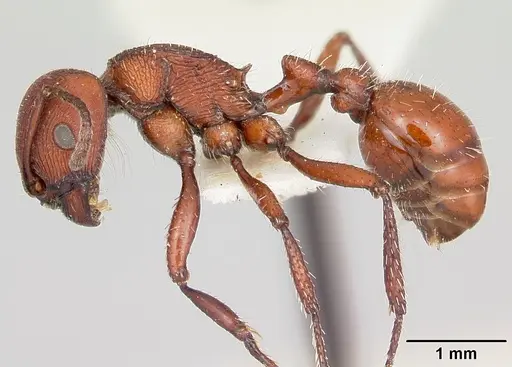
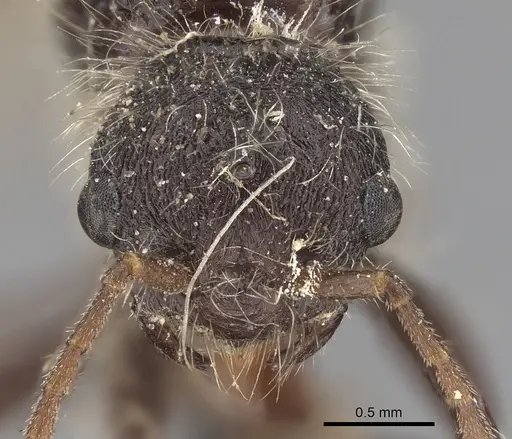
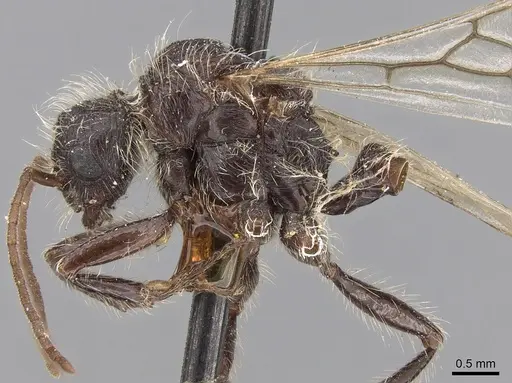
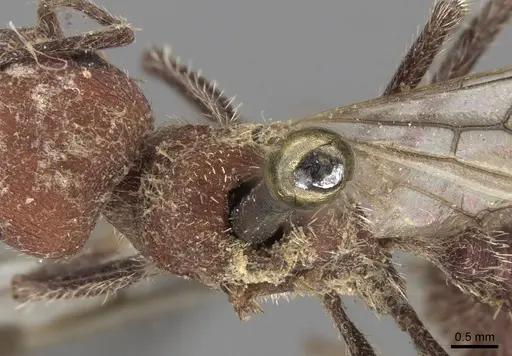
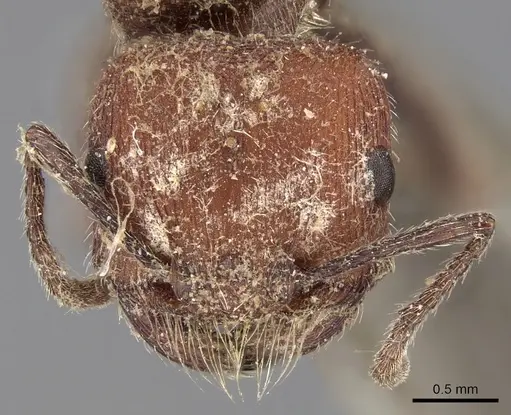
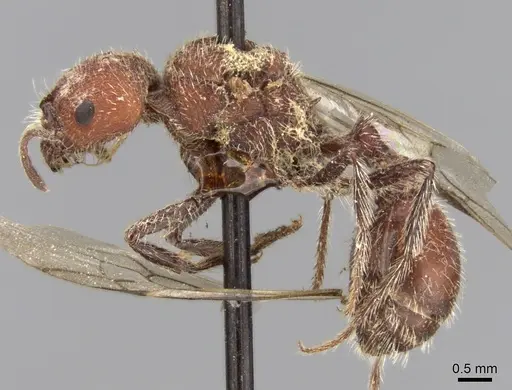
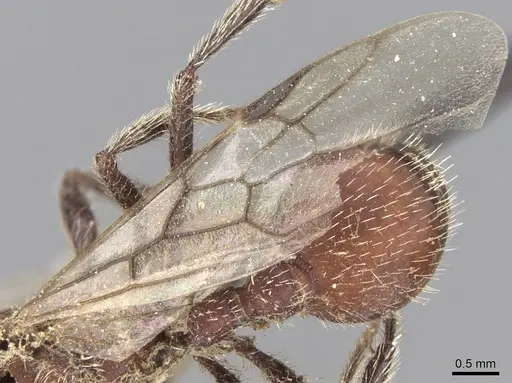
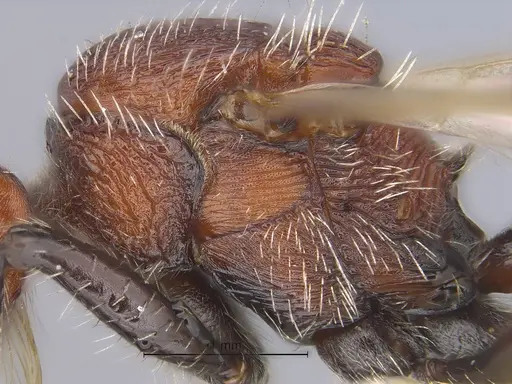
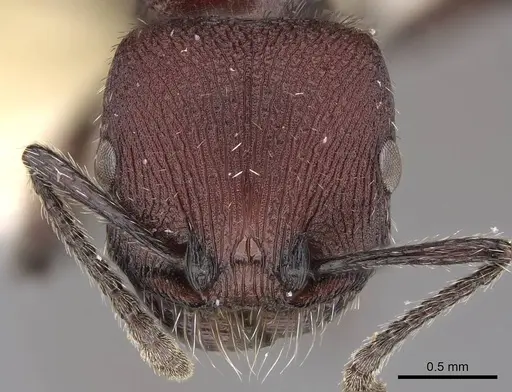
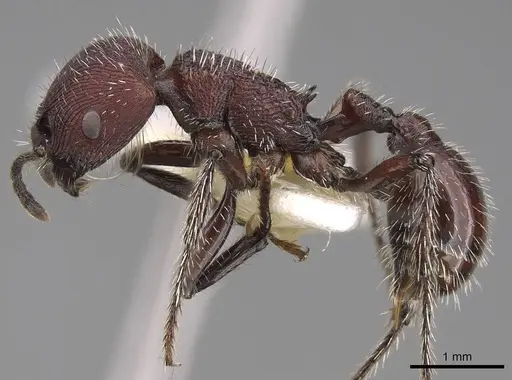
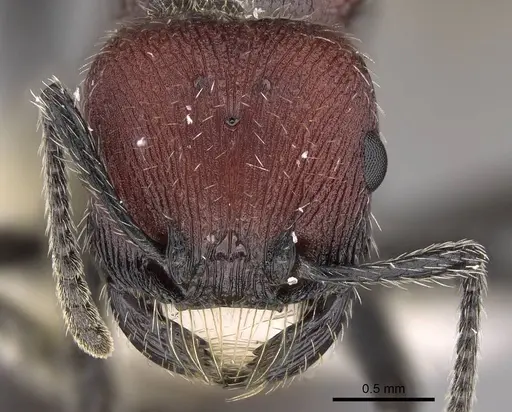
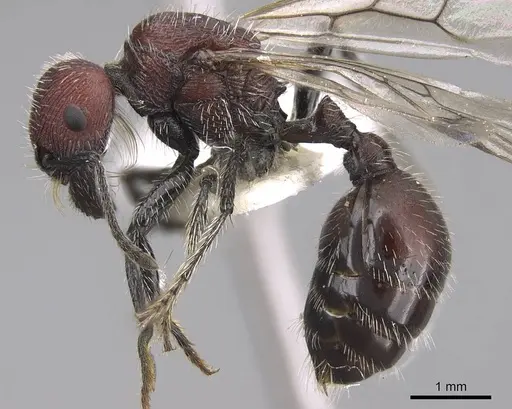
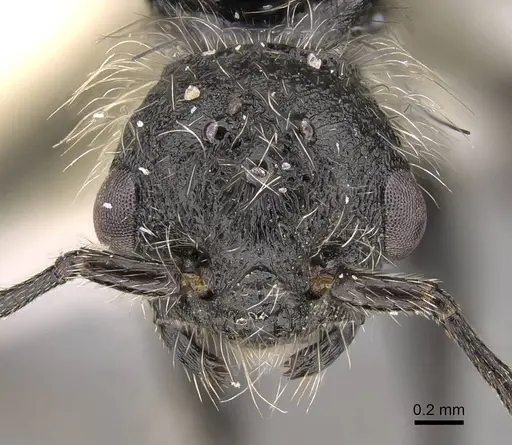
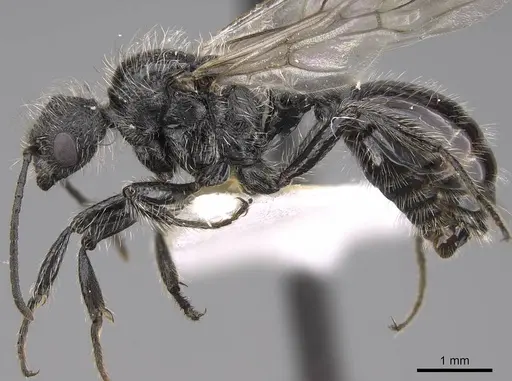
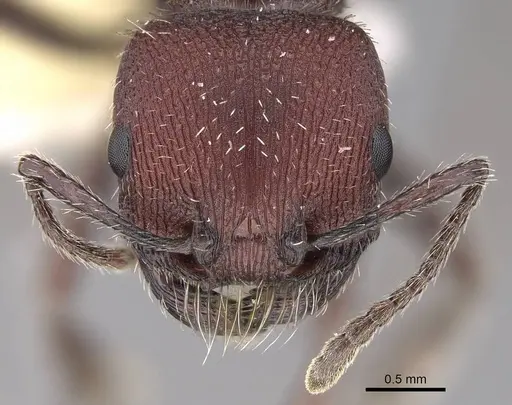
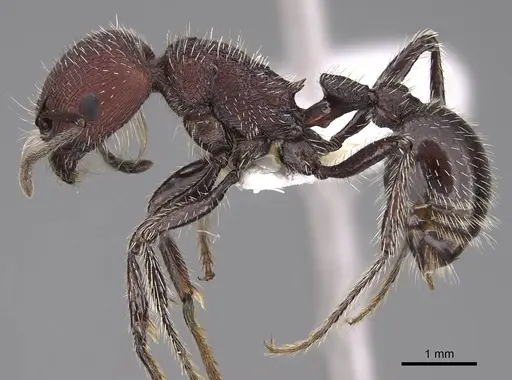
Pogonomyrmex spinolae is a seed-harvester ant native to Chile . Workers measure around 5 to 8 mm in total length, while queens are slightly larger at roughly 6 to 9 mm . You can spot them by their black middle body sections and reddish-brown heads . They live in the dry puna and Andean steppe regions of Chile, which means they thrive in cool, arid environments . What stands out about this species is their strong propodeal spines and long body hairs . They harvest seeds in harsh mountain climates where food can be scarce, making them resilient keepers once you learn their specific needs.
Quick Summary
- Difficulty: Medium
- Origin & Habitat: Central and Southern Chile, specifically the dry puna and Andean steppe ecoregions [1]. These areas feature cool temperatures and low rainfall.
- Colony Type: Single-queen colonies are likely based on typical Pogonomyrmex patterns, though direct studies for this species are lacking.
- Size & Growth:
- Antkeeping:
- Temperature: Keep stable in the low-to-mid 20s°C. They come from cool mountain regions, so avoid heat spikes above 28°C.
- Humidity: Provide a mostly dry nest with one small moist area. Their natural habitat is arid, so damp nests will cause mold and stress.
- Diapause: Yes, roughly 3 to 4 months during the cooler months. Mimic their Andean winter to keep the colony healthy.
- Nesting: Plaster nests, soil nests, or 3D-printed setups work best. Avoid overly humid environments.
- Behavior: Defensive and will sting if threatened. They forage for seeds and store them in the nest. Medium size means moderate escape risk, so use fine mesh barriers.
- Common Issues: colonies fail if kept too humid, they prefer dry conditions, slow growth can tempt keepers to overfeed, stick to a seed-heavy diet, stinging makes handling difficult, move slowly and avoid direct nest contact, skipping winter rest causes colony decline, they need seasonal cooling, wild colonies may carry parasites, quarantine new queens
Housing and Nest Setup
Pogonomyrmex spinolae thrives in dry environments [1]. Use plaster nests, soil nests, or 3D-printed setups instead of acrylic. They prefer snug chambers, so avoid oversized nests. Provide a shallow water dish for drinking and a separate outworld for foraging. Apply fluon to test tube rims and cover ventilation holes with fine mesh to prevent escapes [2].
Feeding and Diet
These ants harvest seeds as their main food source [1]. Offer grass seeds, millet, and small bird seed constantly in the foraging area. Add protein like small insects 2 to 3 times per week. They also take sugar water occasionally. Remove uneaten seeds to prevent mold [2].
Temperature and Seasonal Care
Keep these ants in the low-to-mid 20s°C [1]. They come from cool Andean regions, so avoid heat spikes above 28°C. Provide a winter rest period of roughly 3 to 4 months at cooler temperatures around 10 to 15°C. This seasonal cooling mimics their natural habitat and keeps the colony healthy [1].
Defense and Sting
Pogonomyrmex spinolae has a functional sting and will use it when threatened. Their sting causes localized pain and swelling, which is typical for the genus. Move slowly and avoid disturbing the nest directly. If you get stung, wash the area and apply ice for relief [2].
Growth and Development
Colony growth moves at a moderate pace [1]. Expect 8 to 12 weeks until the first workers emerge [1]. Founding behavior is unconfirmed, so monitor the queen closely during the early stages. A healthy colony expands steadily over several years [2].
Frequently Asked Questions
How long does it take for Pogonomyrmex spinolae to produce first workers?
Expect 8 to 12 weeks from egg to first worker at optimal temperatures [1]. Development slows in cooler conditions.
Do Pogonomyrmex spinolae ants sting?
Yes, they have a functional sting and will use it defensively. The sting causes localized pain and swelling, which is typical for the genus [2].
What do Pogonomyrmex spinolae eat?
They harvest seeds as their primary food [1]. Offer grass seeds, millet, and small bird seed constantly. Add protein like small insects 2 to 3 times per week. They also take sugar water occasionally [2].
Can I keep multiple Pogonomyrmex spinolae queens together?
Not recommended. Single-queen colonies are likely based on typical Pogonomyrmex patterns. Combining unrelated queens usually results in fighting [1].
Do Pogonomyrmex spinolae need hibernation?
Yes, they require a winter rest period of roughly 3 to 4 months at cooler temperatures around 10 to 15°C [1]. Skipping this rest causes colony decline.
What temperature is best for Pogonomyrmex spinolae?
Keep them stable in the low-to-mid 20s°C [1]. They come from cool mountain regions, so avoid heat spikes above 28°C.
Are Pogonomyrmex spinolae good for beginners?
They are medium difficulty. Their seed-based diet and cooling requirements make them slightly more challenging than tropical species, but they are hardy once you learn their needs [2].
How big do Pogonomyrmex spinolae colonies get?
They can reach up to several thousand workers over several years [1].
Why are my Pogonomyrmex spinolae dying?
Common causes include too much humidity, no winter diapause, overheating, or poor diet. Check that the nest stays dry and they have seeds available [2].
When should I move Pogonomyrmex spinolae to a formicarium?
Move them when the test tube gets crowded with workers or the water reservoir runs dry. They prefer snug spaces, so avoid oversized chambers [2].
Report an Issue
The current care sheet is based fully on literature. See inconsistencies, or something that's incorrect? Please , it will be resolved after review from an admin. Contributing to the blogs tab also helps providing information, to make us be able to further improve the caresheets. Thank you for your support!
References

Esta ficha de cuidados é licenciada sob CC BY-SA 4.0 .
Blogs da comunidade
CASENT0103404
Ver no AntWeb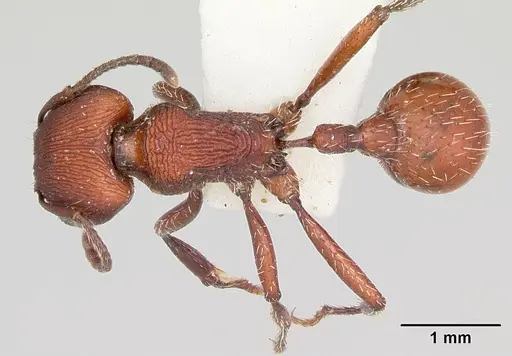
CASENT0280986
Ver no AntWeb
CASENT0280987
Ver no AntWeb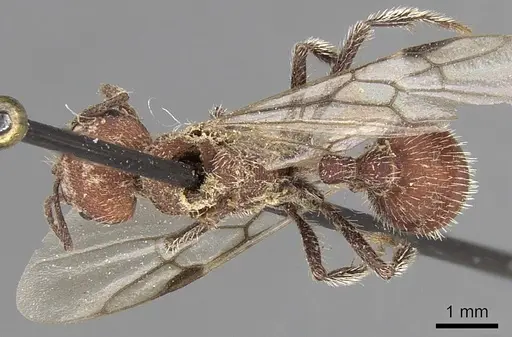
CASENT0869792
Ver no AntWeb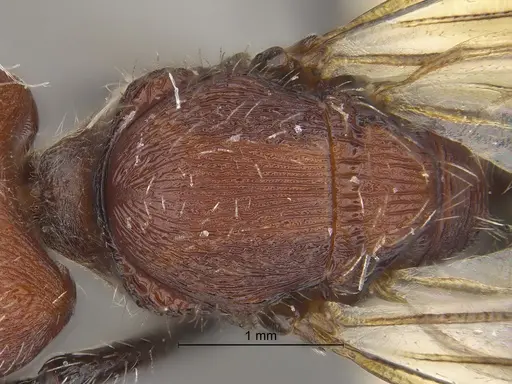
CASENT0914359
Ver no AntWeb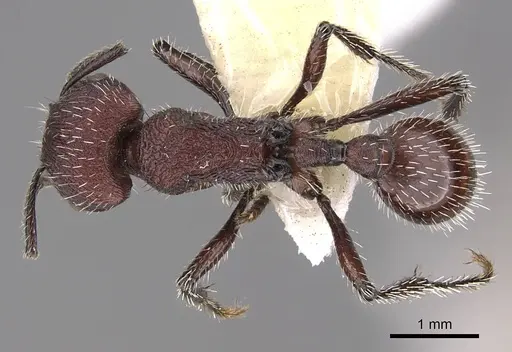
CASENT0914360
Ver no AntWeb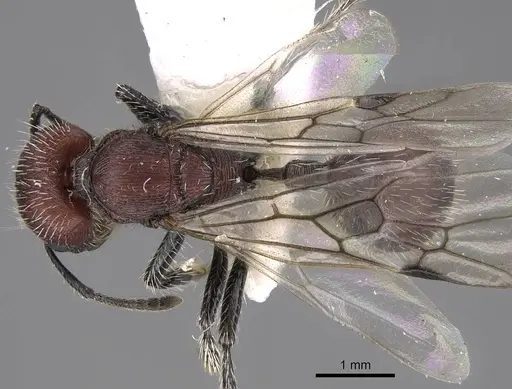
CASENT0914361
Ver no AntWeb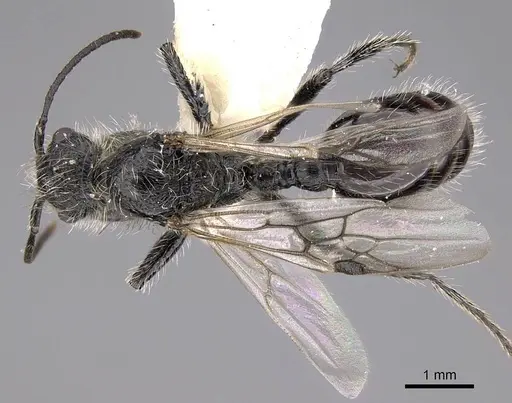
CASENT0914364
Ver no AntWeb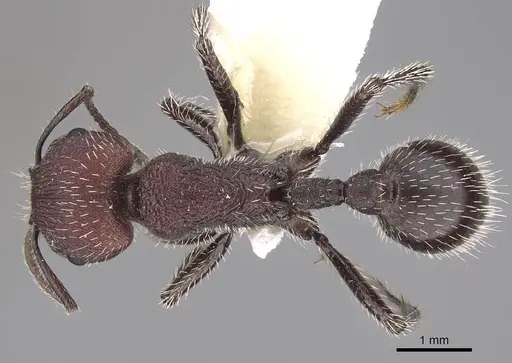
Literatura
A carregar mapa de distribuição...A carregar produtos...