
Pogonomyrmex cusquena
- Nome cient.
- Pogonomyrmex cusquena
- Tribo
- Pogonomyrmecini
- Subfamília
- Myrmicinae
- Autor
- Johnson, 2021
- Distribuição
- Encontrado em 0 países
Introdução
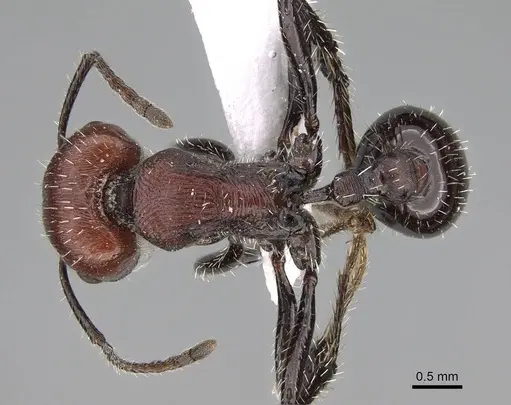
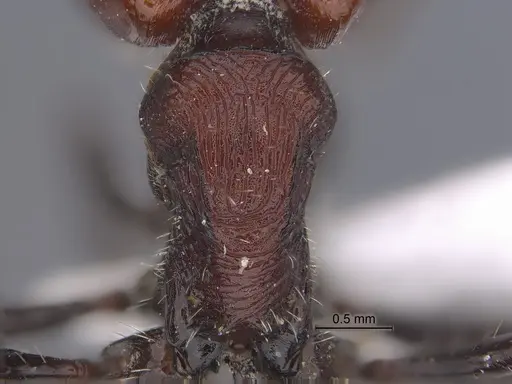
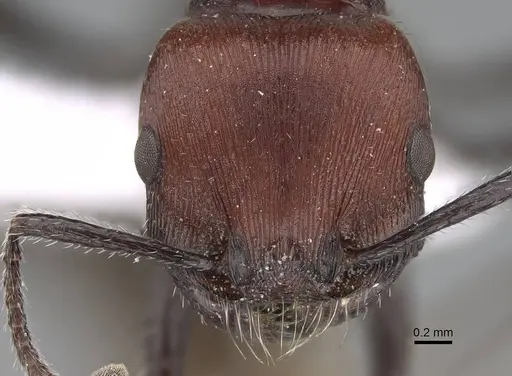
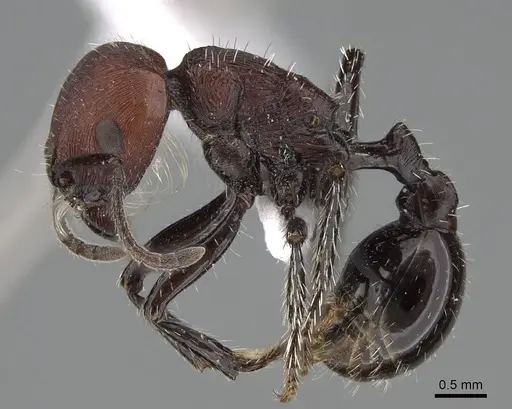
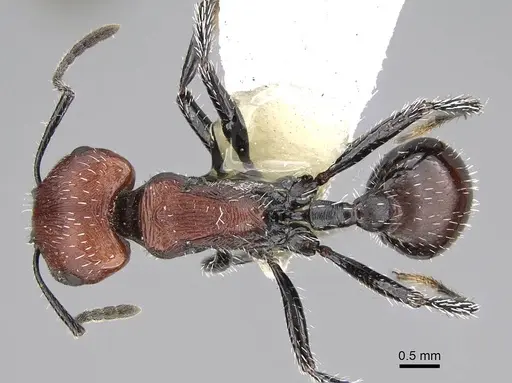
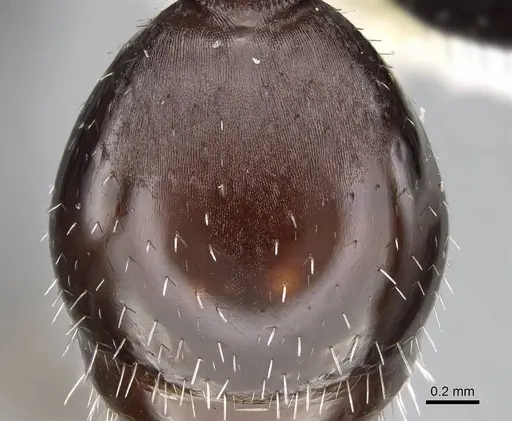
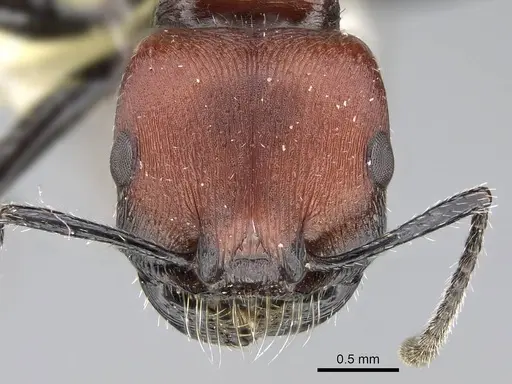
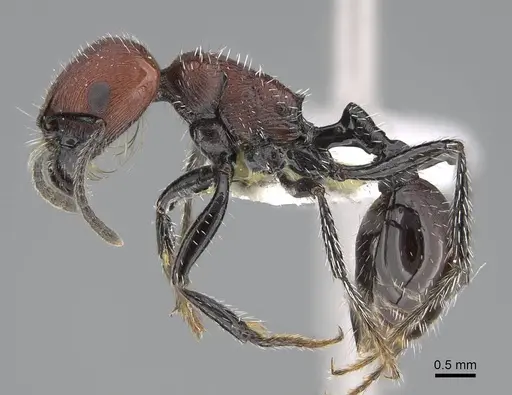
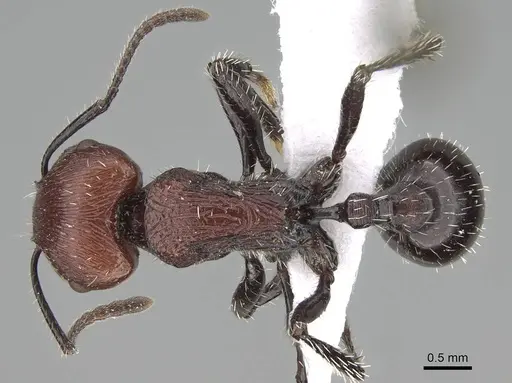
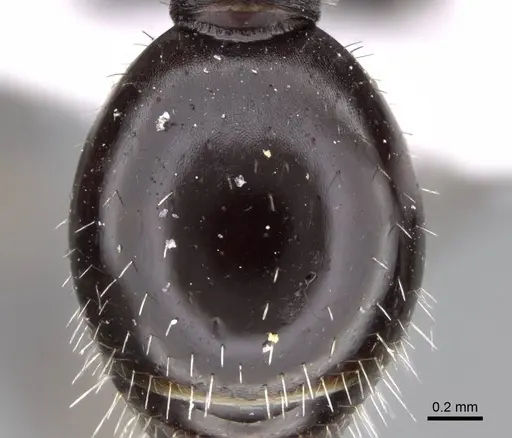
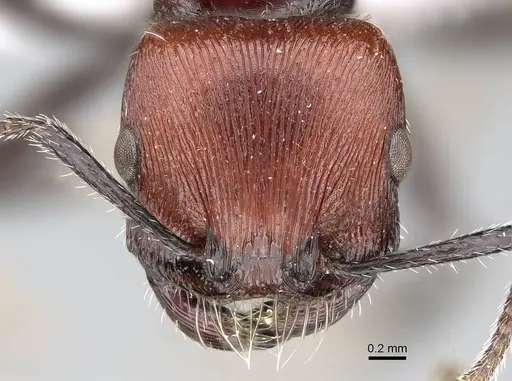
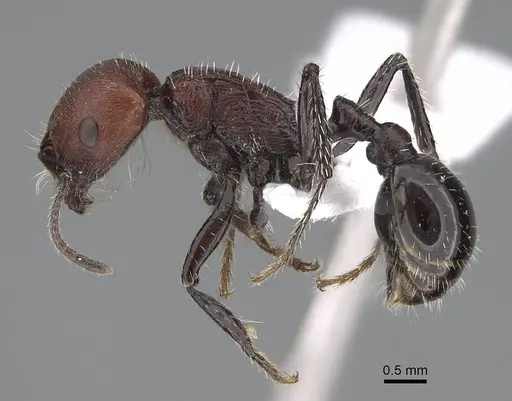
Pogonomyrmex cusquena is a seed-harvester ant species described in 2021 from the high-altitude Cusco region of Peru. Workers have a smooth and shining gaster and distinctive propodeal spines . This species is only known from its type locality at approximately 3000 meters elevation in the Peruvian Yungas and Central Andean wet puna ecoregions, making it adapted to cool, damp high-altitude environments .
Quick Summary
- Difficulty: Hard
- Origin & Habitat: Peru, Cusco Region at approximately 3000m elevation in Peruvian Yungas/Central Andean wet puna ecoregion [1]
- Colony Type: Unconfirmed, colony structure has not been documented for this species
- Size & Growth:
- Queen: Size data unavailable, no measurements provided in research [1]
- Worker: ~2-4 mm, inferred from Pogonomyrmex genus patterns
- Colony: Unknown, no colony size data available
- Growth: Unknown, no development data exists for this species
- Development: Unknown, no direct observations, but based on genus patterns, expect 6-10 weeks from egg to first worker at optimal temperature (Development timeline must be estimated from related Pogonomyrmex species.)
- Antkeeping:
- Temperature: Keep cool conditions around 18-22°C, based on high-altitude origin [1]
- Humidity: Keep nest substrate consistently moist but not waterlogged, based on wet puna habitat [1]
- Diapause: Yes, likely required due to high-altitude origin
- Nesting: Soil nests with entrance mounds, based on genus patterns
- Behavior: Behavior is not specifically documented, but as a Pogonomyrmex, they are likely defensive and granivorous. Escape risk is low due to small size, but standard prevention is recommended
- Common Issues: care requirements are estimated and must be monitored closely, high-altitude origin suggests cooler conditions are needed, avoid overheating, humidity needs are higher than most Pogonomyrmex, do not keep them dry, winter diapause appears necessary but exact requirements are unknown, only known from scientific description with no captive husbandry records
Species Discovery and Taxonomy
Pogonomyrmex cusquena was only recently described in 2021 by Robert A. Johnson as part of a comprehensive taxonomic revision of South American seed-harvester ants. The species is named after the Cusco region where it was discovered. The type locality is Moray Valle Sagrado (Sacred Valley), a remarkable archaeological site known for its concentric terraced circular depressions. This species is known only from the type series collected at approximately 3000 meters elevation, making it one of the highest-altitude Pogonomyrmex species in South America [1].
Natural Habitat and Adaptation
This species occupies a unique niche within the Pogonomyrmex genus. Most Pogonomyrmex species are adapted to arid and semi-arid environments across the Americas, but P. cusquena is found in the Central Andean wet puna ecoregion. The wet puna is characterized by high-altitude grasslands receiving significant rainfall, with cool temperatures year-round due to the elevation. This explains why this species likely requires cooler and more humid conditions than typical seed-harvester ants. Keepers should note that this species is NOT adapted to desert conditions despite being a Pogonomyrmex [1].
Estimated Care Requirements
Because this species has no captive husbandry history, all care recommendations are estimates based on the species' known habitat [1] and genus-level patterns. Temperature should be kept cool, start around 18-22°C and observe colony behavior. Humidity should be notably higher than typical for Pogonomyrmex, keep the nest substrate consistently moist with some drier areas available. As granivorous ants, they should be offered seed mixes suitable for Pogonomyrmex, supplemented occasionally with small insects. The founding queen behavior is unconfirmed. Diapause appears necessary given the high-altitude origin, expect to provide a cool winter rest period of several months.
Feeding and Diet
Pogonomyrmex ants are typically granivorous, harvesting seeds for food. Based on genus patterns, P. cusquena likely feeds on small seeds and may supplement with insects. In captivity, offer seed mixes like millet or chia, and provide protein through small insects occasionally.
Behavior and Defense
The specific behavior of Pogonomyrmex cusquena has not been documented, but the genus is known for defensive stinging. However, this species is very small, and its sting may not penetrate human skin effectively. Workers are likely active foragers. Escape risk is relatively low due to their size, but standard escape prevention should still be used.
Frequently Asked Questions
How do I keep Pogonomyrmex cusquena ants?
Care is largely estimated since this species was only described in 2021 with no captive husbandry records. Based on their high-altitude wet puna origin, keep them cooler (18-22°C) and more humid than typical Pogonomyrmex. Use a test tube setup for founding colonies with a water reservoir. Provide seeds as a staple food with occasional protein. Expect a winter diapause period.
What do Pogonomyrmex cusquena ants eat?
They are seed-harvester ants, so seeds should form the staple diet. Offer small seeds like millet, chia, flax, or sesame. Supplement with small insects for protein. This is based on genus patterns, as specific diet data is not available for this species.
What temperature do Pogonomyrmex cusquena ants need?
Keep them cooler than typical Pogonomyrmex due to their high-altitude origin. Start around 18-22°C with a gentle gradient. Avoid overheating, they are adapted to cool mountain conditions.
Do Pogonomyrmex cusquena ants need hibernation?
Yes, a winter diapause is likely necessary given their origin at 3000m elevation in the Andes. Provide a cool period (5-10°C) for several months during winter.
How long does it take for Pogonomyrmex cusquena to raise first workers?
Exact development time is unknown, no data exists for this species. Based on related Pogonomyrmex species, expect approximately 6-10 weeks from egg to first worker at optimal temperature.
Are Pogonomyrmex cusquena ants good for beginners?
This species is NOT recommended for beginners due to the lack of any captive husbandry data. All care requirements are estimates based on habitat and genus patterns.
How big do Pogonomyrmex cusquena colonies get?
Colony size is unknown, no colony data exists for this species. Based on typical Pogonomyrmex patterns, colonies likely reach several hundred to a few thousand workers over several years.
Can I keep multiple Pogonomyrmex cusquena queens together?
Colony structure has not been documented for this species. Most Pogonomyrmex are single-queen colonies. Combining unrelated queens is not recommended until more is known.
Where is Pogonomyrmex cusquena found?
This species is only known from the type locality in the Cusco Region of Peru, at approximately 3000 meters elevation in the Sacred Valley (Moray). It is found in the Peruvian Yungas/Central Andean wet puna ecoregion.
Report an Issue
The current care sheet is based fully on literature. See inconsistencies, or something that's incorrect? Please , it will be resolved after review from an admin. Contributing to the blogs tab also helps providing information, to make us be able to further improve the caresheets. Thank you for your support!
References

Esta ficha de cuidados é licenciada sob CC BY-SA 4.0 .
Blogs da comunidade
Literatura
A carregar mapa de distribuição...A carregar produtos...