
Plagiolepis hoggarensis
- Nome cient.
- Plagiolepis hoggarensis
- Tribo
- Plagiolepidini
- Subfamília
- Formicinae
- Autor
- Bernard, 1981
- Distribuição
- Encontrado em 0 países
Introdução
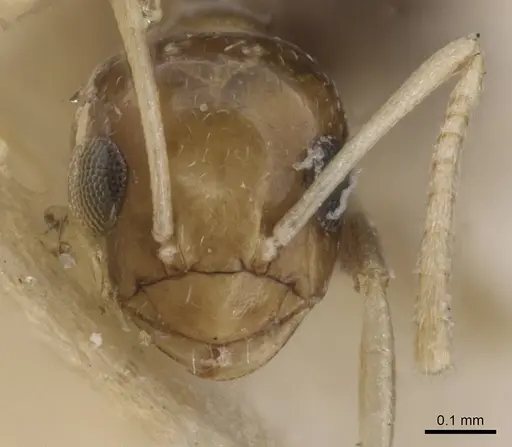
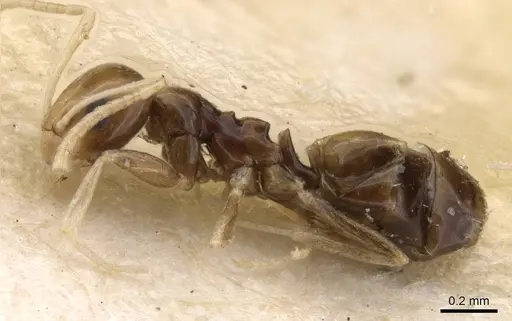
Plagiolepis hoggarensis is a Sahara-dwelling ant, being the first Plagiolepis species described from the Sahara Desert. Workers are tiny at 1.94 mm, making them one of the smaller ant species. They have white antennae and legs, pale overall coloration, and stiff, erect hairs on their gaster that resemble those of Temnothorax ants. The species was collected in 1961 from the edge of a wadi in the Hoggar mountains of southern Algeria at 1600 m elevation, and has not been reported since . This species is notable for its rarity and unique morphological features, such as the white antennae and legs, which distinguish it from other Plagiolepis species .
Quick Summary
- Difficulty: Expert
- Origin & Habitat: Southern Algeria, Hoggar mountains at 1600 m elevation, found at the edge of wadi Im Laou Lahouène with Typha elephantina, indicating a humid riparian habitat [1][2].
- Colony Type: Unconfirmed, colony structure has not been documented.
- Size & Growth:
- Antkeeping:
- Temperature: Unknown, start around 22-26°C and monitor colony activity, based on typical ant care [2].
- Humidity: High, this is a hygrophilic species requiring moist conditions. Keep nest substrate consistently damp but not waterlogged [2].
- Diapause: Unknown
- Nesting: Natural nesting is unconfirmed, but the wadi habitat suggests they nest in soil or under stones in moist areas. In captivity, provide a moist substrate in a test tube setup or small formicarium with chambers scaled to their tiny size.
- Behavior: Behavior is undocumented. Based on genus patterns, they are likely relatively peaceful. Their tiny size means excellent escape prevention is critical [2].
- Common Issues: escape prevention is critical due to their very small size [2]., humidity requirements are high but specific levels are unknown., colonies may be difficult to establish since the species has not been reported since 1961 [1]., no documented captive care information exists, all advice is speculative.
Identification and Distinguishing Features
Plagiolepis hoggarensis is highly distinctive within its genus. The most striking features are its completely white antennae and legs, which contrast with the light brown body. Unlike other Palearctic Plagiolepis species, this species has thick, truncated, stiff hairs standing erect on its gaster, similar to what you see in Temnothorax ants. Workers average 1.94 mm, making them very small. The head is light brown and smooth without any punctuations, while related species may have pits. The thorax is light brown with close large dots on the propodeum. Overall, P. hoggarensis has a paler and slimmer appearance than related species. The antennae lack hairs entirely [2].
Natural Habitat and Distribution
This species is known only from a single collection in southern Algeria, making it one of the rarest ants in the hobby. It was found at the edge of wadi Im Laou Lahouène in the Hoggar mountains at 1600 m elevation. The key habitat feature is the presence of Typha elephantina, which indicates very humid conditions, this is a hygrophilic species requiring moisture. Despite being a Sahara species, it is not found in arid conditions but in riparian zones. The species has not been reported since its 1961 description [1][2].
Housing and Nest Setup
Given the complete lack of captive care data, recommendations are based on general ant care practices. Provide a small nest setup with chambers scaled to their tiny 1.94 mm worker size. A test tube setup with a water reservoir works as a starting point, or a small plaster nest with narrow passages. Maintain consistently moist substrate, this species comes from a wadi habitat and requires humidity. Ensure excellent escape prevention, at their small size, they can escape through gaps invisible to the human eye. Use fine mesh on any ventilation holes. Provide an outworld area for foraging but keep it small and secure. [2]
Feeding and Diet
Diet in captivity is unconfirmed for this species. Based on typical Formicinae behavior, they likely accept sugar sources like honey water and small protein prey. In the wild, Plagiolepis species typically forage for honeydew from aphids and small insects. Start with offering sugar water constantly and small live prey like fruit flies periodically. Remove uneaten prey within 24-48 hours to prevent mold. The hygrophilic nature suggests they may have higher moisture requirements, consider providing a water gel or moist cotton as a water source.
Temperature and Seasonal Care
Specific temperature requirements are unknown. The Sahara distribution suggests warmth tolerance, but the 1600 m elevation and wadi habitat indicate they prefer stable, moderate conditions rather than extreme heat. Start around 22-26°C and observe colony behavior, if workers are active and foraging, conditions are likely suitable. Diapause requirements are completely unknown. If keeping a colony long-term, consider providing a cooler period during winter months but monitor for negative effects.
Frequently Asked Questions
How difficult is Plagiolepis hoggarensis to keep?
This is an expert-level species due to virtually no documented captive care information. The species has only been collected once in 1961 and has not been reported since. All care recommendations are speculative rather than proven protocols.
What do Plagiolepis hoggarensis ants look like?
Workers are tiny at 1.94 mm with a distinctive appearance: white antennae and legs, light brown body, and unusual stiff erect hairs on the gaster that resemble Temnothorax ants.
Where is Plagiolepis hoggarensis found in the wild?
Only known from southern Algeria, specifically the Hoggar mountains at 1600 m elevation. Found at the edge of a wadi with Typha elephantina, indicating a very humid riparian habitat. Has not been reported since its 1961 description.
What temperature should I keep Plagiolepis hoggarensis at?
Specific requirements are unknown. Start around 22-26°C and adjust based on colony activity. Monitor your colony, if they are active and foraging, conditions are likely suitable.
Do Plagiolepis hoggarensis ants need high humidity?
Yes, this is a hygrophilic species. In the wild, they were found at a wadi edge with cattail vegetation, a very humid location. Keep nest substrate consistently damp but not waterlogged.
How big do Plagiolepis hoggarensis colonies get?
Unknown, the species is only known from 11 workers in the original type series. No colony size data exists.
What do Plagiolepis hoggarensis eat?
Diet is unconfirmed. Based on typical Formicinae behavior, likely accept sugar sources and small protein prey. Start with sugar water constantly available and offer small live prey periodically.
Do Plagiolepis hoggarensis ants escape easily?
Yes, at only 1.94 mm, they are very small and can escape through the tiniest gaps. Excellent escape prevention is essential.
Can beginners keep Plagiolepis hoggarensis?
No, this is not a species for beginners. There is zero documented captive care information, and the species has only been collected once in history.
How long does it take for Plagiolepis hoggarensis to develop from egg to worker?
Unknown, no development data exists for this species. Expect to learn through observation.
Do Plagiolepis hoggarensis queens need to hibernate?
Diapause requirements are completely unknown. If keeping a colony long-term, consider a cooler period during winter months but monitor carefully.
Report an Issue
The current care sheet is based fully on literature. See inconsistencies, or something that's incorrect? Please , it will be resolved after review from an admin. Contributing to the blogs tab also helps providing information, to make us be able to further improve the caresheets. Thank you for your support!
References

Esta ficha de cuidados é licenciada sob CC BY-SA 4.0 .
Blogs da comunidade
CASENT0913616
Ver no AntWeb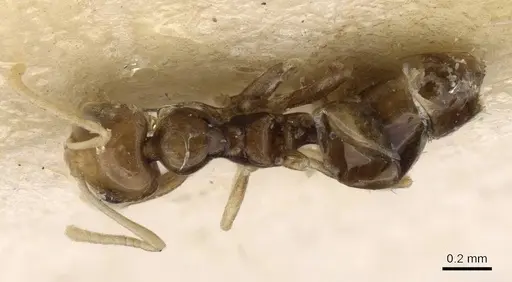
Literatura
A carregar mapa de distribuição...A carregar produtos...