
Pheidole variabilis
- Nome cient.
- Pheidole variabilis
- Tribo
- Attini
- Subfamília
- Myrmicinae
- Autor
- Mayr, 1876
- Distribuição
- Encontrado em 1 países
Introdução
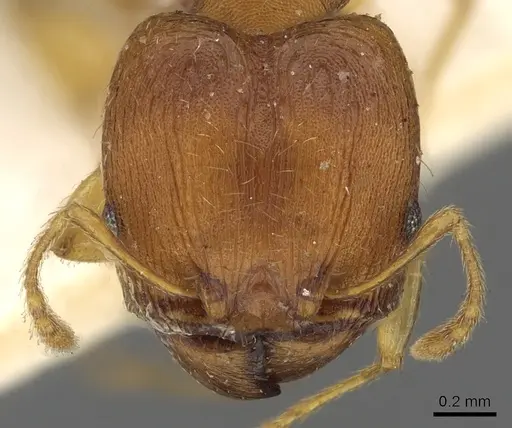
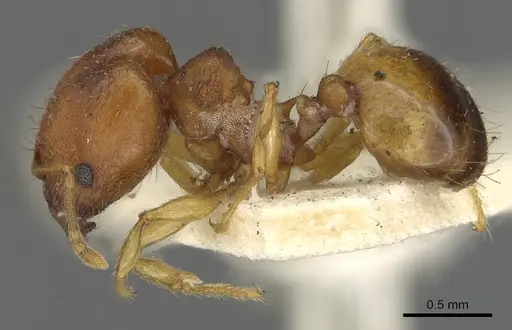
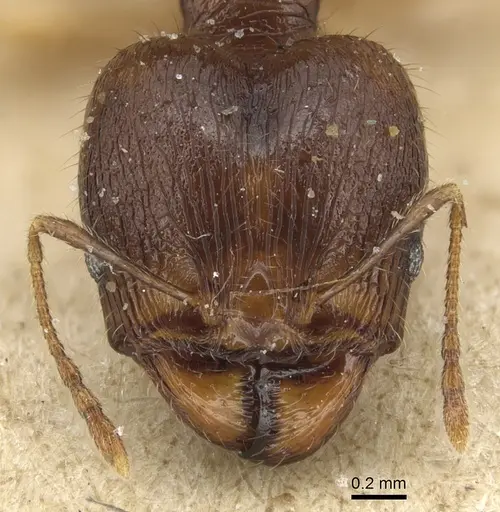
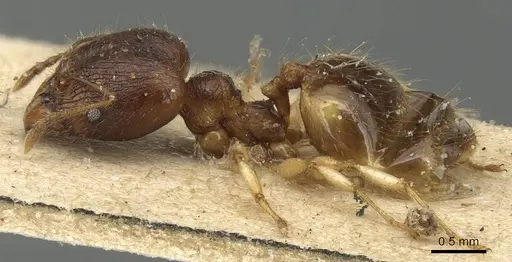
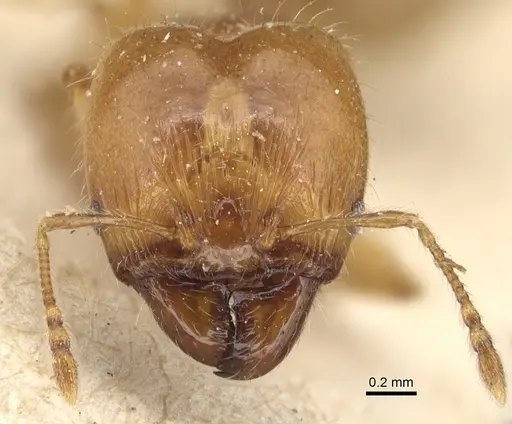
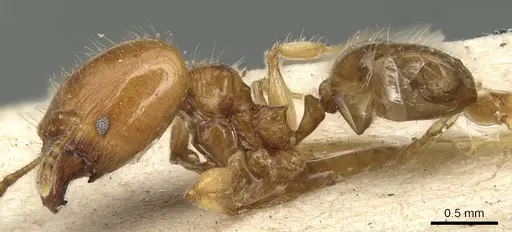
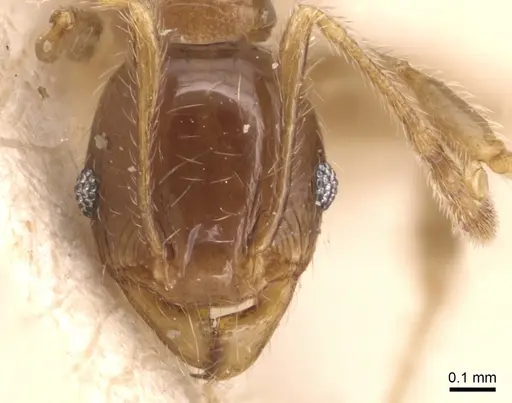
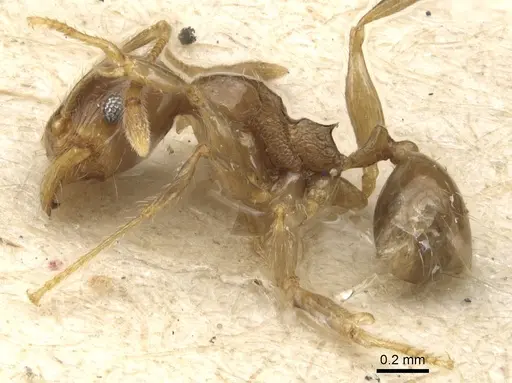
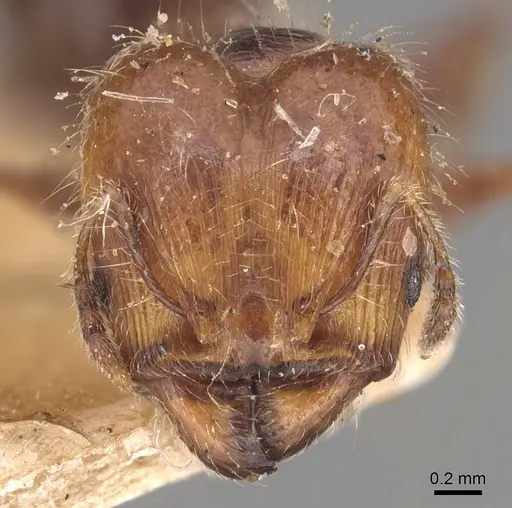
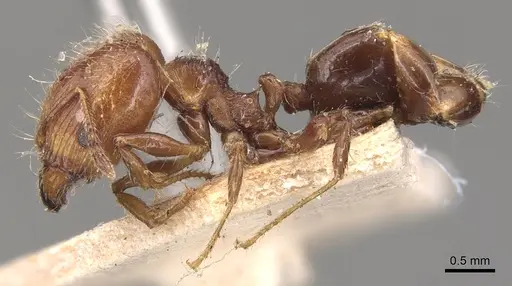
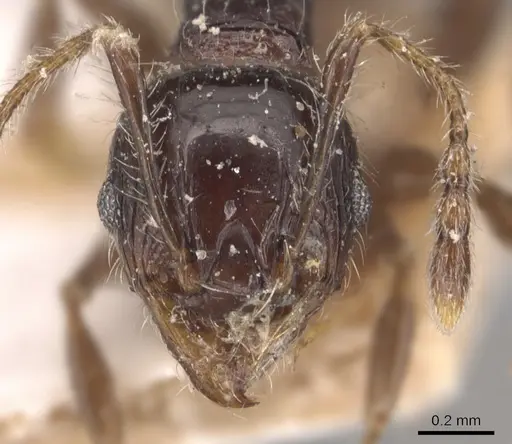
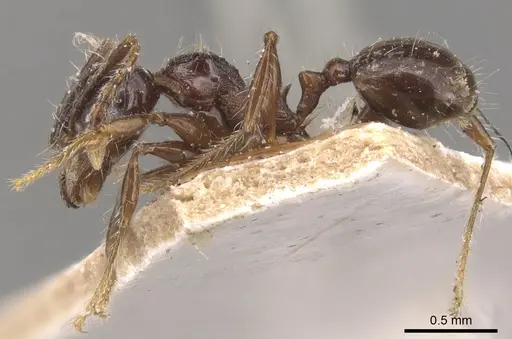
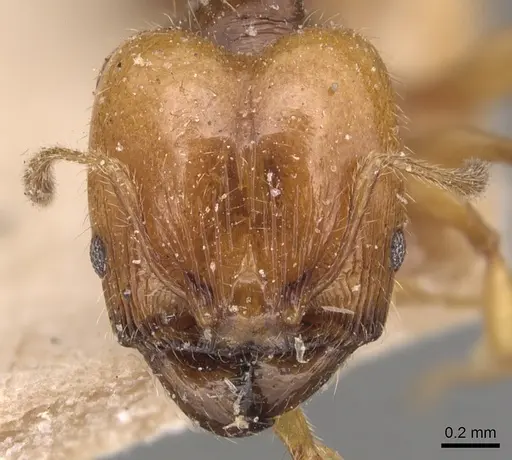
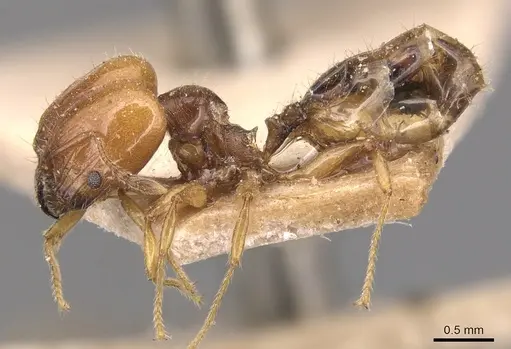
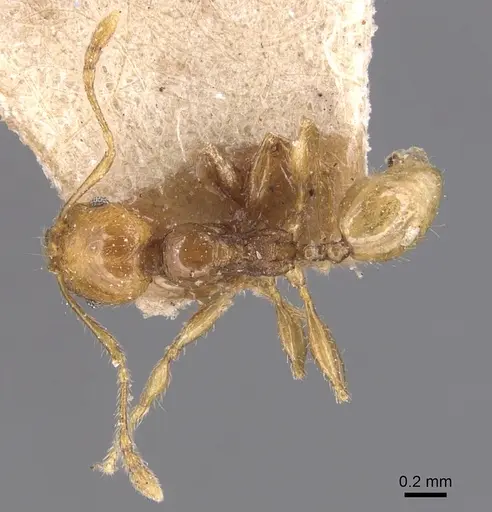
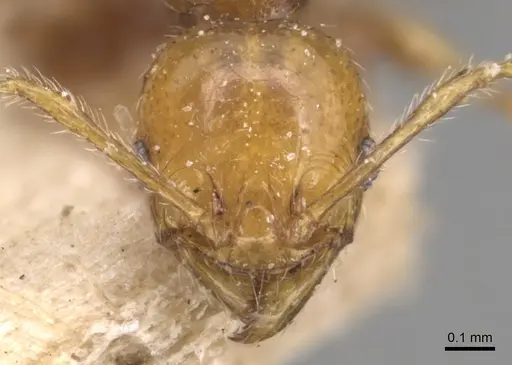
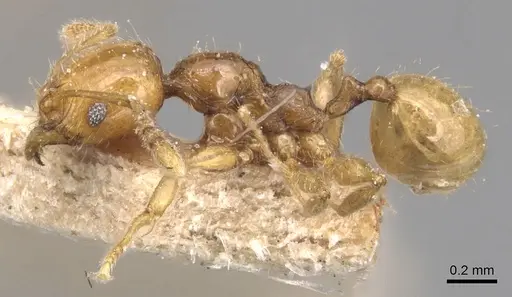
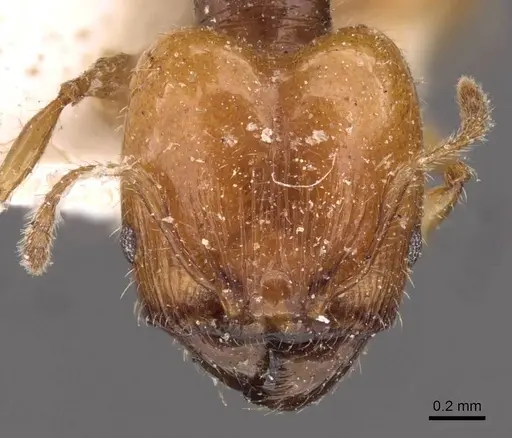
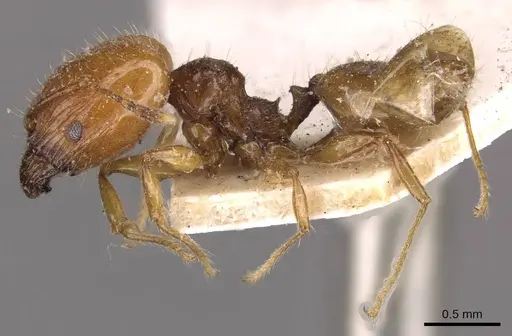
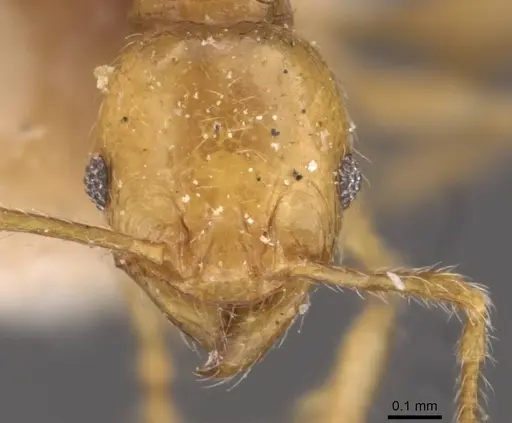
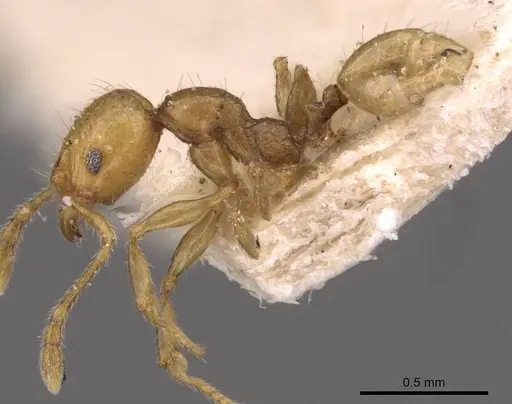
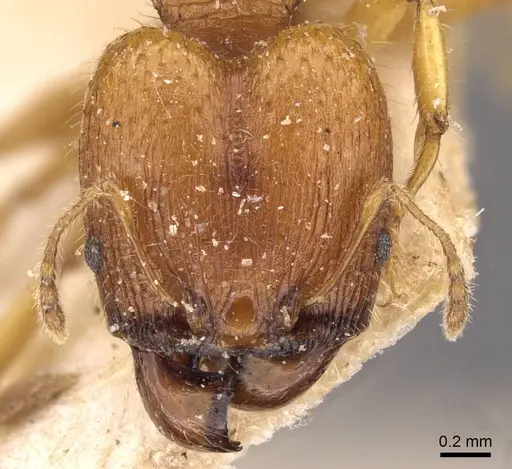
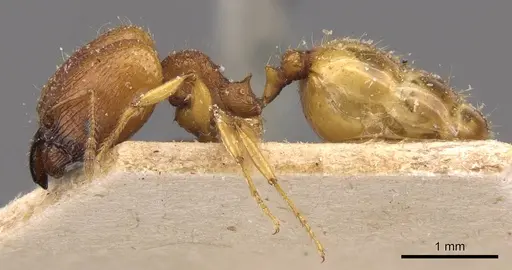
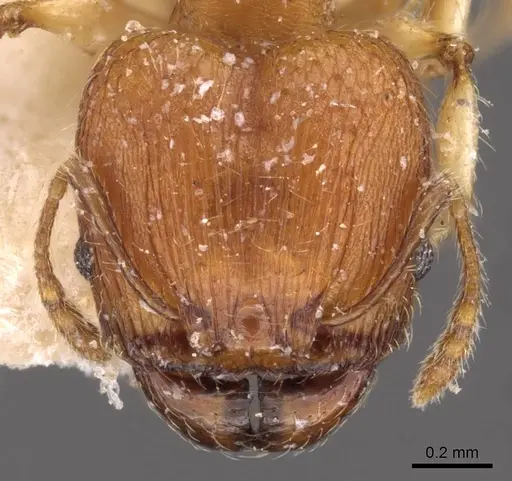
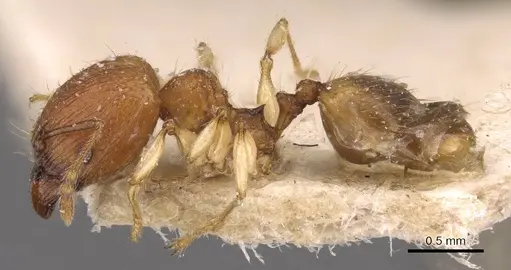
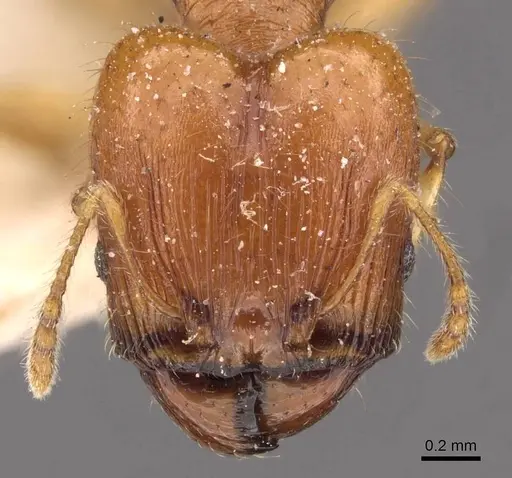
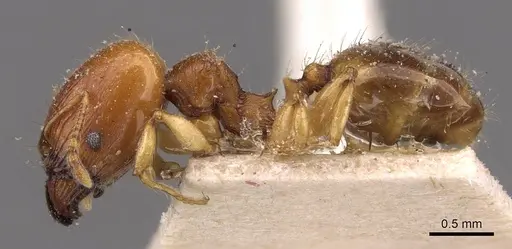
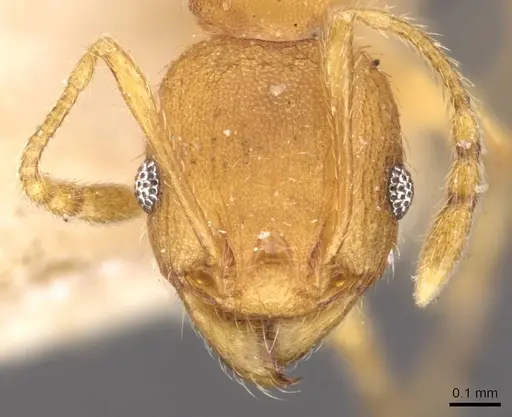
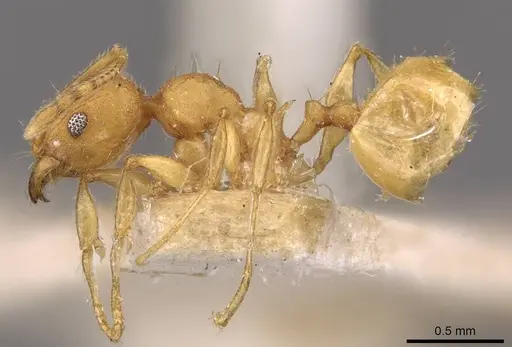
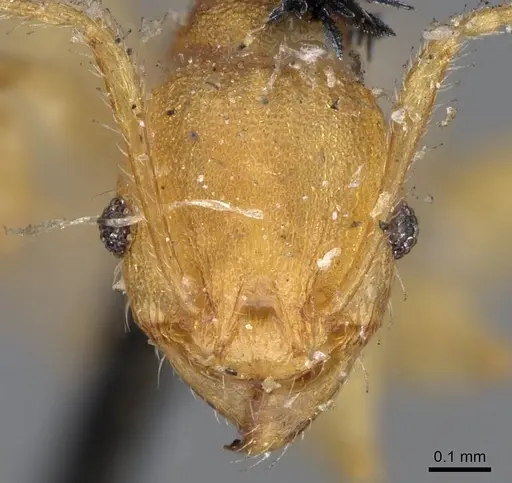
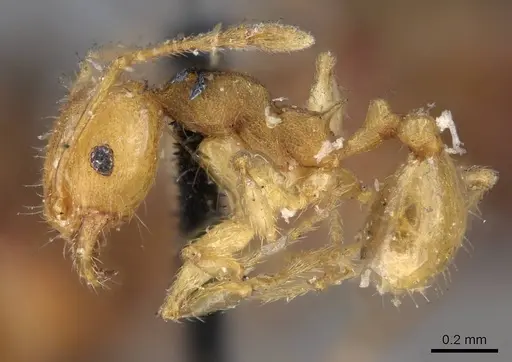
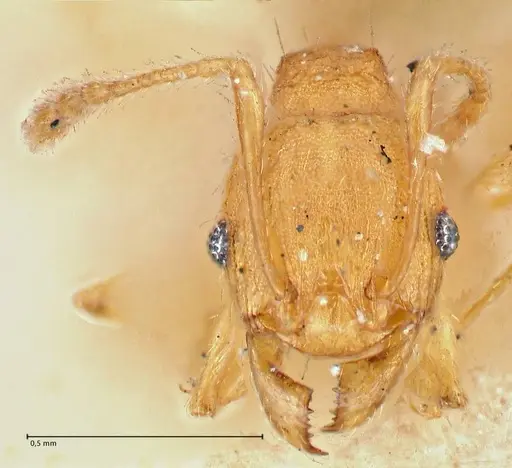
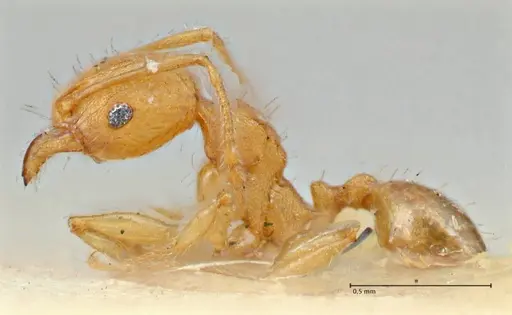
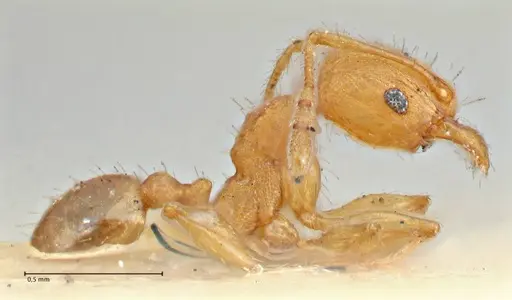
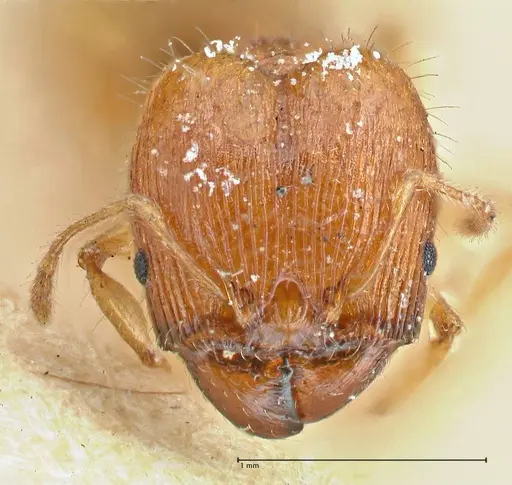
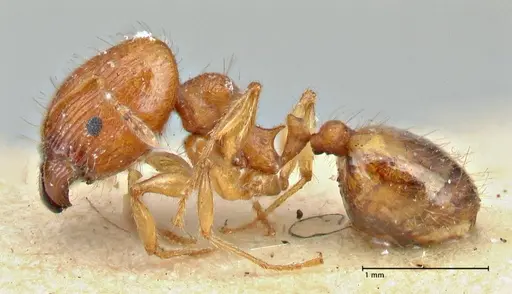
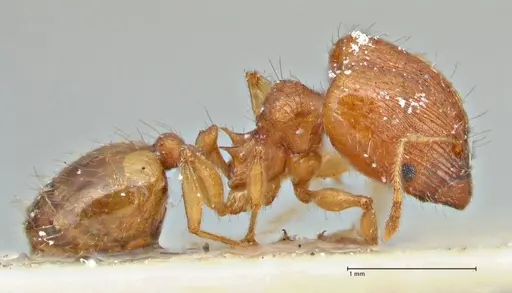
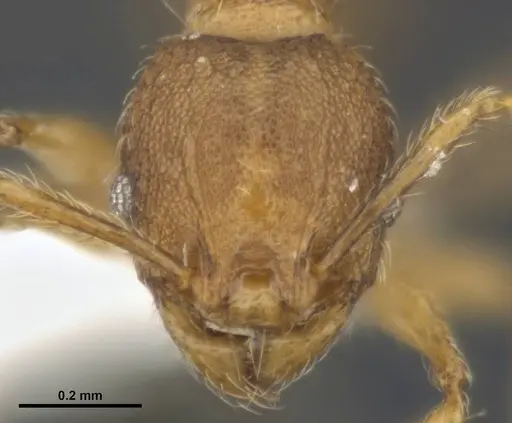
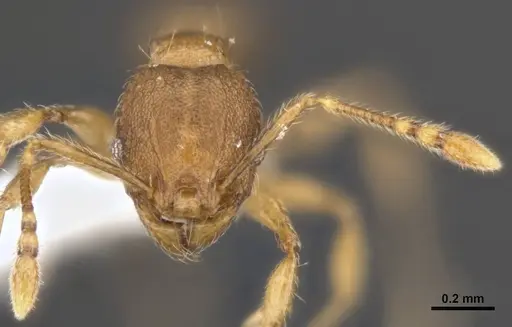
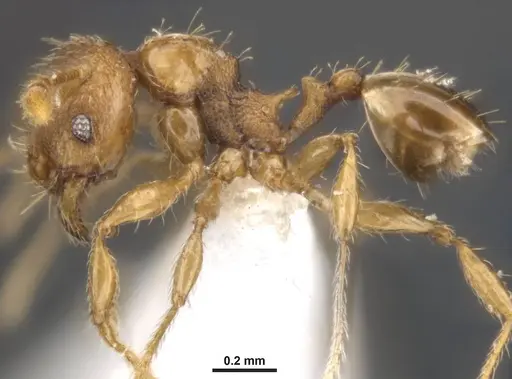
Pheidole variabilis is a small to medium-sized ant species native to Australia, with populations also recorded in New Caledonia and New Zealand . Like all Pheidole species, they have distinct major and minor workers - majors have enlarged heads while minors are more slender. The species shows considerable variation in coloration across its range, which is reflected in its name 'variabilis' and the multiple subspecies that have been described. Workers are typically around 2-4mm, with majors being noticeably larger . This species has been successfully DNA barcoded in research studies, confirming its genetic identity . As a member of the Myrmicinae subfamily, they possess a functional stinger for defense, though it is less medically significant to humans.
Quick Summary
- Difficulty: Easy
- Origin & Habitat: Native to Australia and New Zealand, with populations in New Caledonia [1][2]. In Australia, they are found across various habitats including urban areas and natural environments [3].
- Colony Type: Unconfirmed, no specific data on queen number for this species.
- Size & Growth:
- Queen: ~6-8mm, inferred from Pheidole genus patterns
- Worker: Minor workers: 2-3mm, Major workers: 3-4mm [3]
- Colony: Up to several hundred workers
- Growth: Moderate
- Development: Estimated 6-8 weeks at optimal temperature (Development time is based on typical Pheidole species, as no specific data exists for Pheidole variabilis.)
- Antkeeping:
- Temperature: Keep at 22-26°C for optimal brood development [3].
- Humidity: Keep the nest substrate consistently moist but not waterlogged [3].
- Diapause: Unknown, no specific data on diapause requirements.
- Nesting: Test tube setups work well for founding colonies. For established colonies, Y-tong nests or soil nests are suitable. They prefer dark nesting areas [3].
- Behavior: Generally peaceful and non-aggressive. They have a sting for defense but rarely use it toward keepers. Major workers defend the nest and help process larger food items. Escape risk is moderate, they can climb smooth surfaces but are not extreme escape artists.
- Common Issues: colonies may stagnate if temperature is too low, keep warm, major workers can get stuck in water feeders, use cotton wicks not open water, wild-caught colonies may have parasites that affect captive survival, overfeeding can lead to mold in nest setups, queen loss during founding is common, monitor closely
Housing and Nest Setup
You can use a test tube setup for founding colonies, fill a test tube one-third with water, push a cotton ball in to create a water reservoir, then add the queen. Keep the tube in a dark, quiet location. Once the colony reaches 20-30 workers, move them to a proper formicarium. Y-tong nests or soil nests work well for established colonies. These ants prefer dark nesting areas and will readily move into humid chambers. Avoid nests that are too wet as this can kill colonies, the substrate should feel damp but not soggy. Outworld space should allow for foraging trails and food placement away from the nest entrance [3].
Feeding and Diet
You can offer sugar sources like honey water or sugar water (1:4 ratio) constantly available. For protein, provide small insects like fruit flies, small crickets, or mealworms 2-3 times per week. Pheidole are known seed collectors, so you can occasionally offer tiny seeds though this is not required. Feed minor workers small prey items they can manage, majors will help process larger prey. Remove uneaten prey after 24 hours to prevent mold. Colonies in the founding stage need minimal food, the queen stores enough energy to raise her first brood alone [3].
Temperature and Heating
Keep the nest area at 22-26°C for optimal brood development. Room temperature is often sufficient in warmer climates, but you may need a heating cable or heat mat in cooler environments. Place heating under one end of the nest to create a temperature gradient, this lets ants choose their preferred temperature. Avoid temperatures above 30°C as this can stress or kill colonies. In winter, a mild reduction to around 18-20°C is acceptable, but avoid true cold as this species is not adapted to harsh winters [3].
Colony Growth and Development
A newly mated queen will seal herself into a chamber and lay her first eggs. She feeds the larvae from her own body reserves. The first workers, called nanitics, are typically smaller than normal workers but can already help with foraging and brood care. Expect 4-8 weeks for the first workers to emerge, depending on temperature. After that, growth is moderate, the colony will expand steadily over several months. Major workers typically appear once the colony reaches a certain size, these have the distinctive enlarged heads used for defense and seed processing. A healthy colony can reach several hundred workers over 1-2 years [3].
Behavior and Temperament
Pheidole variabilis is a peaceful species that rarely shows aggression toward keepers. Workers are active foragers, creating visible trails to food sources. The presence of major workers is notable, they have enlarged heads that make them appear distinctive compared to the smaller minor workers. Majors primarily defend the nest and help process larger food items, while minors handle most foraging and brood care. These ants have a sting for defense but are not known to be dangerous to keepers. They are moderate climbers but can be contained with standard barriers [3].
Frequently Asked Questions
How long does it take for Pheidole variabilis to have first workers?
Expect 6-8 weeks from egg to first worker at optimal temperature (22-26°C).
Can I keep multiple Pheidole variabilis queens together?
Not recommended, as queens may fight, but no specific studies on this species exist [3].
What do I feed Pheidole variabilis?
They accept sugar water or honey (constantly available) and small insects like fruit flies, pinhead crickets, or mealworms (2-3 times weekly) [3].
Are Pheidole variabilis good for beginners?
Yes, they are considered easy to keep. They are forgiving of minor mistakes, don't require special equipment, and are peaceful to handle [3].
Do Pheidole variabilis need hibernation?
No specific data on diapause requirements, unknown if hibernation is needed [3].
When should I move Pheidole variabilis to a formicarium?
Move them once the colony reaches 20-30 workers. Before this, a test tube setup is sufficient and less disruptive to the colony [3].
How big do Pheidole variabilis colonies get?
Up to several hundred workers at maturity, based on typical Pheidole species.
Why are my Pheidole variabilis dying?
Common causes include: temperature too low (keep above 22°C), mold from overfeeding or too-wet nests, queen death during founding, or parasites from wild-caught colonies.
Report an Issue
The current care sheet is based fully on literature. See inconsistencies, or something that's incorrect? Please , it will be resolved after review from an admin. Contributing to the blogs tab also helps providing information, to make us be able to further improve the caresheets. Thank you for your support!
References

Esta ficha de cuidados é licenciada sob CC BY-SA 4.0 .
Blogs da comunidade
ANTWEB1008694
Ver no AntWeb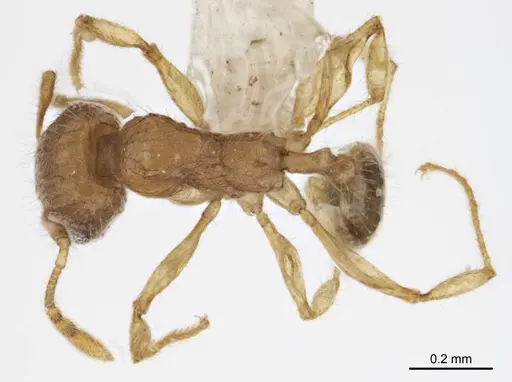
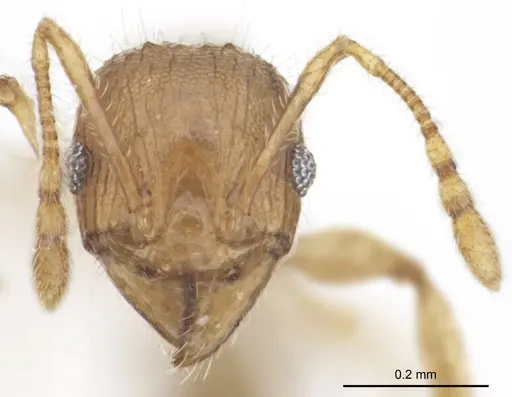
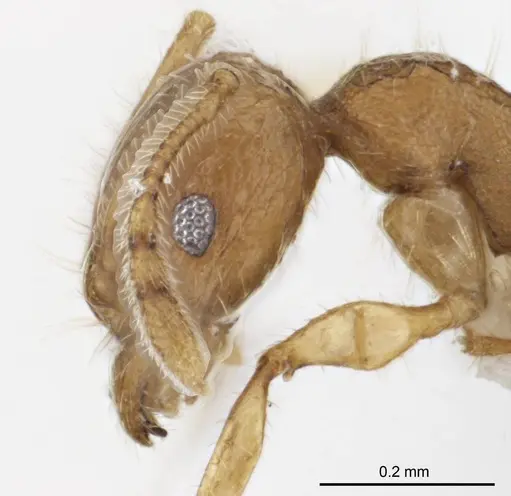
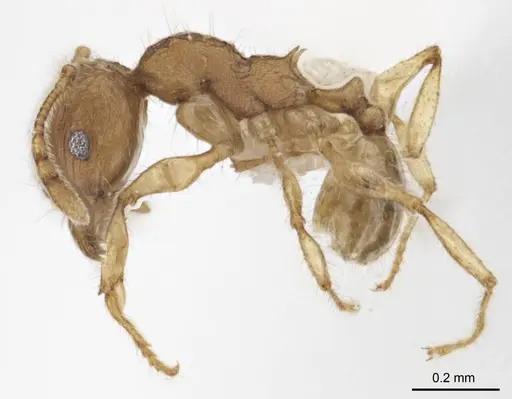
CASENT0901497
Ver no AntWeb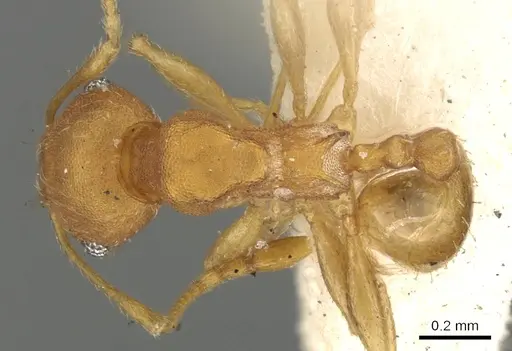
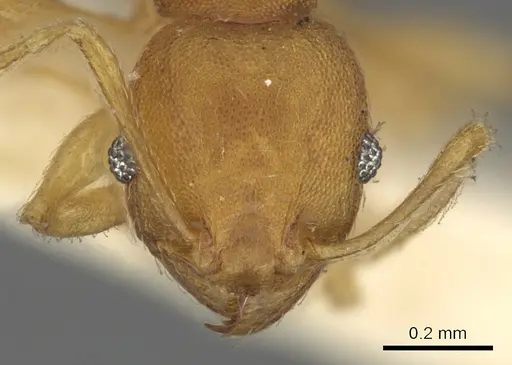
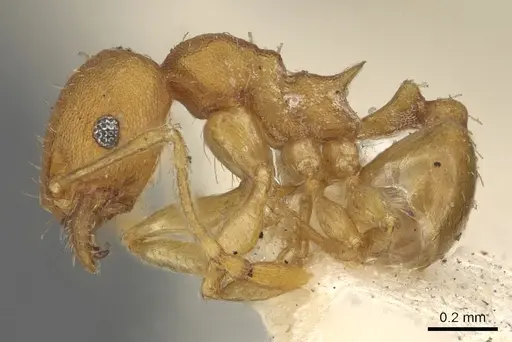
CASENT0901498
Ver no AntWeb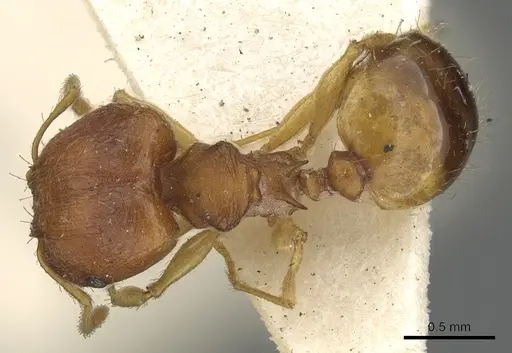
CASENT0901547
Ver no AntWeb
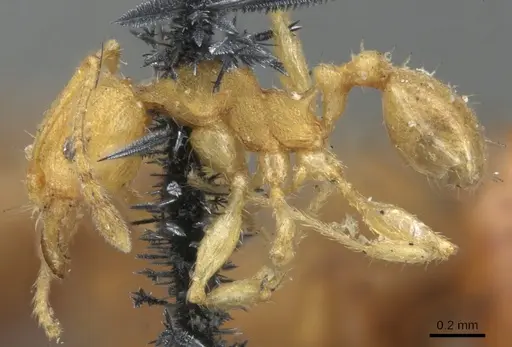
CASENT0901548
Ver no AntWeb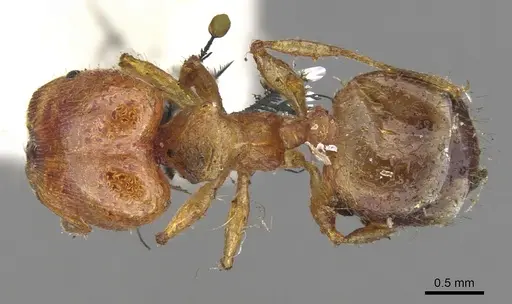
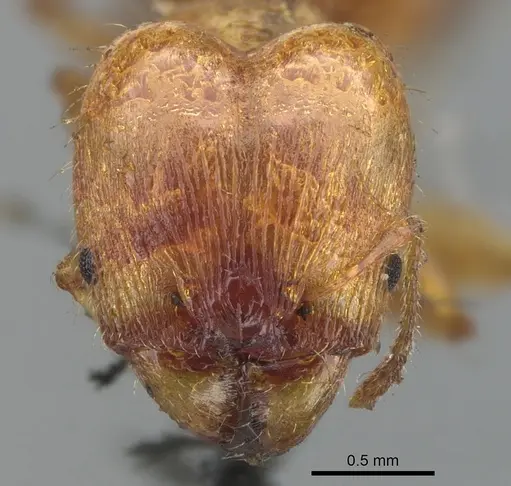
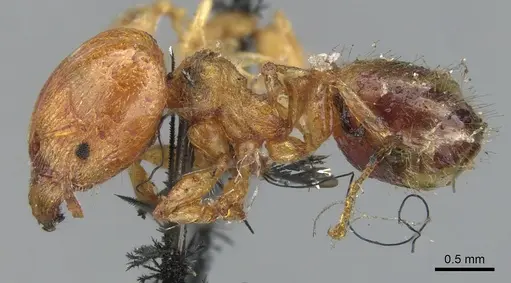
CASENT0904277
Ver no AntWeb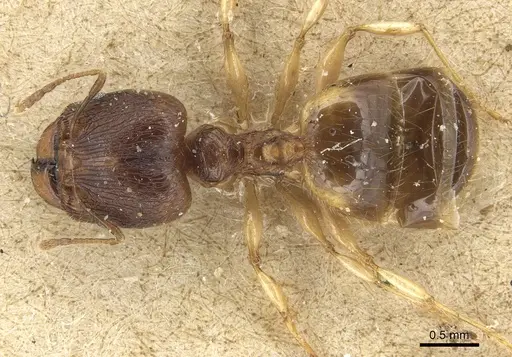
CASENT0904279
Ver no AntWeb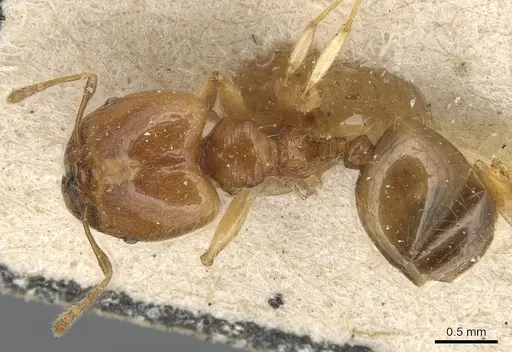
CASENT0904280
Ver no AntWeb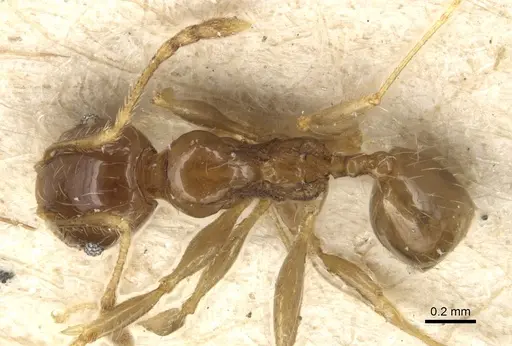
CASENT0904292
Ver no AntWeb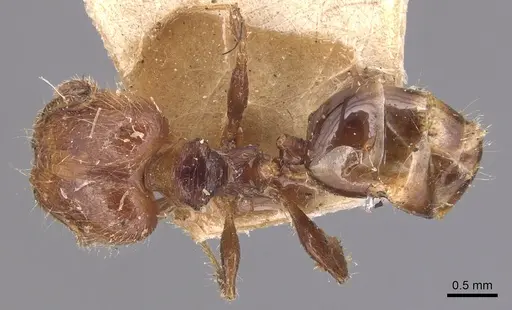
CASENT0904293
Ver no AntWeb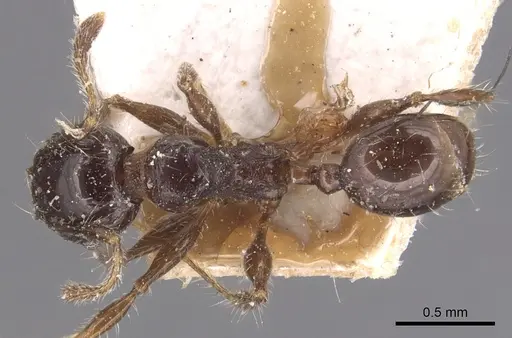
CASENT0904297
Ver no AntWeb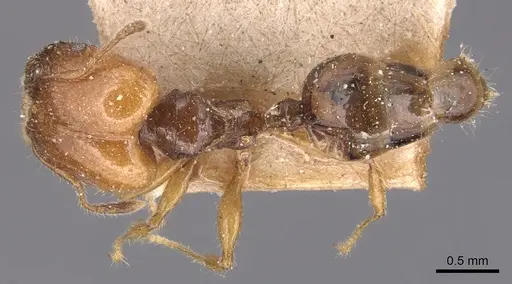
CASENT0904298
Ver no AntWeb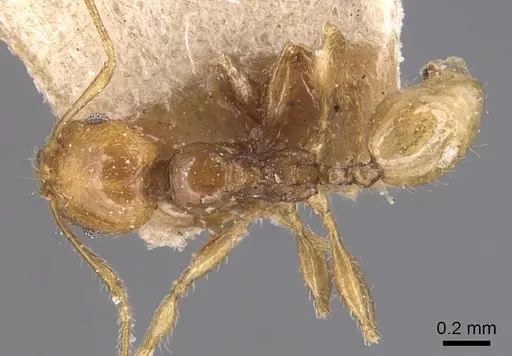
CASENT0908066
Ver no AntWeb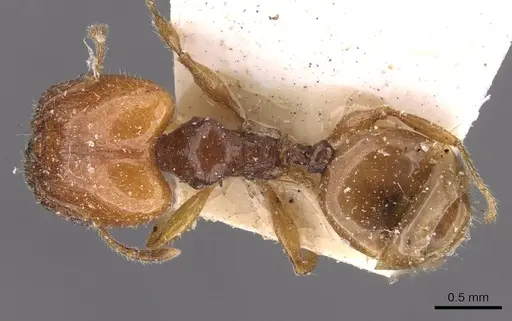
CASENT0908067
Ver no AntWeb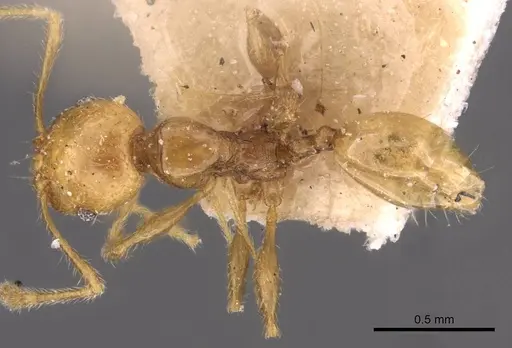
CASENT0908068
Ver no AntWeb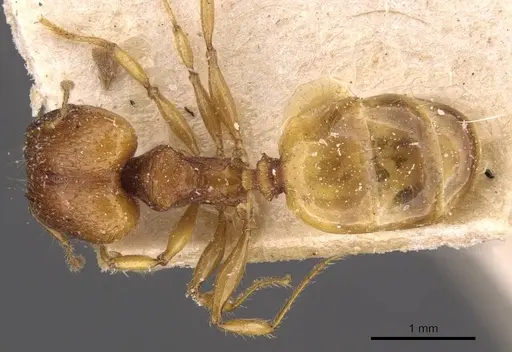
CASENT0908069
Ver no AntWeb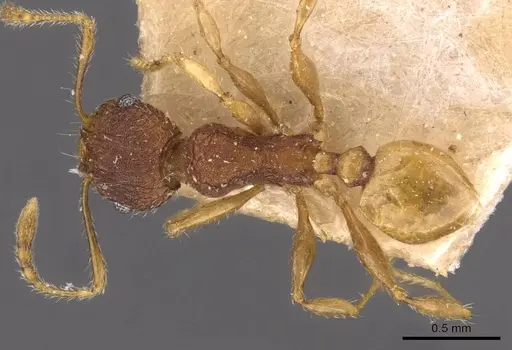
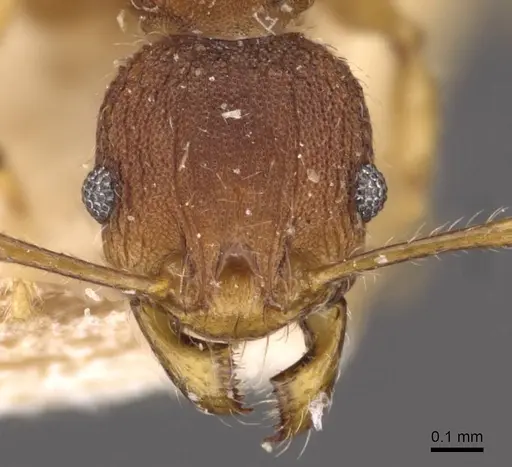
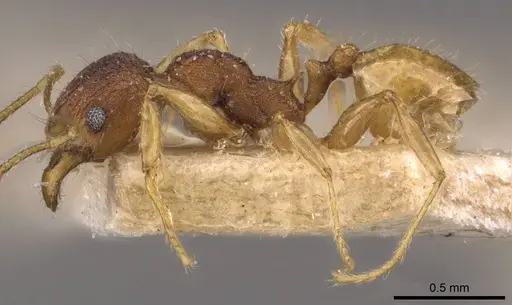
CASENT0908070
Ver no AntWeb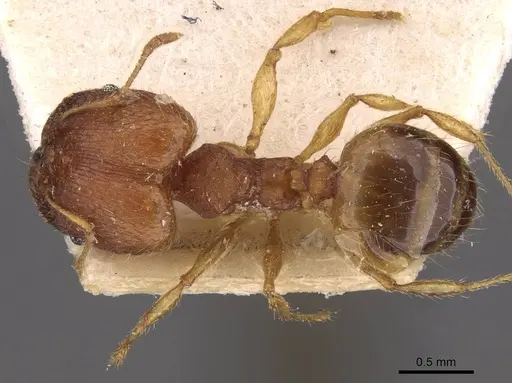
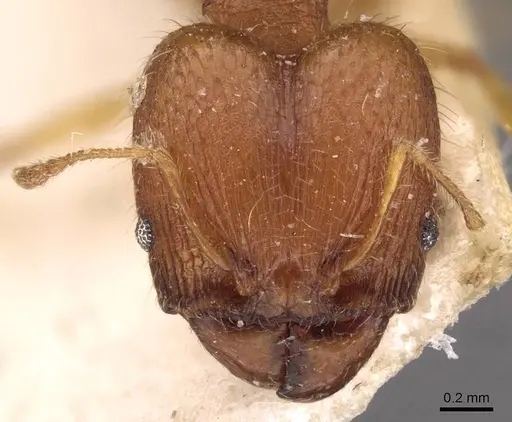
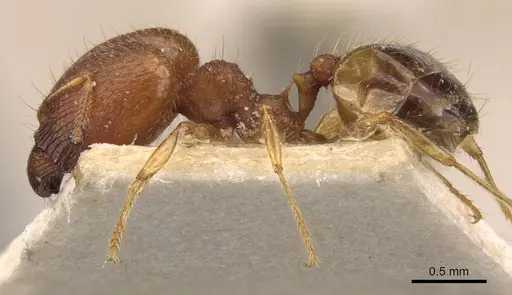
CASENT0908071
Ver no AntWeb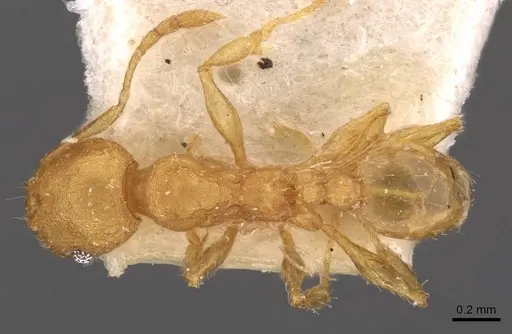
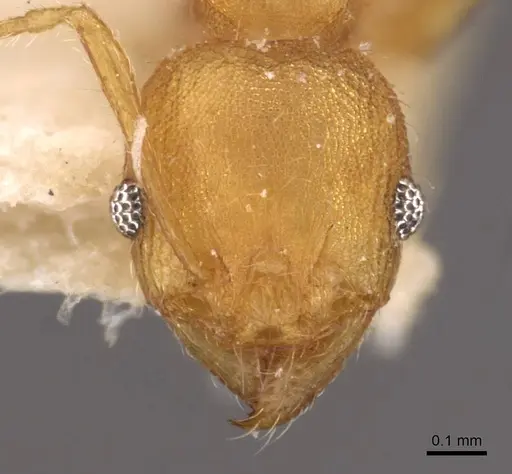
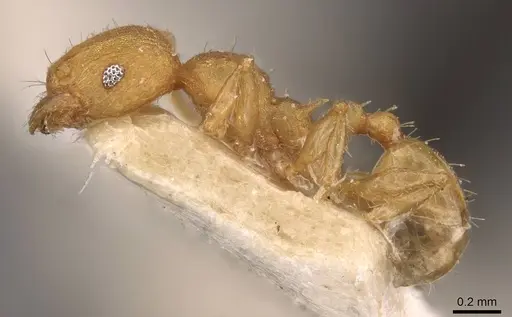
CASENT0908072
Ver no AntWeb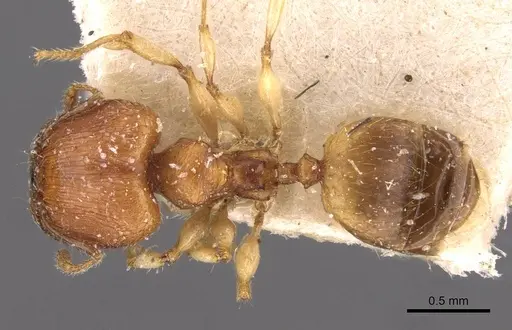
CASENT0908073
Ver no AntWeb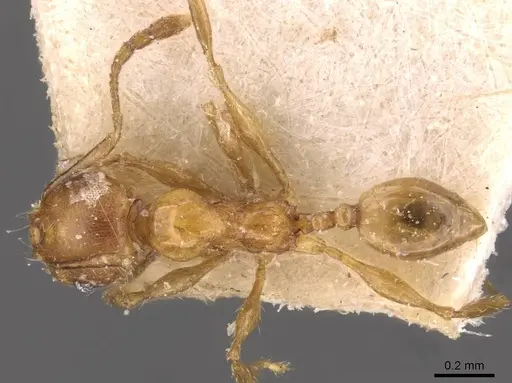
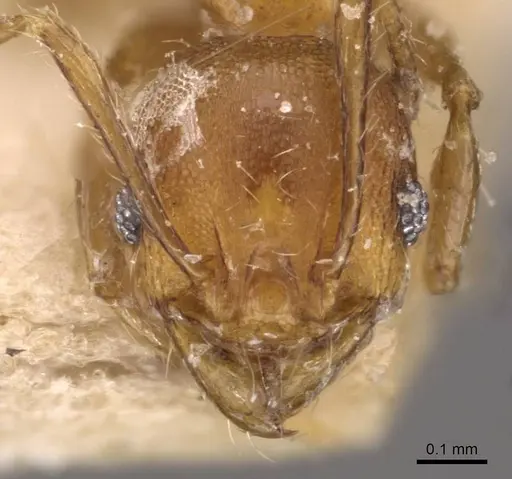
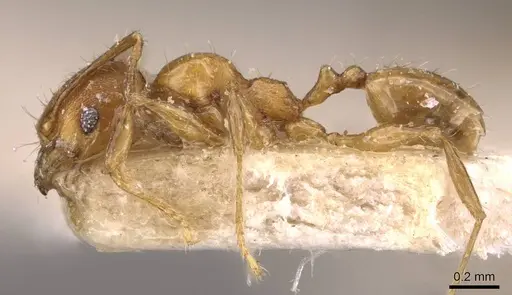
CASENT0908074
Ver no AntWeb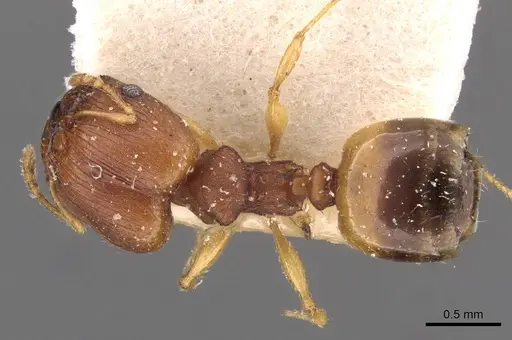
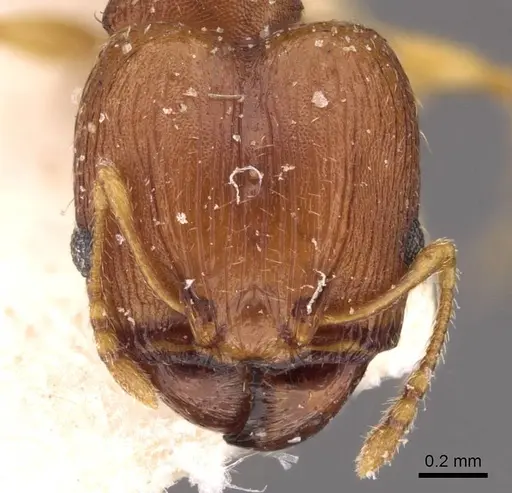
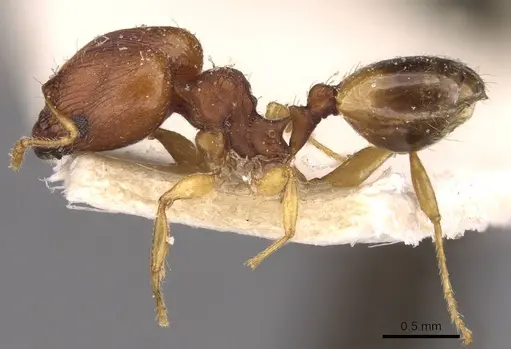
CASENT0908075
Ver no AntWeb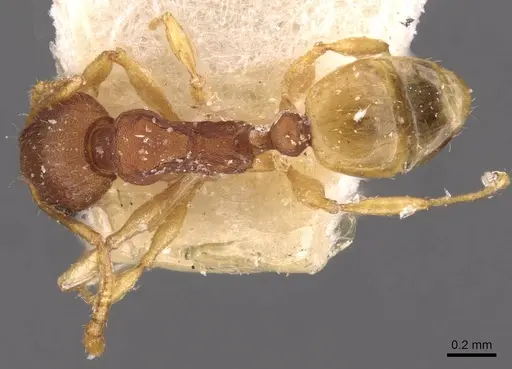
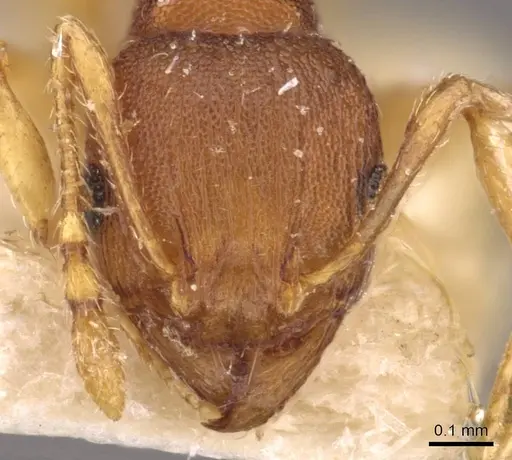
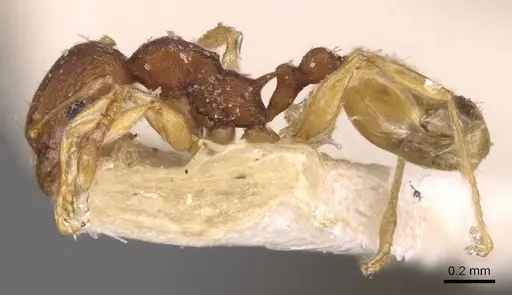
CASENT0908076
Ver no AntWeb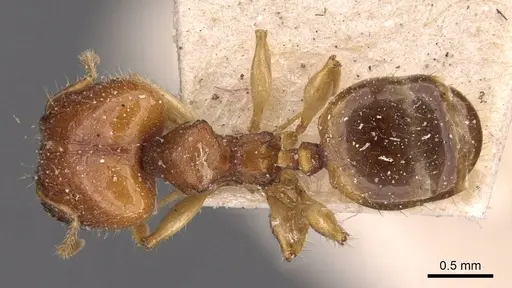
CASENT0908077
Ver no AntWeb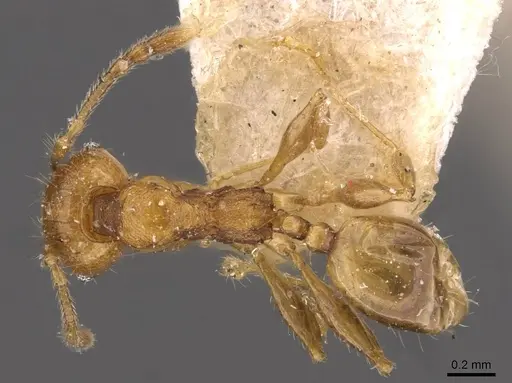
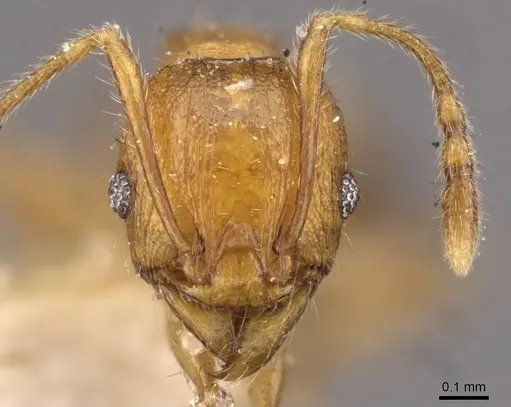
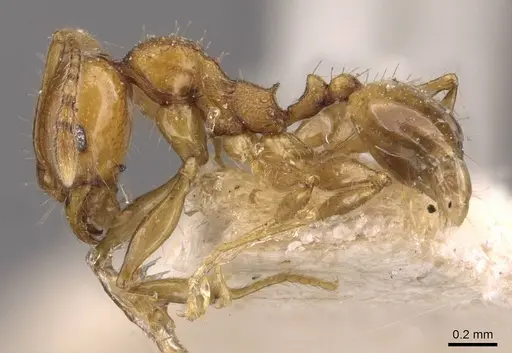
CASENT0908078
Ver no AntWeb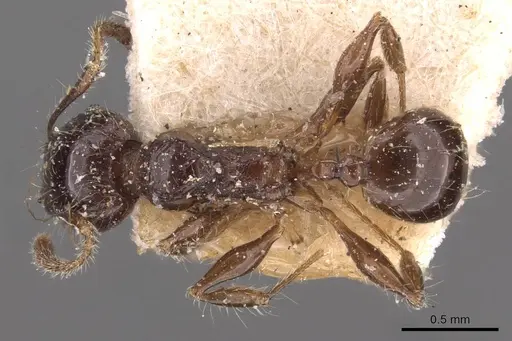
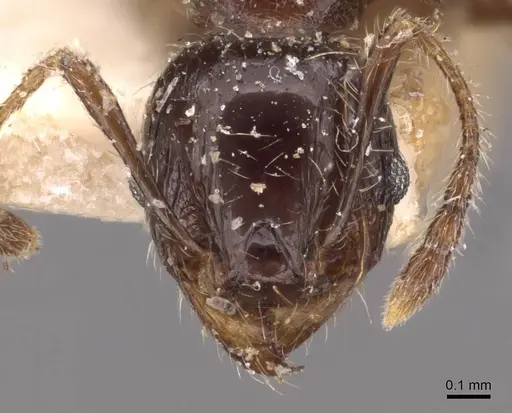
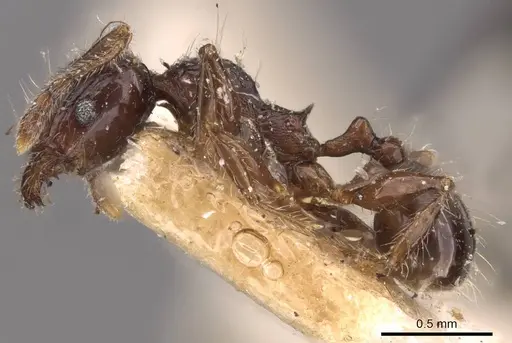
CASENT0908079
Ver no AntWeb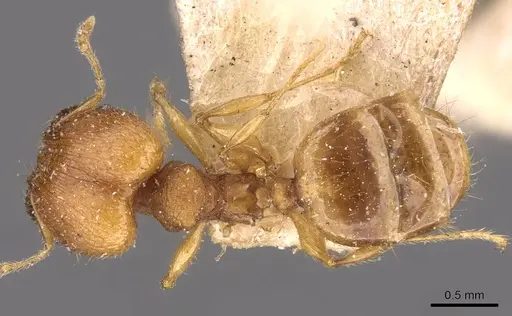
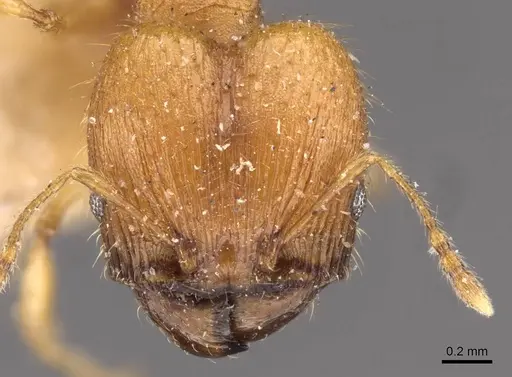
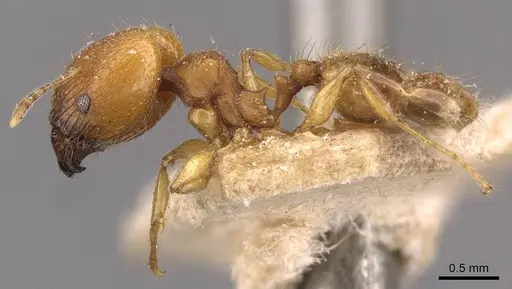
CASENT0908080
Ver no AntWeb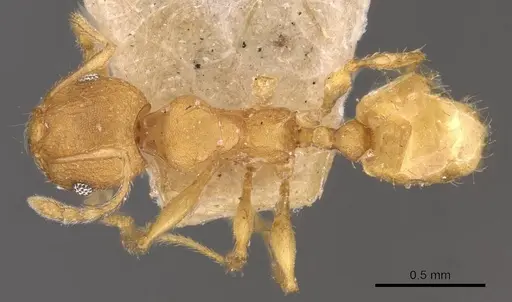
CASENT0908081
Ver no AntWeb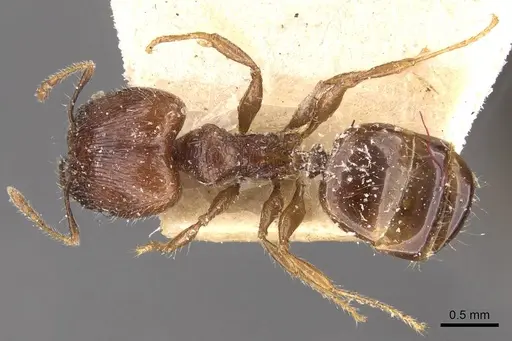
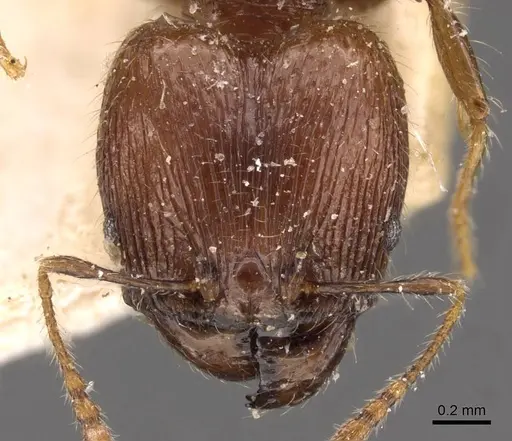
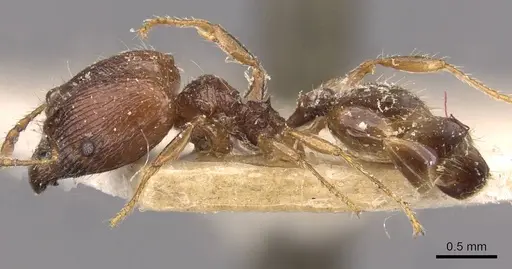
CASENT0908082
Ver no AntWeb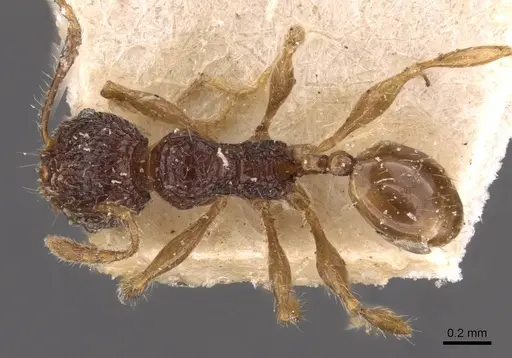
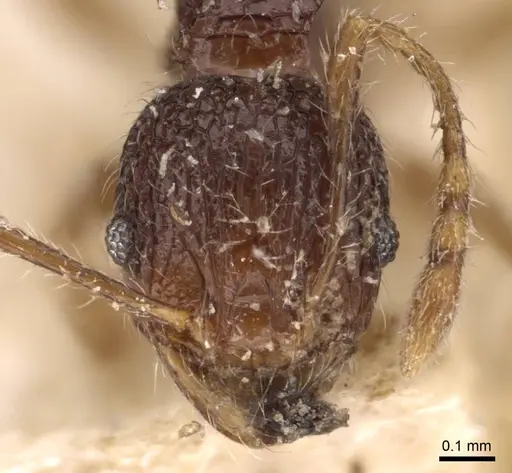
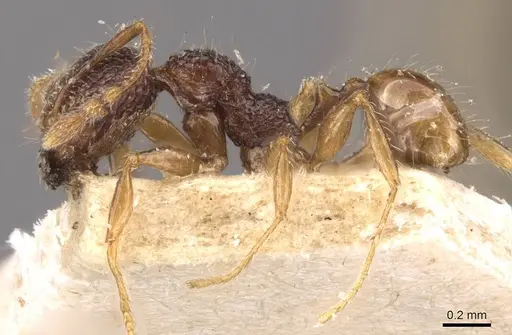
CASENT0919764
Ver no AntWeb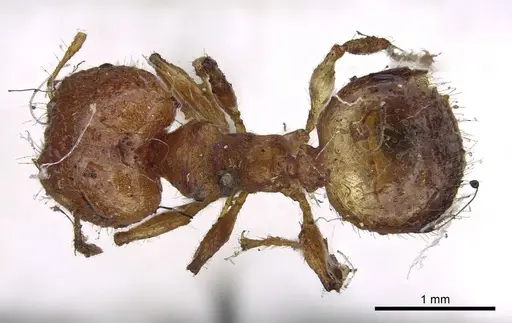
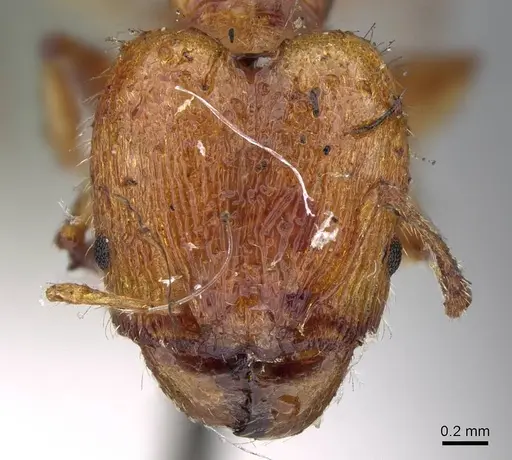
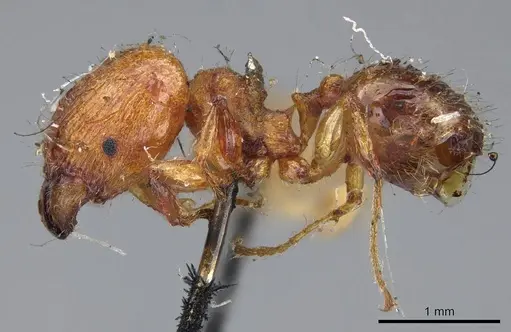
CASENT0919765
Ver no AntWeb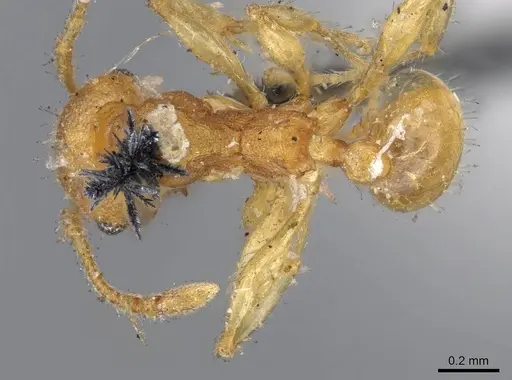
FOCOL2891
Ver no AntWeb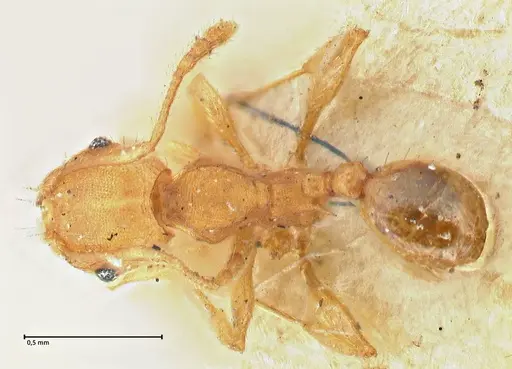
FOCOL2892
Ver no AntWeb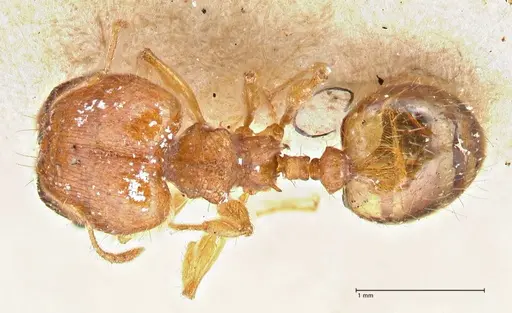
FOCOL2893
Ver no AntWeb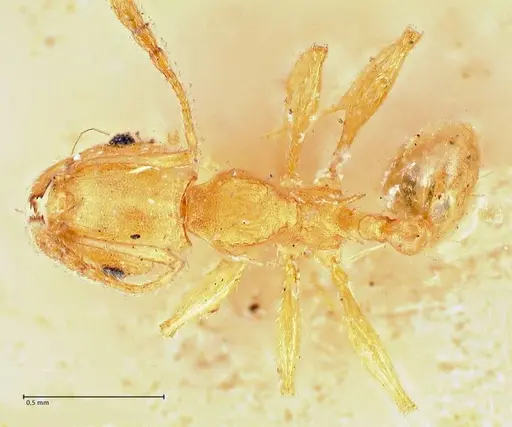
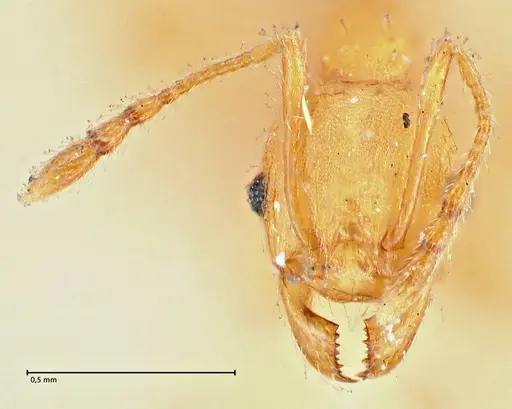
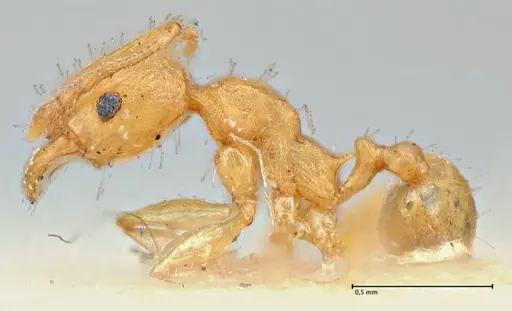
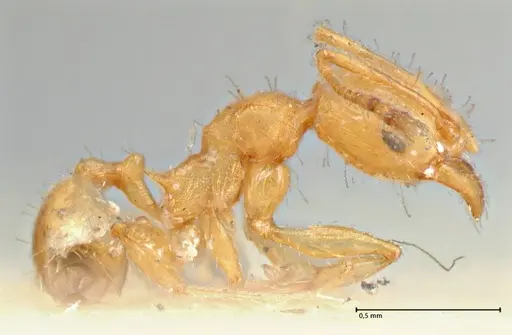
MCZ-ENT00511509
Ver no AntWeb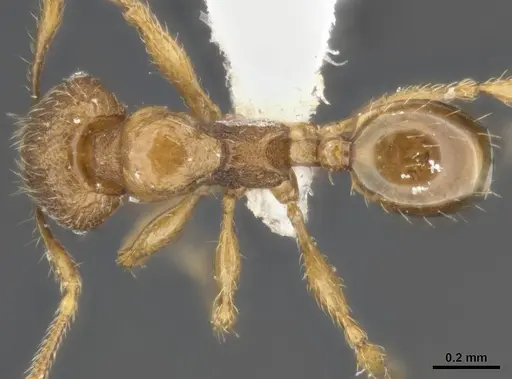
Literatura
A carregar mapa de distribuição...A carregar produtos...