
Pheidole tambopatae
- Nome cient.
- Pheidole tambopatae
- Tribo
- Attini
- Subfamília
- Myrmicinae
- Autor
- Wilson, 2003
- Distribuição
- Encontrado em 1 países
Introdução
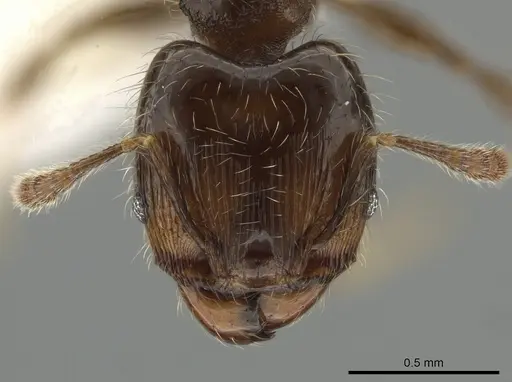
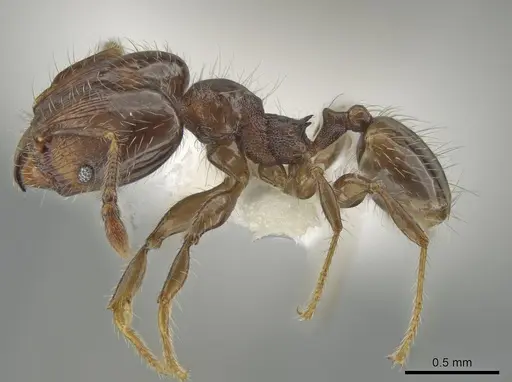
Pheidole tambopatae is a medium-sized Neotropical ant with a bicolored pattern. Majors have a light brown occiput and front of head, with the rest of the body medium to dark brown; minors show a similar pattern . The species is found in Peru, Colombia, and Brazil, often nesting under bark in treefall clearings or in spiny bamboo groves . Body size in total length is not described, but it is considered medium-sized for the genus. This species is notable for its nesting behavior in humid microhabitats under bark, which is typical for Pheidole in the Neotropics .
Quick Summary
- Difficulty: Medium
- Origin & Habitat: Tropical forests of Peru, Colombia, and Brazil, nesting under bark in humid environments [3][1]
- Colony Type: Likely monogyne based on Pheidole genus patterns, but not specifically documented
- Size & Growth:
- Queen: Size data unavailable
- Worker: Size data unavailable
- Colony: Up to several hundred workers
- Growth: Moderate
- Development: Estimated 6-8 weeks at 25-28°C (Development time is estimated based on related Pheidole species.)
- Antkeeping:
- Behavior: Pheidole tambopatae is a generalist forager. Minor workers are very small, so escape prevention is critical. They are not particularly aggressive but will defend the colony if threatened.
- Common Issues: high humidity management is critical, too wet causes mold, too dry stresses the colony., escape prevention must be excellent given their tiny minor workers., slow growth compared to faster-developing genera may frustrate beginners., tropical species are sensitive to temperature drops, keep away from cold drafts., wild-caught colonies may carry parasites that can devastate captive colonies.
Housing and Nest Setup
Pheidole tambopatae requires high humidity. Use Y-tong or plaster nests that hold moisture. Connect a water reservoir to keep one side moist. The outworld should have a water source and protein dish. For founding, a test tube setup works in a warm, humid place. Once 20-30 workers, move to a formicarium. Maintain tropical humidity with some ventilation to prevent mold [3].
Feeding and Diet
Diet specifics are not documented, but as a Pheidole species, they are likely generalist feeders. Offer small insects like fruit flies or pinhead crickets twice weekly, and keep sugar water or honey available constantly. Remove uneaten protein within 24-48 hours to prevent mold.
Temperature and Seasonal Care
Keep temperatures between 24-28°C based on their tropical habitat. A gentle heat gradient allows them to regulate temperature. Avoid drops below 20°C, as this can slow metabolism [3].
Growth and Development
Development timeline is estimated from related Pheidole species. At 25-28°C, eggs may develop into workers in 6-8 weeks. Major workers typically appear when the colony reaches around 50-100 workers.
Behavior and Colony Dynamics
Pheidole tambopatae shows typical genus caste system: minors handle foraging and brood care, while majors defend and process large food. They forage in columns and establish trails to food sources. Colonies are not highly territorial outside the nest.
Frequently Asked Questions
How long does it take for Pheidole tambopatae to produce first workers?
Based on related species, expect 6-8 weeks from egg to first worker at optimal temperatures (25-28°C). This is an estimate since this specific species hasn't been studied.
What do Pheidole tambopatae ants eat?
They are likely generalist feeders. Offer small insects twice weekly and sugar sources constantly. Diet specifics are not documented for this species.
Do Pheidole tambopatae ants need hibernation?
No. As a tropical species, they do not require hibernation. Keep them warm year-round.
Are Pheidole tambopatae good for beginners?
They are rated Medium difficulty. Main challenges are maintaining high humidity and warmth. Their small size requires excellent escape prevention.
How big do Pheidole tambopatae colonies get?
Colony size is not documented, but related Pheidole species typically reach several hundred workers.
What temperature is ideal for Pheidole tambopatae?
Keep them at 24-28°C based on their tropical habitat [3].
Can I keep multiple queens together?
Pheidole are typically single-queen colonies. Combining unrelated queens is not recommended based on typical genus behavior.
When should I move my colony to a formicarium?
Wait until at least 20-30 workers and the founding chamber is crowded. A test tube setup is fine for founding, but a proper formicarium helps once the colony grows.
Why are my Pheidole tambopatae dying?
Common causes include temperature too low, humidity wrong, mold from poor ventilation, or stress from disturbance. Check these parameters first.
Report an Issue
The current care sheet is based fully on literature. See inconsistencies, or something that's incorrect? Please , it will be resolved after review from an admin. Contributing to the blogs tab also helps providing information, to make us be able to further improve the caresheets. Thank you for your support!
References

Esta ficha de cuidados é licenciada sob CC BY-SA 4.0 .
Blogs da comunidade
CASENT0642968
Ver no AntWeb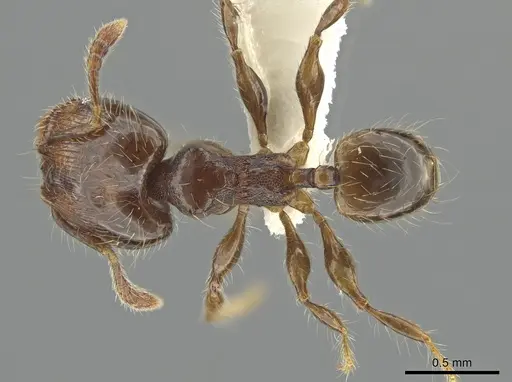
Literatura
A carregar mapa de distribuição...A carregar produtos...